I’ve sold garden décor long enough to notice something funny: people don’t actually want “more stuff.” They want their outdoor space to feel finished.
In 2026, the most luxurious-looking garden decorations aren’t always expensive—they’re intentional. Warm lighting, coordinated materials, and a few strong focal pieces (not dozens of small items) can make any patio or garden look premium.
Let’s talk about what’s really creating that “luxury garden” feeling this year.
Why Luxury Garden Decorations Are Becoming More Popular in 2026
Outdoor spaces are being treated like extra rooms, so shoppers are upgrading gardens the way they upgrade living rooms.
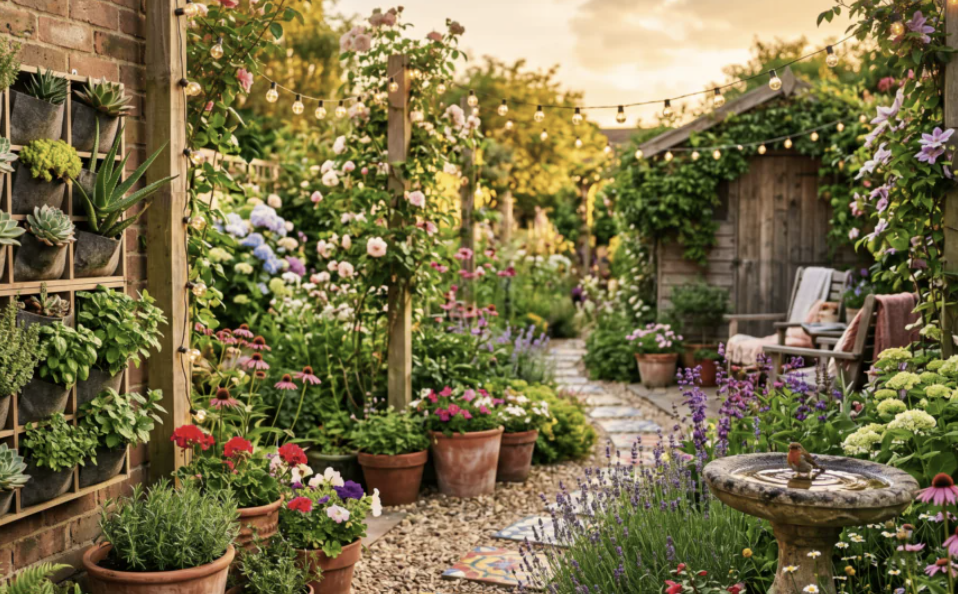
Luxury garden decorations are more popular in 2026 because outdoor living is stronger, people want cozy night-time spaces, and social sharing makes “beautiful patios” feel rewarding. Buyers also prefer fewer, better pieces that look premium and last longer outdoors.
I hear this from customers all the time:
- “I want my patio to feel nicer.”
- “I want a garden corner that looks designed.”
- “I’m tired of cheap decorations that fade.”
That’s the shift.
1) Gardens are now lifestyle spaces
It’s not only about planting anymore. It’s about:
- relaxing after work
- weekend dinners
- morning coffee outside
When you use a space more, you decorate it more.
2) People are moving from “random décor” to “designed décor”
The new luxury is:
- clean lines
- matching finishes
- calm colors
- fewer items, better placement
The garden starts to feel like a curated space.
3) Durability is part of luxury now
A decoration that fades in one season doesn’t feel premium.
In 2026, buyers are paying for:
- better UV resistance[^1]
- stronger finishes
- more stable materials[^2]
Quick reality table
| What shoppers want now | What they’re moving away from |
|---|---|
| fewer, better items | cluttered garden corners |
| warm lighting | harsh bright lights |
| coordinated styles | mismatched random décor |
| durable finishes | “one-season” products |
If you want a premium look, the first step is always: less clutter, more intention.
Top Outdoor Decoration Trends That Create a Premium Garden Look
Before the top 10 list, here are the trends behind them—because trends explain why certain items sell better.
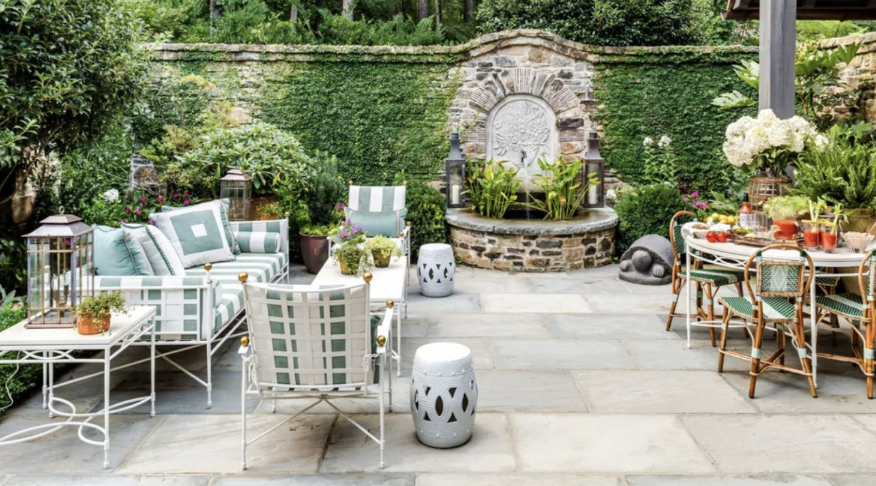
Premium garden décor trends in 2026 focus on warm ambient lighting, statement focal pieces, natural textures (stone, wood, willow), modern black metal accents, and functional décor like bird feeders and outdoor clocks that make the space feel lived-in.
Now, the fun part.
Top 10 Garden Decorations That Make Outdoor Spaces Look More Luxurious in 2026
1) Warm outdoor string lights (soft, not harsh)
This is the fastest luxury upgrade.
Soft warm lighting instantly makes a patio feel like a boutique café.
Snippet: Use warm white lights and place them around seating zones, not across the whole garden like a stadium.
2) Statement outdoor wall clock (especially oversized)
A big outdoor clock makes a garden wall feel designed and purposeful.
It’s décor, but it also feels practical—so it sells well.
Snippet: Bigger clocks look more premium when numbers are high-contrast and easy to read.
3) Decorative trellis panels (as a “green wall” frame)
A trellis panel creates vertical structure[^3], even before plants grow.
Modern grid trellis and clean ladder trellis are strong in 2026.
Snippet: A trellis looks expensive when it matches the fence or planters in color and finish[^4].
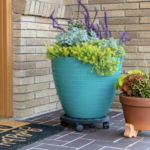
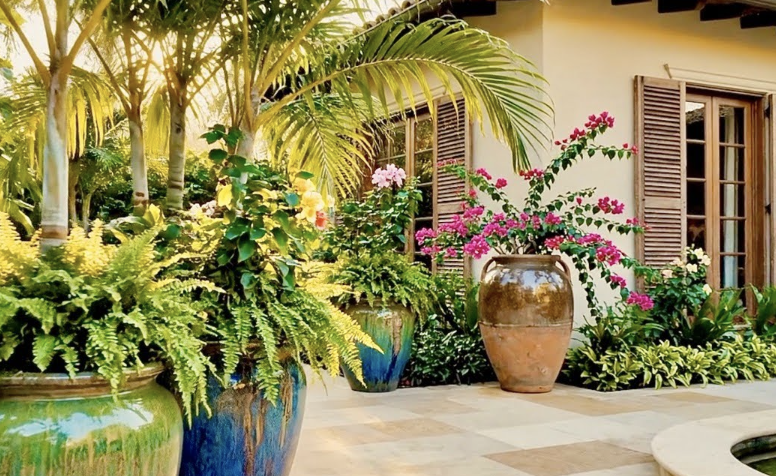
4) Matching planters (a small set, not a messy mix)
Two to three matching planters look more premium than ten random ones.
Matte black, stone-look, and soft grey are safe luxury colors.
Snippet: Group planters in pairs or threes for a “designed” feel.
5) Minimalist garden fence accents (short decorative panels or edging)
Clean edging and small fence accents create sharp borders—the “designer secret.”
It makes everything around it look more expensive.
Snippet: Luxury starts at the edges. Clean lines change the whole garden.
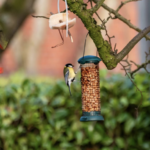
6) Bird feeder as lifestyle décor (not only “bird control”)
A premium bird feeder adds charm and makes the garden feel alive.
It’s also a “view item”—something you enjoy watching.
Snippet: Choose clean shapes and stable finishes. Avoid shiny toy-like plastic.
7) Solar lanterns or pathway lights (subtle glow, not too bright)
Pathway lighting makes gardens look expensive because it adds depth and structure at night.
Snippet: Use small lights to guide the eye, not to flood the space.
8) Water feature look-alikes (small bowls, bird baths, or reflective water trays)
You don’t need a big fountain. Even a simple water bowl can create a calm luxury vibe.
Snippet: Water creates reflection. Reflection creates luxury.
9) Wind spinners and kinetic décor (modern, calm movement)
Movement makes a garden feel alive. Wind décor looks premium when it’s tasteful and not noisy.
Snippet: Choose clean metal finishes and stable bases. Gentle motion feels expensive.
10) Animal décor pieces (tasteful, realistic, not cartoonish)
Modern animal décor—duck models, bird figures, subtle wildlife accents—adds personality.
The key is to keep it classy and consistent with the garden style.
Snippet: One good animal piece looks premium. Five random ones look like clutter.
Top 10 summary table
| Decoration | Luxury effect | Best placement |
|---|---|---|
| warm string lights | instant mood | seating zone |
| outdoor wall clock | designed focal point | blank wall/fence |
| trellis panels | vertical structure | against walls |
| matching planters | curated look | grouped sets |
| fence accents/edging | clean lines | borders and paths |
| bird feeder | lifestyle charm | visible from seating |
| solar/path lights | depth at night | pathways/edges |
| water bowl/bird bath | calm reflection | focal corner |
| wind spinner | gentle movement | open airflow spot |
| animal décor | personality touch | one focal point |
If you want, I can turn this into a quick “collection plan” using premium garden set ideas.
How Retailers Can Choose High-End Garden Decorations for Different Markets
“Luxury” looks different in different markets. Some customers want modern minimal. Some want rustic charm.
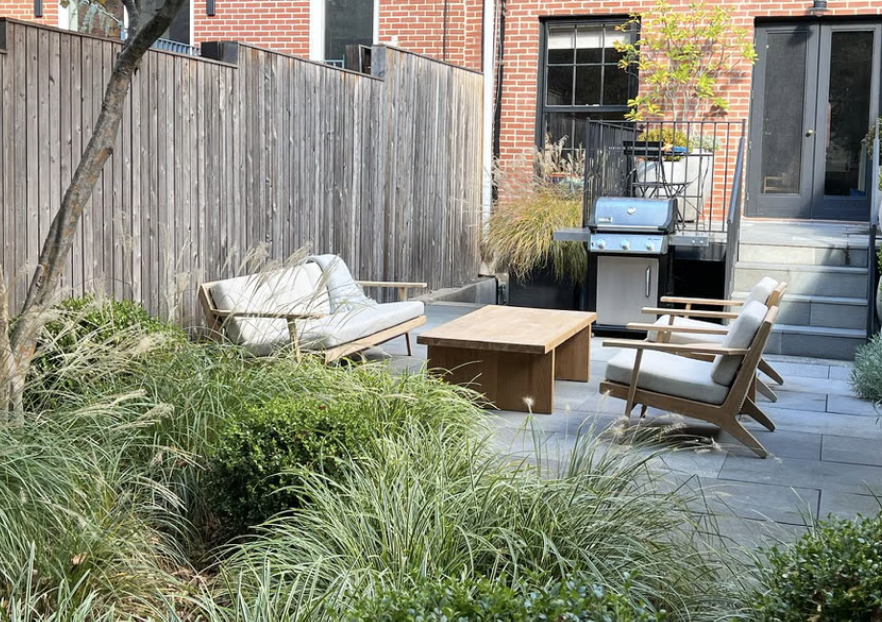
Retailers should choose high-end décor based on market taste (modern vs rustic), climate durability needs (UV/rust), and channel behavior (DIY vs garden center vs online). The safest strategy is a tiered range: fast movers + premium focal pieces.
Here’s how I break it down for buyers.
1) Modern markets (clean lines, black metal, minimalist décor)
Strong picks:
- black metal trellis
- minimalist planters
- modern outdoor clocks
- subtle lighting
These markets like “architectural” style.
2) Traditional markets (warm, rustic, natural textures)
Strong picks:
- willow/wood textures[^5]
- classic lantern styles
- cottage bird feeders
- softer decorative pieces
These markets buy “comfort” and “charm.”[^6]
3) Channel matters
DIY supermarkets
- want fast movers
- easy price points
- low return risk
- simple packaging
Garden centers
- can sell premium
- shoppers browse longer
- décor storytelling works better
E-commerce
- needs compact shipping
- must avoid breakage
- clear photos and instructions matter
Market selection table
| Market type | Best décor direction | Key risk to control |
|---|---|---|
| modern urban | minimalist + lighting | scratching and finish quality |
| traditional suburban | rustic + natural textures | fading and weathering |
| DIY retail | fast movers + durable | returns and packaging |
| premium garden center | statement pieces | consistent finish and display |
| online | compact + safe packing | shipping damage |
If you want a simple assortment system, I suggest a good-better-best ladder.
Why OEM and Custom Garden Decorations Are Driving Future Growth
Retailers want differentiation. Customers want something that doesn’t look like every other garden display.
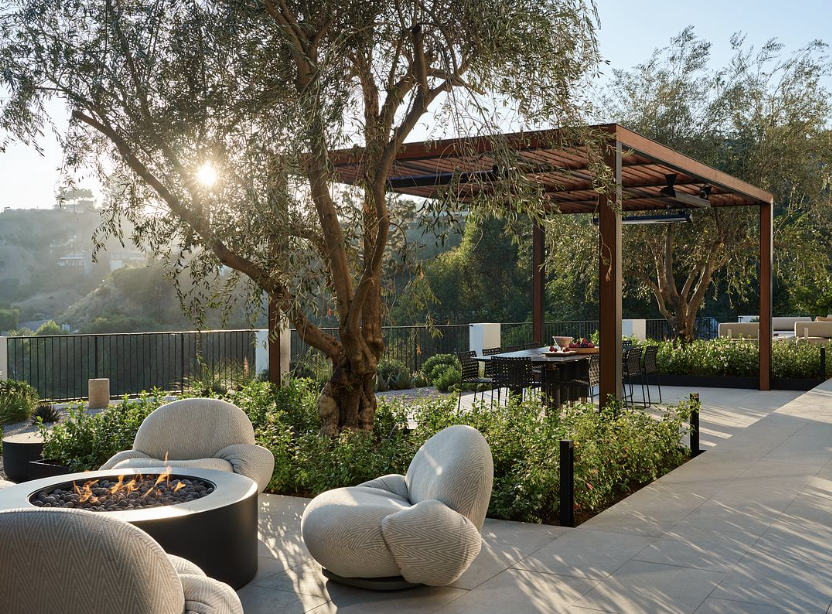
OEM and custom garden décor are driving growth because they allow private label branding, coordinated collections, and market-specific styles. Custom packaging and consistent color/finish across categories help retailers build stronger identity and improve repeat buying.
This is where the future is heading.
A store doesn’t want to sell the same items as the store next door.
And a brand doesn’t want to look copy-paste.
1) OEM creates “collection power”
The best luxury look comes from matching items:
- trellis + fence panel
- planters + lighting tone
- bird feeder + décor accents
OEM helps keep:
- the same color family
- the same finish texture
- the same packaging style
That makes the shelf look premium.
2) Custom packaging makes products feel expensive
Even a mid-price product can feel premium if:
- the box design is clean
- the instructions are clear
- the brand story is consistent
Packaging is part of luxury.
3) Market-specific customization reduces risk
Different markets prefer different looks.
OEM helps you:
- adjust styles for the UK vs Germany vs US
- match local garden trends
- build seasonal collections
4) Repeat orders become easier when standards are locked
The real goal is not “one custom order.”
The goal is stable repeats.
So the smart OEM approach is:
- approve a golden sample[^7]
- lock finish/color rules
- control changes[^8]
- repeat cleanly next season
OEM growth table
| OEM advantage | Why it matters for retailers |
|---|---|
| differentiation | avoids price wars |
| collection consistency | premium shelf look |
| private label strength | stronger brand identity |
| repeatable standards | smoother reorders |
If you want, I can draft a simple OEM décor RFQ checklist you can send to suppliers.
Conclusion
Luxury garden décor in 2026 is about warm lighting, clean coordination, and a few strong statement pieces—OEM collections will be the fastest path to stand out.
[^1]: "Temperature and light intensity effects on the photodegradation of …", https://www.nist.gov/publications/temperature-and-light-intensity-effects-photodegradation-high-density-polyethylene. Research on polymer and coating weathering shows that ultraviolet exposure can cause photodegradation, discoloration, and loss of mechanical properties in outdoor materials, supporting the relevance of UV resistance to long-term appearance and durability. Evidence role: mechanism; source type: paper. Supports: Better UV resistance is a meaningful premium feature because it helps reduce fading and degradation in outdoor decorative products.. Scope note: This supports the durability mechanism behind the claim, but does not by itself prove that 2026 buyers specifically prioritize UV resistance.
[^2]: "[PDF] Wood Handbook, Wood as an Engineering Material", https://research.fs.usda.gov/treesearch/download/37440.pdf. Technical references on material performance describe dimensional stability as resistance to changes such as swelling, shrinkage, or warping under moisture and temperature variation, supporting the claim that stable materials are important for products expected to retain form across seasons. Evidence role: definition; source type: government. Supports: More stable materials contribute to a premium seasonal decoration by helping it retain shape and structure over time.. Scope note: This provides technical context for material stability, but does not directly measure consumer willingness to pay in 2026.
[^3]: "Vertical Gardening Using Trellises, Stakes, and Cages", https://pubs.ext.vt.edu/HORT/HORT-189/HORT-189.html. University extension guidance on landscape design identifies vertical elements such as walls, fences, trees, and built structures as contributors to spatial definition and visual organization in gardens, supporting the statement that a trellis can provide vertical structure before plant coverage develops. Evidence role: general_support; source type: education. Supports: A trellis panel creates vertical structure, even before plants grow.. Scope note: The source supports the broader design principle rather than testing trellis panels specifically.
[^4]: "CIR536/MG086: Basic Principles of Landscape Design – Ask IFAS", https://ask.ifas.ufl.edu/publication/MG086. Landscape design references commonly describe unity and harmony as effects produced by repeating or coordinating colors, materials, and forms across garden elements; this supports the idea that matching a trellis with nearby fences or planters can create a more cohesive appearance. Evidence role: mechanism; source type: education. Supports: A trellis looks expensive when it matches the fence or planters in color and finish.. Scope note: The source would substantiate visual cohesion, not the subjective claim that the result necessarily “looks expensive.”
[^5]: "Wood perception in daylit interior spaces: An experimental study …", https://bioresources.cnr.ncsu.edu/resources/23174/. Research on consumer responses to wood and natural materials reports that visible wood is often associated with warmth, naturalness, and comfort, contextualizing why willow or wood textures may appeal in comfort-oriented décor categories. Evidence role: mechanism; source type: paper. Supports: Willow/wood textures are strong picks because these markets value comfort and charm.. Scope note: This would support the material-perception rationale, not prove sales performance for the specific products listed.
[^6]: "Nostalgia and consumer behavior – PubMed", https://pubmed.ncbi.nlm.nih.gov/36709745/. Consumer-behavior research on nostalgic and emotionally symbolic products indicates that cues associated with tradition, home, and the past can increase appeal by evoking warmth, comfort, and social connectedness, which supports the framing of these markets as emotionally driven. Evidence role: expert_consensus; source type: paper. Supports: These markets buy products for the emotional qualities of comfort and charm.. Scope note: The evidence would be contextual and psychological; it may not directly measure the specific markets or products named in the article.
[^7]: "[PDF] Part 2: Quality Assurance Project Plan", https://psre.umn.edu/sites/psre.umn.edu/files/2022-03/ssrd_article_348777.pdf. A source on manufacturing quality control or pre-production approval can support that approved reference samples are commonly used to define acceptable appearance, materials, and workmanship before repeat production; this is contextual support for the workflow rather than proof that every OEM program uses the term “golden sample.” Evidence role: general_support; source type: institution. Supports: A smart OEM approach includes approving a golden sample before repeat production.. Scope note: Terminology and procedures vary by industry and supplier, so the source may support the practice more broadly than this exact phrase.
[^8]: "[PDF] Guide for Security-Focused Configuration Management of …", https://nvlpubs.nist.gov/nistpubs/SpecialPublications/NIST.SP.800-128.pdf. Quality-management guidance on configuration or change control supports the claim that controlling design, material, and process changes helps maintain production consistency and traceability; it does not by itself demonstrate outcomes for this specific OEM product category. Evidence role: mechanism; source type: government. Supports: A smart OEM approach includes controlling changes to maintain stable repeat orders.. Scope note: The evidence would establish a general quality-management mechanism, not direct performance data for the article’s particular manufacturing context.