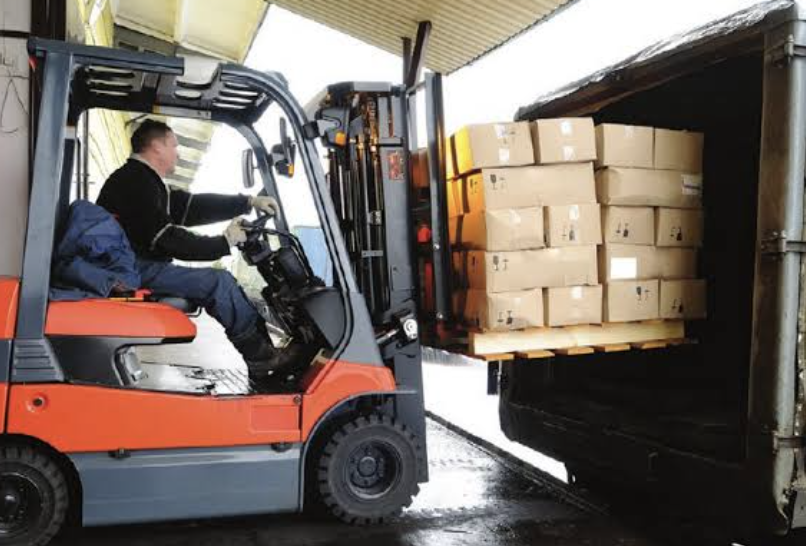
Packaging is often treated as a small detail during international sourcing, but it can have a major impact on shipping costs.
Common packaging mistakes such as oversized cartons, inefficient designs, excessive materials, and lack of testing can increase freight costs, reduce container efficiency, and create unnecessary damage risks during transportation.
For importers, better packaging is not only about protecting products—it is also about controlling total landed cost.
How Oversized Packaging Reduces Container Loading Efficiency
One of the biggest packaging mistakes in international shipping is using cartons that are larger than necessary.
Oversized packaging reduces container loading efficiency by wasting valuable space, lowering carton quantities per container, increasing freight cost per unit, and creating unnecessary transportation expenses.
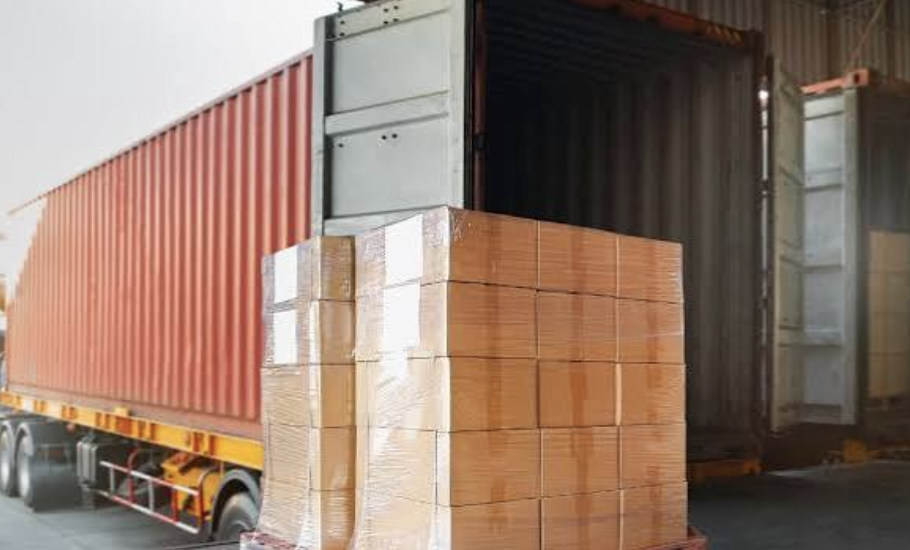
Ocean freight is usually calculated by container space.
Whether shipping a 20ft container or a 40ft high cube container, every unused space represents lost value.
How carton size affects container loading
A container has a fixed internal volume.
If cartons are too large, importers may experience:
- fewer cartons loaded per container;
- higher freight cost per product;
- more unused empty space;
- increased handling difficulty;
- inefficient warehouse storage.
For bulky products such as:
- garden fence panels;
- trellises;
- outdoor decorations;
- bird tables;
- Christmas products;
packaging design has an even bigger impact.
Common oversized packaging problems
Typical mistakes include:
- adding unnecessary empty space inside cartons;
- using cartons designed only for appearance;
- failing to calculate carton dimensions before mass production;
- ignoring container loading during product development.
For example, reducing carton height by a few centimetres may allow additional layers inside a container[^1].
Small packaging improvements can create significant savings in large-volume shipments[^2].
Flat packing and nesting solutions
Many garden products can be redesigned for better shipping efficiency.
Examples include:
Flat-packed products
- fence panels;
- wooden trellises;
- garden shelves;
- decorative structures.
Nested products
- flower pots;
- baskets;
- garden ornaments;
- plastic products.
These methods help reduce:
- carton volume;
- warehouse space;
- freight cost.
Packaging should be designed together with the product
A common mistake is designing the product first and packaging later.
A better approach is considering:
- product structure;
- carton size;
- container loading;
- retail display;
- customer handling.
| Packaging mistake | Shipping impact |
|---|---|
| Oversized cartons | Fewer units per container |
| Excessive empty space | Higher freight cost |
| Poor carton dimensions | Lower loading efficiency |
| No loading calculation | Lost container capacity |
| Difficult packing structure | Higher labour cost |
Efficient packaging helps importers reduce freight cost without reducing product value.
Why Packaging Design Matters for International Shipping Costs
Packaging is not only a protection method. It is an important part of logistics planning.
Packaging design affects international shipping costs because carton dimensions, weight, stacking ability, and loading efficiency directly influence freight expenses and handling requirements.
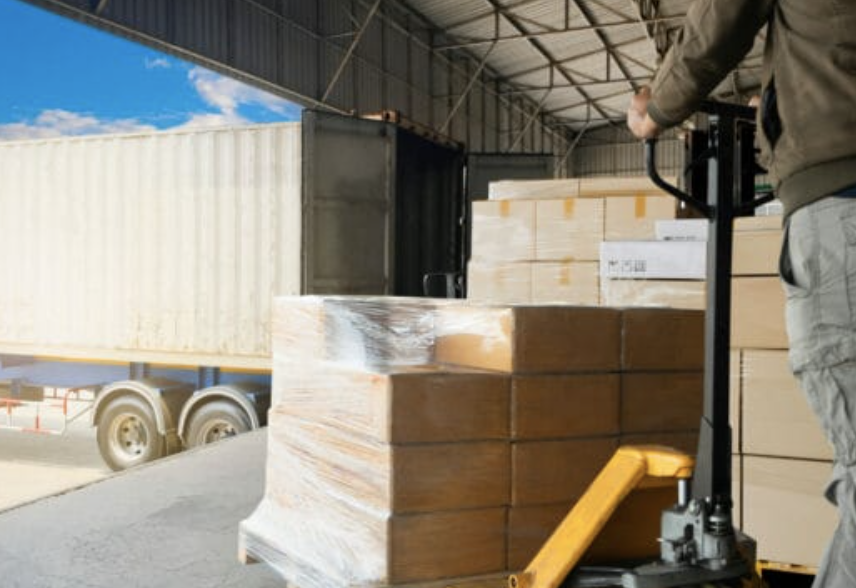
A well-designed package works throughout the entire supply chain:
Factory → Container → Port → Warehouse → Retailer → Customer
Every step depends on packaging performance.
Dimension affects freight more than many buyers expect
Many importers focus only on product price.
However, freight cost is often affected by[^3]:
- carton volume;
- container utilisation;
- loading efficiency;
- handling requirements.
A supplier offering a slightly cheaper product may actually create higher total costs if packaging is inefficient[^4].
Weight optimisation matters too
Packaging should provide enough protection without unnecessary weight.
Excessive packaging materials increase:
- shipping weight;
- handling costs;
- storage requirements.
Examples:
- thick cardboard when standard protection is enough;
- oversized wooden frames;
- unnecessary plastic layers.
Good packaging finds the balance between protection and efficiency.
Packaging influences warehouse operations
Retailers and distributors also consider:
- carton stacking;
- storage space;
- unpacking speed;
- product identification.
Poor packaging can create problems after arrival.
Examples:
- cartons difficult to move;
- unclear labels;
- unstable stacking;
- slow warehouse processing.
Retail packaging and transport packaging are different
A common mistake is using the same packaging for every purpose.
Retail packaging focuses on:
- appearance;
- customer experience;
- branding.
Transport packaging focuses on:
- strength;
- protection;
- loading efficiency.
The best solutions combine both.
Packaging design supports online sales
For e-commerce products, packaging becomes even more important.
Customers expect:
- products arriving without damage;
- easy opening;
- clear instructions;
- attractive presentation.
Poor packaging can create negative reviews even if the product itself is good.
| Packaging factor | Cost impact |
|---|---|
| Carton size | Freight volume |
| Product protection | Damage rate |
| Packaging weight | Shipping cost |
| Label design | Warehouse efficiency |
| Opening experience | Customer satisfaction |
Smart packaging design is a logistics investment rather than an additional expense.
Packaging Materials: Finding the Right Balance Between Protection and Cost
Choosing packaging materials requires balancing product safety, shipping cost, sustainability, and customer expectations.
The best packaging materials provide enough protection during transportation while avoiding unnecessary cost, weight, and waste.
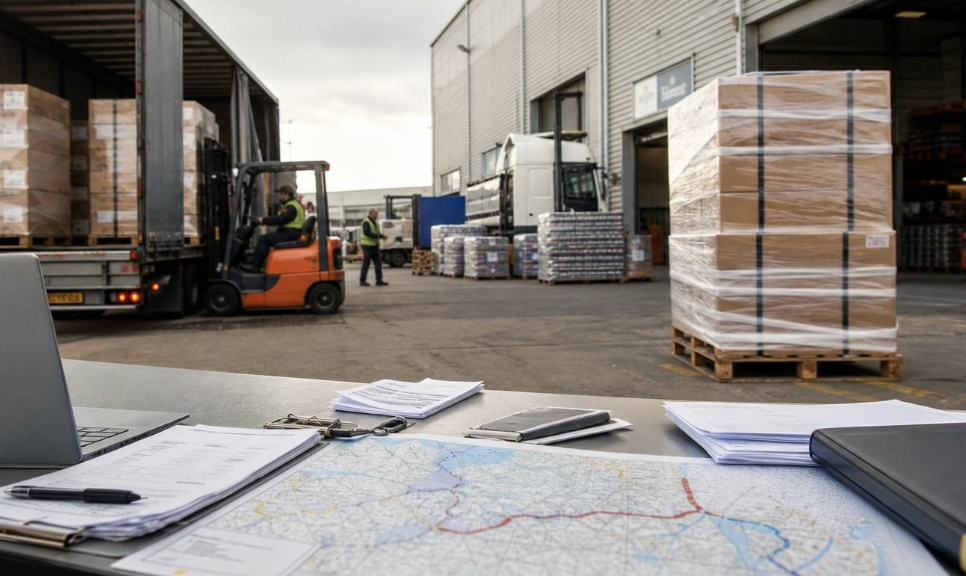
Using the cheapest packaging is not always the best choice.
Weak packaging may create expensive problems later.
Common packaging materials
International shipments commonly use:
- corrugated cartons;
- foam protection;
- paper separators;
- plastic bags;
- corner protectors;
- wooden frames;
- pallets.
Each material has a different purpose.
Carton quality matters
A strong carton protects products from:
- compression;
- impact;
- moisture;
- stacking pressure.
For heavier garden products, carton strength is especially important.
Examples:
- metal fence panels;
- ceramic pots;
- large decorations;
- wooden products.
A weak carton may collapse during container transportation.
Avoid over-packaging
More protection is not always better.
Over-packaging creates:
- higher material cost;
- larger carton size;
- increased freight cost[^5];
- more waste[^6].
Common examples include:
- too much foam;
- unnecessary plastic wrapping;
- oversized inner boxes;
- excessive protective layers.
Match packaging with product risk
Different products need different solutions.
| Product type | Recommended packaging focus |
|---|---|
| Metal products | Scratch protection and strong cartons |
| Wooden products | Moisture protection |
| Plastic products | Prevent deformation |
| Glass items | Shock protection |
| Decorative items | Appearance protection |
Sustainable packaging expectations
European buyers increasingly consider packaging impact.
Preferred solutions include:
- recyclable cartons;
- reduced plastic use;
- reusable packaging;
- compact designs;
- responsible material selection.
However, sustainability should not reduce product protection.
Damaged products create more waste and higher costs.
The right balance
Good packaging achieves three goals:
- Products arrive safely.
- Shipping space is used efficiently.
- Material cost remains reasonable.
| Packaging approach | Result |
|---|---|
| Too cheap | Higher damage risk |
| Too much protection | Higher cost |
| Poor design | Wasted space |
| Balanced solution | Best total value |
The goal is not the cheapest packaging—it is the lowest total cost after delivery.
Why Pre-Shipment Packaging Tests Help Avoid Expensive Problems
Testing packaging before shipment helps identify problems before goods leave the factory.
Pre-shipment packaging tests reduce expensive problems by checking carton strength, product protection, stacking performance, and transportation risks before large quantities are shipped internationally.
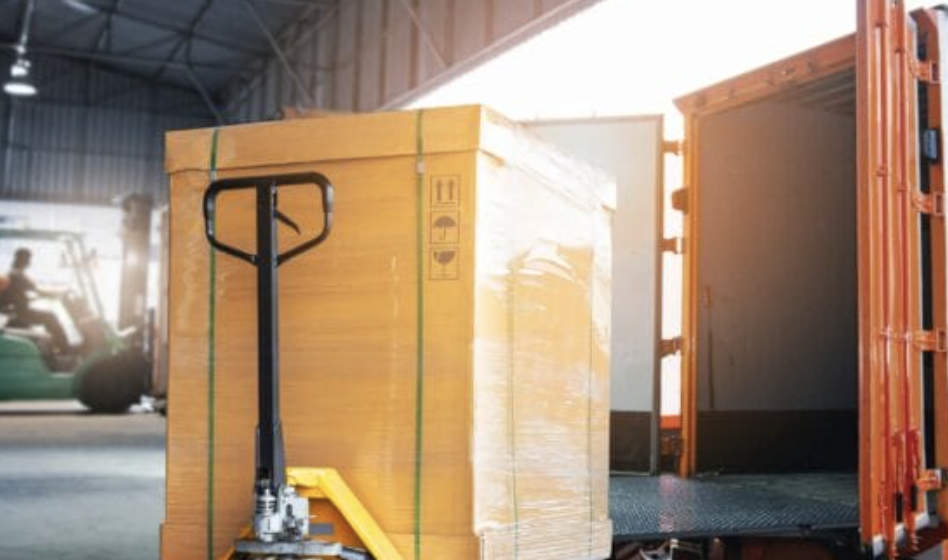
Many packaging failures only appear during transportation.
A container shipment may experience:
- vibration;
- stacking pressure;
- humidity;
- repeated handling;
- long-distance movement.
Testing helps simulate these conditions.
Carton drop testing
Drop testing checks whether packaging can survive impact.
It helps identify:
- weak carton corners;
- insufficient internal protection;
- product movement inside boxes.
This is especially important for fragile garden decorations.
Compression testing
Containers create stacking pressure.
Compression testing helps evaluate:
- carton strength;
- stacking limits;
- warehouse storage safety.
A carton that looks fine at the factory may fail under several layers of weight.
Transport simulation testing
Some products require more detailed checks.
Testing may include:
- vibration testing;
- moisture testing;
- stacking simulation;
- handling simulation.
These tests help identify hidden risks[^7].
Sample shipment testing
Before large production, suppliers can send samples using normal transportation methods.
This helps buyers check:
- actual delivery condition;
- packaging performance;
- product protection;
- customer experience.
Packaging inspection before loading
Before container loading, buyers should verify:
- carton condition;
- labels;
- protection materials;
- sealing quality;
- loading method.
Remote inspection is also possible through:
- photos;
- videos;
- third-party inspection services.
| Test type | Main purpose |
|---|---|
| Drop test | Check impact resistance |
| Compression test | Check stacking strength |
| Vibration test | Simulate transport |
| Moisture test | Prevent water damage |
| Trial shipment | Confirm real performance |
Packaging tests are a small investment compared with the cost of damaged international shipments.
Conclusion
Packaging mistakes can quietly increase shipping costs and reduce profitability. By improving carton design, choosing suitable materials, and testing before shipment, importers can achieve safer and more cost-efficient international transportation.
[^1]: "ADD ADVISORY BOARD PAPER", https://www.unitload.vt.edu/content/dam/unitload_vt_edu/graduate-research-and-subpages-pictures-and-docs/thesis-and-dissertations-/Hagedorn%20-%20ETD%20-%20The%20Effect%20of%20Pallets%20and%20Unitization%20on%20the%20Efficiency%20of%20Intercontinental%20Product%20Movement%20Using%20Ocean%20Freight%20Containers.pdf. Container-loading and palletization studies describe how package dimensions determine layer count, stack height, and cube utilization, supporting the claim that small dimensional reductions can sometimes permit an extra layer in a shipping container. Evidence role: mechanism; source type: paper. Supports: Reducing carton height by a few centimetres may allow additional layers inside a container.. Scope note: The effect depends on the specific carton, pallet, stacking constraints, container dimensions, and load-safety requirements.
[^2]: "Packaging Optimization Guide to Cut Supply Chain Costs", https://www.redwoodlogistics.com/insights/how-package-optimization-benefits-your-supply-chain. Research on packaging logistics and transport efficiency finds that optimizing package size and cube utilization can reduce shipping space, handling, and transport costs, providing contextual support for cost savings from packaging improvements at scale. Evidence role: general_support; source type: paper. Supports: Small packaging improvements can create significant savings in large-volume shipments.. Scope note: The source may support the general relationship between packaging optimization and logistics savings rather than quantify savings for the article’s specific products or shipment volumes.
[^3]: "Modeling of Collaborative Less-than-truckload Carrier …", https://www.purdue.edu/discoverypark/cav/nextrans/completed-projects/docs/Final%20Report%20042.pdf. Freight-rate and logistics cost studies commonly identify shipment volume, capacity utilisation, handling, and loading characteristics as cost drivers in transport pricing and total logistics cost analysis. Evidence role: general_support; source type: paper. Supports: Freight cost is often affected by carton volume, container utilisation, loading efficiency, and handling requirements.. Scope note: The source would support the cost-driver relationship in general logistics contexts, not necessarily every import shipment or carrier pricing model.
[^4]: "(PDF) Efficient Packaging Design in Logistics", https://www.academia.edu/53673987/Efficient_Packaging_Design_in_Logistics. Research on packaging logistics indicates that package dimensions and design affect pallet, container, and vehicle utilisation, which can increase transport and handling costs when packaging is inefficient. Evidence role: mechanism; source type: paper. Supports: A slightly cheaper product can create higher total costs if its packaging is inefficient.. Scope note: This supports the mechanism by which inefficient packaging can raise logistics costs; it does not by itself prove that a cheaper supplier will always have higher total landed cost.
[^5]: "Dimensional Weight Shipping Guide | Freight Industry Basics", https://www.fleetworks.ai/resources/dimensional-weight-shipping. Dimensional-weight pricing rules used in parcel shipping treat package volume as a chargeable factor, supporting the premise that oversized cartons can increase freight costs even when product weight is unchanged. Evidence role: mechanism; source type: government. Supports: Over-packaging can create increased freight cost by making cartons larger.. Scope note: This supports the pricing mechanism generally; actual freight impact depends on carrier rules, route, service level, and negotiated rates.
[^6]: "Containers and Packaging: Product-Specific Data", https://www.epa.gov/facts-and-figures-about-materials-waste-and-recycling/containers-and-packaging-product-specific. Government waste statistics on containers and packaging show that packaging materials constitute a substantial share of municipal solid waste, supporting the claim that using unnecessary packaging materials increases waste generation. Evidence role: statistic; source type: government. Supports: Over-packaging creates more waste.. Scope note: This provides contextual evidence about packaging waste overall, not a direct measurement of waste from the specific examples listed in the article.
[^7]: "The Problem with Distribution Package Testing", https://www.packagingdigest.com/supply-chain-logistics/the-problem-with-distribution-package-testing. Distribution-simulation testing is described in packaging standards and research as a way to expose product or package weaknesses under anticipated transport and handling conditions before shipment. Evidence role: mechanism; source type: research. Supports: These tests help identify hidden risks.. Scope note: This supports the general preventive purpose of such tests; it does not quantify how many hidden risks will be found in a specific product category.