
Production completion does not mean the shipment is ready to leave the factory. Between finished production and container loading, there are several important steps that determine shipment quality and delivery success.
The stage between production completion and container loading includes final quality inspection, product organisation, packaging confirmation, document preparation, and shipment risk control to ensure goods leave the factory correctly and safely.
For importers, this final stage is the last opportunity to identify problems before goods enter international transportation.
What Quality Checks Should Be Completed Before Shipment?
Before products are loaded into containers, a final quality check should confirm that goods match the approved samples, specifications, and purchase requirements.
Pre-shipment quality checks should verify product appearance, quantity, functionality, packaging condition, material quality, and compliance requirements before goods leave the factory.

A common mistake among importers is assuming that finished production automatically means acceptable quality.
In reality, problems can still appear after production is completed.
Final inspection helps identify issues before products become difficult or expensive to replace.
Appearance inspection
The first step is checking the overall appearance of finished products.
Inspectors usually check:
- colour consistency;
- surface finishing;
- scratches or damage;
- product shape;
- assembly quality;
- missing components.
For garden products, appearance is especially important because many items are sold directly to consumers.
Examples include:
- garden decorations;
- fence panels;
- trellises;
- bird feeders;
- outdoor clocks;
- Christmas decorations.
Small appearance defects can affect customer reviews and retail acceptance.
Quantity verification
Quantity checking is essential before loading.
The inspection should confirm:
- total production quantity;
- carton quantity;
- SKU quantity;
- mixed product quantities;
- spare parts or accessories.
Common mistakes include:
- missing cartons;
- incorrect SKU allocation;
- wrong colour quantities;
- incomplete sets.
A simple quantity checklist can prevent expensive problems.
| Check item | Purpose |
|---|---|
| Product quantity | Confirm order completion |
| Carton count | Prevent shortages |
| SKU verification | Avoid incorrect shipment |
| Accessories | Ensure complete sets |
| Labels | Match products and documents |
Functional testing
For products with moving parts or electrical components, functionality should be checked before shipment.
Examples:
- garden tools should operate correctly;
- solar lights should work;
- LED decorations should be tested;
- moving decorations should function properly.
Functional problems discovered after arrival create much higher costs[^1].
Packaging inspection
Packaging should also be inspected before loading.
Check:
- carton strength;
- internal protection;
- product positioning;
- labels;
- moisture protection.
Good packaging reduces:
- transport damage;
- warehouse complaints;
- customer returns.
Compliance confirmation
Before shipment, buyers should confirm any required compliance documents.
Depending on the product and market, this may include:
- material declarations;
- test reports;
- certificates;
- labeling requirements;
- environmental documentation.
A final quality check is the last opportunity to protect product value before international shipping begins.
How Are Finished Products Prepared and Organized for Loading?
After quality approval, finished products must be prepared and organised properly before entering the container.
Finished products should be sorted by SKU, counted, labelled, packed securely, and arranged according to a loading plan to improve efficiency and reduce damage during transportation.
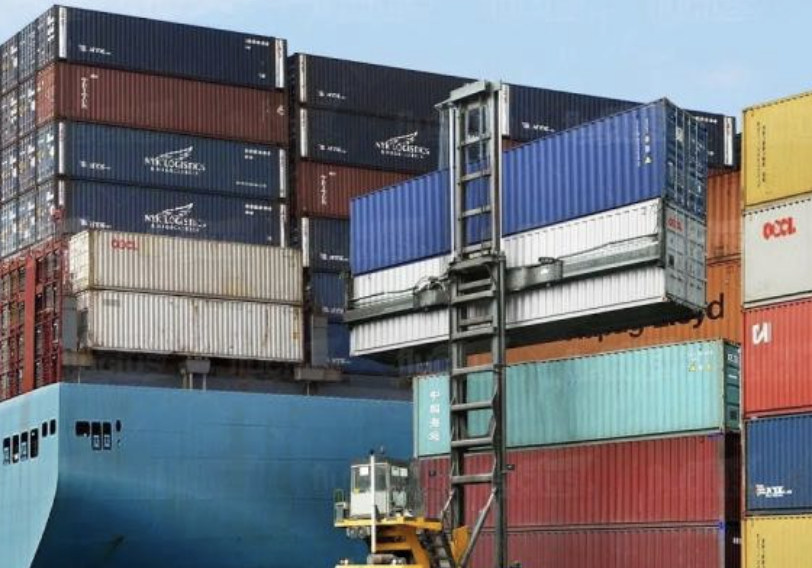
Container loading is not simply putting cartons into available space.
Good preparation before loading improves:
- loading speed;
- container utilisation;
- unloading efficiency;
- product protection.
Product sorting and grouping
Before loading, factories usually organise products by:
- model;
- size;
- colour;
- destination;
- customer order;
- carton number.
This prevents confusion during loading and unloading.
For mixed containers, proper organisation becomes even more important.
A shipment containing different products may include:
- multiple SKUs;
- different packaging formats;
- different carton sizes;
- different loading requirements.
Carton marking and identification
Each carton should have clear information.[^2]
Common carton markings include:
- product name;
- model number;
- quantity;
- carton number;
- customer information;
- country of destination[^3].
Clear labels help:
- warehouse teams;
- distributors;
- retailers;
- customs officers.
Container loading planning
Before loading starts, factories should consider:
- carton dimensions;
- product weight;
- stacking strength;
- unloading sequence;
- container capacity.
Heavy products should usually be placed at the bottom.
Fragile items should receive additional protection.
Large garden products often require special planning because of their size.
Examples:
- fence panels;
- trellis panels;
- artificial trees;
- large decorations.
Improving container utilisation
Good preparation helps maximise container space.
Methods include:
- flat packing;
- nested products;
- reducing unnecessary packaging volume;
- optimising carton sizes.
Better utilisation can reduce shipping costs per unit.
Final loading preparation checklist
| Preparation step | Purpose |
|---|---|
| SKU sorting | Prevent loading mistakes |
| Carton labels | Easy identification |
| Product counting | Confirm quantity |
| Loading plan | Improve container use |
| Protection materials | Reduce damage |
| Final arrangement | Support safe transport |
Proper preparation before loading helps ensure a smoother journey from factory to final destination.
What Documents and Shipping Details Need to Be Confirmed Before Loading?
Before the container is loaded and sealed, all shipping information should be checked carefully.
Before loading, buyers and suppliers should confirm commercial documents, container details, shipping schedules, product information, and customs-related requirements to avoid clearance delays and shipment errors.
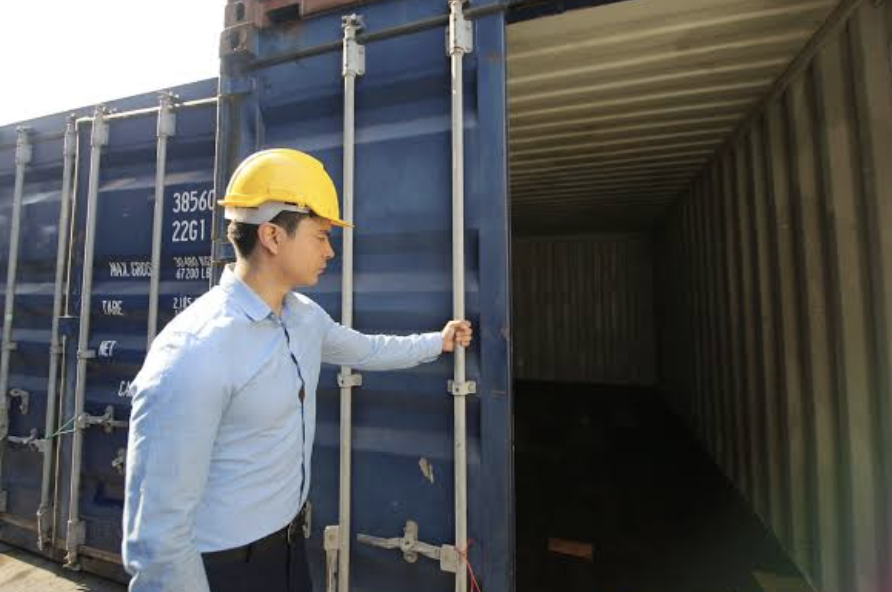
Documentation mistakes are one of the most common causes of import delays.
Even when products are manufactured correctly, incorrect paperwork can slow down the entire shipment.
Commercial documents
The main documents usually include:
- commercial invoice;
- packing list;
- sales contract;
- purchase order;
- certificate documents when required.
Information should match across all documents.
Important details include:
- product description;
- quantity;
- unit price;
- total value;
- supplier information;
- buyer information.
Container information
Before loading, confirm:
- container size;
- container number;
- loading date;
- seal number;
- shipping line;
- booking information.
The container condition should also be checked.
Look for:
- cleanliness;
- dryness;
- no unusual smell;
- no damage;
- no holes or leaks.
Shipping schedule confirmation
The supplier and buyer should confirm:
- vessel departure date;
- port of loading;
- estimated arrival date;
- shipping route;
- freight arrangements.
This is especially important for seasonal products[^4].
Examples:
- Christmas decorations;
- spring garden products;
- promotional items.
Late shipments may miss important sales periods.[^5]
Customs and import requirements
Before loading, buyers should confirm:
- HS codes;
- product descriptions;
- origin information;
- required certificates;
- destination regulations.
Incorrect information may result in:
- customs inspection;
- clearance delays;
- additional costs.
| Document/detail | Why it matters |
|---|---|
| Invoice | Customs valuation |
| Packing list | Cargo verification |
| HS code | Duty classification |
| Container details | Shipment tracking |
| Seal number | Cargo security |
| Shipping schedule | Inventory planning |
Accurate documents create a smoother connection between factory, shipping line, and customs.
How Can Buyers Control Risks During the Final Stage Before Shipment?
The period before container loading is the final control point for importers.
Buyers can reduce shipment risks by performing final inspections, monitoring loading activities, confirming documents, recording evidence, and maintaining clear communication with suppliers before the container leaves China.
Once the container is sealed and shipped, correcting problems becomes much more difficult.
This is why experienced buyers pay close attention to the final stage.
Conduct pre-shipment inspection
A final inspection can be completed by:
- buyer representatives;
- third-party inspection companies;
- factory quality teams.
The inspection should confirm:
- product quality;
- quantity;
- packaging;
- labels;
- documents.
For new suppliers or first orders, inspection is especially valuable.
Monitor container loading
Buyers do not always need to travel to China.[^6]
Remote supervision can include:
- loading photos;
- videos;
- live calls;
- container sealing records;
- loading reports.
Important things to check:
- correct products loaded;
- cartons not damaged;
- loading method is reasonable;
- container is properly sealed.
Keep shipment records
Good documentation helps solve future problems.
Keep:
- inspection reports;
- loading photos;
- product approval samples;
- supplier communication;
- shipping documents.
These records are useful for:
- quality claims;
- supplier evaluation;
- future orders.
Maintain supplier communication
The final stage requires cooperation.
Buyers should keep communication open regarding:
- production completion;
- inspection results;
- loading schedule;
- document preparation;
- shipment departure.
Clear communication reduces surprises.
Use a final shipment checklist
A simple checklist improves consistency.
| Final check | Completed |
|---|---|
| Product inspection completed | ✓ |
| Quantity confirmed | ✓ |
| Packaging approved | ✓ |
| Documents checked | ✓ |
| Container inspected | ✓ |
| Loading evidence collected | ✓ |
| Shipment released | ✓ |
A strong final process helps buyers reduce uncertainty before goods enter international transportation.
Conclusion
The time between production completion and container loading is a critical stage in international sourcing. Careful inspection, preparation, documentation, and risk control help ensure a successful shipment.
[^1]: "Why suppliers struggle to deliver defect-free products to buyers", https://www.emerald.com/jfmm/article/26/5/852/511244/Why-suppliers-struggle-to-deliver-defect-free. Cost-of-quality research distinguishes prevention and appraisal costs from internal and external failure costs, noting that defects found after delivery generally involve additional remediation, returns, warranty, or customer-service costs. Evidence role: mechanism; source type: paper. Supports: Functional problems discovered after arrival create much higher costs.. Scope note: The source would support the cost mechanism in general; the magnitude of additional cost depends on product type, contract terms, logistics, and warranty obligations.
[^2]: "EU – Labeling/Marking Requirements", https://www.trade.gov/country-commercial-guides/eu-labelingmarking-requirements. Packaging and logistics guidance commonly emphasizes that transport packages should carry clear identifying information to support handling, inventory control, and shipment traceability. Evidence role: general_support; source type: institution. Supports: Each carton should have clear information.. Scope note: The source may describe general packaging and logistics practice rather than mandate the exact wording for every carton type.
[^3]: "EU – Labeling/Marking Requirements", https://www.trade.gov/country-commercial-guides/eu-labelingmarking-requirements. Export and shipping guidance notes that outer packaging or shipping documents may include destination and consignee-related information to assist transport handling and customs processing. Evidence role: general_support; source type: government. Supports: Common carton markings include country of destination.. Scope note: Requirements vary by product, carrier, and destination country, so the source supports the practice contextually rather than proving it is universally required on every carton.
[^4]: "A Guide to Demand Forecasting in Supply Chain Management", https://haslam.utk.edu/gsci/news/guide-to-demand-forecasting-in-supply-chain/. A source on seasonal demand or inventory management supports that products with time-bound demand require closer coordination of supply and delivery timing because sales opportunities are concentrated in specific periods. Evidence role: general_support; source type: education. Supports: Confirming shipment details is especially important for seasonal products.. Scope note: This would provide contextual support for the importance of shipment coordination for seasonal goods, rather than proving the specific checklist items in this article.
[^5]: "Supply chain crisis: How it’s impacting holiday shopping", https://www.wmtw.com/article/navigate-the-supply-chain-crisis-this-holiday/38366669. Research on retail logistics and perishable or seasonal inventory supports that delayed replenishment can reduce sales when demand is concentrated in a short selling window. Evidence role: mechanism; source type: paper. Supports: Late shipments may miss important sales periods.. Scope note: The evidence is likely to support the general mechanism between late delivery and lost sales opportunities, not each listed product category specifically.
[^6]: "IAF MD 4:2025, Issue 3", https://iaf.nu/iaf_system/uploads/documents/IAF_MD_4_Issue_3_30012025.pdf. International Accreditation Forum guidance recognizes that information and communication technology can be used for remote assessment activities such as document review, interviews, and observation, supporting the general feasibility of remote oversight when on-site presence is not essential. Evidence role: general_support; source type: institution. Supports: Buyers can sometimes supervise or verify shipment-related activities remotely instead of traveling in person.. Scope note: This supports the broader principle of remote assessment rather than proving that every China loading supervision case can be handled remotely.