I’ve tried enough bird control “hacks” to know the truth: birds are smart, and lazy solutions stop working fast.
The bird control solutions that actually work are the ones that stay unpredictable or physically block access: netting for crops, reflective motion deterrents, decoy rotation, motion sprinklers, and simple habitat cleanup. The best results come from combining two methods, not betting on one.
Let’s get into what works in real gardens.
Why Bird Control Has Become More Important for Modern Gardens
Modern gardens are more food-rich and more visible—bird pressure rises when plants, feeders, and compost make gardens feel like easy restaurants.
Bird control is more important today because more people grow edible plants, gardens are smaller and closer together, and birds adapt quickly to static deterrents. Even light bird activity can damage seedlings, fruit, and outdoor cleanliness in a short time.
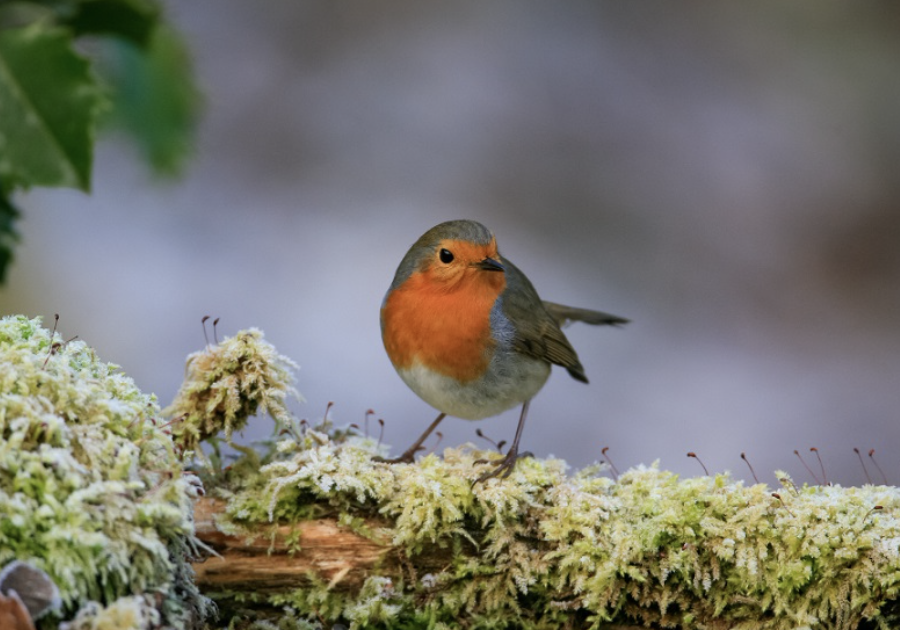
A few years ago, many people only cared about birds as “cute visitors.”
Now they’re growing:
- strawberries
- tomatoes
- herbs
- seedlings
- berry bushes
And birds don’t taste-test politely. They take a bite and leave the rest.
1) Small gardens make damage feel bigger
In a large farm, one peck is nothing.
In a small garden, one peck can destroy your best tomato.
That’s why modern gardeners feel bird damage more emotionally.
2) Cities and suburbs create “safe zones” for birds
Birds often thrive where:
- predators are fewer[^1]
- food sources are regular
- people unintentionally feed them[^2]
That means you can get persistent bird visits.
3) Bird habits are getting stronger
When birds learn your garden is safe and full of food, they return every day.
So control is not only stopping damage—it’s breaking the habit.
Quick problem table
| Modern garden habit | What it causes |
|---|---|
| edible planting trend | more bird interest |
| small gardens | damage feels bigger |
| consistent food sources | birds return daily |
| static deterrents | birds adapt quickly |
That’s why the best solutions focus on blocking access and changing patterns.
Top Bird Deterrent Products That Help Protect Plants and Outdoor Spaces
Here are 10 solutions that actually work—not because they’re fancy, but because they create real discomfort or real barriers.
The most effective bird deterrents include netting, reflective motion tools, motion sprinklers, rotating predator decoys, spike strips for perches, bird-proof mesh covers, and habitat cleanup. The best approach is usually a combination of two methods.
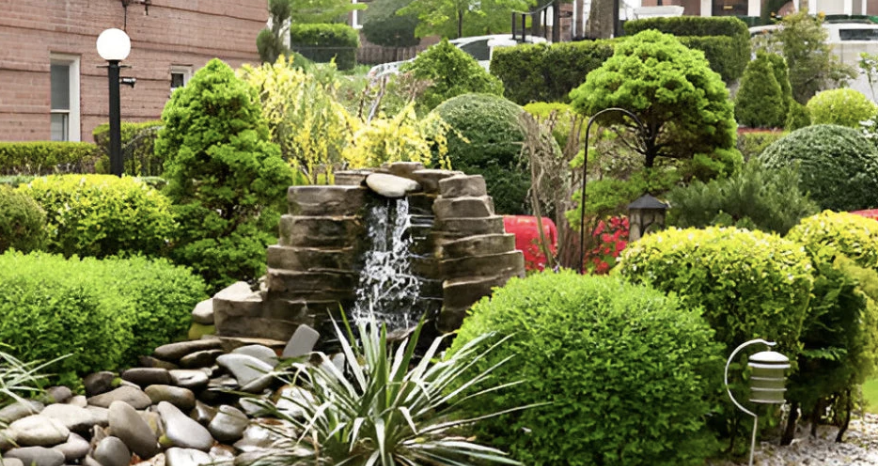
Top 10 Bird Control Solutions for Gardens That Actually Work
1) Garden netting (the most reliable for crops)
If you grow fruit or seedlings, netting is the closest thing to “guaranteed.”
Snippet: Netting works because it blocks access, not just behavior. Use it during ripening weeks and remove when not needed.
2) Reflective tape or reflective ribbons
Cheap, simple, and surprisingly effective—especially when it moves in the wind.
Snippet: Hang reflective tape where birds approach. The flashing light and motion make landing feel unsafe.
3) Wind spinners / pinwheels / reflective discs
These work by constant movement and changing light angles.
Snippet: Movement is the secret. Choose designs that move even in light wind.
4) Motion-activated sprinklers
One of the best “shock” deterrents—birds hate surprise water.
Snippet: Motion sprinklers train birds fast: “this place reacts.” Great for lawns and beds near entry paths.
5) Rotating predator decoys (owl/hawk/eagle)
Decoys can help—if you treat them like a rotating tool.
Snippet: Place decoys high and visible, then move them every few days. Static decoys become garden decorations.
6) Bird spikes for fences and ledges (humane perch control)
Spikes don’t harm birds when designed correctly—they prevent comfortable landing.
Snippet: Use spikes on favorite perches: fence corners, roof edges, and beams. Birds leave when they can’t land.
7) Fruit protection bags / mesh covers
Perfect for small fruit clusters like grapes, figs, or berries.
Snippet: Cover the fruit, not the whole plant. It’s targeted protection with low visual clutter.
8) Bird deterrent gel lines or perch blockers (perch discomfort)
These are used more in commercial areas[^3], but some gardens use them on ledges.
Snippet: Only use products that are humane and safe, and follow local rules[^4]. The goal is discomfort, not harm.
9) Habitat cleanup (remove the buffet)
This is not a “product,” but it’s one of the strongest solutions.
Snippet: Remove food triggers: open compost, spilled feed, uncovered trash, and standing water. Less reward = fewer visits.
10) Rotation strategy (the real “system”)
This is the one most people skip—and then they say nothing works.
Snippet: Rotate deterrents weekly: decoy + reflective one week, netting next, sprinkler next. Birds adapt slower when rules change.
Quick solution summary table
| Solution | Best for | Why it works |
|---|---|---|
| netting | fruit/seedlings | blocks access |
| reflective tape | small gardens | light + motion |
| wind spinners | patios/edges | continuous movement |
| motion sprinklers | lawns/beds | surprise reaction |
| predator decoys | perches/trees | fear signal (short-term) |
| bird spikes | ledges/fences | prevents landing |
| fruit bags | clusters/trees | targeted barrier |
| perch blockers | ledges | discomfort |
| habitat cleanup | all gardens | removes motivation |
| rotation plan | all gardens | prevents adaptation |
If you want a simple plan, I often recommend two methods minimum: one barrier + one motion deterrent.
How to Choose the Right Bird Control Solution for Different Garden Types
Different gardens have different problems. The best method matches the space and the bird behavior.
Choose bird control based on your garden type: use netting and fruit bags for edible gardens, reflective motion tools for patios and small beds, spikes for ledges and fences, and sprinklers for entry zones. In most cases, combine a barrier method with a motion method.
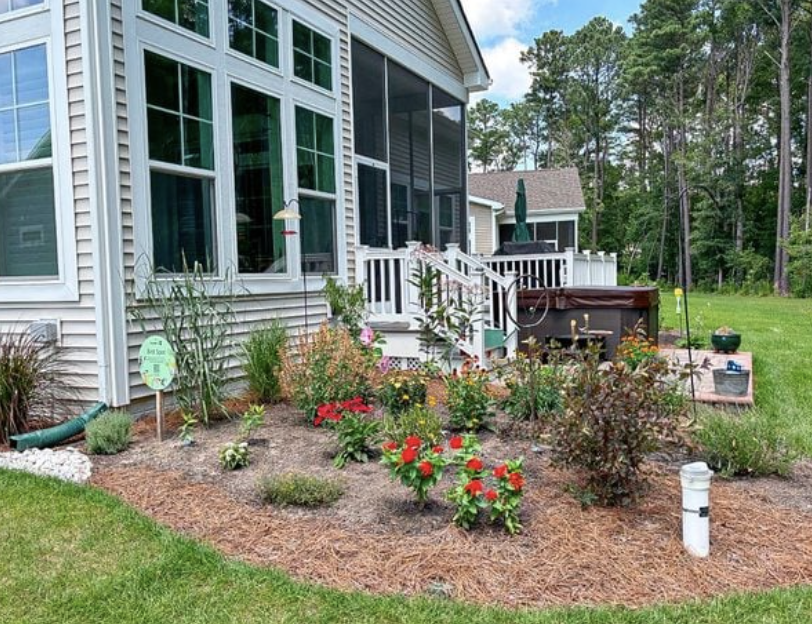
Here’s the easiest way to choose: focus on the “damage zone.”
1) Edible gardens (fruit, berries, seedlings)
Best options:
- netting over beds
- fruit bags/mesh covers
- rotation with reflective items
Why: birds come for food, and barriers stop them physically.
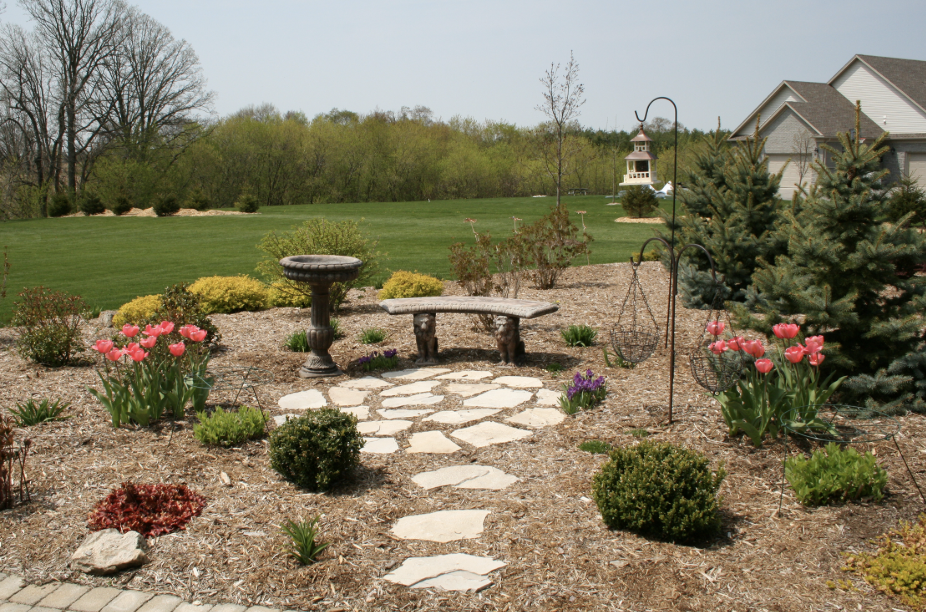
2) Decorative gardens (flowers, lawns, patio spaces)
Best options:
- wind spinners[^5]
- reflective tape
- decoy rotation[^6]
- motion sprinklers (if appropriate)
Why: you’re managing behavior more than protecting a single crop.
3) Balconies and small patios
Best options:
- reflective tape/discs
- small spikes on railing edges (if safe and allowed)
- compact netting in key spots
Why: space is tight, so compact solutions work better.
4) Fence/roof edge perching problems
Best options:
- spikes or perch blockers
- decoy rotation as support
- reflective movement near perches
Why: if birds can’t land comfortably, they leave.
Garden type matching table
| Garden type | Best combo | Why |
|---|---|---|
| edible garden | netting + reflective | barrier + motion |
| flower/lawn | spinner + sprinkler | movement + surprise |
| balcony | reflective + targeted net | compact and effective |
| ledges/perches | spikes + decoy rotation | blocks landing + fear cue |
If you want to simplify it, I use a basic rule: block the food, disturb the landing.
Why Humane and Eco-Friendly Bird Control Solutions Are Growing in Popularity
People want to protect plants without harming wildlife—and many markets also have rules and neighbor pressure to stay humane.
Humane bird control is growing because homeowners prefer non-lethal methods, communities dislike noisy or harmful solutions, and sustainable gardening values are rising. Barriers, motion deterrents, and habitat management protect crops while respecting wildlife.
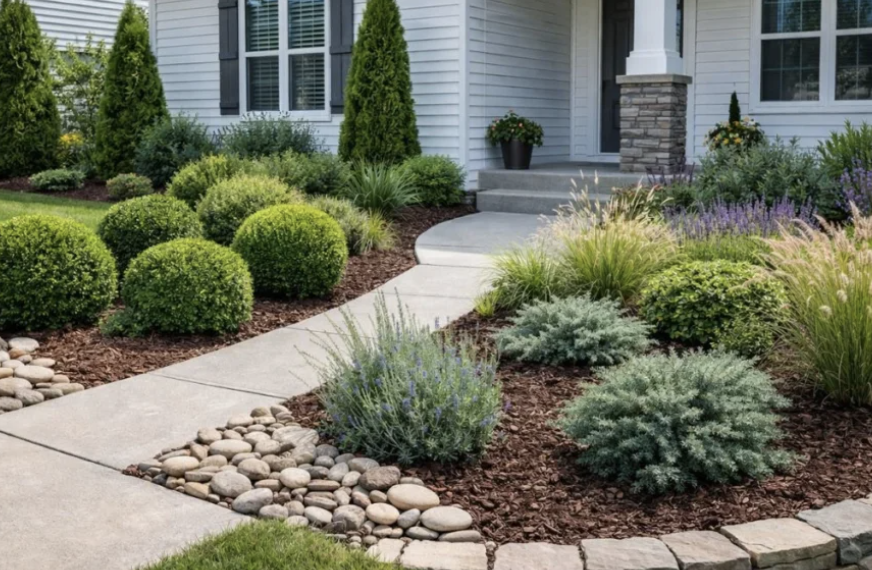
This trend is not only “ethical.” It’s practical.
Harsh methods create problems:
- legal risk
- neighbor complaints
- brand reputation issues
- ecosystem impact
Humane methods keep things calmer.
1) Barriers are humane and effective
Netting and fruit bags don’t hurt birds. They simply prevent access.
That’s why they are the first choice for many gardeners.
2) Motion deterrents reduce reliance on harm
Reflective tape, spinners, and sprinklers:
- annoy birds
- interrupt habits
- push them elsewhere
No injury needed.
3) Habitat cleanup is the most sustainable
If you remove rewards, you reduce visits long-term.
It’s simple:
- cover compost
- secure trash
- clean spilled feed
- manage standing water
4) “Rotation thinking” is replacing “one product magic”
Humane control works best as a system[^7]:
- rotate tools
- use targeted barriers when needed
- apply pressure only in key seasons
This reduces waste and stress for both humans and wildlife[^8].
Humane approach table
| Humane method | Why it’s popular |
|---|---|
| netting and fruit bags | reliable and non-lethal |
| reflective movement | cheap and gentle |
| sprinklers | effective training without harm |
| habitat cleanup | long-term sustainable |
| rotation system | stops adaptation |
If you want a simple customer message, I like: protect plants, respect wildlife.
Conclusion
Bird control works best when you block access and stay unpredictable—use humane barriers, add motion deterrents, and rotate methods so birds can’t adapt.
[^1]: "The Role of Predators in Shaping Urban Bird Populations: 1. Who …", https://ui.adsabs.harvard.edu/abs/2022BioBu..49.1057M/abstract. Urban ecology research documents that some bird species can occur at higher densities in human-modified habitats where predation pressure is reduced, supporting predator scarcity as one contextual factor in bird persistence. Evidence role: mechanism; source type: paper. Supports: Birds often thrive where predators are fewer.. Scope note: This support is species- and habitat-dependent; reduced predators do not benefit all bird species equally.
[^2]: "Not just trash birds: Quantifying avian diversity at landfills using …", https://pmc.ncbi.nlm.nih.gov/articles/PMC8476020/. Studies of urban birds and anthropogenic food resources show that refuse, spilled grain, and other human-provided foods can subsidize bird populations, providing contextual support for unintentional feeding as a driver of repeated bird visits. Evidence role: mechanism; source type: paper. Supports: Birds often thrive where people unintentionally feed them.. Scope note: The evidence generally supports anthropogenic food subsidies as a mechanism; it may not prove that every local bird visit is caused by unintentional feeding.
[^3]: "Controlling Birds Around Farm Buildings – Penn State Extension", https://extension.psu.edu/controlling-birds-around-farm-buildings/. Guidance from wildlife-control or extension sources describes physical bird deterrents such as spikes, wires, and netting as common exclusion tools for buildings and other built environments, supporting the contextual claim that these products are often associated with commercial or structural settings. Evidence role: general_support; source type: education. Supports: These deterrent products are used more in commercial areas.. Scope note: The source may describe typical use contexts rather than quantify commercial versus residential adoption.
[^4]: "Animal Control & Wildlife Safety | City of Glendale, CA", https://www.glendaleca.gov/residents/animal-services-wildlife-safety. Government wildlife agencies note that bird-control measures may be subject to wildlife-protection laws and local regulations, supporting the need to check applicable rules before using deterrent products. Evidence role: expert_consensus; source type: government. Supports: Users should follow local rules when using humane bird deterrent products.. Scope note: Specific legal requirements vary by jurisdiction and species, so the source provides general regulatory context rather than location-specific legal advice.
[^5]: "Nonlethal bird deterrent strategies: How to reduce fruit crop losses in …", https://extension.oregonstate.edu/catalog/em-9286-nonlethal-bird-deterrent-strategies. Extension guidance on wildlife and bird deterrence describes visual scare devices such as reflective or moving objects as methods that can reduce nuisance activity by exploiting animals’ aversion to novel motion and light. Evidence role: mechanism; source type: education. Supports: Wind spinners are a plausible deterrent option for managing nuisance animal or bird behavior.. Scope note: Such sources generally note that effectiveness varies by species and that animals may habituate without changes in placement or use.
[^6]: "[PDF] Use of frightening devices in wildlife damage management", https://digitalcommons.unl.edu/context/icwdm_usdanwrc/article/1221/viewcontent/Gilsdorf_IPMR_2003_Use_of_frightening.pdf. Wildlife-management guidance commonly states that scare devices and predator decoys are more effective when moved or varied because repeated exposure can lead to habituation. Evidence role: mechanism; source type: government. Supports: Rotating decoys is a useful behavior-management tactic because animals can habituate to stationary deterrents.. Scope note: This supports the rationale for rotation in general deterrence programs, not proof that any specific decoy will work in every setting.
[^7]: "Integrated Pest Management: An Update on the Sustainability … – PMC", https://pmc.ncbi.nlm.nih.gov/articles/PMC11465254/. Integrated pest management literature describes effective control as a coordinated system that combines monitoring, exclusion, habitat modification, and targeted interventions rather than relying on a single tactic. Evidence role: expert_consensus; source type: government. Supports: Humane control works best as a system.. Scope note: This supports the general principle of integrated control; it does not prove that every humane wildlife-control program will perform best in all settings.
[^8]: "Science Institute News | human wildlife conflict", https://wildlife.ca.gov/Science-Institute/News/tag/human-wildlife-conflict. Research and institutional guidance on integrated pest and wildlife management indicate that preventive, targeted, and nonlethal methods can reduce unnecessary interventions and may lessen human-wildlife conflict and animal distress compared with indiscriminate control. Evidence role: general_support; source type: research. Supports: Using rotating tools, targeted barriers, and seasonal pressure reduces waste and stress for both humans and wildlife.. Scope note: The evidence is likely to be contextual and practice-based; measured reductions in waste or stress may vary by species, site, season, and implementation quality.