
For overseas buyers, product inspection in China is an important step to protect quality, reduce risks, and ensure suppliers deliver according to expectations.
A reliable third-party inspection company in China helps buyers verify product quality, monitor supplier performance, identify problems before shipment, and make better purchasing decisions with independent inspection reports.
Choosing the right inspection partner is just as important as choosing the right supplier.
Why Do Buyers Need a Third-Party Inspection Company in China?
Third-party inspection companies provide independent quality checks between suppliers and buyers.
Buyers need third-party inspection companies in China because they provide unbiased quality verification, reduce supplier risks, prevent shipment problems, and give overseas companies better control over imported goods.
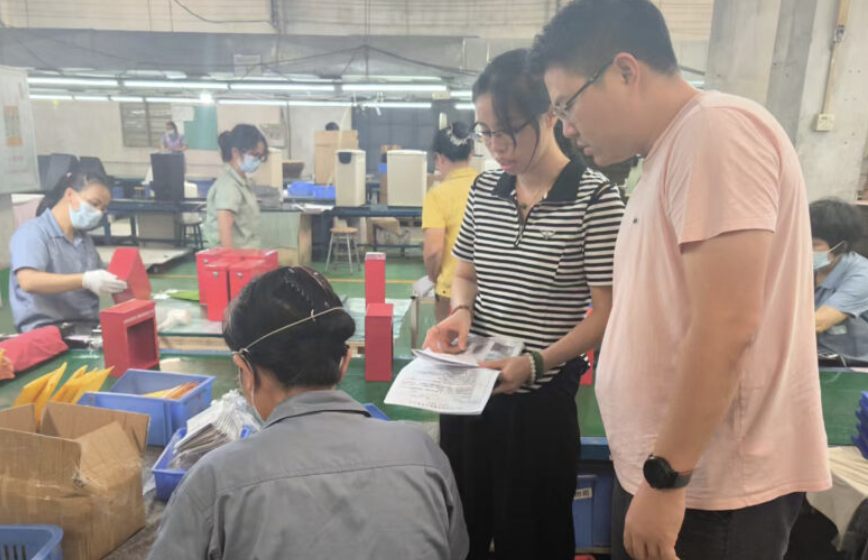
When buying from China, many overseas buyers face challenges such as:
- long-distance communication;
- different quality expectations;
- language barriers;
- limited factory visibility;
- large production quantities.
A third-party inspector acts as an independent quality partner.
Reducing supplier quality risks
Even experienced suppliers can have production problems.
Common issues include:
- incorrect materials;
- inconsistent product quality;
- missing components;
- poor packaging;
- quantity shortages;
- production deviations.
A third-party inspection before shipment allows buyers to discover these issues before goods leave China.
Once products arrive at the destination country, solving quality problems becomes much more expensive.
Providing an independent opinion
One of the biggest advantages of third-party inspection is independence[^1].
The inspector does not represent:
- the factory;
- the buyer’s purchasing team;
- the logistics company.
Instead, they provide an objective assessment based on agreed inspection standards.
This helps buyers make decisions based on facts rather than supplier promises.
Improving supplier management
Inspection reports also help buyers evaluate suppliers over time.
By comparing inspection results, buyers can understand:
- which suppliers maintain stable quality;
- which factories need improvement;
- which products require more attention;
- whether corrective actions are effective.
This creates a stronger sourcing strategy.
Protecting large and complex orders
Third-party inspection is especially useful for:
- first orders;
- large-volume shipments;
- custom products;
- seasonal products;
- private label projects.
For example, garden product importers may need inspections for:
- fence panels;
- trellises;
- bird feeders;
- outdoor decorations;
- Christmas products.
Supporting international compliance
Different markets have different requirements.
Inspection companies can help check:
- product specifications;
- labels;
- packaging;
- materials;
- basic compliance requirements.
This reduces the chance of customs or retail problems.
| Buyer challenge | How inspection helps |
|---|---|
| Supplier uncertainty | Independent verification |
| Quality differences | Product checking |
| Large orders | Risk reduction |
| Remote purchasing | Factory visibility |
| Compliance concerns | Documentation support |
A good inspection company gives buyers confidence before products leave the factory.
What Should You Check When Selecting an Inspection Company?
Not all inspection companies provide the same level of service. Buyers should evaluate experience, inspection methods, communication ability, and industry knowledge before choosing a partner.
When selecting a third-party inspection company in China, buyers should check industry experience, inspector qualifications, inspection coverage, reporting standards, communication speed, and the company’s reputation.

Choosing an inspection company only based on price can create problems.
A low-cost inspection service may provide limited checking or incomplete reports.
Industry experience matters
Different products require different inspection knowledge.
A good inspection company should understand the product category.
For example:
Garden products
- material quality;
- outdoor durability;
- surface treatment;
- assembly structure.
Electrical products
- safety markings;
- functional testing;
- electrical performance.
Textile products
- fabric quality;
- stitching;
- colour consistency.
An inspector familiar with the product can identify problems more effectively.
Check inspector qualifications
A professional inspection company should have:
- trained inspectors[^2];
- clear inspection procedures;
- quality control systems;
- experienced local teams.
The inspector should understand:
- sampling methods[^3];
- product specifications;
- defect classification;
- reporting requirements.
Evaluate inspection coverage
Before cooperation, buyers should ask:
What exactly will be checked?
A complete inspection may include:
- quantity verification;
- visual inspection;
- measurement checking;
- function testing;
- packaging inspection;
- label verification;
- loading supervision.
A vague inspection package may not provide enough protection.
Review service flexibility
Good inspection companies should support different requirements.
Examples:
- pre-production inspection;
- during-production inspection;
- final random inspection;
- container loading inspection;
- factory audit.
Different projects need different inspection stages.
Communication quality
Good communication is essential.
A professional inspection company should provide:
- fast responses;
- clear explanations;
- organised reports;
- useful photos;
- practical recommendations.
| Selection factor | Why it matters |
|---|---|
| Product experience | Better problem identification |
| Qualified inspectors | More reliable results |
| Inspection scope | Complete quality control |
| Communication | Faster problem solving |
| Flexible service | Suitable for different projects |
| Reporting standard | Easier decision-making |
The right inspection partner should provide professional support instead of only a checklist.
How Can You Evaluate the Quality and Reliability of Inspection Reports?
An inspection report is valuable only when it provides accurate, clear, and useful information.
Reliable inspection reports should include detailed findings, clear photos, inspection criteria, defect descriptions, measurements, test results, and practical recommendations for buyers.
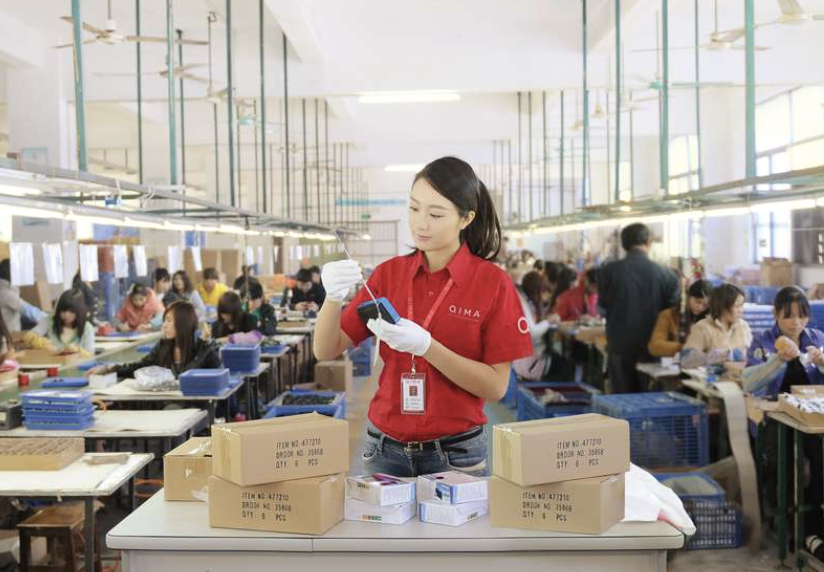
A good inspection report helps buyers answer important questions:
- Is the shipment acceptable?
- What problems exist?
- How serious are the defects?
- What actions should the supplier take?
Clear inspection standards
A professional report should explain:
- what was inspected;
- how products were selected;
- what standards were used;
- what acceptance criteria applied.
Without clear standards, inspection results may become subjective.
Detailed product information
A reliable report should include:
- product name;
- model number;
- order quantity;
- inspection date;
- factory information;
- inspector details.
This creates traceability.
Useful photos and evidence
Photos are an important part of inspection reports.[^4]
Good reports should include images showing:
- overall product condition;
- defects[^5];
- packaging;
- labels;
- measurements;
- testing process.
A photo should explain the issue clearly, not just decorate the report.
Defect classification
Professional inspection reports usually classify defects.
Examples:
Critical defects
- safety problems;
- missing essential parts;
- serious functional failures.
Major defects
- important quality issues affecting use.
Minor defects
- small appearance issues.
This helps buyers decide whether the shipment is acceptable.
Practical recommendations
A good inspection company does more than report problems.
It should help buyers understand:
- whether shipment approval is recommended;
- what corrections are needed;
- whether re-inspection is necessary.
Report consistency
Buyers should compare reports over time.
A reliable inspection company should maintain consistent standards between:
- different inspectors;
- different factories;
- different shipments.
| Report feature | Importance |
|---|---|
| Inspection criteria | Objective evaluation |
| Product details | Traceability |
| Photos | Visual evidence |
| Defect classification | Decision support |
| Recommendations | Problem solving |
| Consistency | Long-term reliability |
A strong inspection report transforms quality information into practical business decisions.
What Are the Common Mistakes When Choosing a Third-Party Inspection Partner?
Many buyers make mistakes when selecting inspection companies, especially when focusing only on price or speed.
Common mistakes include choosing the cheapest service, ignoring product experience, failing to review sample reports, and not confirming inspection methods before starting cooperation.

The wrong inspection partner may create false confidence.
A poor inspection process can be almost as risky as having no inspection.
Choosing only based on price
The cheapest inspection service may not provide the best value.
Low prices may mean:
- limited inspection time;
- fewer photos;
- less detailed reports;
- inexperienced inspectors;
- limited product knowledge.
Quality control should be viewed as risk prevention, not just an expense.
Not checking industry experience
A general inspector may not understand specialised products.
For example, inspecting a garden fence, electronic product, or mechanical tool requires different knowledge.
Always check whether the inspection company understands your product category.
Accepting unclear inspection procedures
Before cooperation, buyers should confirm:
- inspection scope;
- sampling method;
- defect standards;
- report format;
- delivery time.
Unclear procedures often create disagreements later.
Not reviewing sample reports
Before hiring an inspection company, buyers should request examples[^6].
Review:
- report structure[^7];
- photo quality;
- level of detail;
- defect descriptions;
- recommendations.
A sample report reveals the company’s actual working style.
Using inspection only after problems happen
Inspection works best as prevention.
Some buyers only use inspectors after receiving defective goods.
A better approach is:
- inspect new suppliers;
- check first shipments;
- monitor important orders;
- review supplier performance regularly.
Ignoring communication quality
Inspection requires cooperation.
If communication is slow or unclear, problems may not be solved quickly.
| Mistake | Possible result |
|---|---|
| Choosing lowest price | Poor inspection quality |
| No product experience | Missed defects |
| No procedure agreement | Different expectations |
| No sample report review | Unexpected service quality |
| Inspection too late | Higher correction cost |
Choosing the right inspection partner helps buyers turn quality control into a competitive advantage.
Conclusion
A reliable third-party inspection company in China helps overseas buyers reduce risks, improve supplier control, and make better sourcing decisions. The right partner provides accurate inspections, clear reports, and long-term quality support.
[^1]: "Understanding ISO/IEC 17020 Outline Independence and …", https://www.iasonline.org/wp-content/uploads/2021/01/Tab-2-02-Chapter-2-Program-Integrity.pdf. ISO/IEC 17020 defines requirements for inspection bodies, including impartiality and independence, and distinguishes independent third-party inspection bodies from parties involved in design, manufacture, supply, installation, use, or maintenance. Evidence role: definition; source type: institution. Supports: One of the biggest advantages of third-party inspection is independence.. Scope note: This supports the standards-based meaning of inspection-body independence rather than proving that every commercial third-party inspector is independent in practice.
[^2]: "ISO/IEC 17020:2026 – Conformity assessment", https://www.iso.org/standard/17020. ISO/IEC 17020 sets competence, training, supervision, and impartiality requirements for bodies performing inspections, supporting the view that professional inspection services should rely on qualified personnel within a controlled management system. Evidence role: expert_consensus; source type: institution. Supports: A professional inspection company should have trained inspectors.. Scope note: The standard defines requirements for inspection bodies generally and does not prescribe qualifications for every specific product category.
[^3]: "ISO 2859-1", https://chemistry.unt.edu/~tgolden/courses/iso2859-1.pdf. ISO 2859 describes acceptance sampling procedures for inspection by attributes, providing a recognized framework for how inspectors select and evaluate samples in quality inspection contexts. Evidence role: mechanism; source type: institution. Supports: The inspector should understand sampling methods.. Scope note: ISO 2859 applies to attribute-based acceptance sampling and may not cover all sampling approaches used for every product or inspection objective.
[^4]: "Digital Camera Guidance for EPA Civil Inspections and …", https://nepis.epa.gov/Exe/ZyPURL.cgi?Dockey=P1009YP5.TXT. Guidance on inspection and audit documentation commonly treats photographic records as supporting evidence that can substantiate observed conditions and findings in a report. Evidence role: general_support; source type: institution. Supports: Photos are an important part of inspection reports.. Scope note: This supports the general role of photographs in inspection documentation, but it may not prescribe photo use for every product-inspection context.
[^5]: "2026 – Track and Structures Compliance Manual", https://railroads.dot.gov/sites/fra.dot.gov/files/2026-03/Track_Structures_CM_2026_Vol_I_Ch2_Field_Reporting_Procedures_and_Forms.pdf. Quality inspection and nonconformity documentation guidance generally requires observed defects or nonconformities to be recorded with sufficient objective evidence, and photographs are often used to document their appearance and location. Evidence role: mechanism; source type: institution. Supports: Good inspection reports should include images showing defects.. Scope note: The source may support documenting nonconformities with objective evidence rather than requiring photographs specifically for all defects.
[^6]: "How to Choose a Home Inspector", https://www.consumerreports.org/home-inspections/how-to-choose-a-home-inspector-a7413938402/. Consumer home-inspection guidance commonly advises buyers to ask prospective inspectors for a sample report so they can assess what information is documented before hiring; this supports the selection practice, though it does not prove that every sample report is representative of future work. Evidence role: expert_consensus; source type: institution. Supports: Before hiring an inspection company, buyers should request examples.. Scope note: Supports the practice in general consumer guidance rather than empirically measuring inspection outcomes.
[^7]: "What Consumers Should Know About Texas Property … – TREC", https://www.trec.texas.gov/article/what-consumers-should-know-about-texas-property-inspections. Home-inspection standards of practice describe the inspection report as a written document identifying inspected systems, observed deficiencies, and recommendations or limitations; this provides contextual support for evaluating a sample report’s structure and detail, but it does not establish a universal format for all inspectors. Evidence role: general_support; source type: institution. Supports: Buyers should review the report structure, photo quality, level of detail, defect descriptions, and recommendations in a sample inspection report.. Scope note: Contextual support only; standards define typical report contents but may vary by jurisdiction or professional association.