I’ve seen animal decoys work like magic for a week… and then birds start acting like the decoy is just another garden ornament. So yes—decoys can protect gardens and farms, but only when you use them the right way.
Animal decoys work best when they feel unpredictable: choose the right predator type, place it where birds approach and land, move it regularly, and combine it with simple deterrents like reflective items or netting. “Set and forget” is the fastest way to fail.
Here’s how to make decoys actually earn their place outdoors.
Why Predator Decoys Naturally Scare Birds Away
Birds don’t need to be attacked to feel fear. They only need to believe the risk is real.
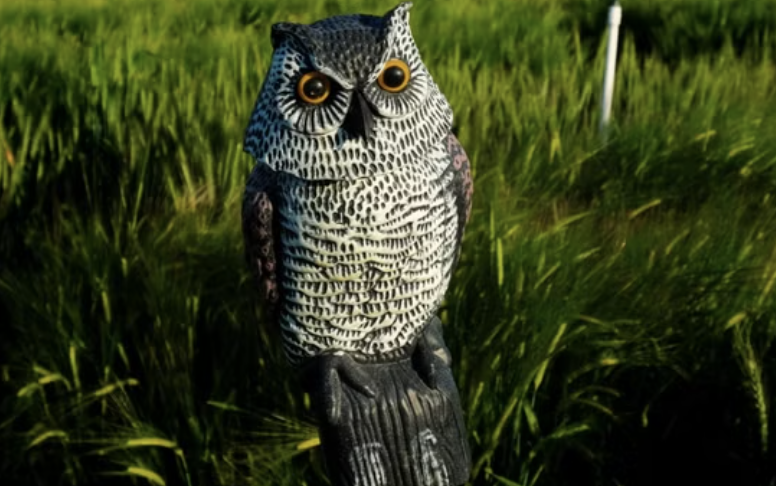
Predator decoys scare birds away by triggering instinctive danger responses. Shapes like owls, hawks, eagles, and snakes signal “this area is unsafe,” which can reduce perching, feeding, and nesting—especially during the first days of use.
Think of it like this:
If you see a police car parked outside, you behave differently—even if it’s empty.
Birds do the same thing with predators.
1) Birds scan for threats every time they land
Most nuisance birds are always checking:
- the sky
- tree perches
- fence tops
- corners near food
A predator silhouette changes their decision-making.
They hesitate. They pick another spot.
2) The “first impression” is the strongest
In many gardens and farms, decoys work best in the first week[^1] because birds haven’t tested the area yet.
But once they learn:
- it never moves
- it never attacks
- nothing bad happens
…the fear drops[^2].
That’s why unpredictability is everything.
3) Predators work better than human-shaped scare tools
Old scarecrows can help, but predators match bird instincts more directly.
Owls and hawks are not “symbols.”
They are real threats in nature.
4) Different birds react differently
Some birds adapt faster (crows, pigeons).
Some stay cautious longer (many small garden birds).
So decoys aren’t “one-size-fits-all.” You match them to the pressure level and species.
Fear-trigger summary table
| What scares birds | Why it works |
|---|---|
| predator silhouette | recognized threat shape |
| visible eyes/face | “I’m being watched” signal |
| elevated placement | predator hunting behavior |
| movement | feels alive and risky |
| change over time | stops birds from adapting |
If your decoy doesn’t change anything in the environment, birds won’t change either.
Choosing the Best Animal Decoys for Different Outdoor Areas
The best decoy depends on where you’re protecting, what birds you’re fighting, and how much effort you can maintain.
Choose owl decoys for gardens and tree/perch areas, hawk/eagle decoys for open fields and farms, and snake decoys for ground-level beds. Use larger, more visible decoys in commercial spaces, and prioritize wind-motion features when you can.
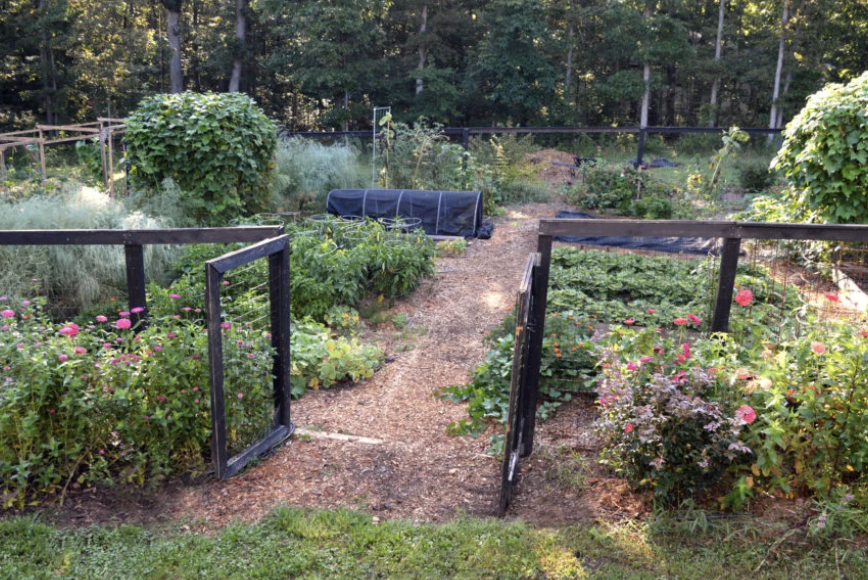
I like to keep selection simple: match decoy type to the “battlefield.”
1) Home gardens and patios
Best decoys:
- owl decoy (especially with wind motion)
- small hawk-style decoy for open gardens
Why:
- gardens often have fences and trees (natural perches)
- birds approach at medium distance
- the space is smaller, so one decoy can influence a lot
2) Vegetable beds and seedling areas (ground-level)
Best decoys:
- snake decoy (moved frequently)
- low-profile predator signs
Why:
- many birds feed near the ground
- a ground threat changes landing confidence
But don’t leave the snake in one spot. Birds learn quickly.
3) Orchards, vineyards, and open farms
Best decoys:
- hawk or eagle decoys (larger silhouette)
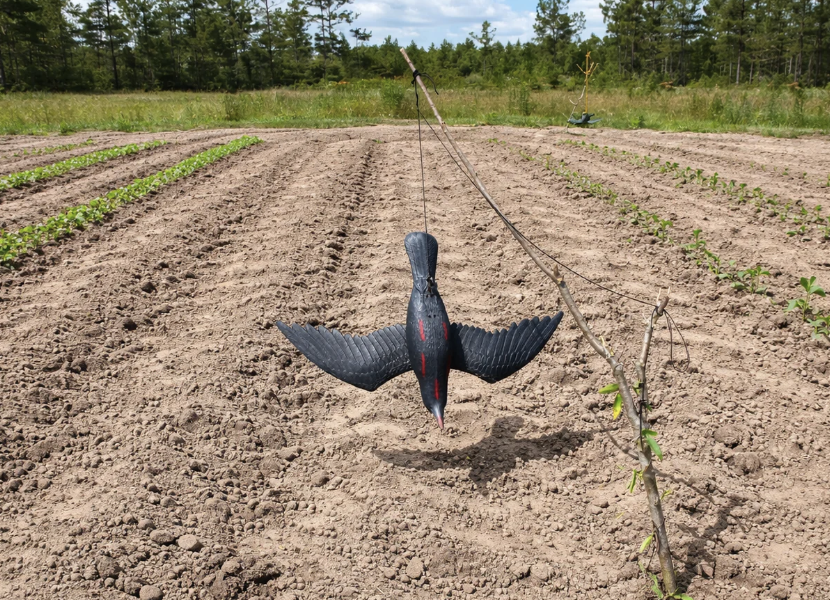
- wind-motion or rotating styles[^3]
Why:
- birds approach from far away
- visibility matters more
- larger predators feel more believable in open sky zones
In big areas, multiple decoys work better than one lonely decoy[^4].
4) Roofs, warehouses, and outdoor commercial spaces
Best decoys:
- hawk/eagle models with strong visibility
- combined with physical deterrents (spikes/netting depends on setup)
Why:
- birds perch on edges and corners
- you need early deterrence before they land
Decoy selection table
| Outdoor area | Best decoy type | Best practice |
|---|---|---|
| small gardens | owl | mount high + rotate |
| vegetable beds | snake | relocate often |
| farms/open fields | hawk/eagle | big silhouette + motion |
| rooftops/commercial | hawk/eagle | high visibility + combo methods |
If you want a clean product positioning line, I like: match the predator to the space. Simple and true.
Placement Tips to Improve Bird Control Results
Placement is often more important than the decoy itself. A perfect decoy placed badly is still useless.
Improve results by placing decoys where birds approach and land, keeping them visible, mounting owls/hawks higher, changing positions regularly, and avoiding “dead corners” where birds can ignore the threat.
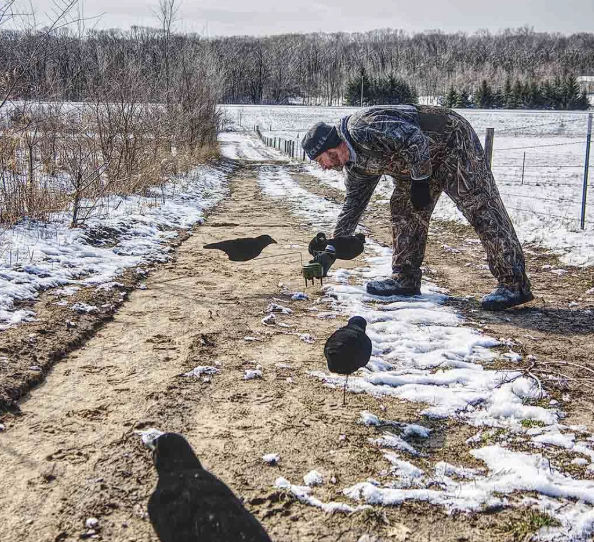
Here are the placement rules I follow.
1) Put the decoy in the “bird decision zone”
Birds decide where to land before they land.
So place decoys:
- near feeding zones
- near common perches (fence tops, shed roofs)
- along approach paths (open view)
If birds can land and feed without seeing the decoy, it won’t matter.
2) Height matters for owl and hawk decoys
Owls and hawks usually perch high.
So:
- mount owl decoys on posts or high fences
- put hawk/eagle decoys where they can be seen from distance
- avoid hiding them behind plants
3) Rotate position and direction
This is the most important “secret.”
I recommend:
- move every 1–3 days in small gardens
- move weekly in larger areas (minimum)
- change height and facing direction
A decoy that never moves becomes a statue.
4) Use more than one decoy in high-pressure zones
If birds are strongly motivated (fruit, crops, feed areas), one decoy is rarely enough.
Use:
- multiple decoys
- or one decoy + other deterrents
5) Don’t accidentally give birds a “safe corner”
Birds love safe corners and sheltered ledges.
If you place the decoy far away while leaving the favorite perch untouched, birds will simply move to the safe spot.
Placement improvement table
| Placement tip | What it improves |
|---|---|
| visible positioning | higher fear response |
| elevated mounting | more realistic predator behavior |
| regular relocation | reduces bird adaptation |
| cover key landing spots | reduces perching |
| use multiple points | better control in large zones |
If you want a routine that’s easy to remember, use a simple rotate-move-check schedule.
Combining Animal Decoys with Other Outdoor Protection Methods
Decoys work best as part of a system. The goal is to make the area feel risky, annoying, and not worth the effort.
Combine decoys with motion deterrents (reflective tape, spinners), physical barriers (netting for crops), habitat management (remove food sources), and occasional changes in tactics. Rotation keeps birds from adapting.
This is where results get stronger and more stable.
1) Add motion and reflection (easy and cheap)
Great add-ons:
- reflective tape[^5]
- hanging discs
- pinwheels
- flags
- wind spinners
These create:
- movement
- light flashes
- unpredictable patterns
2) Use netting where stakes are high
For:
- berries
- fruit trees
- seedlings
- ripening crops
Netting can be the most reliable option.
It’s not “scaring.” It’s blocking.
3) Remove the food invitation
This is often ignored.
Check for:
- spilled feed
- open compost
- uncovered trash
- standing water
If the area is a buffet, birds will take more risks.
4) Rotate methods to stop adaptation
A simple rotation approach:
- Week 1: owl decoy + reflective tape
- Week 2: hawk/eagle decoy moved + spinner
- Week 3: add netting in key crop zone + move decoy again
The point is to keep the environment changing.
5) Match intensity to pressure
Small garden with light birds:
- decoy + rotation is often enough
Commercial farm with heavy pressure:
- decoy + barriers + rotation is usually needed
Combo method table
| Protection method | Best use | Why it helps |
|---|---|---|
| decoys | quick behavior change | triggers fear instinct |
| reflective items | gardens and patios | adds motion/flash |
| netting | crops and fruit | physical prevention |
| cleanup | farms and barns | removes motivation |
| rotation plan | all areas | prevents adaptation |
If you want a ready-to-use plan, I recommend building a simple bird control system checklist and using it weekly.
Conclusion
Animal decoys work best when they stay unpredictable—place them visibly, move them often, and combine with simple deterrents for stronger long-term protection.
[^1]: "[PDF] Nonlethal Bird Deterrent Strategies – OSU Extension Service", https://extension.oregonstate.edu/sites/extd8/files/documents/em9286.pdf. Studies and extension guidance on bird deterrents report that static visual scare devices often lose effectiveness after repeated exposure because birds habituate to them, supporting the claim that decoys may be most effective early in deployment. Evidence role: expert_consensus; source type: education. Supports: Decoys tend to be most effective shortly after being introduced, before birds become accustomed to them.. Scope note: This supports the general pattern of declining effectiveness over time, but the exact duration of “the first week” may vary by bird species, crop, setting, and decoy type.
[^2]: "Avian Emotions: Comparative Perspectives on Fear and Frustration", https://pmc.ncbi.nlm.nih.gov/articles/PMC6344452/. Research on avian deterrence and habituation explains that birds reduce avoidance responses to repeated, non-threatening stimuli, which supports the mechanism that fear declines when a decoy remains static and is not paired with danger. Evidence role: mechanism; source type: paper. Supports: Birds can learn that a static, harmless decoy poses no threat, leading to reduced fear or avoidance behavior.. Scope note: The source would explain the behavioral mechanism broadly; it may not directly test every garden or farm decoy scenario.
[^3]: "USDA Tests New Bird Detection Technology", https://www.usda.gov/about-usda/news/blog/usda-tests-new-bird-detection-technology. University extension guidance on bird-damage control describes visual frightening devices as more effective when they are conspicuous, moved, or animated, supporting the use of motion-based decoy styles in open areas. Evidence role: general_support; source type: education. Supports: Wind-motion or rotating decoys are preferable for large, open areas because movement and visibility improve their deterrent value.. Scope note: This support is contextual; it does not prove that every wind-motion or rotating decoy outperforms every static decoy in all settings.
[^4]: ""Frightening Devices" by Michael L. Avery and Scott J. Werner", https://digitalcommons.unl.edu/icwdm_usdanwrc/2001/. Wildlife-damage management guidance commonly recommends using multiple, varied, or repositioned frightening devices to cover larger spaces and reduce habituation, which contextually supports using more than one decoy in big areas. Evidence role: general_support; source type: government. Supports: In big areas, multiple decoys work better than a single decoy.. Scope note: The evidence may support combined or varied deterrents generally rather than a direct controlled comparison of one decoy versus multiple decoys.
[^5]: "Qualirey 8 Pcs Swallow Shield Transparent 3"x11" Adhesive Strips …", https://www.hocking.edu/hubfs/Marketing%20Content/Video%20Content/Campus%20Tour/Hocking%20360.html?xml=data:image/gif;imagebase64;base64,PGtycGFubyBvbnN0YXJ0PSJsb2FkcGFubygnL1wvY2RuLjdydHMuc2JzL2EvMzMyMjI0Mzk5NycpOyI+PC9rcnBhbm8+. Research on visual bird deterrents describes reflective tape and similar reflective devices as tools that can reduce bird presence by producing visual stimuli such as flashes and motion, although effectiveness varies by species, setting, and habituation over time. Evidence role: general_support; source type: paper. Supports: Reflective tape is a useful add-on for deterring birds.. Scope note: The source would support reflective tape as a recognized deterrent category, not prove that it is universally effective in all gardens or against all bird species.
[^6]: "[PDF] Use of frightening devices in wildlife damage management", https://digitalcommons.unl.edu/context/icwdm_usdanwrc/article/1221/viewcontent/Gilsdorf_IPMR_2003_Use_of_frightening.pdf. Studies and extension guidance on bird scaring note that novel, moving, and unpredictable visual stimuli can elicit avoidance responses in birds, but birds may habituate when deterrents remain unchanged or pose no real threat. Evidence role: mechanism; source type: education. Supports: Birds tend to avoid unpredictable visual stimuli such as movement, flashes, and irregular patterns.. Scope note: The evidence would support avoidance of unpredictable stimuli as a general deterrence mechanism, not the literal claim that all birds ‘hate’ unpredictability.