I’ve learned something simple after years around garden products: the best garden tools are the ones you reach for without thinking.
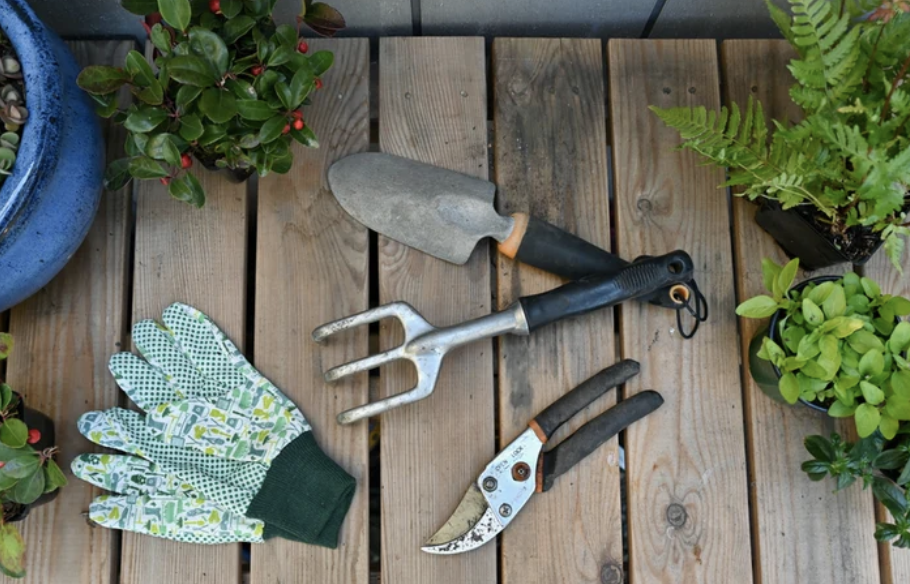
Every home gardener needs a small core kit: a hand trowel, hand fork, pruners, gloves, a weeder, and a reliable watering tool. Choose comfortable grips, strong materials, and tools that are easy to clean—because you’ll use them again and again.
Let’s keep this practical and friendly, like we’re talking in the garden.
Essential Hand Tools Every Gardener Should Own
Hand tools are the daily heroes. They handle planting, loosening soil, weeding, and small fixes without dragging heavy equipment around.
The essential hand tools are: a hand trowel for planting, a hand fork for loosening soil, a weeder for roots, quality gloves for protection, and a small rake or cultivator for tidying and mixing soil. These tools cover most home garden tasks.
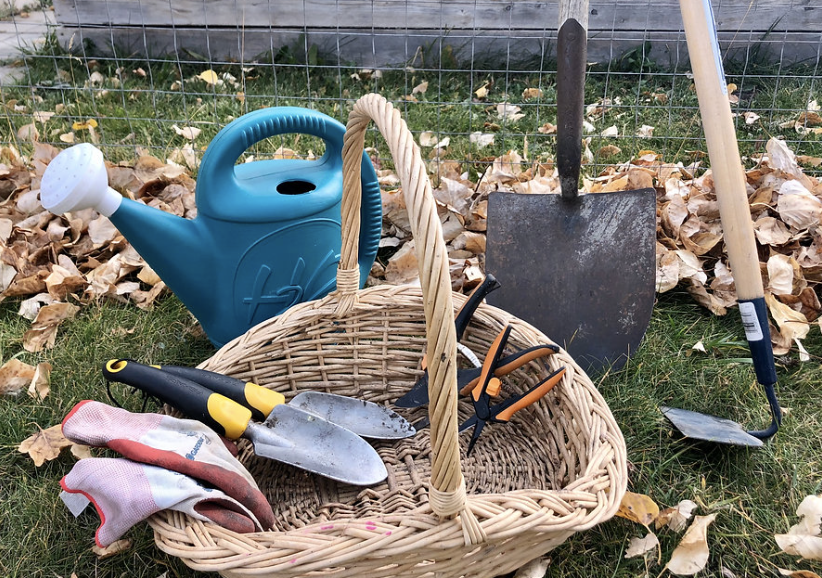
If I had to build a “starter kit” that actually gets used, it would be this.
1) Hand trowel (your most-used tool)
This is the one you grab for:
- planting seedlings
- digging small holes
- moving soil in pots
- mixing compost
A good trowel feels solid and doesn’t flex.
2) Hand fork / cultivator (for soil health)
Great for:
- breaking soil clumps
- loosening soil around roots
- mixing compost into beds[^1]
- aerating pot soil[^2]
It makes soil work faster and gentler.
3) Hand weeder (for real weed removal)
If you only pull the top of a weed, it comes back like a bad habit.
A weeder helps you:
- get under the root
- remove weeds cleanly
- save time long-term
4) Gardening gloves (comfort + confidence)
Gloves help with:
- thorn protection
- grip in wet soil
- avoiding blisters
Good gloves make you garden longer without feeling “done” too early.
5) Small hand rake (tidy tool)
Perfect for:
- smoothing soil in small beds
- cleaning leaves from pots
- mixing topsoil
It’s a small tool that makes the garden look instantly cleaner.
Essential hand tool table
| Tool | What you use it for | Why it matters |
|---|---|---|
| hand trowel | planting and digging | daily work foundation |
| hand fork | loosening and mixing soil | better soil, easier planting |
| weeder | root removal | fewer repeat weeds |
| gloves | protection + grip | comfort and safety |
| hand rake | tidying and smoothing | faster clean look |
If you want a simple checklist format for your customers, I’d present it as 5 tools, 90% of jobs.
Why Quality Pruning Tools Matter for Plant Health
Pruning is not just “cutting.” It’s plant care. And the tool quality changes how the plant heals.
Quality pruning tools matter because sharp blades make clean cuts that heal faster and reduce disease risk. Poor pruners crush stems, leave rough wounds, and make plants more vulnerable—plus they tire your hands quickly.
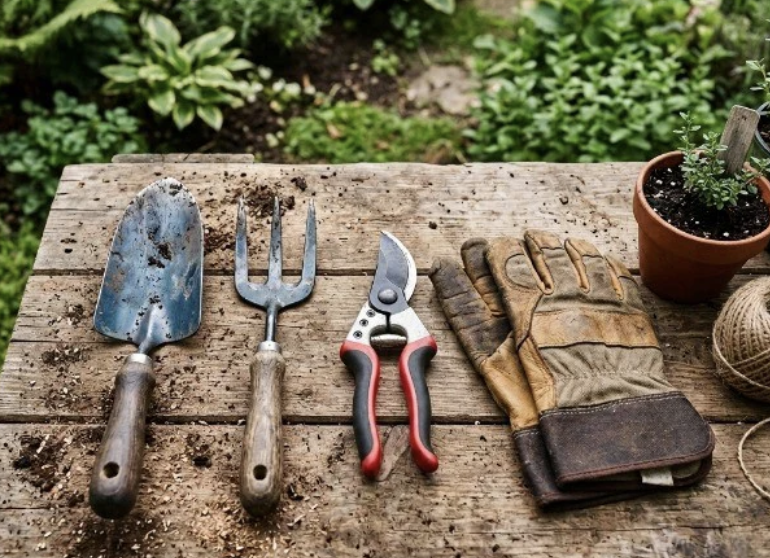
I’ll say it plainly: a cheap pruner can cost you more than money. It can cost you plants.
1) Clean cuts help plants recover
A clean cut:
- heals faster
- reduces stress
- lowers chance of infection
A crushed cut:
- creates a bigger wound
- stays wet longer
- invites problems
So a sharp, well-aligned blade is not a luxury—it’s basic plant care.
2) Better pruners make gardening feel easier
When pruners are weak, you squeeze harder.
That means:
- sore hands
- tired wrists
- less pruning done
- more messy growth later
A smooth pruner makes pruning feel almost relaxing.
3) What “quality” looks like in pruning tools
I look for:
- smooth spring action (not stiff)
- blade alignment (no wobble)[^3]
- easy safety lock
- comfortable grip shape
- sturdy pivot joint
And if the blade is replaceable[^4], that’s a bonus for long-term use.
4) Pruning tool types worth having at home
You don’t need everything, but these two cover most homes:
- bypass pruners for live stems and clean cuts
- small pruning saw for thicker branches (optional)
Pruning quality table
| Tool quality factor | What it improves |
|---|---|
| sharp blade | cleaner cuts, healthier plants |
| smooth action | less hand fatigue |
| strong joint | longer tool life |
| comfortable grip | better control and safety |
If you want a simple product story, it’s clean cuts = healthy plants.
Smart Watering Solutions for Home Gardens
Watering looks simple, but most home gardens fail because watering is inconsistent—too much, too little, or at the wrong time.
Smart watering for home gardens means consistent, controlled watering: an adjustable hose nozzle for flexible spray, a watering can for pots and seedlings, and simple drip or soaker solutions for steady deep watering. These tools reduce waste and help plants grow better.
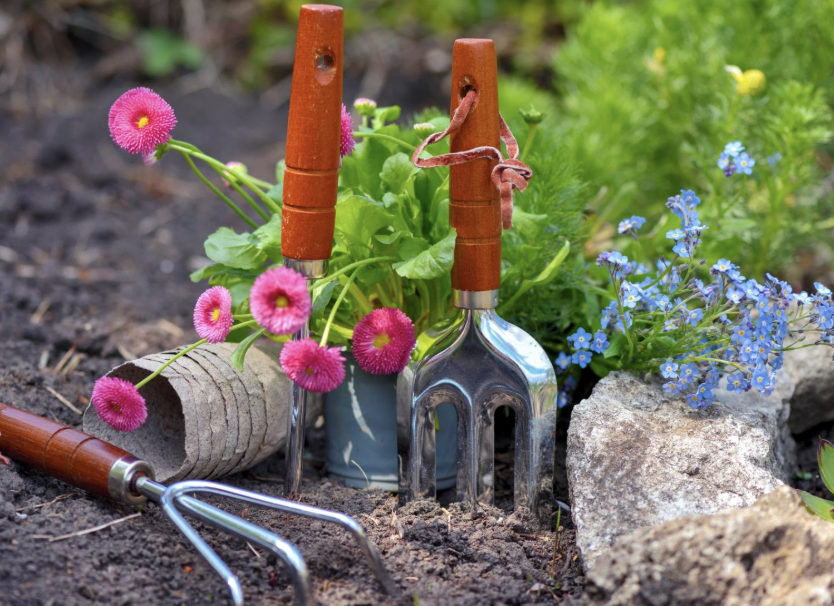
I’ve seen people buy expensive plants and then lose them because watering was messy.
So I like “smart watering” that feels easy.
1) Adjustable hose nozzle (the flexible hero)
This is great because it can do:
- gentle shower for seedlings
- soft spray for flower beds
- stronger stream for cleaning
One nozzle can replace multiple watering habits.
2) Watering can (still essential for pots)
For balcony gardens and indoor-to-outdoor plants, a watering can is calm and controlled.
It’s best for:
- pots
- seedlings[^5]
- small raised beds
- targeted watering without splashing soil everywhere[^6]
3) Drip / soaker solutions (easy upgrade)
If someone says, “I forget to water,” this is the answer.
A simple drip line or soaker hose:
- waters slowly
- reaches roots
- reduces evaporation
It’s not fancy. It’s reliable.
4) The quiet “smart” move: water early and deep
Tools help, but habits help too:
- water in morning when possible
- water deeply, not just surface wet
- avoid constant shallow watering
That’s how roots grow strong.
Watering tool table
| Watering tool | Best for | Why it’s smart |
|---|---|---|
| adjustable nozzle | beds + general use | one tool, many sprays |
| watering can | pots + seedlings | controlled and gentle |
| drip/soaker | routine watering | consistent deep watering |
If you’re building a home garden range, I’d position this as easy watering, healthier plants.
Choosing Comfortable and Durable Garden Tools for Long-Term Use
A tool that hurts your hand or breaks after one season is never a good deal. Comfort and durability are what keep people gardening.
Choose long-term tools by prioritizing comfortable grips, strong joints, rust resistance, and easy cleaning. Buy fewer tools, but buy the ones you’ll still enjoy using after two seasons.
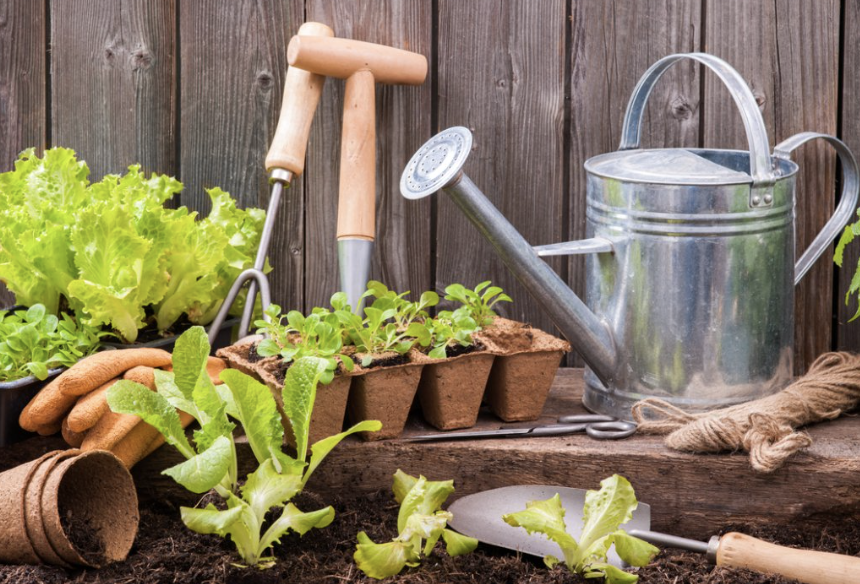
Here’s my simple rule:
If a tool makes you avoid gardening, it’s the wrong tool.
1) Comfort is not luxury
Comfort means:
- better grip shape
- less wrist strain
- less slipping when wet
This is why ergonomic tools keep growing in popularity.
2) Focus on the failure points
Most tools fail at:
- joints (pruners and shears)[^7]
- head-to-handle connections (rakes and spades)
- coatings (rust problems)[^8]
- cheap plastics (cracking)
So I always check those points first.
3) Easy maintenance keeps tools alive
Good tools should be easy to:
- rinse clean
- dry quickly
- store neatly
Small details like hanging holes and simple locks really matter.
4) Match tools to your garden size
Small garden:
- hand tools + watering can
Medium garden:
- add nozzle + rake
Large garden:
- add spade and longer handles
Buying the right scale keeps storage and effort under control.
Long-term value table
| What to prioritize | Why it matters |
|---|---|
| comfortable grip | longer work, less pain |
| strong joints | fewer breakages |
| rust resistance | better outdoor storage |
| easy cleaning | more consistent use |
| right tool size | less clutter and frustration |
If you want, I can turn this into a one-page home gardener tool guide for your site.
Conclusion
Start with the essentials, invest in good pruners, keep watering simple, and choose comfortable tools you’ll enjoy using for years.
[^1]: "Composting in home gardens | UMN Extension", https://extension.umn.edu/managing-soil-and-nutrients/composting-home-gardens. Extension guidance from land-grant universities describes incorporating compost into garden soil as a standard method for adding organic matter and improving soil physical properties. Evidence role: general_support; source type: education. Supports: A soil-working tool is useful for mixing compost into garden beds.. Scope note: This supports the horticultural practice in general, not the effectiveness of any specific hand tool.
[^2]: "Growing Media (Potting Soil) for Containers", https://extension.umd.edu/resource/growing-media-potting-soil-containers. University extension sources note that container media require adequate air space and drainage for healthy root function, providing context for loosening or aerating compacted potting media. Evidence role: mechanism; source type: education. Supports: Aerating pot soil can be a useful gardening task because container roots need sufficient air space and drainage.. Scope note: The evidence supports the importance of aeration in container media, but does not directly test this tool for aerating pots.
[^3]: "[PDF] Hand and Power Tools – OSHA", https://www.osha.gov/sites/default/files/publications/OSHA3080.pdf. Tool-safety guidance commonly identifies secure blade retention and the absence of loose or damaged moving parts as relevant to safe operation; this supports treating blade wobble as a meaningful inspection point for cutting tools. Evidence role: general_support; source type: government. Supports: Blade alignment with no wobble is an important feature to check when evaluating the tool.. Scope note: The source may address hand-tool or knife safety generally rather than this specific pruning-tool design.
[^4]: "The effect of repair and lifetime extension on the environmental …", https://ui.adsabs.harvard.edu/abs/2024SusPC..51..445S/abstract. Repairability and replacement of worn components are recognized ways to extend product service life and reduce premature disposal, supporting the idea that a replaceable blade can contribute to longer-term use. Evidence role: general_support; source type: institution. Supports: A replaceable blade is a useful feature for long-term use.. Scope note: This evidence supports the general durability and repairability principle, not a quantified lifespan increase for any particular blade or tool model.
[^5]: "Damping Off – Penn State Extension", https://extension.psu.edu/damping-off/. University extension guidance on seedling care supports the use of gentle, controlled watering for young plants because excessive force or saturation can disturb seedlings and contribute to damping-off conditions. Evidence role: expert_consensus; source type: education. Supports: A watering can is well suited for watering seedlings.. Scope note: This supports the watering method for seedlings generally, not the specific superiority of a watering can over all other tools.
[^6]: "The Plant Doctor: Watering and Plant Disease | Mississippi State …", https://extension.msstate.edu/publications/the-plant-doctor-watering-and-plant-disease. Plant disease management guidance commonly notes that splashing soil and water can spread soilborne pathogens onto leaves, so directing water to the soil surface provides a plausible rationale for targeted watering. Evidence role: mechanism; source type: education. Supports: Targeted watering that reduces soil splash is beneficial for plants.. Scope note: This evidence explains the disease-risk mechanism of soil splash; it does not directly test watering cans as a product category.
[^7]: "Ingco Electric Pruning Shears: Your Garden’s New Best Friend – Cs", https://cs.grinnell.edu/lunar-note/ingco-electric-pruning-shears-your-gardens-new-best-friend-1764801152. University extension maintenance guidance for hand pruners and shears identifies pivot joints as components that require regular cleaning, lubrication, and adjustment, supporting the claim that joints are common inspection points for these tools. Evidence role: general_support; source type: education. Supports: Pruners and shears commonly develop problems at their joints, making joints a key point to inspect.. Scope note: This supports the practical importance of joints but does not provide a quantified failure-rate comparison across all garden tools.
[^8]: "The Secret Type of Coating That Stops Rust Before It Ever Starts", https://dev-housing.rice.edu/tutorials/the-secret-type-of-coating-that-stops-rust-before-it-ever-starts-2908853. Materials and corrosion references explain that protective coatings reduce rust by separating metal from oxygen and moisture, supporting the link between coating condition and rust formation on metal tools. Evidence role: mechanism; source type: education. Supports: Coating problems can lead to rust on metal garden tools.. Scope note: This provides corrosion-mechanism support rather than direct evidence that coating failure is among the most common garden-tool failure modes.