I used to think a “luxury garden” meant luxury money. Then I upgraded one small corner with neat edging, warm lights, and two matching pots—and suddenly the whole space felt expensive.
To make your garden look more luxurious on a budget, focus on clean lines, repetition, and warm lighting. Tidy edges, a simple color theme, and a few well-placed statement pieces can transform the space without big spending.
Let’s do this the smart way.
Simple Landscaping Tricks That Instantly Elevate Your Garden
Luxury is often just “everything looks intentional.” The fastest way to get that feeling is structure and cleanliness.
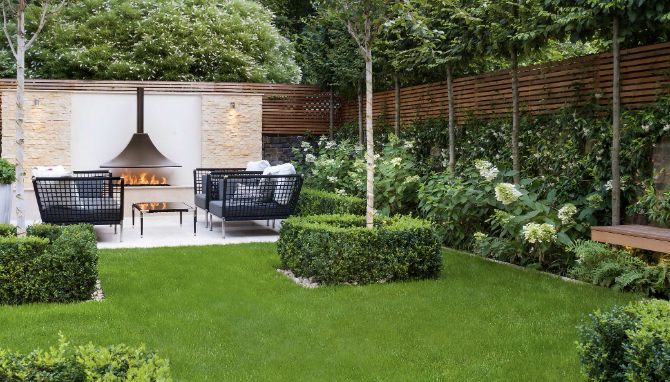
Instant luxury comes from clean borders, defined zones, consistent materials, and tidy surfaces. Edge your beds, create one clear path, repeat the same finish, and remove visual clutter—these changes make a garden look designed, not random.
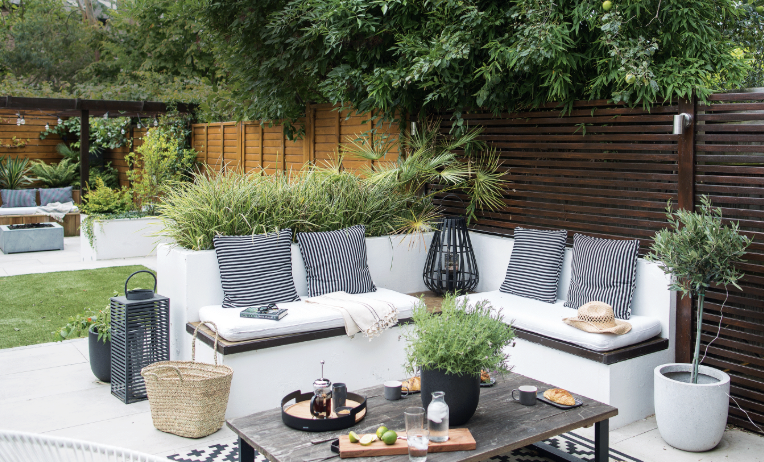
If you only do one thing, do this: make the lines clean.
1) Create sharp edges (the cheapest luxury upgrade)
Nothing screams “budget” like messy borders.
Easy edging ideas:
- simple lawn edging strips
- gravel lines between lawn and beds
- a narrow mulch border
- straight stone lines (even small stones)
A clean edge makes every plant look better.
2) Define zones like an outdoor room
Luxury gardens feel like they have “rooms.”
You don’t need walls. You need clear purpose.
Try:
- a seating corner
- a plant display corner
- a small herb area
- a path that guides the eye
Even a tiny garden can have zones.
3) Reduce clutter (this is free)
I’m guilty of this: too many random pots.
Luxury gardens usually have:
- fewer items
- better placement
- more negative space[^1]
So remove:
- broken pots
- faded plastic items
- random tools left outside
Put them away. Suddenly your garden looks calmer[^2].
4) Use repetition (the designer trick)
Pick one material and repeat it:
- same pot color
- same fence panel finish
- same style of trellis
- same plant support look
Repetition makes the garden feel planned.
Quick landscaping table
| Trick | Cost level | Luxury effect |
|---|---|---|
| clean edging | low | very high |
| defined zones | low | high |
| declutter | free | high |
| repetition | low | very high |
If you want a simple action plan, I often start with a weekend garden upgrade checklist.
Affordable Garden Decorations That Look Expensive
Decorations look expensive when they match the garden style and aren’t scattered randomly.
Budget decorations look premium when they are consistent: matching planters, simple trellis panels, clean fence accents, and a few statement pieces like a bird feeder or outdoor clock. Choose fewer items with better placement instead of many small decorations.
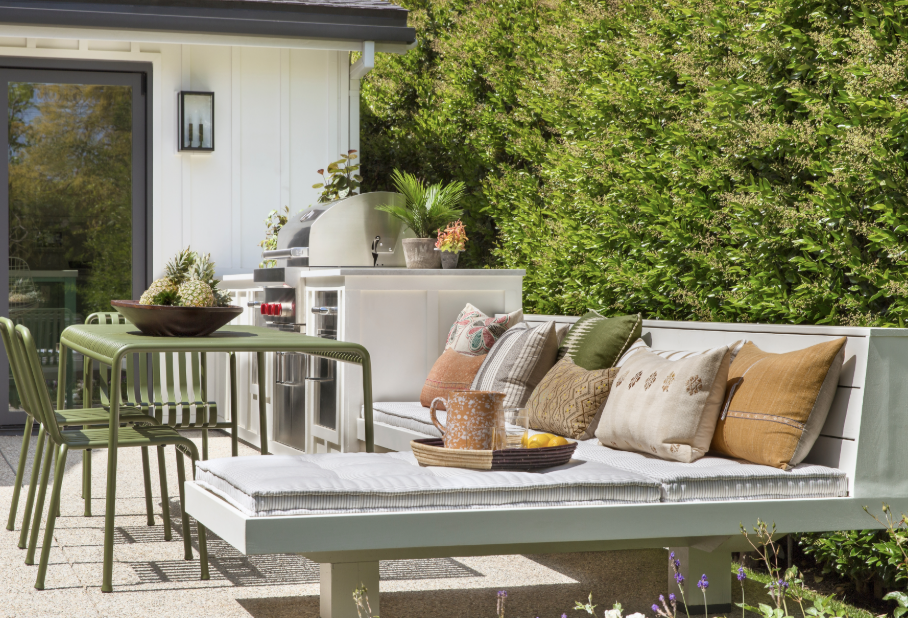
Here’s the secret: luxury décor is not about price—it’s about editing.
1) Matching planters (instant “high-end” feeling)
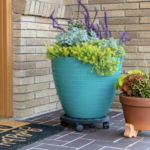
Two or three matching planters look more expensive than ten random ones.[^3]
Budget-friendly tip:
- choose one neutral color (black, grey, stone)[^4]
- choose one shape family (round or tall)
- group them in a cluster
It looks like a design choice, not an accident.
2) Trellis panels as “vertical décor”
Even before plants grow, a clean trellis adds structure.
Good budget trellis styles:
- simple grid trellis
- ladder trellis
- slim privacy trellis in one corner
A trellis makes a wall look finished.
3) One “statement” item (not five)
Pick one hero piece:
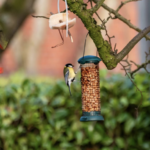
- a bird feeder
- a modern outdoor clock
- a simple water bowl/bird bath
- a clean garden fence panel feature area
One strong item looks premium. Too many items look messy.
4) Use texture, not shiny plastic
Luxury outdoor décor usually avoids glossy plastic.
Look for:
- matte finishes
- stone-look textures
- powder-coated metal look
- clean wood tones
Glossy items often look cheap under sunlight.
Decoration value table
| Decoration | Why it looks expensive | Placement tip |
|---|---|---|
| matching planters | creates a “set” | group in 2–3 |
| trellis panel | adds structure | against a blank wall |
| bird feeder | lifestyle touch | near seating view |
| outdoor clock | “designed space” feel | visible focal point |
If you want an easy product bundle idea, I like planter + trellis + bird feeder. Simple and effective.
How Outdoor Lighting Creates a Luxury Garden Atmosphere
Lighting is the fastest way to make a garden feel premium, especially at night. It hides flaws and highlights the good parts.
Outdoor lighting creates a luxury atmosphere by adding warm layers: pathway lights for direction, string lights for mood, and spotlights to highlight plants or textures. Warm white lighting and simple placement can make even a small garden feel high-end.
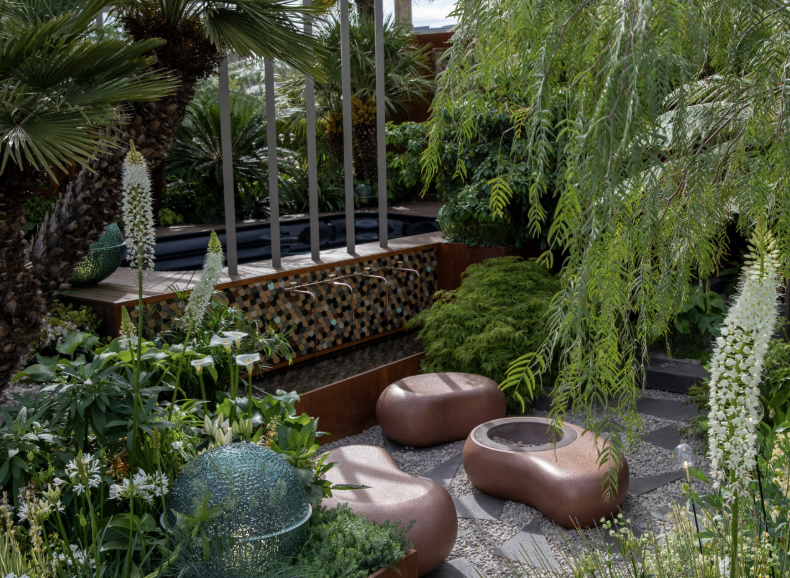
I love lighting because it’s basically “cheap magic.”
A garden at night can look expensive even with simple materials—if the lighting is right.
1) Choose warm light, not harsh light
Warm white feels:
- cozy
- elegant
- relaxing
Harsh white feels:
- cold
- industrial
- like a parking lot
So if you want luxury, go warm.
2) Use layers (not one bright source)
Luxury lighting is layered.
Try this simple three-layer setup:
- Path lighting: guides the eye
- Ambient lighting: string lights for mood
- Accent lighting: highlight a feature (tree, trellis, fence texture)
Even with low-cost lights, this feels premium.
3) Highlight “one beautiful thing”
Don’t light everything. Light one hero feature[^5]:
- a tree trunk
- a trellis with climbing plants
- a textured fence panel
- a small sculpture or pot cluster
Lighting creates focus[^6]. Focus creates luxury.
4) Hide the light source when possible
If people see the bulb glare directly, it feels cheap.
If the light is hidden and you only see the glow, it feels expensive.
Lighting plan table
| Lighting type | Luxury effect | Best spot |
|---|---|---|
| path lights | clean structure | along edges |
| string lights | cozy mood | seating zone |
| spotlight | premium focus | feature plant/trellis |
If you want a simple plan, I often suggest 3 lights, 3 zones. It keeps it easy.
Best Budget-Friendly Plants for an Elegant Garden Design
Plants look expensive when they are healthy, repeated, and placed with intention. The “luxury” is in the pattern, not the rare species.
Budget-friendly elegant plants include lavender, boxwood-style shrubs, hydrangeas, ornamental grasses, and climbing plants like jasmine or clematis. Repeat the same plant in groups, keep shapes tidy, and use one main color theme for a premium look.
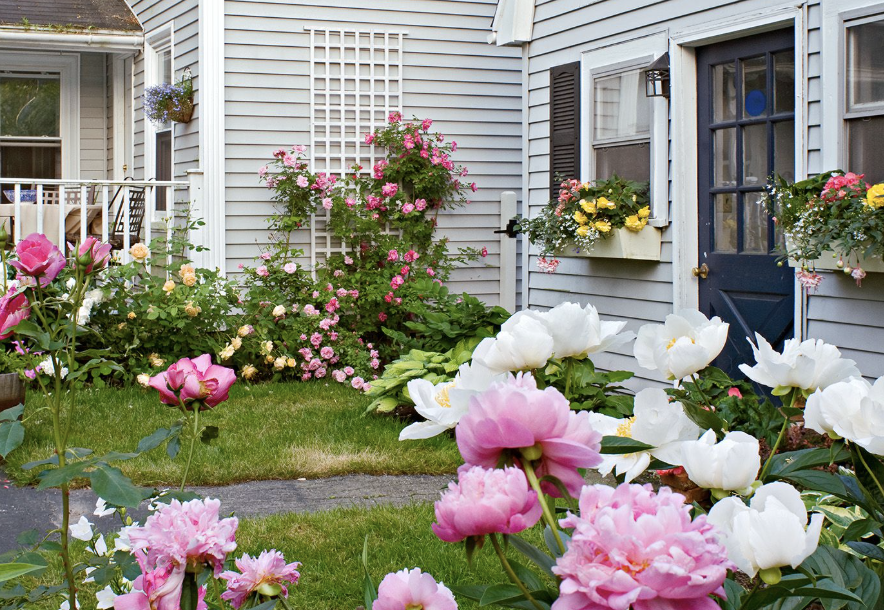
Here’s a trick designers use: repeat plants in clusters.
One lavender plant looks small.
Five lavender plants in a row looks like a plan.
1) Lavender (clean, calm, classic)
Why it feels elegant:
- neat shape
- soft color
- “European garden” vibe
It also smells great, which is a bonus luxury.
2) Hydrangea (big impact, big “wow”)
Hydrangeas look premium because they create large blooms with strong presence.
They’re great for:
- corners
- background planting
- making a garden feel fuller quickly
3) Ornamental grasses (modern elegance)
Grasses are underrated luxury plants.
They add:
- movement in the wind
- soft texture
- modern clean lines
They also look great with black metal trellis or fence panels.
4) Climbing plants (vertical luxury)
Climbers make small gardens look bigger.[^7]
Good options:
- jasmine
- clematis
- climbing roses (more care needed)[^8]
A trellis with climbing plants is a luxury look that doesn’t need luxury money.
5) Simple evergreen shrubs (structure all year)
Boxwood-style structure (or similar shrubs) creates that “designed” feel in winter too.
Even one or two can add a premium look.
Elegant plant table
| Plant type | Luxury effect | Best use |
|---|---|---|
| lavender | clean and classic | borders, paths |
| hydrangea | big visual impact | corners, focal points |
| ornamental grasses | modern texture | modern gardens |
| climbers | vertical richness | trellis walls |
| evergreen shrubs | year-round structure | entrance and framing |
If you want a simple planting plan, use 3 plant types only: one structure plant, one flower, one texture plant. It keeps the garden elegant.
Conclusion
Luxury on a budget is clean lines, repeated design, warm lighting, and a few strong focal points—keep it simple and intentional.
[^1]: "CIR536/MG086: Basic Principles of Landscape Design – Ask IFAS", https://ask.ifas.ufl.edu/publication/MG086. Landscape design guidance commonly treats open or unoccupied space as an active compositional element that can create balance, emphasis, and visual rest in a garden. Evidence role: expert_consensus; source type: education. Supports: Luxury gardens usually include more negative space as part of their visual composition.. Scope note: This supports the design principle generally, not the specific claim that all luxury gardens use negative space.
[^2]: "’Visual clutter’ alters information flow in the brain | Yale News", https://news.yale.edu/2024/10/22/visual-clutter-alters-information-flow-brain. Research on visual clutter and environmental order indicates that more cluttered visual environments can increase cognitive load and stress-related responses, providing contextual support for the idea that removing visible clutter may make an outdoor space feel calmer. Evidence role: general_support; source type: paper. Supports: Putting away broken pots, faded plastic items, and random tools can make a garden look calmer.. Scope note: Most evidence concerns indoor or general visual environments rather than gardens specifically, so it supports the psychological mechanism only indirectly.
[^3]: "Relationship between aesthetic preference and ‘complexity … – PMC", https://pmc.ncbi.nlm.nih.gov/articles/PMC12925017/. Research on visual unity and complexity in environmental aesthetics indicates that coherent, less visually fragmented arrangements are often evaluated as more orderly and aesthetically pleasing, which contextualizes why matched planters may appear more intentional and higher quality than miscellaneous ones. Evidence role: general_support; source type: paper. Supports: A small number of matching planters can appear more expensive or intentional than many mismatched planters.. Scope note: The evidence supports the underlying design-perception principle rather than proving this exact planter comparison.
[^4]: "Color Theory: A Complete Guide for Artists and Designers", https://www.sessions.edu/notes-on-design/a-guide-to-color-theory/. Design and color-theory references commonly describe neutral colors such as black, gray, and stone-like tones as visually subdued hues that can create a restrained background and support compositional unity; this supports the use of a single neutral color as a practical organizing principle. Evidence role: definition; source type: education. Supports: Choosing one neutral planter color helps create a more unified, intentional-looking arrangement.. Scope note: The source would support the color-design rationale generally, not guarantee a specific visual outcome for every planter arrangement.
[^5]: "Your Exterior Lighting Will Be Stunning—Here’s How to Make It …", https://dev-housing.rice.edu/tutorials/your-exterior-lighting-will-be-stunningheres-how-to-make-it-unforgettable-this-season-3694055. Landscape-lighting design guidance commonly recommends using accent lighting selectively to establish focal points rather than illuminating all elements uniformly; this supports the design principle but does not prove that any single feature will be optimal in every garden. Evidence role: expert_consensus; source type: education. Supports: Selective lighting of one prominent outdoor feature is a recognized design approach for creating a focal point.. Scope note: Contextual support from design guidance; site conditions and user goals may require more than one focal point.
[^6]: "Does luminance-contrast contribute to a saliency map for overt …", https://pubmed.ncbi.nlm.nih.gov/12653985/. Research on visual attention shows that luminance contrast is a major component of visual salience and can guide where viewers look, supporting the claim that lighting can create visual focus; the evidence concerns perception generally rather than garden lighting specifically. Evidence role: mechanism; source type: paper. Supports: Lighting can draw visual attention and create focus by increasing luminance contrast and visual salience.. Scope note: Directly supports the perceptual mechanism, not the broader aesthetic outcome in a particular landscape design.
[^7]: "Vertical Gardening Using Trellises, Stakes, and Cages", https://pubs.ext.vt.edu/HORT/HORT-189/HORT-189.html. Sources on vertical gardening and small-space landscape design describe climbing plants and vertical supports as a way to use vertical planes, conserve ground area, and create a greater sense of enclosure and depth in compact gardens. Evidence role: general_support; source type: education. Supports: Climbing plants can help small gardens appear larger by using vertical space and adding visual depth.. Scope note: This supports the spatial-design rationale rather than proving that all viewers will perceive every small garden as larger.
[^8]: "[PDF] PRUNING CLIMBING ROSES", https://ucanr.edu/sites/default/files/2024-02/393508.pdf. University extension and horticultural guidance commonly notes that climbing roses require regular training, pruning, and disease or pest management, supporting the characterization that they generally need more ongoing care than lower-maintenance climbers. Evidence role: expert_consensus; source type: education. Supports: Climbing roses typically require more maintenance than some other climbing plants.. Scope note: Care requirements vary by rose cultivar, climate, and site conditions, so the source should be used as general horticultural guidance rather than a universal rule.