I’ve sold both wind powered and electric garden decorations, and I’ll tell you the honest truth: people don’t buy them for “technology.” They buy them for feeling.
Wind powered decorations feel natural, calm, and “always moving” without cables or batteries. Electric decorations create stronger visual impact—especially at night—but need power planning, weather protection, and more after-sales attention.
So which is better? It depends on your garden style, your lifestyle, and your market.
How Wind Powered Garden Decorations Create Natural Outdoor Movement
Wind powered décor is loved because it uses free energy and blends into nature. The movement feels organic, not forced.
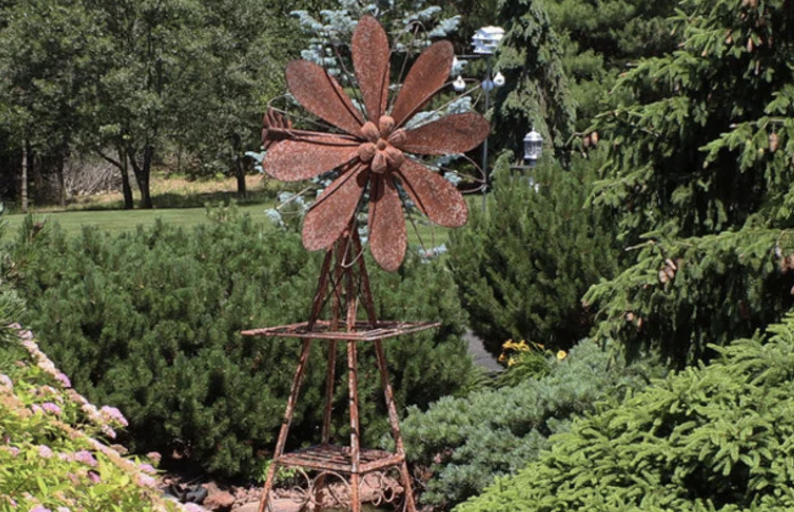
Wind powered garden decorations create motion through breezes—spinners rotate, tails sway, wings flutter, and kinetic parts shift naturally. They work best in open areas with airflow and create a relaxing “alive garden” atmosphere without electricity.
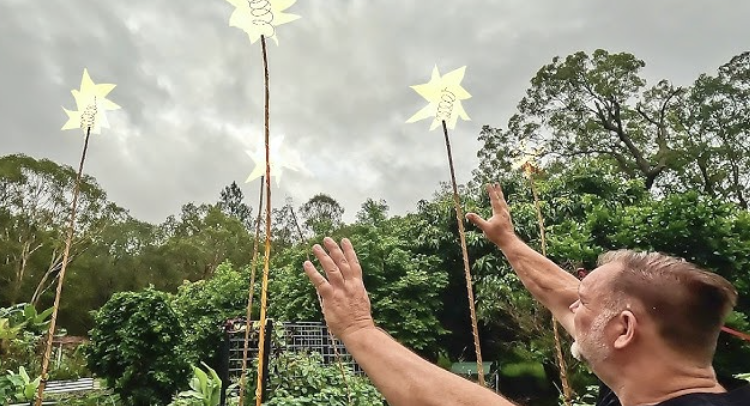
Here’s what I love about wind décor: it’s quiet.
No switch. No cable. No “did I charge it?” anxiety.
1) Movement that changes all day
Wind movement isn’t constant. It comes and goes. That’s what makes it feel real.
A spinner can be:
- slow in the morning
- lively in the afternoon
- gentle at sunset
That changing rhythm feels like nature, not a machine.
2) It creates “life” even when plants are still growing
In early spring, gardens can look bare. Wind décor adds:
- motion
- sparkle
- a focal point
So the space feels active before flowers bloom.
3) It’s usually simpler to install
Most wind powered products need:
- a stick or hook
- a stable base
- a spot with airflow
That’s it.
This simplicity reduces customer complaints.
4) The limits are real (and should be honest)
Wind décor needs wind. If your garden is sheltered:
- [behind tall walls
- inside a narrow courtyard
- blocked by thick bushes
…movement can be weak.](https://digitalcommons.unl.edu/cgi/viewcontent.cgi?article=1043&context=agroforestnotes)[^1]
And some lightweight designs can wobble or tip in strong wind if the base is poor[^2].
Wind décor quick table
| Strength | What it means for users |
|---|---|
| no electricity | easy setup, fewer worries |
| natural movement | relaxing and “alive” feeling |
| low maintenance | fewer returns and issues |
| depends on wind | sheltered gardens may see less motion |
If you want a safe selection tip: choose designs with a stable base and smooth bearings. It makes a huge difference.
Why Electric Garden Decorations Offer Stronger Visual Impact
Electric décor wins when the goal is “wow.” Especially at night, nothing beats light.
Electric garden decorations offer stronger visual impact because they use LEDs, illuminated shapes, and controlled effects to create consistent brightness, color, and mood. They work well for night-time outdoor living and seasonal displays, but require power planning and weather resistance.
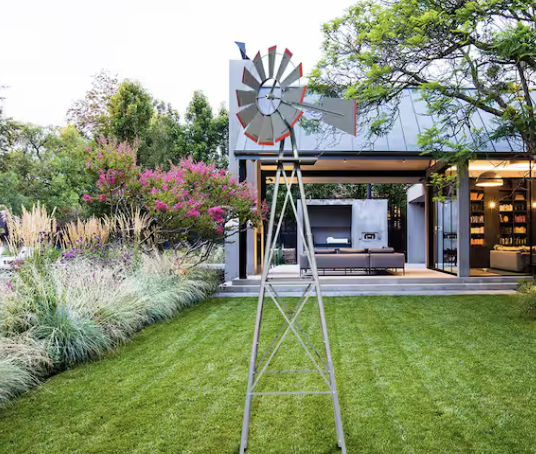
Electric décor is the “evening performer.”
In daytime, it can look nice.
At night, it becomes the star.
1) Night-time value is the biggest advantage
Electric decorations extend garden enjoyment into the evening:
- patio dinners
- parties
- quiet relaxation after work
Light makes a garden feel premium fast.
2) Controlled effects create reliable results
Unlike wind, electric décor can be:
- always on[^3]
- timed
- steady brightness[^4]
- color-changing (if designed that way)
That predictability is great for retailers and homeowners who want consistent performance.
3) Seasonal events love electric décor
Holiday and seasonal promotions often rely on:
- lit figures
- string lights
- glowing ornaments
This is why electric décor sells strongly in peak seasons.
4) The “hidden costs” are installation and after-sales
Electric décor requires:
- power source planning
- cable management
- waterproof design
- battery or plug support
If those details are weak, you’ll see:
- returns
- complaints
- “stopped working” reviews
So electric décor needs stronger QC and packaging than wind décor.
Electric décor quick table
| Strength | What it means for users |
|---|---|
| strong visual impact | instant wow, especially at night |
| predictable performance | controlled effects and timing |
| seasonal sales power | strong for holidays |
| more complexity | higher return risk if quality is weak |
If your market values night-time outdoor living, electric décor becomes very attractive.
Best Garden Styles for Wind Powered and Electric Decorations
Wind and electric décor fit different garden personalities. Choosing the right match makes the product feel “made for the space.”
Wind powered décor fits natural, rustic, coastal, and cottage gardens because it looks organic and calm. Electric décor fits modern patios, premium outdoor living spaces, and holiday-themed gardens because lighting creates mood and strong focal points.
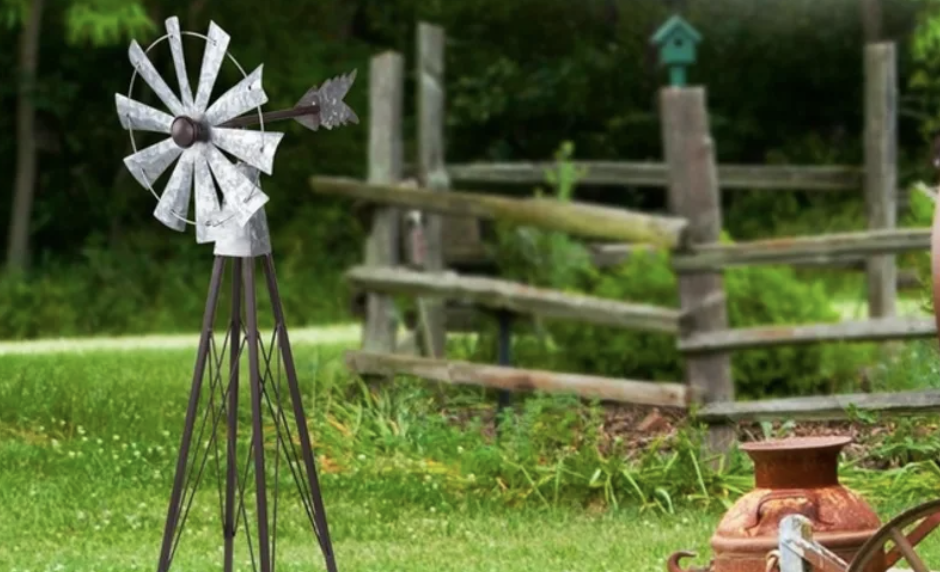
I like to explain it using “garden mood.”
1) Wind powered décor fits these styles best
Cottage and traditional gardens
- flowers
- natural fences
- soft textures
Wind décor looks like part of the landscape.
Coastal and breezy gardens
More wind = more movement = better experience.
Zen and calm gardens
Wind spinners can feel meditative, like a slow moving sculpture.
2) Electric décor fits these styles best
Modern patios and outdoor lounges
Clean lines + warm lighting = premium outdoor room feeling.
Entertainment gardens
If the garden is used for dining and parties, lighting matters.
Seasonal/holiday gardens
Electric décor is almost the foundation here.
3) Mixed gardens can use both (my favorite approach)
This is the easiest “balanced” answer:
- Wind décor for daytime movement
- Electric décor for night-time atmosphere
It’s like having music in the day and candles at night.
Style matching table
| Garden style | Better choice | Why |
|---|---|---|
| cottage/traditional | wind powered | natural look |
| modern patio | electric | lighting mood[^5] |
| breezy open yard | wind powered | more movement |
| holiday display | electric | strong visual impact |
| mixed lifestyle garden | both | day + night enjoyment |
If you’re a retailer, offering both types helps you cover more customer tastes with one category[^6].
Market Trends Driving Modern Outdoor Decoration Choices
The market is shifting toward “outdoor living,” not just “outdoor décor.” People want spaces they can use longer, not just look at.
Modern trends include stronger demand for night-time outdoor ambiance, space-saving decorative items, low-maintenance products, and multi-function décor that combines movement, lighting, and seasonal flexibility. Buyers also prefer products with easier installation and fewer after-sales issues.
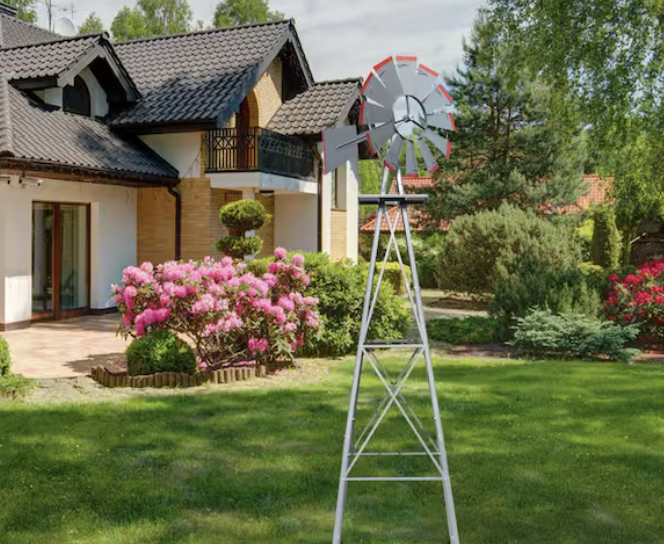
Here’s what I see driving buyer choices.
1) Outdoor living is becoming more important
People are investing in:
- patios
- balcony makeovers
- garden seating corners
That pushes demand for electric décor because light makes a space usable after sunset.
2) “Low effort” décor is winning
Busy consumers want:
- quick setup
- simple use
- minimal maintenance
Wind décor and solar lighting both benefit from this trend.
3) Small-space décor is growing
Balconies and small patios need:
- compact decorations
- vertical elements
- items that don’t take floor space
Wind spinners on hooks and compact solar décor do well here.
4) Sustainability and energy awareness
Some consumers prefer:
- wind powered
- solar powered
- low-energy LED
Not because they’re strict about eco claims—but because it feels practical and modern.
5) Retailers care more about returns now
This matters in wholesale.
Electric décor can have higher return risk if:
- waterproof design is weak
- wiring is fragile
- instructions are unclear
So buyers are asking suppliers more questions about QC and packaging.
Trend table
| Trend | What it pushes buyers toward |
|---|---|
| night-time outdoor living | electric décor, lighting |
| low maintenance | wind and solar options |
| small spaces | compact, hangable décor |
| energy awareness | wind/solar/LED |
| return risk control | simpler products or stronger QC |
If you’re building a range, I’d suggest a “two-lane” strategy: wind for daytime + electric for night. It covers more customers with less guesswork.
Conclusion
Wind powered décor wins for natural, low-maintenance movement; electric décor wins for night-time impact—your best choice depends on your garden style and how you use the space.
[^1]: "[PDF] Windbreaks: A "Fresh" Tool to Mitigate Odors from Livestock", https://digitalcommons.unl.edu/cgi/viewcontent.cgi?article=1043&context=agroforestnotes. Sources on urban micrometeorology and windbreaks describe how walls, enclosed courtyards, and vegetation reduce local wind speed by obstructing and redirecting airflow, which supports the claim that wind-driven décor may move less in sheltered settings. Evidence role: mechanism; source type: education. Supports: Sheltered garden locations behind walls, in courtyards, or blocked by thick vegetation can have weaker wind movement.. Scope note: The evidence would support the airflow mechanism generally rather than measure the movement of a specific garden décor product.
[^2]: "[PDF] Scaled Model Wind Turbine with Active Flow Control (AFC …", https://repository.arizona.edu/bitstream/handle/10150/193022/azu_etd_mr20090272_sip1_m.pdf?sequence=1. Engineering guidance on wind loads and stability explains that wind pressure can create overturning moments on freestanding objects, and that insufficient base weight or anchorage increases the risk of tipping; this supports the stability principle behind the claim. Evidence role: mechanism; source type: government. Supports: Lightweight freestanding designs with inadequate bases can wobble or tip under strong wind.. Scope note: The source may address freestanding structures or objects in general, not garden wind décor specifically.
[^3]: "Lighting Controls | Department of Energy", https://www.energy.gov/energysaver/lighting-controls. A U.S. Department of Energy consumer guide describes electric lighting controls, including timers and automatic controls, as means of operating lights according to set schedules, supporting the claim that electric décor can provide scheduled or continuous illumination when connected to a power source. Evidence role: general_support; source type: government. Supports: Electric décor can be kept on or scheduled with timers, unlike wind-dependent décor.. Scope note: The source addresses electric lighting generally rather than decorative products specifically.
[^4]: "Fully Integrated Reconfigurable Constant Current LED Driver for …", https://ieeexplore.ieee.org/document/11170973/. Technical literature on LED lighting explains that LED output is regulated by electrical drivers, often constant-current drivers, which are used to maintain controlled light output under designed operating conditions; this supports the claim that electric décor can provide steady brightness. Evidence role: mechanism; source type: paper. Supports: Electric décor can provide steady brightness when designed with regulated electric lighting components.. Scope note: The support is strongest for LED-based décor with appropriate drivers and does not prove that every electric decorative product maintains identical brightness.
[^5]: "Lighting up living spaces to improve mood and cognitive …", https://experts.illinois.edu/en/publications/lighting-up-living-spaces-to-improve-mood-and-cognitive-performan/. Research in environmental psychology and lighting design finds that lighting conditions can influence perceived atmosphere and emotional response, supporting the use of electric decorative lighting to create patio mood; the evidence concerns lighting environments generally rather than this specific garden-product category. Evidence role: general_support; source type: paper. Supports: Electric garden décor is a better choice for a modern patio when the goal is to create lighting mood.. Scope note: Contextual support only; it does not directly compare electric and wind-powered garden decorations.
[^6]: "[PDF] Assortment Size and Option Attractiveness in Consumer Choice …", https://www.kellogg.northwestern.edu/~/media/files/faculty/research/assortment_size_consumer_choice_among_assortments_jmr_200910.ashx. Retail assortment research shows that broader product variety can help address heterogeneous consumer preferences, supporting the claim that carrying both wind-powered and electric options may serve more customer tastes within a category; the evidence is general retail theory rather than proof for this exact product line. Evidence role: expert_consensus; source type: paper. Supports: Retailers can cover more customer tastes in one garden décor category by offering both wind-powered and electric types.. Scope note: General support only; it does not quantify demand for wind-powered versus electric garden décor.