I’ve seen animal decoys work beautifully… and I’ve also seen birds sit on them like they paid rent. So yes—decoys can work, but only under the right conditions.
Animal decoys can reduce bird problems short-term by triggering fear of predators, but birds often adapt if the decoy stays in one place. Decoys work best when they are moved regularly, match the local pest bird type, and are combined with other simple deterrents.
Let’s break it down without myths.
How Predator Decoys Trigger Natural Bird Fear
Birds aren’t “being dramatic.” They’re wired to avoid predators, so a realistic threat can change their behavior fast—at least at first.
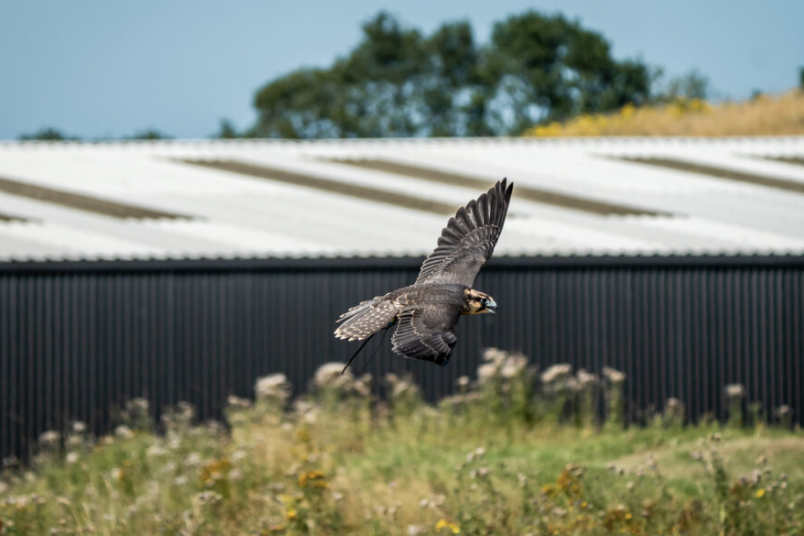
Predator decoys work by tapping into birds’ survival instincts. Shapes like owls, hawks, snakes, or even foxes can signal danger, causing birds to avoid feeding, nesting, or landing in that area—especially when the decoy looks realistic and the risk feels unpredictable.
Think of it like this:
If you walked into a parking lot and saw a “security guard,” you’d behave differently—even if you weren’t doing anything wrong.
Birds do the same thing.
1) Birds scan for danger constantly
Most pest birds (pigeons, starlings, crows, sparrows) look for:
- movement
- eye-like shapes
- high perches (where predators sit)
- sudden changes in the environment
That’s why owl and hawk decoys are so popular: they fit the “predator silhouette” that birds recognize.
2) The first days are usually the strongest
In many gardens and farms, you’ll see:
- fewer landings
- less feeding time
- more cautious behavior
But if nothing happens after a week or two, birds start learning:
“Nothing bad happens here.”
That’s when effectiveness drops.
3) The best decoys feel “alive”
A decoy that feels alive usually has:
- realistic shape and colors
- visible eyes
- natural pose (not cartoon-like)
- some movement (wind motion, rotating head)
It doesn’t need to be perfect. It just needs to feel uncertain.
4) Different birds fear different things
This is important:
- small birds may fear hawks more
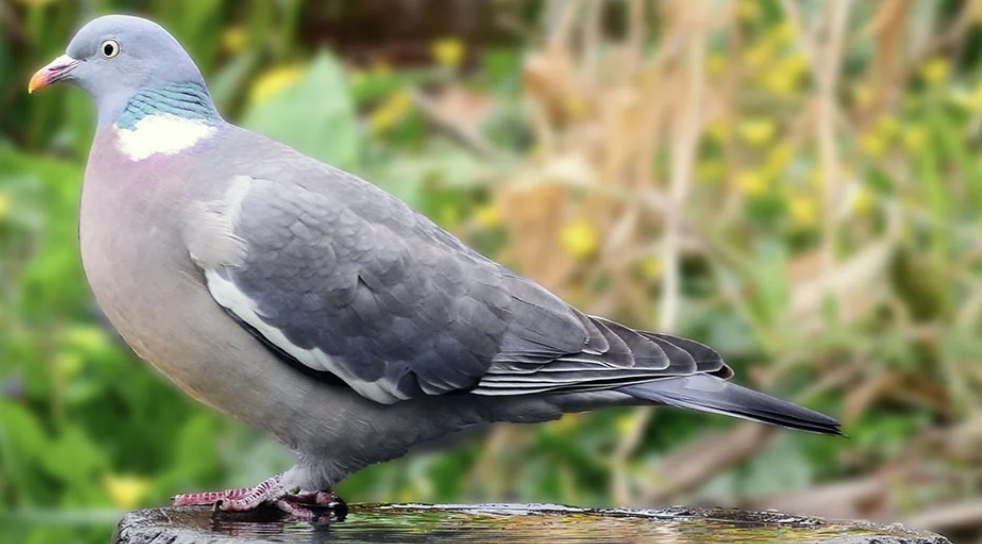
- pigeons may ignore small owl decoys quickly[^1]
- crows are smart and get used to decoys fast[^2]
So matching the decoy to the bird problem matters.
Fear-trigger summary table
| What triggers fear | Why it works (at first) |
|---|---|
| predator silhouette | birds recognize danger shape |
| eye patterns | “I’m being watched” signal |
| elevated placement | predator “perch” behavior |
| movement/rotation | makes threat feel real |
| unpredictability | prevents birds from adapting |
If you want decoys to work longer, focus on unpredictability, not perfection.
Common Mistakes That Reduce Decoy Effectiveness
Most decoy failures happen because the decoy becomes part of the scenery.
Decoys lose effectiveness when they stay in one place, look unrealistic, are used in the wrong location, or aren’t supported by any other deterrent. Birds quickly learn when a “predator” never moves and never attacks.
Let me list the mistakes I see most often. They’re simple, but they matter.
1) Leaving the decoy in the same spot for weeks
This is the biggest mistake.
Birds are not stupid. They learn patterns fast.
If the “owl” never moves, it becomes a garden decoration.
Fix: move it every 1–3 days (or at least weekly), and change height/direction.
2) Using a decoy that looks like a toy
If the decoy looks cartoonish, birds don’t take it seriously.
Common problems:
- shiny plastic glare
- unnatural colors
- tiny size for large bird problems
- incorrect predator type for local birds
Fix: choose realistic look and correct size.
3) Placing it where birds don’t care
If birds are feeding on the ground but the decoy is hidden behind a shed, it won’t matter.
Good placement usually means:
- visible from the birds’ approach path[^3]
- near the landing/feeding area (but not blocking human use)
- slightly elevated for predator realism[^4]
4) Using only one decoy in a high-pressure area
If you’re protecting:
- fruit trees
- crop fields
- a large roof
One static decoy is rarely enough.
You need either:
- multiple decoys
- or a mixed system (decoy + other deterrents)
5) Forgetting that birds are smarter in groups
Some birds (like crows) test threats.
If one bird lands safely, others follow.
That’s why a decoy alone often struggles with intelligent birds.
Mistake table (fast diagnosis)
| Mistake | What happens | Simple fix |
|---|---|---|
| not moving decoy | birds adapt | relocate regularly |
| unrealistic decoy | birds ignore | choose realistic model |
| wrong placement | no effect | place in approach zone |
| single tool only | limited impact | combine methods |
| no “unpredictability” | birds learn | rotate tactics |
Decoys are like reminders. If the reminder never changes, it stops working.
Combining Decoys with Other Bird Control Methods
Decoys work best as part of a “light pressure” system—small deterrents that make the area feel unsafe and annoying.
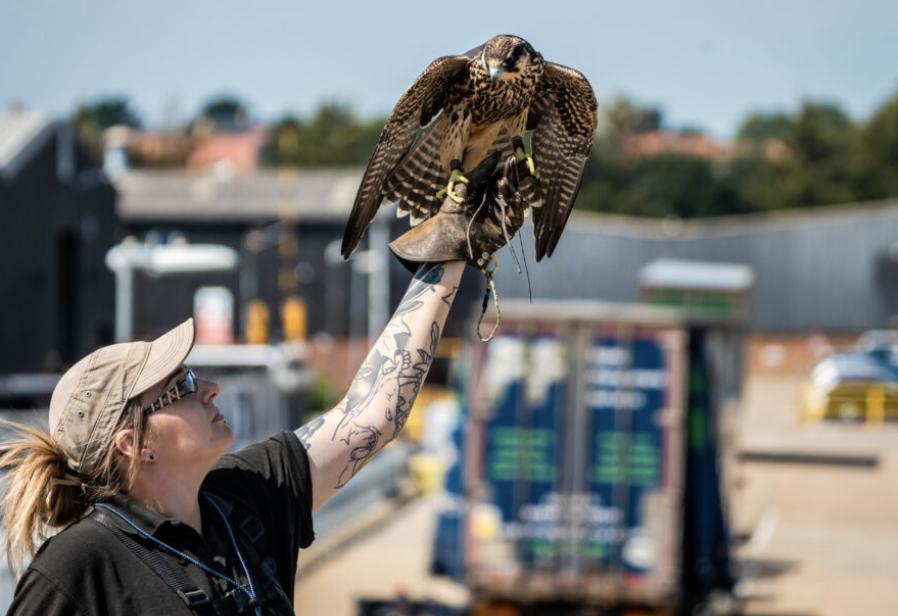
To improve results, combine decoys with movement and sound deterrents (reflective tape, wind spinners), physical barriers (netting), and habitat changes (remove food sources, cover waste). The goal is to create a changing environment birds can’t adapt to easily.
Here’s my honest view:
If you want long-term control, you need a mix.
Bird control is like locking a door: one lock helps, two locks help more.
1) Add movement (the easiest upgrade)
Movement is the enemy of bird comfort.
Simple add-ons:
- reflective tape
- pinwheels
- hanging discs
- flags
- wind spinners
These work because they change with wind, so birds can’t “get used to it” as quickly.
2) Use physical barriers where it matters most
If you’re protecting high-value areas:
- fruit trees
- seed beds
- greenhouse entrances
Netting can be the most reliable approach.
It’s not pretty, but it’s effective.
3) Remove attraction points
Birds don’t come just because they’re bored.
They come for:
- food
- water
- nesting spots
So check:
- open compost
- spilled animal feed
- uncovered trash
- standing water bowls
If food is abundant, decoys become less convincing.
4) Rotate strategies (birds hate changing rules)
A rotation plan works well[^5]:
- Week 1: owl decoy + reflective tape
- Week 2: hawk decoy moved daily + wind spinner
- Week 3: add barrier in key area + move decoy again
The goal is not to “scare forever.”
The goal is to make the area not worth the trouble[^6].
Combination method table
| Method | Best for | Why it helps |
|---|---|---|
| decoys | quick behavior change | triggers fear response |
| reflective items | gardens and patios | adds unpredictable movement |
| netting | crops and fruit trees | physical prevention |
| habitat cleanup | farms and barns | removes motivation |
| rotation plan | all areas | prevents adaptation |
If you want a simple system, I often suggest a rotation checklist so you don’t forget to move things.
Choosing the Right Decoy for Your Garden or Farm
The right decoy depends on the bird species, the space size, and how much effort you can realistically maintain.
Choose decoys based on your target birds and location: owls work well for small gardens and perching birds, hawks/falcons suit open areas and fast-moving deterrence, and snakes can help for ground-level small birds in certain settings. Pick realistic models and plan to move them regularly for best results.
Here’s a practical guide—no overthinking.
Step 1: Identify what birds you’re fighting
Ask:
- Are they small birds (sparrows, starlings)?
- Larger birds (pigeons, crows)?
- Ground feeders or tree perchers?
This affects which predator looks believable.
Step 2: Match the decoy type to the setting
Owl decoys
Best for:
- small gardens
- patios
- areas with trees and perches
Works best when:
- placed higher
- moved often
- used with some motion
Hawk/falcon decoys
Best for:
- open yards
- farms
- areas where birds approach from open sky
Works best when:
- visible from far away
- used with rotating/moving feature
Snake decoys
Best for:
- ground-level deterrence
- small birds near beds and borders[^7]
Works best when:
- moved around[^8]
- used in low-visibility zones where birds land
Step 3: Choose realism over “cute”
I know cute decoys look nicer on shelves.
But if you want results:
- realistic eyes
- correct size
- natural pose
- less shiny surface
Step 4: Plan your maintenance honestly
This is the real question.
If you will move it weekly, a decoy can work well.
If you will never move it, don’t expect miracles.
Decoy selection table
| Your situation | Best decoy choice | Extra tip |
|---|---|---|
| small garden with trees | owl | place high + rotate |
| open farm area | hawk/falcon | keep visible + move often |
| ground-level beds | snake | relocate frequently |
| smart birds (crows) | decoy + rotation system | add movement deterrents |
If you want a low-stress setup, I’d recommend building a small “combo kit” approach with decoy + reflective + rotation.
Conclusion
Animal decoys can work, but only when they stay unpredictable—move them often and combine with other simple deterrents for lasting results.
[^1]: "[PDF] The Effects of Owl Decoys and Non-threatening Objects on Bird …", https://digitalcommons.linfield.edu/cgi/viewcontent.cgi?article=1006&context=quercus. Research and extension literature on bird deterrents notes that static predator models often lose effectiveness as birds habituate, supporting the claim that pigeons may quickly stop responding to small owl decoys. Evidence role: mechanism; source type: education. Supports: Pigeons may ignore small owl decoys quickly because birds can habituate to static predator decoys.. Scope note: This supports the general habituation mechanism for visual predator decoys; effectiveness can vary by setting, decoy design, movement, and reinforcement methods.
[^2]: "Crows protect visual working memory against interference – PMC – NIH", https://pmc.ncbi.nlm.nih.gov/articles/PMC10038144/. Studies of corvid cognition document advanced learning, memory, and behavioral flexibility in crows, which provides contextual support for the claim that crows can learn to disregard repeated, non-threatening decoys. Evidence role: expert_consensus; source type: paper. Supports: Crows are cognitively capable birds and may rapidly learn that a decoy is not a real threat.. Scope note: The source may establish crow cognition and learning capacity rather than directly measuring habituation to a specific decoy product or setup.
[^3]: "What Drives Bird Vision? Bill Control and Predator Detection … – PMC", https://pmc.ncbi.nlm.nih.gov/articles/PMC5682009/. Research on avian vision and antipredator behavior supports that birds rely heavily on visual detection of threats, so deterrent objects must be within the birds’ field of view to influence approach or landing behavior. Evidence role: mechanism; source type: paper. Supports: Bird deterrent decoys are more effective when they are visible from the birds’ approach path.. Scope note: This supports the general visual-detection mechanism rather than testing the specific shed-obstruction example directly.
[^4]: "Anti-predator behavior along elevational and latitudinal gradients in …", https://pmc.ncbi.nlm.nih.gov/articles/PMC7234012/. Studies of bird antipredator responses indicate that perceived predation risk is shaped by predator cues such as visibility, posture, and vantage point; elevation may therefore make a predator model more conspicuous and ecologically plausible. Evidence role: mechanism; source type: paper. Supports: A slightly elevated decoy can appear more realistic as a predator cue.. Scope note: The evidence is likely contextual, because most studies examine antipredator responses to predator models or cues rather than prescribing exact decoy mounting height.
[^5]: "[PDF] Bird Dispersal Techniques – USDA-Aphis", https://www.aphis.usda.gov/sites/default/files/Bird-Dispersal-Techniques-WDM-Technical-Series.pdf. Wildlife-damage guidance notes that birds and other wildlife can habituate to static frightening devices, and that varying methods, locations, and timing can improve short-term deterrence. Evidence role: mechanism; source type: government. Supports: Rotating decoys, reflective materials, wind devices, and barriers is more effective than leaving one scare tactic unchanged.. Scope note: This supports the general principle of rotating deterrents rather than proving the specific three-week schedule listed here.
[^6]: "[PDF] USE OF EXCLUSION IN WILDLIFE DAMAGE MANAGEMENT", https://www.aphis.usda.gov/sites/default/files/22-exclusion.pdf. Integrated pest and wildlife-management sources describe deterrence as reducing access, reward, or suitability of a site through exclusion, habitat modification, and frightening devices, which can make repeated use of the area less advantageous for the animal. Evidence role: general_support; source type: institution. Supports: The purpose of deterrents is to make the protected area less attractive or less rewarding, not to permanently frighten birds.. Scope note: The source would support the management concept broadly, not demonstrate that every listed device will work in every setting or species.
[^7]: "May 2023: Sharing the Garden with Birds | UC Marin Master …", https://ucanr.edu/site/uc-marin-master-gardeners/article/may-2023-sharing-garden-birds. University extension and garden pest-management sources describe small birds as common visitors to garden beds where they may feed on seedlings, fruit, or other plant material, and recommend localized protection or deterrence near the affected planting area. Evidence role: general_support; source type: education. Supports: The deterrent is suitable for small birds near garden beds and borders.. Scope note: The evidence would contextualize why beds and borders are relevant target areas; it would not prove that this specific deterrent is uniquely best for small birds.
[^8]: "Preventing Bird Damage in Sweet Corn : Vegetable – UMass Amherst", https://www.umass.edu/agriculture-food-environment/vegetable/fact-sheets/preventing-bird-damage-in-sweet-corn. University extension guidance on bird-control devices notes that birds can habituate to static scare devices and that changing their location or presentation can help maintain deterrent effect. Evidence role: mechanism; source type: education. Supports: Bird deterrents work best when they are moved around.. Scope note: This supports the general mechanism for movable deterrents, not the performance of any specific product.