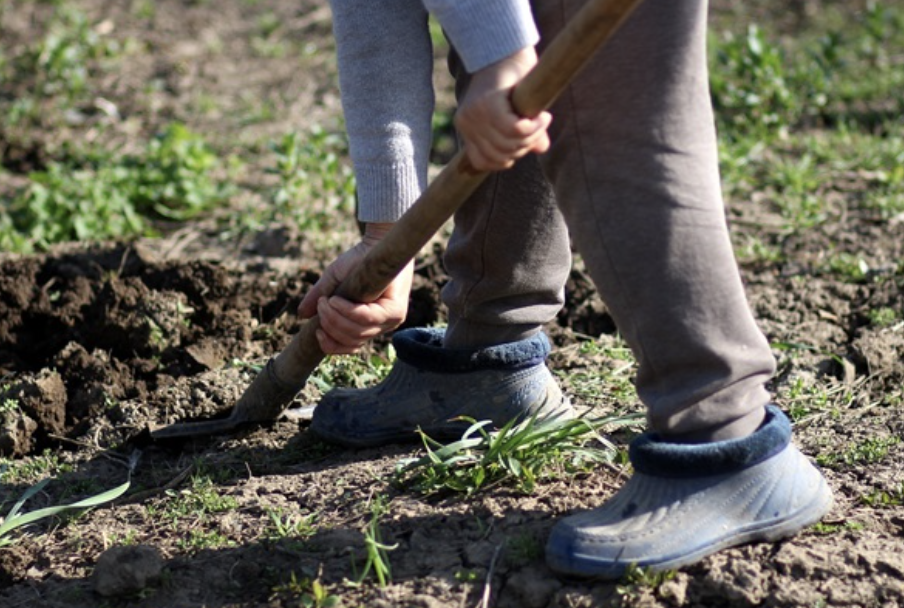
I used to think “ergonomic” was just a fancy word… until my wrist started aching after a long pruning session. That’s when comfort stopped being a nice extra.
Ergonomic garden tools matter because they reduce strain on hands, wrists, knees, and back. Better comfort means gardeners work longer with less pain, make cleaner cuts, and enjoy the garden more—so they buy better tools and replace them less often.
Let’s talk about why comfort is a big deal (even if people don’t say it loudly).
What Makes a Garden Tool Truly Ergonomic?
A tool isn’t ergonomic because the label says so. It’s ergonomic when it fits the human body and reduces stress during real work.
A truly ergonomic garden tool has a comfortable grip shape, non-slip materials, good weight balance, and a handle angle that keeps wrists in a natural position. It should reduce force needed for cutting, digging, or pulling—especially during repeated motions.
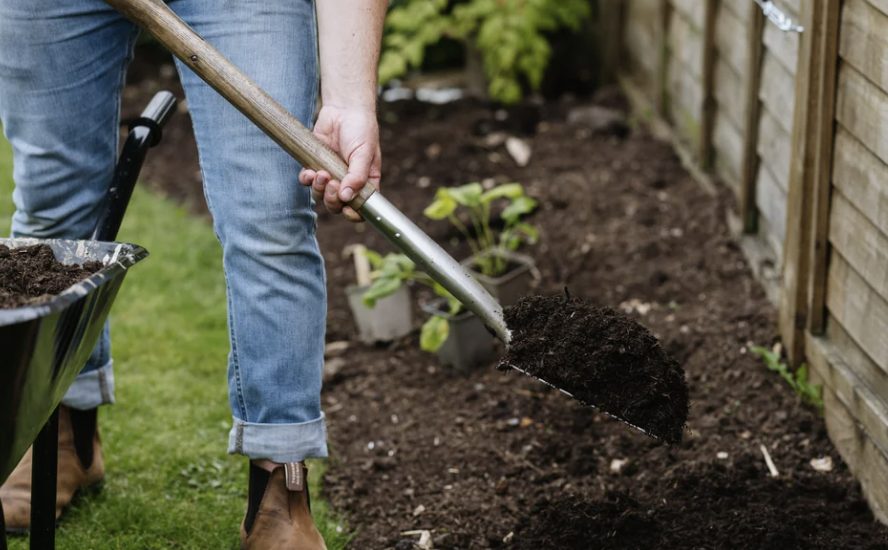
Here’s the simple test I use:
If a tool makes you tense your hand, it’s not ergonomic.
If a tool lets you relax while working, it is.
1) Grip shape that matches real hands
Good ergonomic grips usually have:
- a thicker “easy to hold” shape (not too thin)
- gentle curves for finger placement
- soft touch points (but not squishy and weak)
Thin handles force tighter grip, which tires the hand fast.
2) Non-slip control (especially when wet)
Gardening is not a dry office job.
Hands get:
- wet
- muddy
- sweaty
So an ergonomic tool needs grip texture that stays stable even when conditions are messy.
3) Better angle = better wrist position
This is a big one.
If the handle angle forces your wrist to bend, you feel it later—sometimes the next day.
Good ergonomics keeps:
- wrist straight
- elbow relaxed
- shoulder not raised
4) Weight and balance that feels “light in use”
A tool can be heavy, but still feel comfortable if it’s balanced.
Bad balance feels like fighting gravity.
Good balance feels like the tool is helping you.
5) Reduced force requirement (the hidden ergonomic factor)
For pruners and shears:
- smooth cutting action
- good blade alignment
- spring that doesn’t fight you[^1]
For digging tools:
- strong head that cuts soil cleanly
- handle length that reduces bending[^2]
- footstep area (for spades) that feels stable
Ergonomic checklist table
| Ergonomic element | What it should do | What it prevents |
|---|---|---|
| grip shape | fit hand naturally | hand fatigue |
| non-slip texture | control in wet/mud | slipping injuries |
| handle angle | keep wrist neutral | wrist strain |
| balance | feel lighter in use | shoulder fatigue |
| low-force action | reduce effort per motion | overuse pain |
If you want a quick tool-evaluation format, I often use an ergonomic scorecard when comparing designs.
How Comfort Improves Gardening Efficiency
Comfort sounds soft, but it creates hard results: faster work, fewer breaks, and cleaner tasks.
Comfort improves efficiency by reducing fatigue and pain, which allows gardeners to work longer with steady control. Ergonomic tools also improve precision—cleaner pruning cuts, smoother digging, and safer weeding—so tasks finish faster with less rework.
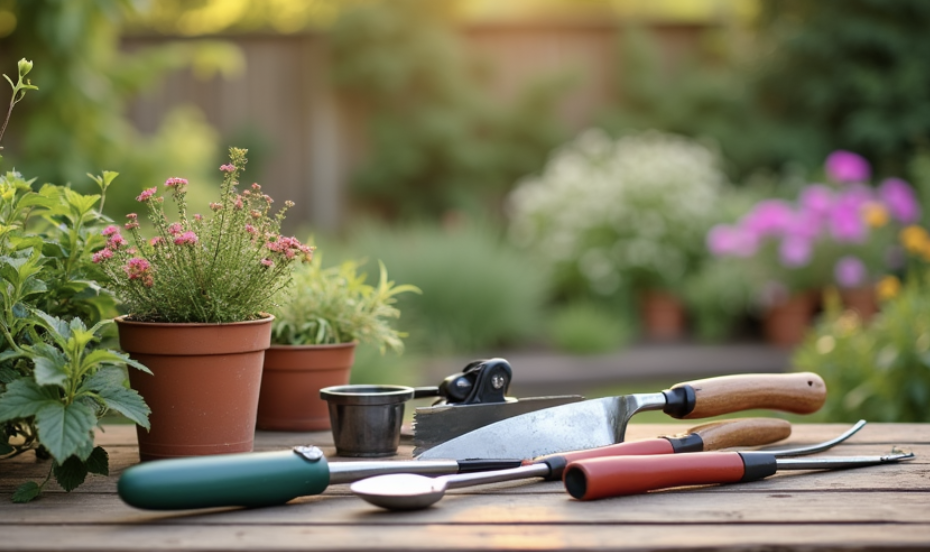
I’ll give you a real example.
When pruners are uncomfortable, people do this:
- they squeeze harder
- they cut at a weird angle
- they stop early
- they leave messy stems
- they avoid pruning the next time
When pruners feel comfortable, people:
- keep a steady grip
- make clean cuts
- work longer
- finish the job properly
That’s efficiency.
1) Less fatigue = fewer breaks
Fatigue is the invisible time-waster.
Ergonomic tools reduce:
- wrist strain
- finger pressure
- shoulder tension
- back bending
So gardening sessions become smoother.
2) Better control = less rework
Better control means:
- fewer damaged plants[^4]
- fewer broken stems
- less accidental “oops cuts”
- less tool slipping
Rework is expensive—in time and in plant health.
3) Clean cuts help plants recover faster
This is a quiet advantage.
A clean cut:
- heals faster
- reduces disease risk
- keeps plants healthier
So the gardener spends less time dealing with plant problems later.
4) Comfort makes gardening more enjoyable
This sounds emotional, but it’s real.
If gardening hurts, people stop.
If gardening feels good, they do it more often.
More gardening means more product usage and more repeat buying (in a healthy way).
Efficiency impact table
| Comfort benefit | Efficiency result |
|---|---|
| less fatigue | longer working time |
| better control | fewer mistakes |
| cleaner cuts | healthier plants |
| safer handling | fewer injuries |
| more enjoyment | more frequent gardening |
If you want a product positioning line, I like: work longer, hurt less. Simple and real.
Why More Consumers Choose User-Friendly Tools
Consumer expectations are changing. People now treat garden tools like kitchen tools: they want comfort, safety, and good design.
More consumers choose user-friendly tools because they garden in short sessions, care about comfort and safety, read reviews, and prefer products that feel premium without being complicated. Ergonomic design reduces pain and makes gardening more accessible for older users and beginners.

I see this trend in two groups especially.
1) Beginners (they don’t want frustration)
Beginners want:
- tools that “make sense”
- easy grip
- easy results
If the first experience feels painful, they quit.
So user-friendly tools help the category grow.
2) Older users (comfort becomes a real need)
Many older gardeners still love gardening, but they want:
- less strain[^5]
- easier cutting
- better leverage
- safer handling
Ergonomic tools keep gardening accessible[^6]. That’s a strong emotional driver.
3) Review culture changes buying behavior
Today, one uncomfortable tool can get:
- bad reviews
- returns
- reputation damage
So brands are pushed to improve comfort.
4) “Premium feel” is now part of normal expectation
People want tools that feel:
- solid
- comfortable
- well-made
- not cheap in the hand
Even if they buy mid-range, they want premium touch.
Consumer driver table
| Consumer driver | What they look for |
|---|---|
| short gardening sessions | quick comfort and control |
| older gardeners | less strain tools |
| beginners | easy use and safety |
| review culture | fewer complaints and returns |
| premium expectation | better grip and finish |
That’s why ergonomic isn’t a niche anymore. It’s becoming standard.
Business Opportunities in Premium Ergonomic Products
Ergonomic tools create a strong business opportunity because they allow better pricing, lower returns, and clearer product differentiation.
Premium ergonomic tools offer higher perceived value, better margins, and stronger brand loyalty because customers feel the difference immediately. For retailers, ergonomic products reduce returns and support “upgrade” selling from basic to premium.
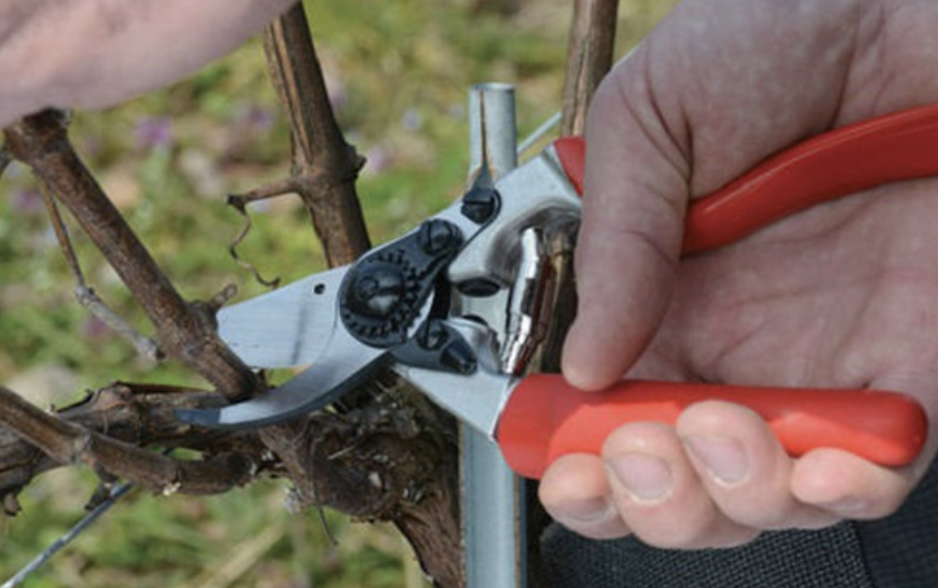
From the business side, ergonomic tools are attractive for one simple reason:
The customer can feel the value in 5 seconds.
They pick it up, squeeze it, and think:
“Oh… this is nicer.”
That instant feeling supports premium pricing.
1) Ergonomic tools are perfect for “good-better-best” ranges
A simple ladder works well:
- basic tools (entry price)
- comfort tools (mid-tier)
- ergonomic premium tools (top tier)
Customers often start basic and upgrade later.
2) Bundles become easier to sell
Ergonomic bundles sell because they feel like a gift:
- ergonomic pruner + gloves
- comfort trowel + hand fork
- kneeling pad + weeder
Bundles increase basket size and reduce price pressure.
I map bundles with a bundle plan.
3) Lower return risk can protect margin
Uncomfortable tools get returned.[^7]
Ergonomic tools get kept.
They reduce:[^8]
- “hurts my hand” complaints
- “too hard to use” complaints
- negative reviews
That’s hidden profit protection.
4) Great for premium positioning without being “luxury”
Ergonomic products can be premium without being expensive luxury.
You can sell the idea of:
- comfort
- safety
- less pain
- better gardening experience
That story works in many markets.
Business opportunity table
| Opportunity | Why it’s valuable |
|---|---|
| higher perceived value | supports better pricing |
| product differentiation | stands out on shelf |
| upgrade path | builds repeat sales |
| fewer returns | protects profit |
| brand trust | comfort creates loyalty |
If you want, I can help you create a simple premium ergonomic range concept using a SKU ladder and a feature checklist.
Conclusion
Ergonomic tools aren’t a luxury—they’re the reason people garden longer, buy better, and stay loyal to the brands that feel good in the hand.
[^1]: "[PDF] A Guide to Selecting Non-Powered Hand Tools – CDC", https://www.cdc.gov/niosh/docs/2004-164/pdfs/2004-164.pdf. Hand-tool ergonomics literature identifies spring return, grip force, and repetitive squeezing as factors that can affect hand fatigue and musculoskeletal load; this supports the preference for a pruner spring that opens the tool without requiring excessive counterforce. Evidence role: mechanism; source type: government. Supports: A pruner or shear spring should assist the cutting cycle without increasing hand effort or fatigue.. Scope note: The evidence is general to hand-tool ergonomics and repetitive gripping, not necessarily a direct test of every pruner spring design.
[^2]: "Promoting health and productivity through ergonomic practices for …", https://www.canr.msu.edu/news/promoting-health-and-productivity-through-ergonomic-practices-for-farming-and-gardening. Ergonomics guidance for gardening and manual tool use commonly recommends selecting tools with handle lengths that allow work in a more upright posture, because reduced trunk flexion can lower back strain; this supports the design rationale rather than proving a specific handle length for every user. Evidence role: expert_consensus; source type: institution. Supports: Longer or appropriately sized handles on digging tools can reduce bending and associated strain.. Scope note: Contextual support only; ideal handle length varies by user height, task, soil conditions, and tool type.
[^3]: "Effect of elliptic handle shape on grasping strategies, grip force …", https://pmc.ncbi.nlm.nih.gov/articles/PMC8856563/. Ergonomics research generally finds that tool-handle design and user comfort affect grip force, precision, and task performance, supporting the link between comfortable hand tools and improved control. Evidence role: mechanism; source type: paper. Supports: Comfort improves control when using hand tools.. Scope note: The evidence is likely to come from general hand-tool ergonomics studies rather than plant-pruning-specific trials.
[^4]: "Follow Proper Pruning Techniques – Earth-Kind® Landscaping …", https://aggie-horticulture.tamu.edu/earthkind/landscape/proper-pruning-techniques/. Horticultural guidance on pruning describes how clean, controlled cuts reduce unnecessary plant injury and help limit stress or disease entry, providing contextual support for the claim that better tool control can reduce plant damage. Evidence role: general_support; source type: education. Supports: Better control during pruning can lead to fewer damaged plants.. Scope note: Such sources typically support the principle that proper pruning reduces damage, but may not quantify damage reductions from improved tool control specifically.
[^5]: "Ergonomic Tools in the Garden – SDSU Extension", https://extension.sdstate.edu/ergonomic-tools-garden. Ergonomics guidance for gardening describes tool and task modifications as ways to reduce awkward postures, forceful exertion, and musculoskeletal strain during garden work. Evidence role: expert_consensus; source type: education. Supports: Older gardeners want gardening tools and practices that create less physical strain.. Scope note: This supports the general ergonomic rationale rather than proving that all older gardeners specifically prioritize reduced strain.
[^6]: "Adaptive Gardening Tools – North Carolina Botanical Garden", https://ncbg.unc.edu/engagement/therapeutic-horticulture/adaptive-tools/. Research and extension guidance on adaptive or ergonomic gardening indicates that modified tools, raised beds, and reduced-force designs can help people with age-related limitations or disabilities continue gardening activities. Evidence role: general_support; source type: education. Supports: Ergonomic tools can help keep gardening accessible for older adults or people with physical limitations.. Scope note: The evidence is contextual: it supports accessibility benefits of ergonomic and adaptive gardening tools, but it may not measure emotional motivation directly.
[^7]: "Occupational Ergonomics: A Special Domain for the Benefit … – PMC", https://pmc.ncbi.nlm.nih.gov/articles/PMC9674068/. Human-factors literature links product discomfort and poor usability with user dissatisfaction and reduced acceptance, supporting the general connection between uncomfortable tools and higher likelihood of rejection or return. Evidence role: general_support; source type: paper. Supports: Uncomfortable tools are more likely to be returned by customers.. Scope note: This would support the behavioral relationship indirectly; it may not provide return-rate data for this specific product category.
[^8]: "[PDF] A Guide to Selecting Non-Powered Hand Tools – CDC", https://www.cdc.gov/niosh/docs/2004-164/pdfs/2004-164.pdf. Ergonomics research indicates that well-designed hand tools can reduce physical strain, discomfort, and perceived effort, which provides contextual support for claims that ergonomic tools may reduce complaints about hand pain and difficulty of use. Evidence role: expert_consensus; source type: paper. Supports: Ergonomic tools reduce hand-pain complaints, difficulty-of-use complaints, and negative reviews.. Scope note: The source may substantiate reductions in discomfort and effort, but it may not directly measure customer complaints or online review sentiment.