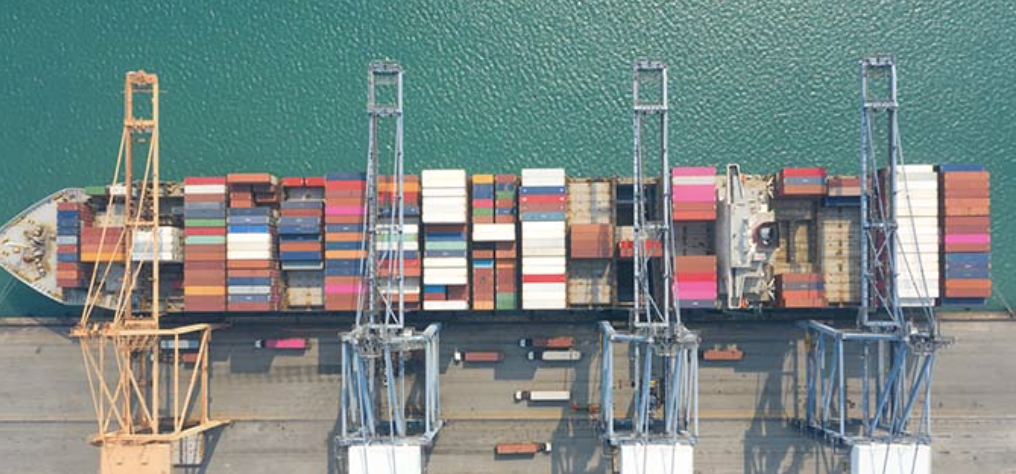
I’ve seen June arrive quietly, then freight quotations suddenly climb before importers have finished asking, “What changed?”
Ocean freight rates often rise in June and July because peak-season orders increase while vessel space, containers, and port capacity remain limited. Early booking and flexible planning can reduce the impact.
The increase is rarely caused by one problem. Several pressures usually arrive together.
Why Does the Traditional Peak Shipping Season Begin in June and July?
Retailers begin moving autumn, back-to-school, and Christmas products months before customers see them in stores.
The traditional ocean freight peak season often starts in June or July because importers must ship autumn and holiday goods early enough to cover production, sailing, customs clearance, and inland delivery before retail deadlines.
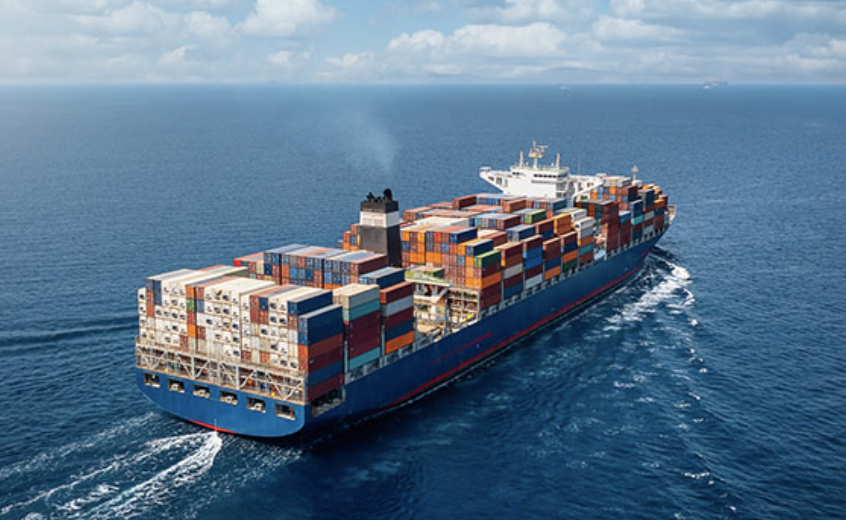
From the outside, June can look early for Christmas or autumn products. From an importer’s desk, it may already feel late.
A product does not move directly from a Chinese factory to a retail shelf. It must pass through several stages:
- final production and inspection;
- export packing and container loading;
- port delivery and customs clearance;
- ocean transit;
- destination clearance;
- warehouse delivery and distribution.
When all these stages are added together, an importer may need to ship several months before the selling season begins.
Seasonal goods create fixed deadlines
Garden products, school supplies, autumn homeware, Halloween decorations, and Christmas items all have clear selling windows[^1].
A delayed shipment of normal hardware may still be sold later. A container of Christmas decorations arriving in January is a very different story.
That fixed deadline encourages buyers to secure space early[^2]. Once many companies do the same thing, demand rises quickly.
Importers increasingly bring orders forward
Experienced buyers remember previous congestion, vessel delays, or sudden rate increases. Instead of waiting for the normal peak, they move orders forward.
This creates a simple chain reaction:
- Importers book earlier to avoid congestion.
- Earlier bookings fill June and July sailings.
- Available space becomes tighter.
- Carriers gain more power to raise rates.
- Other importers rush to book before prices rise again.
In some years, political changes, tariffs, fuel costs, or route disruptions can make this front-loading even stronger.
Carriers introduce peak-season charges
When demand strengthens, shipping lines may introduce:
- Peak Season Surcharges;
- General Rate Increases;
- Emergency Fuel Surcharges;
- premium space or guaranteed-loading fees.
The important lesson is that the freight market does not always wait for the official peak season. Rates can begin rising as soon as carriers see stronger bookings.
| Seasonal driver | Effect on importers |
|---|---|
| Autumn and holiday orders | More cargo enters the market |
| Fixed retail deadlines | Buyers accept higher rates to avoid delays |
| Early inventory building | Peak demand moves into June |
| Carrier surcharges | Total freight cost rises quickly |
| Fear of future increases | Importers rush to book space |
I normally encourage buyers to prepare a seasonal shipping calendar before placing production orders. It helps us work backwards from the required warehouse delivery date rather than guessing from the factory completion date.
How Does Increased Demand Affect Container Availability?
Higher cargo demand does not only make vessel space tighter. It can also make the right container harder to obtain at the right port.
When demand increases, empty containers are collected faster and loaded onto more export shipments. Regional imbalances can then cause shortages of specific equipment, delayed container release, and higher costs for securing suitable boxes.
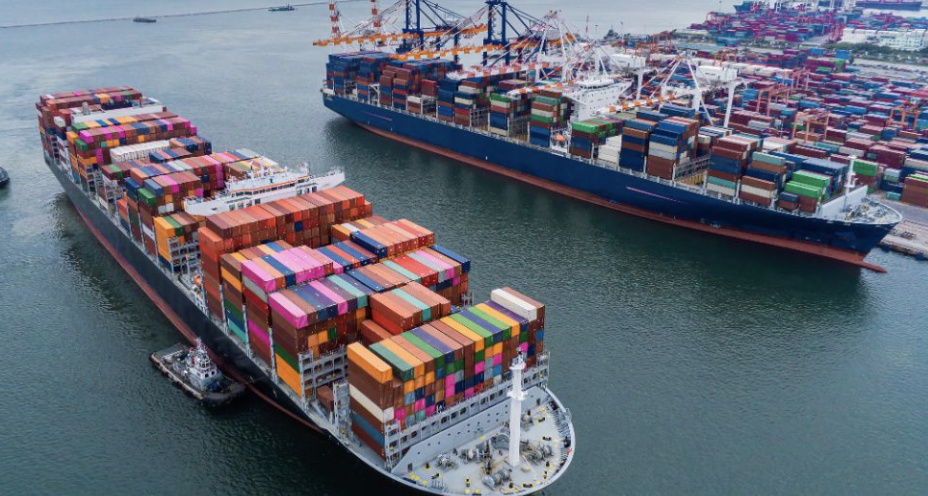
A shipping line may technically have space on a vessel, but that does not help if the exporter cannot obtain an empty container.
This is why container availability deserves its own place in a freight plan.
Containers are not always where exporters need them
Global trade is unbalanced.
Some regions export much more than they import, while others receive large volumes and return fewer loaded containers. Shipping lines must constantly reposition empty equipment.
During a quiet period, this system may work without much attention. During June and July, a sudden increase in exports can drain container depots quickly.
The most common pressure is usually on:
- 40-foot high-cube containers;
- refrigerated containers;
- open-top or flat-rack equipment;
- food-grade or especially clean containers.
For garden products, outdoor decorations, fence panels, trellises, and seasonal goods, the 40-foot high-cube container is often important because the cargo is bulky rather than extremely heavy.
Shortages create delays before cargo reaches the port
An equipment shortage may cause:[^3]
- a later empty-container pickup date;
- extra trucking arrangements;
- a change of depot;
- substitution with another container size;
- missed cut-off dates;
- movement to the next sailing.
This is frustrating because production may be complete, yet the shipment still cannot move[^4].
Late bookings receive fewer choices
When equipment becomes tight, carriers and depots often prioritise confirmed bookings and regular customers.
A buyer who books after the cargo is already finished may discover that:
- the preferred container type is unavailable;
- the cheapest sailing has closed;
- only a slower transshipment service remains;
- premium space is required.
That is why I do not like waiting until the final inspection to discuss shipping.
Forecasting helps suppliers and forwarders prepare
A simple forecast can improve equipment planning.
Importers should share:
- estimated cargo-ready date;
- expected container type;
- approximate volume and weight;
- preferred departure port;
- acceptable alternative sailing dates.
It does not need to be perfect. An early estimate is still more useful than a last-minute emergency.
| Container problem | Possible result | Preventive action |
|---|---|---|
| No empty 40HC available | Loading is postponed | Reserve equipment earlier |
| Empty container at another depot | Higher trucking cost | Confirm pickup depot in advance |
| Poor-quality container | Cargo or packaging damage | Inspect the empty container |
| Missed terminal cut-off | Booking moves to next vessel | Build loading and gate-in buffer |
| Special equipment shortage | Long delay or premium cost | Forecast unusual container needs |
For important orders, I use a container availability checklist covering equipment release, depot location, cut-off time, and backup container options.
How Do Port Congestion, Equipment Shortages, and Carrier Capacity Management Raise Rates?
Freight prices rise when more cargo competes for fewer reliable sailing opportunities.
Port congestion slows vessels and containers, equipment shortages delay loading, and carrier capacity management reduces available space. Together, these conditions create tighter supply and allow shipping lines to maintain higher freight rates.
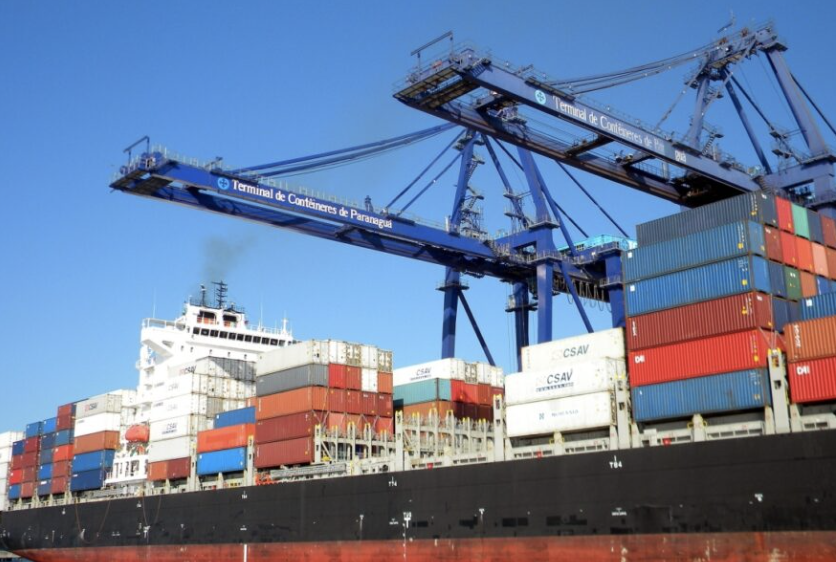
People sometimes imagine ocean freight capacity as a fixed number of ships sailing on a fixed schedule.
In reality, usable capacity changes constantly.
A vessel may be delayed at an earlier port. A terminal may become crowded. A carrier may cancel a sailing. Containers may be stuck in the wrong region.
The ship still exists, but the space available to importers this week becomes smaller.
Port congestion reduces effective capacity
When a port becomes congested, vessels may wait for a berth or spend longer completing loading and unloading.
This creates several problems:
- the vessel arrives late at its next port;
- empty containers return more slowly;
- terminal yards become crowded;
- trucks face longer waiting times;
- future sailings lose schedule reliability.
One delay can travel across an entire service rotation.
For importers, this means the advertised transit time may be very different from the realistic delivery time.
Blank sailings tighten supply
A blank sailing happens when a shipping line cancels a scheduled voyage or skips a port.[^5]
Carriers may use blank sailings because of:
- weak demand;
- schedule recovery;
- vessel repositioning;
- port congestion;
- efforts to manage capacity and freight rates.[^6]
During a rising market, cancelled sailings can make space significantly tighter. Cargo from one week must compete with cargo planned for the next week.
Capacity management supports higher prices
Shipping lines carefully manage their networks. When too much capacity is available, rates usually fall. When capacity is limited, carriers have more pricing power.
Capacity can be controlled through:
- blank sailings;
- reduced service frequency;
- smaller vessel deployment;
- port omissions;
- tighter allocation rules;
- limited acceptance of low-rate cargo.
This does not mean every rate increase is artificial. Real demand, fuel costs, congestion, and route disruption also matter. However, carrier capacity decisions can amplify the movement.
Premium services become more attractive during disruption
When normal bookings face high roll risk, importers may be offered premium products with stronger loading priority.
These can protect a critical shipment, but they also increase the cost.
Before paying for premium space, I ask:
- Is loading actually guaranteed?
- What happens if the shipment is still rolled?
- Is the service direct or transshipment?
- Are all surcharges included?
- Is there a cheaper sailing a few days earlier or later?
| Market pressure | Effect on capacity | Effect on freight cost |
|---|---|---|
| Port congestion | Slower vessel rotation | Rates and delay risk rise |
| Blank sailings | Fewer weekly slots | Remaining space becomes more expensive |
| Container shortages | Fewer shipments can load | Equipment premiums may appear |
| Carrier allocation control | Less low-rate space | Importers pay more for priority |
| Fuel or route disruption | Higher operating cost | Surcharges increase |
I recommend comparing an all-in freight breakdown, not only the basic ocean rate. A cheap headline rate may hide surcharges, long transit, or high roll risk.
What Strategies Can Importers Use to Reduce Freight Costs During Peak Season?
Importers cannot control the market, but they can control booking time, packing efficiency, routing flexibility, and communication.
To reduce peak-season freight costs, book before cargo completion, improve container utilisation, compare several services, avoid last-minute changes, consolidate orders, and maintain backup carriers or routes for critical shipments.
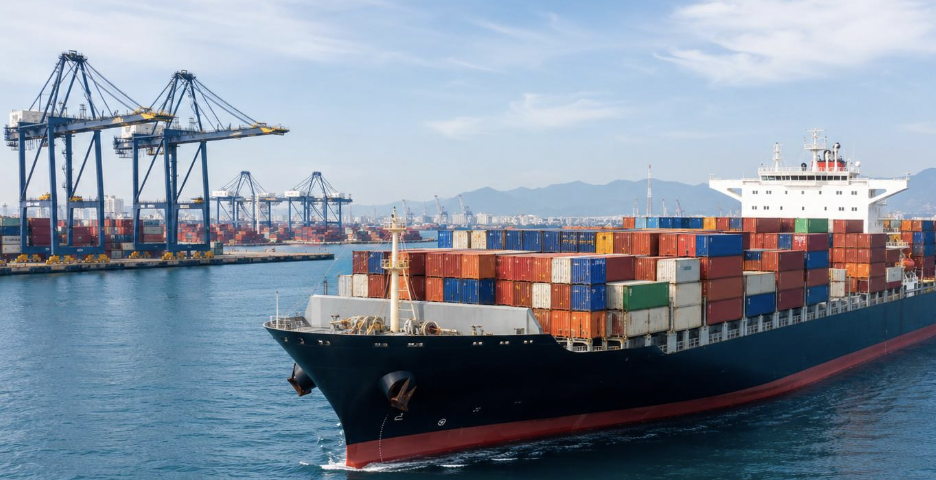
I have never found one magic trick that removes peak-season costs. The savings usually come from several small, disciplined decisions.
1. Work backwards from the required delivery date
Do not begin with: “When will the factory finish?”
Begin with: “When must the goods arrive at the warehouse?”
Then allow time for:
- inland delivery;
- customs clearance;
- ocean transit;
- possible transshipment;
- port congestion;
- loading and inspection.
This creates a realistic latest-shipment date.
2. Book before production is fully completed
A provisional booking can often be made using an estimated cargo-ready date[^7].
The supplier and forwarder can adjust the final details later, within the carrier’s rules.
This is safer than waiting until every carton is ready and discovering that the next affordable sailing is full[^8].
3. Improve container utilisation
For bulky garden products, packaging design strongly affects freight cost per unit.
Importers can reduce cost by reviewing:
- product nesting;
- disassembled structures;
- carton dimensions;
- units per carton;
- empty space inside packaging;
- mixed-SKU loading plans.
However, I never reduce packaging so aggressively that product damage increases. Saving freight while creating returns is not a saving.
4. Compare routes, not only rates
A cheaper transshipment service may add one or two weeks and more disruption risk.
A more expensive direct service may protect a seasonal launch.
Compare:
- total transit time;
- number of transshipment ports;
- sailing frequency;
- roll history;
- destination charges;
- free time at destination.
The lowest ocean rate is not always the lowest total cost.
5. Keep dates and routing flexible
Flexibility creates negotiating power.
Even allowing a departure window of several days may open:
- another shipping line;
- a different vessel;
- an alternative nearby port;
- a better container release option.
For example, exporters in eastern China may compare services from Ningbo and Shanghai when trucking cost and booking conditions allow.
6. Consolidate orders carefully
Combining several SKUs into one FCL shipment may reduce cost per unit compared with multiple LCL shipments.
This works especially well for importers buying:
- trellises;
- outdoor clocks;
- bird feeders;
- garden tools;
- decorations;
- mixed seasonal collections.
The specifications and production dates must be coordinated early, or one delayed SKU can hold the entire container.
7. Build a two-carrier strategy
Depending on one shipping line can become risky during peak season.
For repeat shipments, I prefer:
- one main carrier or forwarder;
- one tested backup option;
- an agreed escalation process for rolled cargo.
This does not guarantee the lowest quote every week. It does reduce panic buying when the market tightens.
8. Ask for complete quotations
A proper comparison should include:
- ocean freight;
- origin charges;
- documentation fees;
- surcharges;
- destination charges where available;
- validity period;
- free time;
- route and transit estimate.
| Cost-control action | Main benefit | Risk to manage |
|---|---|---|
| Book early | Better rates and space choices | Cargo-ready date must be realistic |
| Optimise packaging | Lower freight per unit | Do not weaken protection |
| Compare direct and transshipment | Better cost-time balance | Longer routes add risk |
| Consolidate into FCL | Lower unit handling cost | One delayed SKU can hold cargo |
| Use backup carriers | More recovery options | Rates and terms may differ |
| Freeze order details early | Avoid amendment fees and delays | Artwork and specs need approval |
My preferred approach is a peak-season shipping plan covering production milestones, booking dates, backup sailings, and the maximum acceptable freight cost.
It sounds slightly boring. That is exactly why it works.
Conclusion
June and July rates rise when seasonal demand meets limited capacity. Book early, stay flexible, and manage total shipping cost—not just the headline rate.
[^1]: "[PDF] Dynamic Inventory Allocation for Seasonal Merchandise at Dillard’s", https://www2.isye.gatech.edu/~atoriello3/Dillards.pdf. Retail and operations-management literature describes seasonal merchandise as products whose demand is concentrated in limited calendar periods, supporting the claim that items such as holiday decorations and school supplies have constrained selling windows. Evidence role: expert_consensus; source type: paper. Supports: Garden products, school supplies, autumn homeware, Halloween decorations, and Christmas items all have clear selling windows.. Scope note: The source is likely to support the general concept of seasonal demand rather than each listed product category individually.
[^2]: "[PDF] 60th Annual Report of the Federal Maritime Commission", https://www.fmc.gov/wp-content/uploads/2022/04/60thAnnualReport.pdf. Maritime trade and retail import reports describe pre-holiday peak-season shipping patterns in which importers arrange capacity ahead of expected sales periods, supporting the link between fixed retail deadlines and earlier freight booking behavior. Evidence role: general_support; source type: institution. Supports: Fixed retail deadlines encourage buyers to secure shipping space early, and simultaneous booking by many companies can increase demand quickly.. Scope note: Such sources usually document aggregate peak-season behavior and may not prove that every buyer books early for every seasonal product category.
[^3]: "[PDF] A Metric of Global Maritime Supply Chain Disruptions.", https://openknowledge.worldbank.org/bitstreams/f56eba44-aa9c-4f28-80af-d216fffd804d/download. An institutional maritime-trade source documents that shortages or imbalances of empty containers can delay cargo handling, require operational changes, and disrupt planned vessel departures; this supports the listed consequences as typical logistics effects rather than as guarantees in every shipment. Evidence role: general_support; source type: institution. Supports: An equipment shortage can lead to pickup delays, trucking changes, depot changes, container-size substitutions, missed cut-offs, or movement to a later sailing.. Scope note: The source may describe container shortages at an industry or regional level, so it provides contextual support rather than proof for any individual shipment.
[^4]: "Truck Information | Port Authority of New York and New Jersey", https://www.panynj.gov/port/en/shipping/truck.html. A government or educational export-logistics source explains that cargo readiness alone is insufficient for ocean export: the shipper must obtain an empty container, load it, and deliver it before terminal and vessel cut-off requirements; this supports the mechanism by which finished goods may remain unable to ship when equipment is unavailable. Evidence role: mechanism; source type: government. Supports: Even when production is finished, a shipment may be unable to move if the required empty container or export-equipment process is not available in time.. Scope note: This supports the procedural mechanism generally and may not address every carrier’s or port’s specific booking workflow.
[^5]: "[PDF] fact finding investigation 29 final report – Federal Maritime Commission", https://www.fmc.gov/wp-content/uploads/2022/06/FactFinding29FinalReport.pdf. A neutral shipping or maritime-trade glossary defines a blank sailing as the cancellation of a scheduled vessel voyage or port call, supporting the article’s definition of the term. Evidence role: definition; source type: institution. Supports: A blank sailing is a cancelled scheduled voyage or skipped port call by a shipping line..
[^6]: "Blank Sailings in Shipping: Causes, Impacts & Strategies", https://lmitac.com/articles/blank-sailings-disrupt-supply-chain-reliability. Research on container liner shipping describes blank sailings as a capacity-management mechanism that can reduce offered capacity and influence freight-rate conditions, supporting the claim in general terms; it does not establish the motive behind any specific cancelled sailing. Evidence role: mechanism; source type: paper. Supports: Carriers may use blank sailings to manage capacity and freight rates.. Scope note: The support is contextual and industry-level rather than proof of intent for a particular carrier decision.
[^7]: "Know Your Incoterms – International Trade Administration", https://www.trade.gov/know-your-incoterms. A freight-booking or export-logistics source should support that ocean or air cargo bookings are commonly initiated before final shipment particulars are fixed, using planned availability dates such as the cargo-ready date; this supports the operational practice rather than proving that all carriers accept provisional bookings. Evidence role: general_support; source type: institution. Supports: A provisional booking can often be made using an estimated cargo-ready date.. Scope note: Carrier acceptance and amendment windows vary by route, service, and booking terms.
[^8]: "Review of Maritime Transport 2025: Staying the course in turbulent …", https://unctad.org/publication/review-maritime-transport-2025. A neutral maritime-logistics source should document that container shipping capacity is finite and that sailing schedules or space availability can constrain shipper bookings; this provides context for why earlier booking may reduce the risk of missing lower-cost sailings, but it does not quantify the risk for a specific trade lane. Evidence role: mechanism; source type: institution. Supports: Waiting until every carton is ready can be riskier because available space on the next affordable sailing may be unavailable.. Scope note: The source would support the capacity and scheduling mechanism generally, not the specific likelihood that any given affordable sailing will be full.