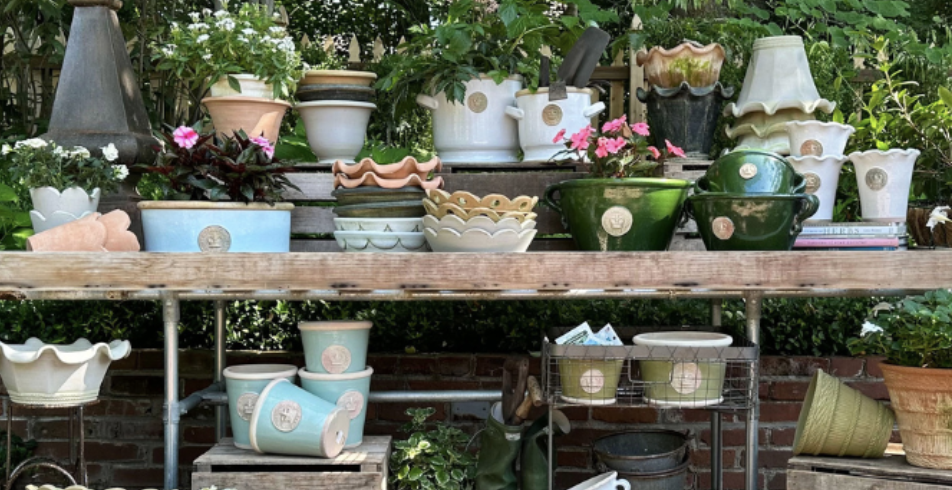
I’ve noticed that customers no longer choose flower pots only by size. They now expect planters to support their plants, lifestyle, and home design.
The leading flower pot trends for retailers in 2026 include sustainable materials, oversized decorative planters, self-watering systems, and natural textures with premium finishes.
For retailers, the opportunity lies in combining practical gardening features with attractive, furniture-like design.
Sustainable and Eco-Friendly Flower Pots Continue to Grow
Sustainability is moving from a marketing idea to a practical buying requirement for flower pots and planters.
Eco-friendly flower pots made from recycled plastics, responsibly sourced natural fibres, biodegradable materials, and long-lasting composites are gaining attention as consumers look for durable products with less environmental impact.
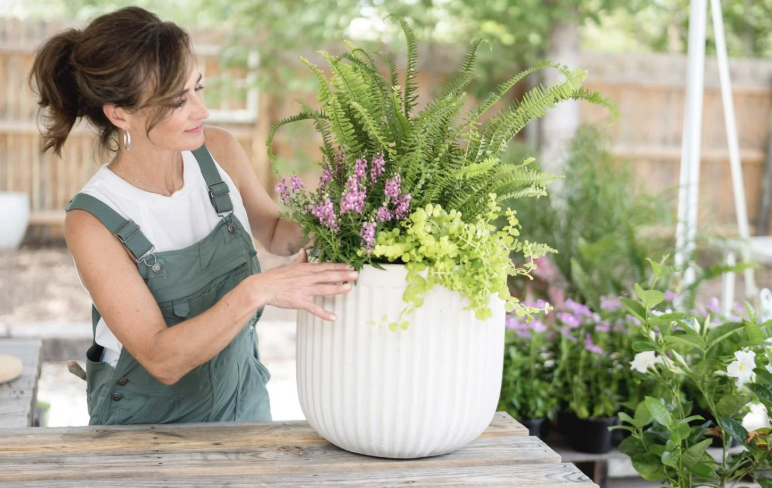
For many years, sustainability in garden products was treated as an additional feature. In 2026, it is becoming part of the basic product decision.
Consumers are asking more questions about:
- what a flower pot is made from;
- whether recycled material is used;
- how long the product will last outdoors;
- whether the packaging can be recycled;
- whether the planter can be reused for several seasons.
However, retailers should be careful with one common misunderstanding.
An eco-friendly flower pot is not automatically a weak or disposable product.
In fact, durability is one of the most important parts of sustainability. A planter that lasts for many years may have a lower overall environmental impact than one that must be replaced every season.
Recycled plastic planters remain commercially practical
Recycled plastic is attractive to retailers because it can provide:
- low weight;
- resistance to moisture;
- flexibility in colour and shape;
- lower transport cost than heavy ceramic pots;
- easier handling for customers.
For outdoor use, the material still needs proper UV resistance. Without it, recycled plastic pots may fade, become brittle, or crack after long exposure to sunlight.
Retailers should therefore ask suppliers about:
- recycled material percentage;
- UV stabilisation;
- colour consistency;
- impact resistance;
- outdoor temperature performance.
Natural-fibre and biodegradable pots serve different markets
Coir, bamboo fibre, wood fibre, rice husk, and pulp-based planting pots can appeal to environmentally aware consumers.
Some are designed for temporary nursery use and can be planted directly into the soil[^1]. Others are combined with resin or plastic to create more durable decorative planters[^2].
These two product types should not be confused.
A biodegradable seedling pot is expected to break down. A decorative patio planter is expected to survive rain, watering, and repeated use.
The product description must clearly explain its intended lifespan and application.
Packaging also affects the sustainability story
Retailers should look beyond the flower pot itself.
Sustainable packaging may include:
- recyclable cardboard;
- reduced plastic bags;
- nested packing;
- smaller cartons;
- paper-based protection;
- clear recycling instructions.
Nested flower pots are particularly useful because they reduce empty space during transport. This can lower freight cost per unit and reduce the number of cartons required.
| Sustainable trend | Retail advantage | Quality point to check |
|---|---|---|
| Recycled plastic | Lightweight and scalable | UV and impact resistance |
| Natural-fibre composites | Natural appearance | Moisture resistance |
| Biodegradable nursery pots | Strong environmental message | Storage life and strength |
| Long-life composite planters | Reusable for many seasons | Colour and weather stability |
| Reduced packaging | Lower waste and freight volume | Protection during transport |
For retailers, the strongest message is not simply made from recycled materials. It is “made responsibly and designed to last.”
Large Decorative Planters for Outdoor Living Spaces
Large planters are becoming important design features as patios, balconies, entrances, and gardens are treated like additional rooms.
Large decorative planters are trending in 2026 because they can create focal points, define outdoor zones, add privacy, and connect plants with furniture and architecture.
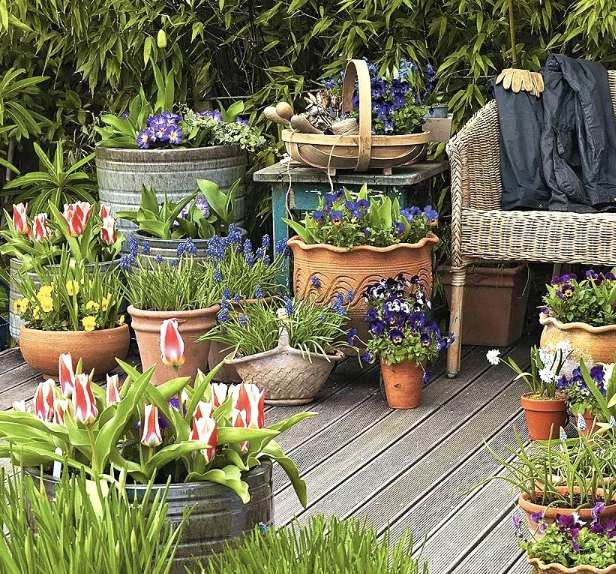
Outdoor living has changed the role of a flower pot.
A small pot normally supports one plant. A large planter can shape an entire space.
Retail customers increasingly use oversized planters to:
- frame entrance doors;
- separate dining and seating areas;
- soften empty patio corners;
- add height to flat landscapes;
- create privacy with tall plants;
- decorate commercial entrances;
- guide movement through outdoor spaces.
This makes large planters closer to outdoor furniture than ordinary gardening accessories.
Tall planters create structure and privacy
Tall square, rectangular, and tapered planters work well beside:
- doorways;
- gates;
- restaurant terraces;
- balcony walls;
- swimming pools;
- office entrances.
When planted with bamboo, grasses, shrubs, or small trees, they can form natural privacy barriers.
Planter-and-screen combinations are also becoming more practical for urban gardens. These products combine a planter base with a trellis or privacy panel, allowing climbing plants to grow vertically.
For retailers, this creates an opportunity to sell a complete solution rather than a single container.
Lightweight materials make large pots easier to sell
Traditional large ceramic or stone pots can be beautiful, but they are difficult to transport and handle.
Modern alternatives include:
- fibreglass;
- fibre clay;
- resin;
- rotationally moulded plastic;
- lightweight cement composites;
- metal planters with internal liners.
These materials can create the appearance of stone, concrete, ceramic, or metal without the same weight.
However, lightweight planters need good structural design. Large, thin-walled products may deform, crack, or become unstable in strong wind.
Retailers should check:
- wall thickness;
- base strength;
- drainage design;
- stability when empty;
- resistance to impact;
- suitability for freezing weather.
Sculptural shapes increase decorative value
Consumers are showing more interest in pots with visual character.[^3]
Popular shapes include:
- ribbed cylinders;
- rounded bowls;
- tall tapered squares;
- curved organic forms;
- geometric planters;
- asymmetrical statement pieces.
These flower pots can remain attractive even when the plant is small or temporarily removed.
This is important for modern homes, where the planter is expected to match furniture, wall colours, and architectural materials[^4].
Large pots require careful packaging
The larger the planter, the more space it occupies in a container.
Retailers should work with suppliers on:
- nesting ratios;
- protective separators;
- reinforced rims;
- carton or pallet design;
- loading quantity;
- surface scratch protection.
A low unit price can quickly lose its advantage if the product uses too much container space.
| Large planter type | Best application | Main sourcing concern |
|---|---|---|
| Tall tapered planter | Entrances and patios | Stability |
| Rectangular trough | Privacy and zoning | Wall strength |
| Large round pot | Trees and shrubs | Transport volume |
| Planter with trellis | Balconies and small gardens | Joint strength |
| Lightweight stone-look pot | Modern outdoor spaces | Surface durability |
For large decorative flower pots, I normally compare the cost per container position, not only the factory price per piece.
Smart and Self-Watering Pots Meet Modern Gardening Needs
Modern consumers want plants but may not have the time, experience, or daily routine required for traditional watering.
Smart and self-watering pots meet modern gardening needs by storing water, controlling moisture delivery, and helping busy or inexperienced gardeners maintain healthier plants with less frequent watering.
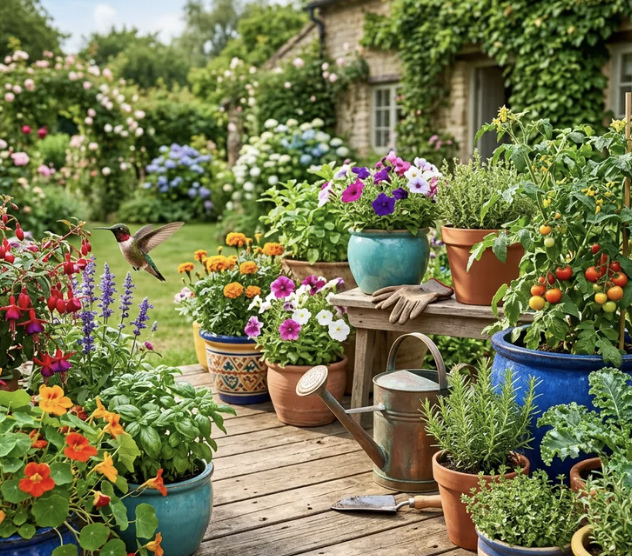
Self-watering flower pots are no longer only specialist gardening products.
They are becoming mainstream options for:
- apartment residents;
- office workers;
- frequent travellers;
- beginner gardeners;
- balcony growers;
- indoor plant owners;
- schools and commercial spaces.
Their main selling point is not technology alone. It is convenience.
How does a self-watering pot work?
Most self-watering pots use a water reservoir below the planting area.
Water moves towards the soil through:
- a wick;
- capillary channels;
- an absorbent insert;
- a raised inner pot.
The plant takes water gradually instead of receiving a large amount at once.
A typical design may include:
- an outer decorative pot;
- a removable inner planting pot;
- a water reservoir;
- a filling tube;
- an overflow hole;
- a water-level indicator.
This system can reduce watering frequency and help prevent the soil from drying too quickly.
Water-level indicators improve usability
A visible indicator helps the customer understand when the reservoir needs refilling.
Without clear feedback, users may still overfill the pot or allow it to remain dry.[^5]
Retailers should test whether the indicator:
- moves smoothly;
- is easy to read;
- remains visible after planting;
- can be removed for cleaning;
- fits securely during transport.
A small component failure can make the whole product feel unreliable.[^6]
Smart pots add sensors and digital functions
More advanced flower pots may include:
- soil-moisture sensors;
- water-level alerts;
- temperature monitoring;
- built-in grow lights;
- mobile application connections;
- automatic irrigation controls.
These features may appeal to technology-focused consumers, but they also introduce more quality risks.
Retailers must consider:
- battery life;
- electronic reliability;
- waterproofing;
- application support;
- spare parts;
- instruction quality;
- safety compliance.
A simple self-watering system may be more suitable for mass retail because it is easier to explain and has fewer electronic components.
Cleaning is an important design detail
Water reservoirs can collect dirt, algae, roots, or mineral deposits.
A good self-watering flower pot should be easy to:
- separate;
- empty;
- rinse;
- reassemble.
If the inner pot cannot be removed, maintenance becomes more difficult.
Retailers should inspect samples after filling them with water and soil. A design that looks attractive when empty may become inconvenient during real use.
| Functional feature | Customer benefit | Retailer concern |
|---|---|---|
| Water reservoir | Less frequent watering | Leakage |
| Water-level indicator | Easy refill timing | Component reliability |
| Removable inner pot | Easier planting and cleaning | Fit and stability |
| Overflow hole | Reduces overwatering | Correct positioning |
| Smart sensor | More precise plant care | Electronics and after-sales service |
For most general retailers, a well-designed self-watering planter with a clear indicator offers a better balance of function, price, and reliability than an overly complicated smart pot.
Natural Textures and Premium Finishes Drive Consumer Demand
Flower pots are becoming part of interior and exterior decoration, so customers increasingly judge them by texture, colour, and finish.
Natural textures and premium finishes are driving demand for stone-look, terracotta-inspired, ribbed, woven, matte, and hand-finished flower pots that coordinate with modern homes and outdoor furniture.
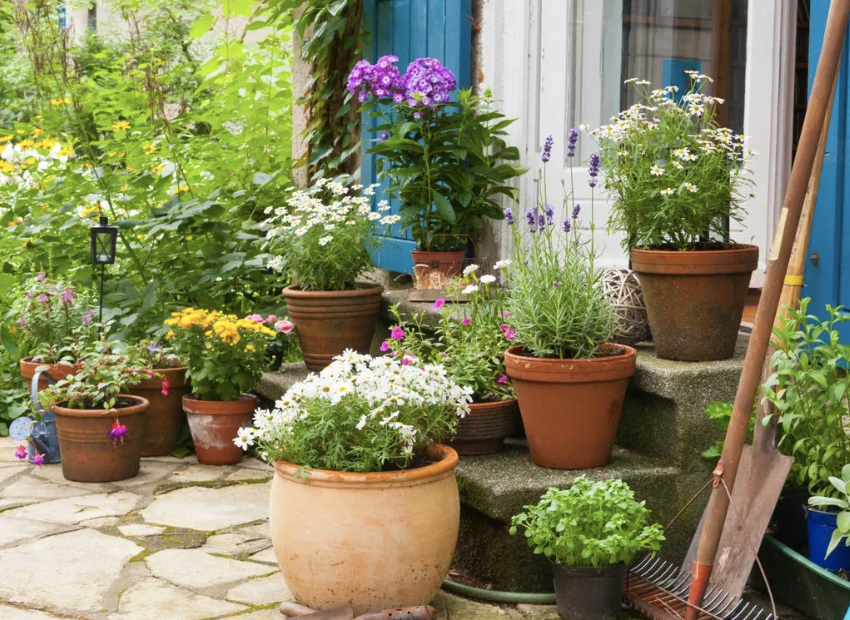
A plain flower pot can hold a plant perfectly well.
But modern consumers often want something more. They want the pot to contribute to the atmosphere of the room, patio, or garden.
This is why surface design matters so much in 2026.
Stone and concrete effects remain popular
Real stone and concrete provide a strong architectural look, but they can be heavy and expensive.
Manufacturers are recreating these finishes on lighter materials such as:
- fibreglass;
- fibre clay;
- resin;
- polypropylene;
- composite materials.
Popular effects include:
- smooth concrete grey;
- rough natural stone;
- aged limestone;
- dark charcoal;
- sand-coloured mineral textures.
The finish must look convincing at close range. Repeated printed patterns or overly glossy surfaces can make a stone-look pot appear artificial.
Terracotta colours are becoming more flexible
Traditional orange terracotta remains popular[^7], but retailers are also exploring softer and more modern variations:
- pale clay;
- warm sand;
- muted rust;
- dusty pink;
- cream;
- deep brown.
These colours work well with green plants and natural outdoor materials.
Plastic or composite flower pots with terracotta-style finishes can provide the appearance of clay while reducing weight and breakage[^8].
Ribbed and fluted surfaces add depth
Vertical ribs, grooves, and fluted patterns can make simple pot shapes feel more premium.
They also help retailers create coordinated families of:
- small indoor pots;
- medium balcony planters;
- large patio containers.
A consistent texture across several sizes makes the retail display look planned rather than random.
However, deep grooves may collect dirt, so outdoor products should still be easy to clean.
Woven and rattan effects suit relaxed outdoor spaces
Rattan-look, basket-look, and woven-texture flower pots fit well with:
- coastal gardens;
- balconies;
- conservatories;
- cottage-style spaces;
- natural outdoor furniture.
These products often use plastic or resin for easier maintenance.
Retailers should check that the woven pattern:
- does not have sharp edges;
- looks consistent around the pot;
- is not too thin at raised points;
- does not trap excessive water.
Matte finishes communicate quiet luxury
Highly glossy flower pots can still suit certain markets, but matte and low-sheen surfaces often feel more contemporary.
Popular premium combinations include:
- matte black with architectural plants;
- warm beige with olive trees;
- charcoal grey with ornamental grasses;
- soft white with indoor foliage;
- bronze or aged metal effects for traditional gardens.
Premium does not always mean highly decorated. A simple shape with a controlled colour and consistent finish can look more expensive than a product with too many details.
Finish consistency is critical for retailers
For wholesale orders, the approved colour and finish should be controlled with:
- a signed reference sample;
- agreed colour standards;
- natural-light photographs;
- gloss-level requirements;
- acceptable defect limits;
- batch inspection.
Common appearance problems include:
- colour variation;
- visible mould lines;
- uneven texture;
- scratches;
- paint drips;
- surface bubbles;
- inconsistent ageing effects.
| Design trend | Suitable markets | Quality focus |
|---|---|---|
| Concrete and stone look | Modern patios and entrances | Realistic texture |
| Terracotta-inspired colours | Traditional and natural gardens | Colour consistency |
| Ribbed or fluted surfaces | Modern indoor and outdoor ranges | Clean moulding |
| Woven or rattan effect | Coastal and relaxed spaces | Pattern strength |
| Matte premium finish | Contemporary homes | Scratch resistance |
| Aged metallic effect | Classic gardens | Controlled hand-finishing |
For retailers, the strongest ranges usually use a coordinated colour and texture family across several shapes and sizes.
Conclusion
Flower pot trends in 2026 combine sustainability, larger decorative forms, convenient watering systems, and premium textures that make planters part of modern home design.
[^1]: "Containers for Starting Seeds | Yard and Garden", https://yardandgarden.extension.iastate.edu/how-to/containers-starting-seeds. Horticultural extension guidance describes biodegradable nursery pots as containers that may be transplanted with the seedling and are intended to decompose in soil, supporting the stated use case for temporary seedling pots. Evidence role: general_support; source type: education. Supports: Some biodegradable seedling pots are designed for temporary nursery use and can be planted directly into the soil.. Scope note: Decomposition rate and transplant performance vary by material, wall thickness, soil moisture, and local conditions.
[^2]: "A Review on Natural Fiber Reinforced Polymer Composites (NFRPC …", https://pmc.ncbi.nlm.nih.gov/articles/PMC9460194/. Materials literature on natural-fibre composites explains that fibres such as wood, bamboo, coir, or rice husk can be embedded in polymer matrices to improve usable shape stability and durability compared with loose fibres alone, providing contextual support for their use in decorative planters. Evidence role: mechanism; source type: paper. Supports: Natural fibres can be combined with resin or plastic to make more durable decorative planters.. Scope note: Such sources generally describe composite material properties rather than testing the specific planter products discussed in the article.
[^3]: "Determining Interest in Value-added Planters: Consumer Preference …", http://journals.ashs.org/view/journals/horttech/17/2/article-p238.xml. Consumer survey or market-trend evidence showing growth in container gardening, houseplant ownership, or decorative planter purchasing supports the claim that interest in visually distinctive pots is increasing. Evidence role: statistic; source type: research. Supports: Consumers are showing more interest in pots with visual character.. Scope note: Such evidence may measure broader houseplant or container-gardening interest rather than isolating “visual character” as a standalone preference.
[^4]: "Color Trends in Interior Design: What’s Hot in 2025? | RMCAD", https://www.rmcad.edu/blog/color-trends-in-interior-design-whats-hot-in-2025/. Interior-design scholarship describing coordination of accessories, colors, furnishings, and materials as part of residential design provides contextual support for treating planters as decor elements that should harmonize with the surrounding interior. Evidence role: expert_consensus; source type: education. Supports: In modern homes, planters are expected to match furniture, wall colours, and architectural materials.. Scope note: This supports the design principle generally, not a direct measurement of consumer expectations for planters specifically.
[^5]: "Overwatered Indoor Plants | University of Maryland Extension", https://extension.umd.edu/resource/overwatered-indoor-plants. University extension guidance on container plant care describes both waterlogged media and excessive dryness as common causes of plant stress, supporting the need for a clear watering cue. Evidence role: mechanism; source type: education. Supports: Lack of clear feedback can lead users to overfill the pot or let the reservoir remain dry.. Scope note: The source would support the horticultural risk of over- and under-watering, but it may not directly evaluate this specific reservoir indicator design.
[^6]: "Data-driven demand analysis and design reliability study of critical …", https://pmc.ncbi.nlm.nih.gov/articles/PMC11932487/. Reliability engineering literature treats product reliability as dependent on the performance of constituent components, supporting the idea that failure of a minor part can affect judgments of the whole product. Evidence role: general_support; source type: paper. Supports: Failure of a small component can make the overall product seem unreliable.. Scope note: This is contextual support from reliability theory and may not directly measure consumer perceptions of this specific product category.
[^7]: "Terracotta – Wikipedia", https://en.wikipedia.org/wiki/Terracotta. A historical or design reference can document terracotta’s long-standing use and continued association with plant containers and architectural ceramics, supporting its status as a familiar traditional colour/material category. Evidence role: historical_context; source type: encyclopedia. Supports: Traditional orange terracotta remains popular as a familiar flower-pot colour and material style.. Scope note: Such a source would support the historical and conventional prominence of terracotta rather than proving current retail sales popularity.
[^8]: "Choosing Clay or Plastic Pots for Plants", https://lancaster.unl.edu/choosing-clay-or-plastic-pots-plants/. Materials guidance comparing polymers or composites with fired clay can support that plastic containers are generally lighter and less brittle than ceramic or terracotta pots, explaining why terracotta-style plastic pots may reduce handling weight and breakage risk. Evidence role: mechanism; source type: education. Supports: Plastic or composite flower pots with terracotta-style finishes can reduce weight and breakage compared with clay pots.. Scope note: The degree of weight reduction and breakage resistance depends on the specific polymer, composite formulation, wall thickness, and manufacturing quality.