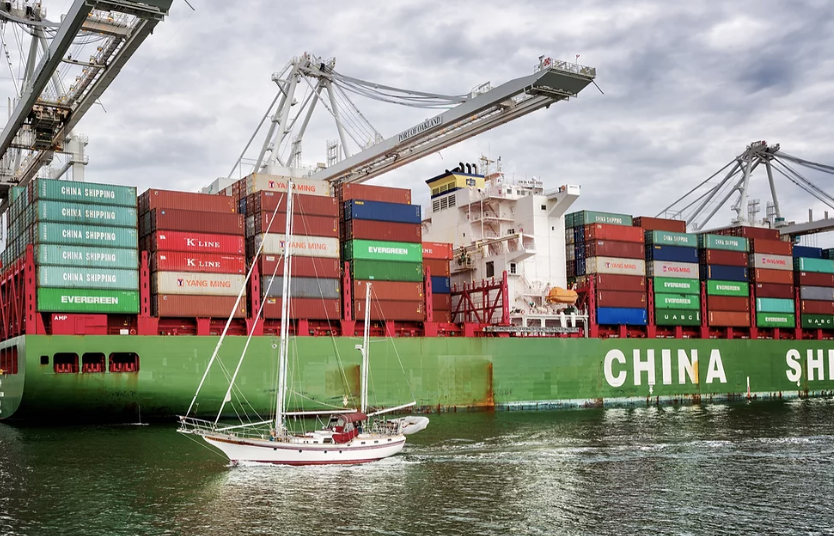
June and July always make me a little nervous as an importer—because that’s when “normal shipping” starts acting like peak season.
In June–July 2026, typical ocean freight from China ranges roughly from ~$4,000–$6,500 per 40ft container (FEU) on major lanes, with the US East Coast and Mediterranean usually higher than North Europe and US West Coast.
If you want a usable number, keep reading—I’ll break it down by destination and what changes your final bill.
Why Ocean Freight Rates Usually Rise in June and July
June and July are when demand and carrier pricing actions tend to stack up at the same time.
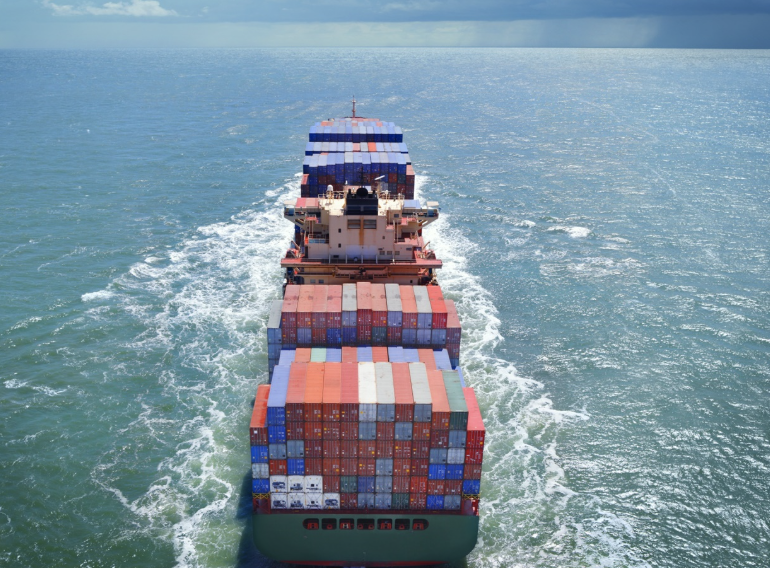
Rates usually rise in June–July because peak-season demand starts early, carriers push General Rate Increases (GRIs) and capacity control, and shippers rush to book space for back-to-school and Q3 launches—so roll risk and “premium space” costs increase.
Dive deeper:
In most years, June and July are the “pressure months.” Even if your cargo isn’t holiday-related, you’re sharing vessel space with everyone who is trying to lock Q3 and Q4 plans early.
Here’s what typically drives the rise:
1) Demand gets front-loaded
Importers don’t wait until August anymore. Many try to ship earlier to avoid late-season chaos. That means June/July can feel like the start of peak season, not the calm before it.
2) Carrier pricing behavior changes
This is when you hear phrases like:
- “GRI this week[^1]”
- “Space is tight”
- “We need premium to guarantee loading”
Even if the spot market looks stable on paper, the real cost can jump if your booking gets rolled[^2].
3) Equipment and port rhythm matters
A rate quote is meaningless if:
- the empty container isn’t available at your origin
- the booking is rolled to a later vessel
- the port gate-in window shifts
That’s why I always ask for a lane plan, not only a number. I keep a simple peak season booking checklist and space-risk log for June–July shipments.
Quick “why it rises” table
| June–July trigger | What you feel as an importer |
|---|---|
| earlier peak bookings | fewer cheap slots |
| GRIs and capacity control | higher quotes week-to-week |
| roll risk increases | delayed ETD/ETA |
| premium space upsells | “pay more to load” |
Typical Ocean Freight Costs by Destination
Here are practical, lane-level numbers importers actually use for planning (40ft / FEU).
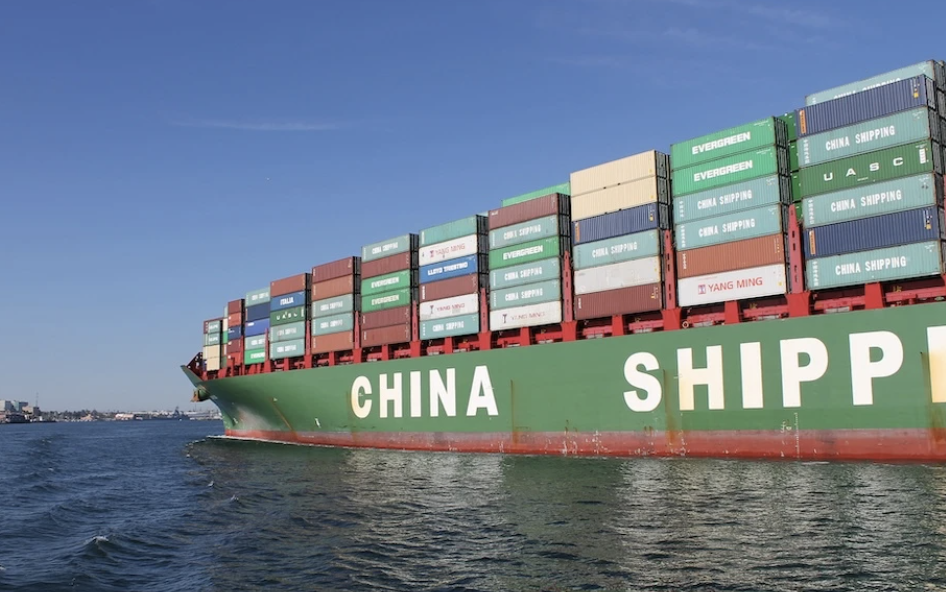
Typical June–July 2026 spot levels for a 40ft container (FEU) from China/East Asia are roughly: US West Coast ~$4,800; US East Coast ~$6,300; North Europe ~$4,100; Mediterranean ~$5,500. These move week by week and can jump with capacity tightening.
Dive deeper:
I’m going to give you a clean planning table. Use it to estimate, then adjust for your real port pair (Shanghai/Ningbo → specific destination), service type, and timing.
Planning range table (June–July 2026, 40ft / FEU)
| Destination lane (China/East Asia →) | Typical spot level (USD/FEU) | “Real world” note |
|---|---|---|
| US West Coast (e.g., LA/LB area) | ~4,800 | often cheaper than USEC, but roll risk can still bite |
| US East Coast (e.g., NY/NJ, Houston) | ~6,300 | longer routing + higher demand often pushes it higher |
| North Europe (e.g., Rotterdam/Hamburg) | ~4,100 | can be steadier, but jumps during peak pushes |
| Mediterranean (e.g., Barcelona/Piraeus) | ~5,500 | often higher than North Europe in peak periods |
What about other destinations?
If your market is not listed (UK, Middle East, Australia, South America), don’t panic—use this as a starting logic:
- Longer transit + fewer direct sailings = higher cost
- Transshipment-heavy routes = more variability
- Smaller ports = more surcharges and less pricing competition
If you want, tell me your origin port (e.g., Ningbo) + destination port (e.g., Felixstowe), and I’ll map the lane logic with a quote request template you can paste to forwarders.
Factors That Affect Your Final Shipping Cost
Most people ask “what’s the ocean rate,” but the ocean rate is only one slice of what you’ll pay.
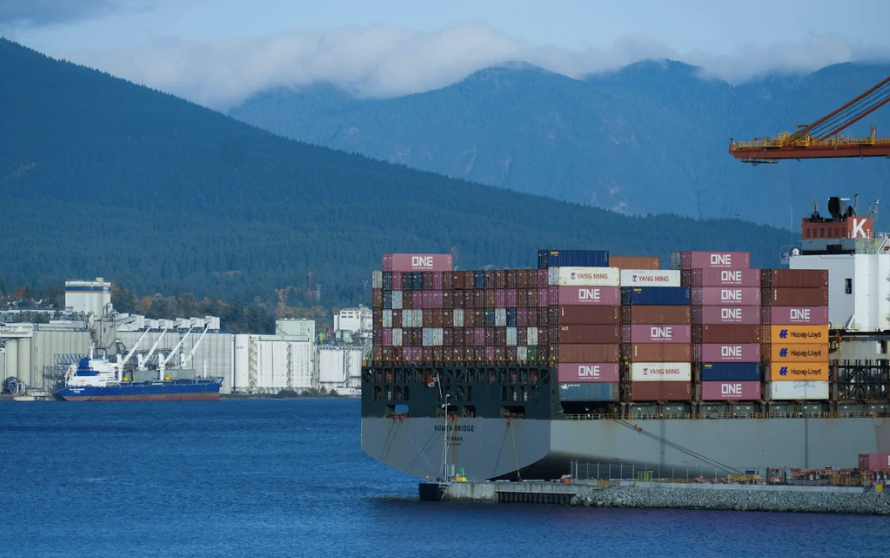
Your final cost depends on container size/type, origin/destination port pair, service level (direct vs transshipment), booking timing, carrier/forwarder surcharges, customs/terminal charges, and whether you ship FCL or LCL.
Dive deeper:
I’ve seen buyers celebrate a cheap base rate… and then get hit by extras that make the shipment expensive anyway. So I always break costs into two layers:
Layer 1: The ocean linehaul (the headline number)
This is the “rate” people talk about. But it changes fast with:
- week-to-week carrier actions[^3]
- space availability
- your booking lead time
If you book late in June/July[^4], you may get quoted a number that looks okay, but your cargo gets rolled unless you pay more.
Layer 2: The real add-ons (where surprises happen)
Common add-ons that change your landed cost:
- origin charges (pickup, CY handling, documentation)
- destination charges (terminal handling, delivery appointment fees)
- congestion or equipment imbalance surcharges[^5]
- chassis/rail add-ons (US inland destinations)
- demurrage/detention if timing slips[^6]
The “final cost” checklist I use
| Cost driver | Why it matters | What to ask your forwarder |
|---|---|---|
| port pair | different lanes price differently | “Which port-to-port is this quote?” |
| service type | direct vs transshipment | “Is this direct? Any transship?” |
| booking lead time | late booking = premium risk | “What is roll risk this week?” |
| surcharges | can change weekly | “List all surcharges separately” |
| destination fees | often overlooked | “Give me door total, not only ocean” |
I like to request quotes in a “total clarity” format: all-in breakdown + who pays what. It stops misunderstandings.
How Importers Can Reduce Freight Costs During Peak Season
You can’t control the market, but you can control how you buy space.
To reduce freight costs in June–July, book earlier, ship in steadier weeks, consolidate SKUs into FCL when possible, avoid last-minute changes, use flexible routing, and negotiate lane-based contracts or mini-bids for repeat volume.
Dive deeper:
Here are the moves that actually save money (and sanity) during peak months:
1) Book earlier than your competitor
This sounds obvious, but it’s the #1 advantage in June/July. Early booking reduces:
- roll risk
- premium “guarantee loading” charges
- panic re-booking costs
2) Plan shipments around “stable weeks”
Rates and space can change weekly. If you have flexibility, ship:
- slightly earlier in June rather than late July
- avoid weeks with heavy GRIs or known congestion
Even moving your cargo by 7–10 days can change your cost.
3) Consolidate to FCL (when volume makes sense)
LCL can become expensive during peak season[^7] because:
- handling costs rise
- space is rationed
- delays multiply at CFS warehouses
If you can consolidate SKUs into one container, it often reduces cost per unit[^8].
4) Choose “good enough” service, not always the fastest
Fastest service is often priced like a luxury.
For steady replenishment cargo, choose:
- stable carrier
- stable route
- realistic transit time + buffer
This reduces premium surcharges.
5) Lock a simple contract strategy if you ship regularly
If you ship every month, consider:
- a lane mini-bid
- a forwarder contract for key routes
- a dual-carrier strategy (Carrier A main, Carrier B backup)
This reduces surprise pricing and gives you options when space tightens.
Peak season savings table
| Cost-saving move | Savings effect | Best for |
|---|---|---|
| book earlier | reduces premium + roll risk | all importers |
| shift ship week | avoids spikes | flexible programs |
| consolidate to FCL | lowers unit cost | multi-SKU orders |
| avoid last-minute changes | prevents rework fees | OEM/ODM orders |
| dual-carrier planning | reduces panic costs | time-sensitive lanes |
If you want, I can help you turn this into a one-page SOP: June–July shipping playbook.
Conclusion
June–July 2026 ocean rates are elevated on major lanes—win by booking early, controlling add-ons, and planning space like a system, not a last-minute purchase.
[^1]: "[PDF] before the – Federal Maritime Commission", https://www2.fmc.gov/readingroom/documents/67297. A neutral shipping-market source should document that a General Rate Increase (GRI) is a carrier-announced increase to freight rates, supporting the use of the term as a rate-change signal in freight booking discussions. Evidence role: definition; source type: institution. Supports: “GRI this week” refers to a General Rate Increase that can affect freight costs.. Scope note: This supports the meaning of the term rather than proving that a specific GRI occurred in the week referenced by the article.
[^2]: "What is demurrage and detention in shipping for buyers? – Maersk", https://www.maersk.com/logistics-explained/transportation-and-freight/2023/08/28/what-is-demurrage-detention-in-shipping-for-buyers. A logistics or maritime-transport source should explain that rolled cargo occurs when booked freight is not loaded on the intended sailing, which can create delay-related costs and may require rebooking or alternative arrangements; this contextual evidence supports the article’s claim that the effective cost can rise even when headline spot rates appear stable. Evidence role: mechanism; source type: institution. Supports: A rolled booking can increase the real cost of shipping despite apparently stable spot-market rates.. Scope note: The source may describe common cost mechanisms rather than quantify the exact cost increase for every rolled booking.
[^3]: "[PDF] 60th Annual Report of the Federal Maritime Commission", https://www.fmc.gov/wp-content/uploads/2022/04/60thAnnualReport.pdf. Industry and regulatory materials on ocean freight note that carrier capacity management actions, including blank sailings and schedule adjustments, can affect available vessel space and spot freight rates over short time horizons. Evidence role: mechanism; source type: institution. Supports: Freight rates can change quickly in response to week-to-week carrier actions.. Scope note: This supports the general mechanism behind short-term rate changes, not the exact rate movement for any specific lane or week.
[^4]: "Peak Season Shipping: Plan Your Supply Chain Ahead", https://www.allisonshipping.com/insights/how-to-prepare-your-supply-chain-for-peak-season-shipping/. Research and industry analyses of container shipping describe peak-season demand and capacity constraints as factors associated with cargo rolling and higher spot or premium charges, particularly when bookings are made close to departure. Evidence role: general_support; source type: research. Supports: Late bookings in June or July are more exposed to cargo rolling or higher charges when space is constrained.. Scope note: This provides contextual support for the seasonal and operational risk; it does not prove that every late June or July booking will be rolled or require a higher payment.
[^5]: "[PDF] Fiscal Year Ended June 30 1975 – Federal Maritime Commission", https://www.fmc.gov/wp-content/uploads/2018/09/ANNUAL_REPORT_1975.pdf. Industry and regulatory sources describe congestion-related and equipment-imbalance charges as common accessorial or surcharge categories in container shipping, supporting their inclusion as possible additions to base freight rates. Evidence role: general_support; source type: government. Supports: Congestion or equipment imbalance surcharges can change a shipment’s landed cost.. Scope note: Such sources establish that these surcharge categories exist and may be applied, but they do not prove that they will apply to every shipment or route.
[^6]: "Detention and Demurrage – Federal Maritime Commission", https://www.fmc.gov/detention-and-demurrage/. Regulatory guidance defines demurrage and detention as charges tied to the use of carrier or terminal equipment beyond allowed free time, supporting the claim that schedule delays can add costs to a shipment. Evidence role: definition; source type: government. Supports: Demurrage and detention charges may increase landed cost when shipment timing slips.. Scope note: The source supports the mechanism and definition of the charges, but actual liability depends on contract terms, tariff rules, and the facts of a specific shipment.
[^7]: "Peak Season Shipping: Plan Your Supply Chain Ahead", https://www.allisonshipping.com/insights/how-to-prepare-your-supply-chain-for-peak-season-shipping/. A neutral freight-market source should support that less-than-container-load pricing is affected by seasonal demand, capacity constraints, and terminal or warehouse congestion; this contextual evidence supports the cost-pressure claim but may not quantify every lane or shipment type. Evidence role: general_support; source type: institution. Supports: LCL can become expensive during peak season because handling costs rise, space is rationed, and delays multiply at CFS warehouses.. Scope note: Seasonal cost effects vary by trade lane, carrier capacity, and local warehouse conditions, so the source may support the mechanism rather than a universal price increase.
[^8]: "[PDF] Economies of Scale and Alliances in Container Shipping", https://economics.mit.edu/sites/default/files/inline-files/jmp_0.pdf. A logistics or transportation economics source should support that containerized freight costs include fixed handling and container-level charges, so spreading those costs across more units can reduce average cost per unit; this supports the economic mechanism, not a guaranteed saving for every shipment. Evidence role: mechanism; source type: education. Supports: If SKUs can be consolidated into one container, it often reduces cost per unit.. Scope note: Actual savings depend on shipment volume, cargo density, routing, handling charges, and whether the full-container option is efficiently utilized.