Why Are Large Flower Pots Becoming More Popular in 2027?
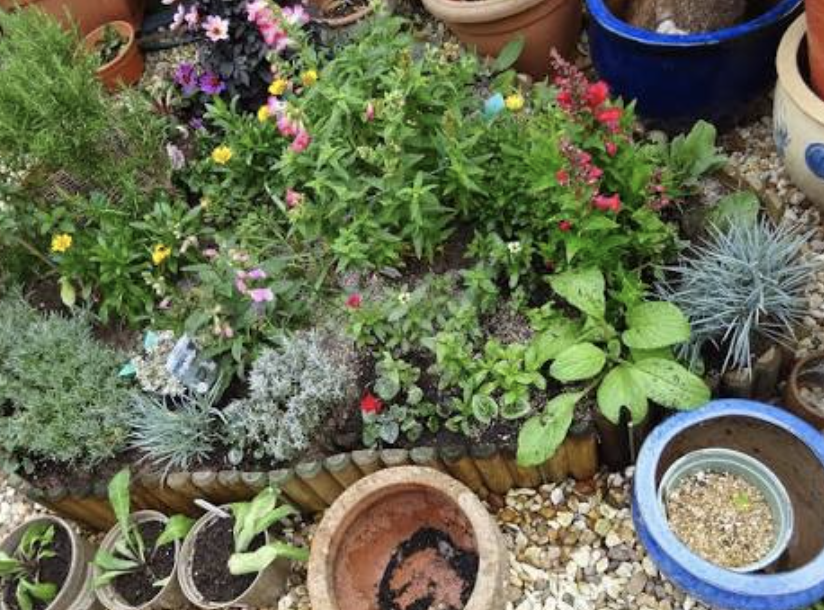
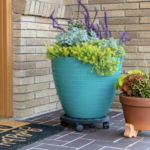
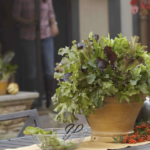
Large flower pots are becoming more than simple plant containers. In 2027, they are turning into key products for outdoor living, balcony design, climate-resilient gardening, and modern garden decoration.
Large flower pots are becoming more popular because they create stronger visual impact, support bigger plants, improve outdoor living spaces, hold more soil and moisture, and help gardeners build flexible planting areas without permanent landscaping.
For retailers and importers, large planters are becoming an important category with both practical and decorative value.
Why Are Large Planters Becoming a Key Part of Outdoor Living?
Large planters are becoming important in outdoor living because they help transform patios, balconies, terraces, and gardens into more comfortable lifestyle spaces.
Large planters are now a key part of outdoor living because they add greenery, structure, privacy, decoration, and flexibility to outdoor spaces without requiring major construction work.
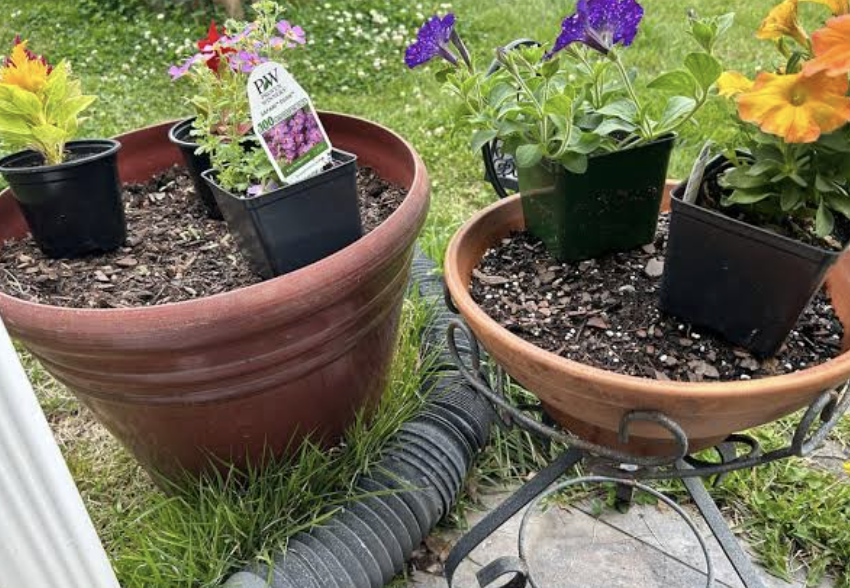
Modern gardens are no longer used only for planting flowers.
They are becoming:
- outdoor dining areas;
- family relaxation spaces;
- balcony retreats;
- patio lounges;
- small urban gardens;
- entrance decoration zones;
- commercial outdoor seating areas.
Large flower pots fit this lifestyle change very well.
They allow customers to create instant garden structure without building walls, digging beds, or redesigning the whole outdoor area.
Large pots create strong visual impact
Small pots are useful, but they can look scattered when used alone.
Large planters create a more organised and premium look.
They can be used to frame:
- doorways;
- patios;
- garden paths;
- seating areas;
- pool areas;
- balcony corners;
- restaurant terraces.
A pair of large planters at an entrance can immediately make a space feel more designed.
They help divide outdoor spaces
Large planters can work like soft boundaries1.
They help separate:
- dining areas;
- lounging areas;
- children’s play zones;
- garden work areas;
- private corners.
Unlike fixed fencing, planters can be moved or rearranged2.
This makes them popular for modern outdoor living, especially where flexibility matters.
They improve privacy naturally
Large planters can hold taller plants such as:
- bamboo;
- grasses;
- olive trees;
- bay trees;
- shrubs;
- small ornamental trees.
These plants can create privacy without a solid fence.
This is useful for:
- balconies;
- terraces;
- overlooked gardens;
- outdoor cafés;
- rental properties.
They make small gardens feel more finished
In small spaces, one or two large planters can look better than many small pots.
They reduce visual clutter and create a cleaner design.
| Outdoor living need | How large planters help |
|---|---|
| Decoration | Create strong focal points |
| Privacy | Hold tall plants and shrubs |
| Flexibility | Can be moved or rearranged |
| Structure | Define outdoor zones |
| Premium look | Improve visual value |
Large flower pots are popular because they turn ordinary outdoor areas into designed living spaces.
How Do Hotter Summers Increase the Appeal of Larger Containers?
Hotter and drier summers are changing how gardeners think about container planting.
Hotter summers increase the appeal of larger containers because large pots hold more soil, retain moisture longer, protect roots better, and reduce the risk of plants drying out too quickly during heatwaves.
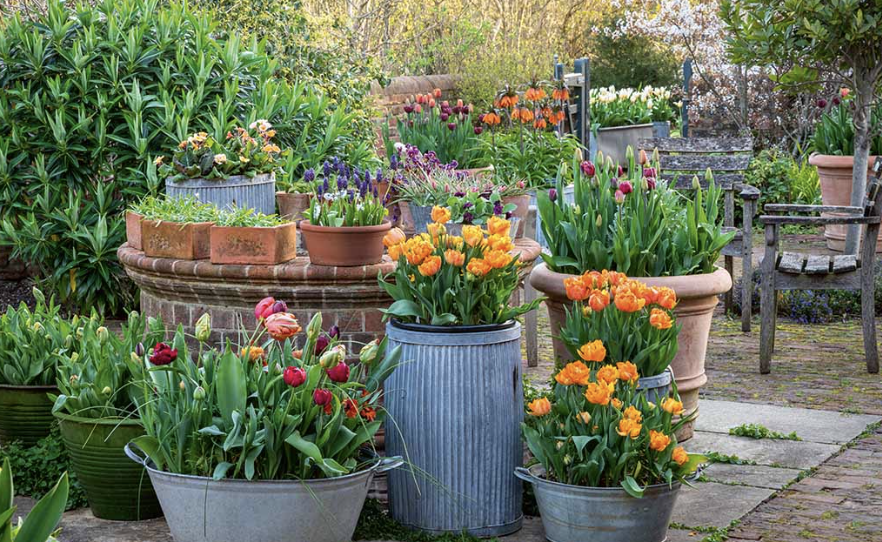
Containers dry out faster than garden beds.
This is especially true for:
- small pots;
- dark plastic pots;
- shallow containers;
- balcony planters;
- plants in full sun.
In hot summers, small pots may need watering every day or even more often.
Large planters can help reduce this pressure.
More soil means better moisture retention
Large pots hold more soil.
More soil helps:
- store more water;
- protect roots from heat;
- reduce temperature swings;
- support stronger root systems;
- keep plants stable during dry periods.
This does not mean large pots never need watering.
But they usually provide a better buffer against short dry spells than small containers.
RHS guidance notes that container plants generally require more watering than plants grown in the ground, which makes container size, soil choice, and watering methods especially important in hot weather.
Large containers support drought-tolerant planting
In 2027, more gardeners may choose plants that cope better with dry conditions.
Large pots work well for:
- lavender;
- rosemary;
- ornamental grasses;
- olive trees;
- agapanthus;
- salvia;
- sedum;
- Mediterranean-style plants.
These plants can create a climate-resilient garden style while still looking attractive.
Self-watering features become more valuable
Large planters with water reservoirs will become more popular.3
Useful features include:
- self-watering bases;
- drainage control;
- water-level indicators;
- double-wall structure;
- removable inserts;
- moisture-retaining liners.
These features help busy customers manage plants more easily during dry weather.4
Light colours and insulated designs help
Material and colour matter in heat.
Useful design choices include:
- light-coloured pots;
- double-walled planters;
- thick resin or composite bodies;
- terracotta with suitable watering care;
- stone-effect planters with UV-resistant finish.
Very thin black plastic pots may heat up quickly and stress roots.
Larger pots reduce replacement risk
When plants dry out repeatedly, customers may need to replace them.
Large planters can reduce plant stress and help protect customer investment.
| Heat problem | Large planter benefit |
|---|---|
| Fast soil drying | More soil volume stores moisture |
| Root heat stress | Larger container buffers temperature |
| Frequent watering | Self-watering options reduce pressure |
| Plant instability | Heavier pots improve support |
| Dry balcony conditions | Larger pots hold plants better |
In hot summers, large flower pots are not only decorative. They are practical tools for climate-resilient container gardening.
Which Large Flower Pot Styles Will Fit 2027 Garden Trends?
Large flower pot styles in 2027 will likely focus on natural textures, neutral colours, water-saving features, recycled materials, and modern outdoor living design.
The most suitable large flower pot styles for 2027 include stone-effect planters, terracotta-look pots, recycled plastic planters, lightweight resin containers, ribbed modern pots, self-watering planters, and natural woven-style designs.
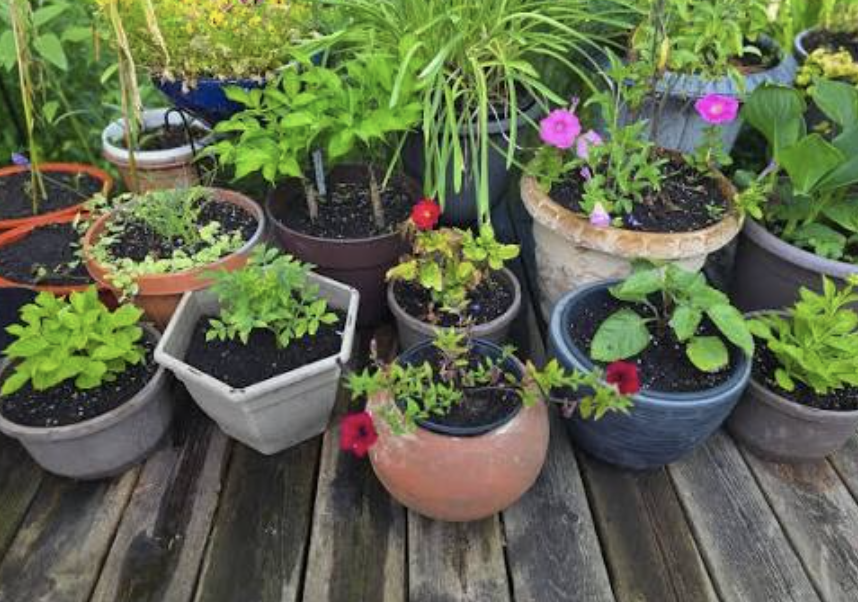
Customers want planters that look good and perform well outdoors.
The best styles will combine:
- appearance;
- durability;
- practical planting function;
- easy maintenance;
- climate resilience.
Stone-effect planters
Stone-effect planters are popular because they look premium but can be lighter and easier to handle than real stone.
They suit:
- modern patios;
- entrances;
- commercial spaces;
- minimalist gardens;
- outdoor living areas.
Common colours include:
- grey;
- sand;
- charcoal;
- off-white;
- warm beige.
Terracotta-look planters
Terracotta continues to feel natural and timeless.
Terracotta-style planters fit:
- Mediterranean gardens;
- herb gardens;
- dry garden designs;
- rustic patios;
- traditional European homes.
Real terracotta has charm, but it can be heavy and fragile.5 Resin or plastic terracotta-look products can offer a more practical retail option.6
Recycled plastic planters
Sustainability will remain important.
Recycled plastic planters can appeal to customers who want:
- lightweight products;
- lower environmental impact;
- weather-resistant performance;
- affordable pricing;
- easy cleaning.
Retailers should make sure recycled material claims are clear and credible.
Ribbed and fluted modern pots
Ribbed planters are suitable for modern garden design.
They create visual texture without looking too complicated.
Popular finishes include:
- matte black;
- grey;
- taupe;
- soft green;
- natural stone colours.
These styles work well for both indoor and outdoor displays.
Woven and natural-look planters
Woven-style planters offer a softer look.
They can imitate:
- rattan;
- wicker;
- seagrass;
- bamboo texture.
These designs fit outdoor living and balcony decoration very well.
Self-watering large pots
Self-watering planters are practical for climate-resilient gardening.
They are especially suitable for:
- busy consumers;
- balconies;
- rental properties;
- summer planting;
- urban gardens.
| 2027 planter style | Main appeal |
|---|---|
| Stone-effect | Premium outdoor look |
| Terracotta-look | Natural and Mediterranean |
| Recycled plastic | Sustainable and lightweight |
| Ribbed modern pot | Contemporary decoration |
| Woven-style planter | Soft outdoor living feel |
| Self-watering planter | Heat and water management |
The strongest 2027 designs will combine natural appearance, durability, and practical water management.
What Should Garden Retailers Consider When Sourcing Large Planters?
Retailers should evaluate large planters carefully because size, packaging, material, and freight cost all affect profitability.
When sourcing large planters, garden retailers should consider material durability, UV resistance, drainage, weight, packaging volume, container loading efficiency, retail display, and total landed cost.
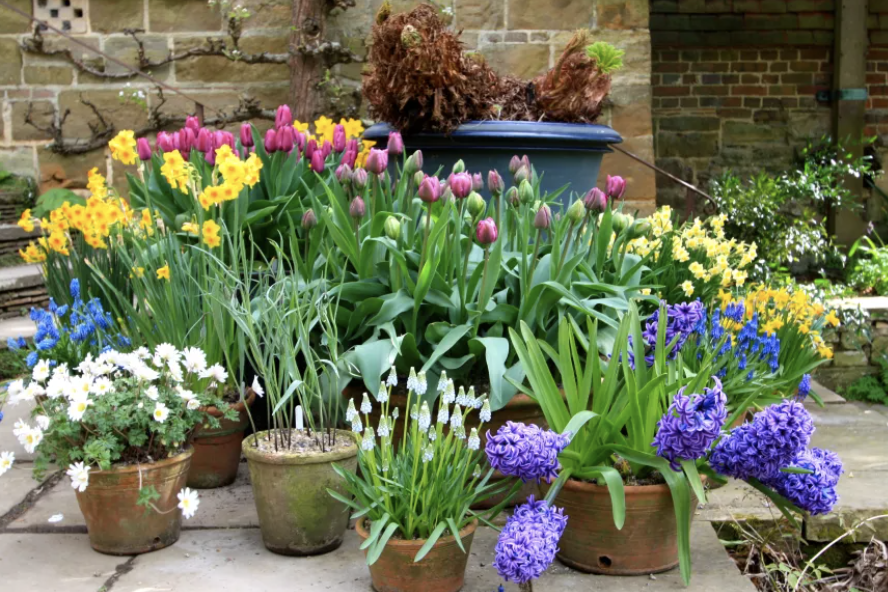
Large flower pots can sell well, but they also create sourcing challenges.
They are often:
- bulky;
- space-consuming;
- sensitive to surface damage;
- expensive to ship if poorly packed;
- difficult to display if not planned well.
Retailers need to balance product appeal with logistics efficiency.
Check material performance
For outdoor use, materials should resist:
- UV exposure;
- rain;
- frost;
- cracking;
- fading;
- deformation.
Common materials include:
- resin;
- recycled plastic;
- fibre clay;
- metal;
- terracotta;
- composite.
Each material has different advantages.
| Material | Advantage | Retail concern |
|---|---|---|
| Resin | Lightweight and versatile | Check UV stability |
| Recycled plastic | Sustainable and practical | Confirm material claims |
| Fibre clay | Premium look | Fragility risk |
| Metal | Modern and durable | Rust protection needed |
| Terracotta | Natural style | Heavy and breakable |
| Composite | Stable outdoor use | Higher cost |
Review drainage and planting function
A flower pot should not only look good.
It should also help plants grow.
Check:
- drainage holes;
- water reservoir if self-watering7;
- inner liner;
- soil capacity;
- base stability;
- ease of planting.
Poor drainage can cause root problems and customer complaints.8
Evaluate packaging and shipping cost
Large planters are often lightweight but high in volume.
This makes freight cost important.
Retailers should check:
- nesting ability;
- carton size;
- packing quantity;
- protection materials;
- container loading quantity;
- pallet or non-pallet loading plan.
Nested planters can significantly improve shipping efficiency.
Check surface protection
Large pots are easy to scratch during transport.
Packaging should prevent:
- rubbing;
- corner damage;
- cracking;
- surface marks;
- deformation.
For premium finishes, surface protection is very important.
Build a balanced planter range
Retailers should not stock only one size.
A practical range may include:
- small tabletop pots;
- medium patio pots;
- large statement planters;
- tall privacy planters;
- self-watering planters;
- balcony planters.
Large pots should be part of a complete planter story.
Ask suppliers for loading data
Before placing an order, retailers should ask:
- how many pieces per carton;
- how many cartons per container;
- nesting details;
- carton dimensions;
- gross weight;
- sample packaging photos.
This helps calculate landed cost more accurately.
| Sourcing factor | Why it matters |
|---|---|
| UV resistance | Prevents fading and cracking |
| Drainage | Supports plant health |
| Weight | Affects handling and delivery |
| Nesting | Reduces freight cost |
| Packaging | Prevents surface damage |
| Range planning | Improves retail display |
For retailers, large planters should be sourced as high-value garden lifestyle products, not just oversized pots.
Conclusion
Large flower pots are becoming popular because they support outdoor living, privacy, climate resilience, and modern garden design. For 2027, retailers should focus on durable, attractive, water-smart, and logistics-friendly large planters.
-
"Landscape Design: Ten Important Things to Consider – Ask IFAS", https://ask.ifas.ufl.edu/publication/EP375. Landscape-design literature describes planters and vegetation as spatial elements that can define edges, screen views, and organize outdoor rooms without creating fully fixed barriers. Evidence role: expert_consensus; source type: education. Supports: Large planters can work like soft boundaries in outdoor spaces.. Scope note: This supports the design principle generally rather than proving that every large planter will function effectively as a boundary in all settings. ↩
-
"Container Gardening | Extension | West Virginia University", https://extension.wvu.edu/lawn-gardening-pests/gardening/creative-gardening/container-gardening. Guidance on container gardening notes that plants grown in containers can be relocated, which distinguishes container-based planting from permanent in-ground or built boundary treatments. Evidence role: mechanism; source type: education. Supports: Unlike fixed fencing, planters can be moved or rearranged.. Scope note: The support is strongest for containers of manageable size; very large planters may require equipment or multiple people to move. ↩
-
"Water Efficiency with Container Gardens – UNL Water", https://water.unl.edu/article/lawns-gardens-landscapes/water-efficiency-container-gardens/. Evidence on the growth of container gardening and interest in water-efficient irrigation can provide contextual support for the expectation that reservoir-based planters may gain demand. Evidence role: general_support; source type: institution. Supports: Large planters with water reservoirs will become more popular.. Scope note: Such sources may support the broader trend toward container gardening or water-efficient plant care rather than directly proving future popularity of large reservoir planters. ↩
-
"Watering newly planted trees and shrubs", https://extension.umn.edu/garden-and-home/yard-and-garden/gardening-in-minnesota/watering-newly-planted-trees-and-shrubs. University extension guidance on self-watering containers explains that reservoirs and wicking systems can maintain more consistent soil moisture and reduce the need for frequent manual watering, supporting the mechanism behind easier plant care in dry conditions. Evidence role: mechanism; source type: education. Supports: Self-watering bases, drainage control, water-level indicators, double-wall structures, removable inserts, and moisture-retaining liners help customers manage plants more easily during dry weather.. Scope note: This supports the plant-care mechanism generally; it does not specifically measure convenience for all customer groups or every listed planter feature. ↩
-
"Pottery – Wikipedia", https://en.wikipedia.org/wiki/Pottery. Reference sources on terracotta describe it as fired clay used for pottery and architectural objects; its ceramic composition helps explain both its substantial weight relative to plastics and its susceptibility to breakage under impact or stress. Evidence role: mechanism; source type: encyclopedia. Supports: Real terracotta planters can be heavy and fragile.. Scope note: A general materials reference supports the physical characteristics of terracotta, but it may not quantify planter-specific weight or breakage rates. ↩
-
"Toxic threats from plastic waste: human health impacts … – PMC", https://pmc.ncbi.nlm.nih.gov/articles/PMC12557311/. Materials references note that common plastics and resins used in consumer goods are generally lightweight, moldable, and resistant to breakage compared with fired ceramic materials, which provides contextual support for their practical handling and retail-display advantages. Evidence role: general_support; source type: institution. Supports: Resin or plastic terracotta-look products can be a more practical option than real terracotta for retail contexts.. Scope note: This supports the practical-materials rationale in general terms; it does not directly evaluate terracotta-look planters or retail sales performance. ↩
-
"AEN-157: Self-Watering Wicking Container", https://publications.mgcafe.uky.edu/aen-157. Extension and university materials on self-watering containers describe their design as using a water reservoir, often with a wicking system, to supply moisture to the growing medium; this supports identifying a reservoir as a functional component rather than merely an aesthetic feature. Evidence role: definition; source type: education. Supports: A self-watering flower pot should include a water reservoir.. Scope note: Supports the general design principle of self-watering containers, not the quality or performance of any particular flower pot. ↩
-
"Container Drainage Options – Illinois Extension", https://extension.illinois.edu/container-gardens/container-drainage-options. University extension guidance on container gardening explains that containers require adequate drainage because waterlogged media can deprive roots of oxygen and contribute to root rot; this supports the horticultural risk stated here, though it does not directly document customer complaint rates. Evidence role: mechanism; source type: education. Supports: Poor drainage can cause root problems and customer complaints.. Scope note: Supports the plant-health mechanism directly, but only contextualizes the customer-complaint aspect. ↩