Why Are Bird Feeders Becoming More Than Just a Bird-Feeding Product?
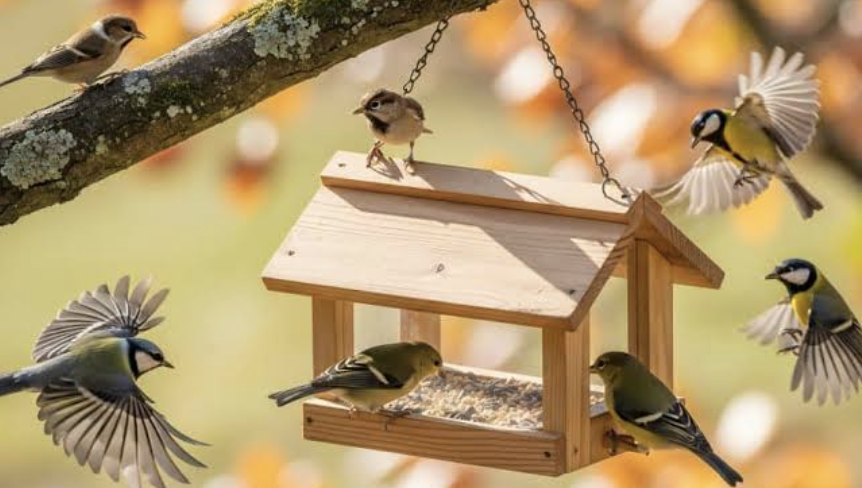
Bird feeders were once seen as simple tools for feeding birds. Today, they are becoming part of garden decoration, wildlife support, outdoor living, and even gift buying.
Bird feeders are becoming more than just bird-feeding products because modern consumers want garden items that combine function, decoration, wildlife value, emotional connection, and lifestyle appeal.
For garden retailers and buyers, this change creates new opportunities in product design, materials, packaging, and display.
How Are Bird Feeders Becoming Part of Garden Decoration?
Bird feeders are now designed not only to hold bird food, but also to improve the look and atmosphere of outdoor spaces.
Bird feeders are becoming part of garden decoration because customers increasingly choose designs that match garden style, outdoor furniture, planting themes, and personal taste while still serving a practical feeding function.
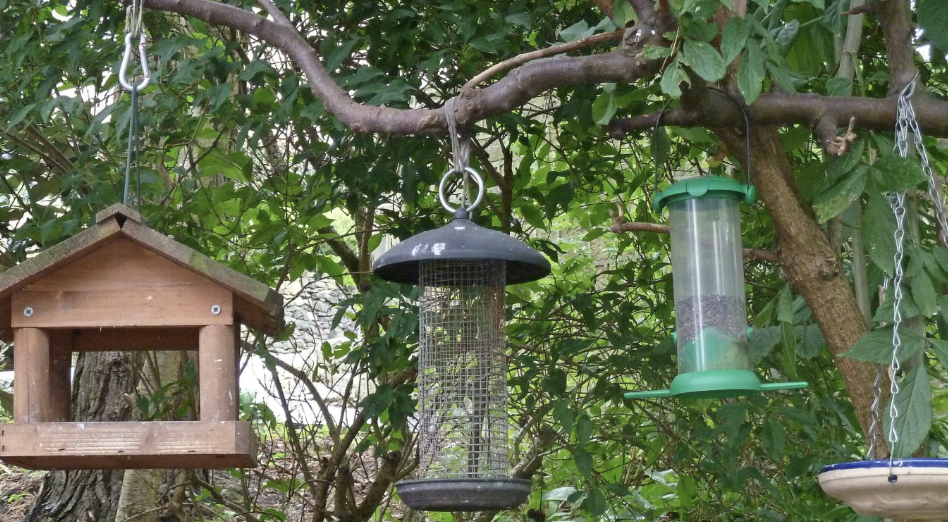
In the past, many bird feeders looked purely functional.
They were often simple tubes, trays, or hanging containers. Their purpose was clear: hold seed and attract birds.
Today, customers expect more.
They want bird feeders that look good in:
- small gardens;
- patios;
- balconies;
- cottage gardens;
- modern outdoor spaces;
- wildlife-friendly corners;
- family gardens.
A bird feeder may now be treated like a garden ornament.
Decorative shapes attract more customers
Modern bird feeders come in many styles.1
Popular designs include:
- house-shaped feeders;
- lantern-style feeders;
- metal hanging feeders;
- ceramic feeders;
- rustic wooden feeders;
- resin animal-themed feeders;
- vintage-style bird tables;
- minimalist modern feeders.
These designs allow customers to choose products that match their garden personality.
A customer may buy a bird feeder because it feeds birds, but also because it looks beautiful hanging from a tree or placed near a patio2.
Materials create different garden styles
Material choice strongly affects decorative value.
For example:
| Material | Garden style |
|---|---|
| Wood | Natural, rustic, cottage garden |
| Metal | Modern, durable, decorative |
| Ceramic | Premium, artistic, colourful |
| Resin | Creative shapes and themed designs |
| Plastic | Lightweight and affordable |
| Bamboo or willow | Eco-style and natural gardens |
This means bird feeders can be positioned in different retail ranges, not only in the bird care section.
Colour and finish matter more
Customers are also paying more attention to colour.
Popular choices include:
- natural wood tones;
- matte black;
- soft green;
- antique bronze;
- cream;
- grey;
- terracotta;
- seasonal colours.
A feeder with a nice finish can become a visible design element in the garden.
Bird feeders create movement and life
Unlike many garden decorations, bird feeders bring activity.
When birds visit, the garden feels more alive.
This makes the feeder both:
- a decorative object;
- a living garden feature.
It adds colour, sound, movement, and emotional value.
That is why a bird feeder can feel more meaningful than a static ornament.
A good bird feeder now works as a practical feeding station and a decorative garden feature.
Why Does Wildlife-Friendly Gardening Increase the Value of Bird Feeders?
Wildlife-friendly gardening has made bird feeders more important because customers want products that support nature, not only decorate outdoor spaces.
Wildlife-friendly gardening increases the value of bird feeders because feeders help support birds with extra food, encourage biodiversity, and allow gardeners to feel more connected with local wildlife.
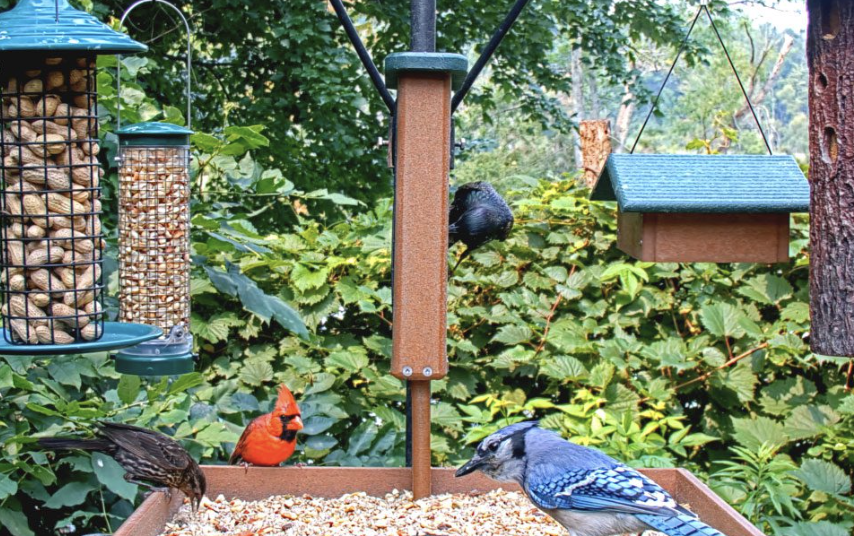
More gardeners now understand that a garden is part of a local ecosystem.
Even a small garden or balcony can support:
- birds;
- bees;
- butterflies;
- insects;
- small animals;
- native plants.
This has changed how people think about garden products.
A bird feeder is no longer just an accessory. It becomes a simple way to help wildlife.
Bird feeders support everyday wildlife care
Bird feeders give customers an easy action.
They do not need to redesign the whole garden.
They can simply add:
- a seed feeder;
- a suet feeder;
- a bird table;
- a peanut feeder;
- a window feeder;
- a feeding station.
This makes wildlife-friendly gardening more accessible.
For beginners, a bird feeder is often the first step into wildlife gardening.
Feeding birds creates emotional connection
Bird feeding is personal.
Customers enjoy watching:
- robins;
- sparrows;
- finches;
- tits;
- blackbirds;
- woodpeckers;
- other local birds.
Over time, people begin to recognise bird habits3.
This creates a strong emotional connection with the garden4.
That emotional value makes bird feeders different from many other garden products.
Bird feeders combine with other wildlife products
Bird feeders can be sold together with:
- bird baths;
- nesting boxes;
- insect hotels;
- wildlife water bowls;
- hedgehog houses;
- pollinator plants;
- natural garden edging.
This allows retailers to build complete wildlife-friendly product ranges.
Gardeners want products that do good
Many modern consumers prefer products with purpose.
They want garden products that:
- help wildlife;
- reduce waste;
- support biodiversity;
- look natural;
- last outdoors.
A bird feeder fits this trend very well because its benefit is easy to understand.
Clean and safe design becomes more important
As bird care becomes more popular, customers also pay more attention to safety.
Good feeder design should include:
- easy cleaning;
- drainage holes;
- safe feeding access;
- weather protection;
- strong hanging points;
- materials suitable for outdoor use.
A feeder that is difficult to clean may lose customer trust.
| Wildlife need | Bird feeder value |
|---|---|
| Extra food | Supports birds during difficult periods |
| Biodiversity | Attracts more species |
| Emotional connection | Encourages daily garden enjoyment |
| Easy action | Suitable for beginner gardeners |
| Product pairing | Works with bird baths and nest boxes |
Wildlife-friendly gardening turns bird feeders into small but meaningful tools for supporting nature.
How Are Bird Feeders Connecting with Outdoor Living and Gifting?
Bird feeders are also becoming lifestyle products because people spend more time enjoying gardens, patios, and balconies.
Bird feeders connect with outdoor living and gifting because they make gardens more enjoyable, create relaxing viewing moments, and offer practical yet emotional gift value for nature lovers and gardeners.
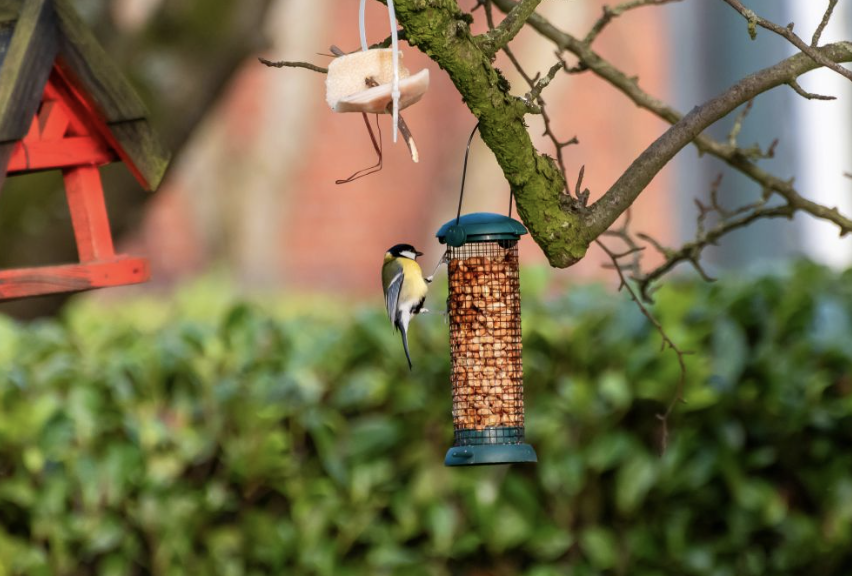
Outdoor living is not only about furniture and lighting.
It is also about atmosphere.
People want outdoor spaces that feel:
- calm;
- natural;
- personal;
- welcoming;
- relaxing;
- full of life.
Bird feeders help create this atmosphere.
Bird watching becomes part of garden enjoyment
A feeder near a patio, window, or seating area can turn bird watching into a daily habit.
Customers may enjoy:
- morning coffee while watching birds;
- children learning about wildlife;
- quiet moments after work;
- seasonal bird visits;
- photography and nature observation.
This makes bird feeders part of the outdoor living experience.
Bird feeders work well in small spaces
Not every customer has a large garden.
Bird feeders can work in:
- balconies;
- courtyards;
- terraces;
- window areas;
- small patios.
This makes them suitable for urban customers5.
Window feeders and compact hanging feeders6 are especially attractive for apartment living.
Bird feeders are strong gift products
Bird feeders make good gifts because they are:
- useful;
- affordable;
- emotional;
- easy to understand;
- suitable for many ages;
- connected with nature.
They can be sold as gifts for:
- gardeners;
- parents;
- grandparents;
- teachers;
- nature lovers;
- new homeowners;
- Christmas and spring occasions.
A well-packaged bird feeder can feel more premium.
Seasonal gifting opportunities
Bird feeders can be promoted during:
- spring gardening season;
- Mother’s Day;
- Father’s Day;
- Christmas;
- housewarming periods;
- wildlife awareness campaigns.
Seasonal packaging and gift-ready displays can increase sales.
Outdoor living displays can improve retail sales
Retailers can display bird feeders with:
- patio furniture;
- outdoor clocks;
- planters;
- garden lights;
- bird baths;
- trellises;
- artificial greenery;
- decorative pots.
This helps customers imagine the product in a real garden setting.
| Lifestyle connection | Product opportunity |
|---|---|
| Patio relaxation | Decorative hanging feeders |
| Balcony gardening | Compact window feeders |
| Family garden | Easy-fill bird feeders |
| Gift buying | Boxed premium feeders |
| Seasonal retail | Christmas and spring displays |
A bird feeder is now part of how people experience and enjoy their outdoor space.
What Does This Mean for Garden Retailers and Bird Feeder Buyers?
The changing role of bird feeders creates new opportunities for retailers, importers, and product buyers.
For garden retailers and buyers, bird feeders should be selected not only by price and function, but also by design, materials, packaging, cleaning convenience, durability, and lifestyle value.
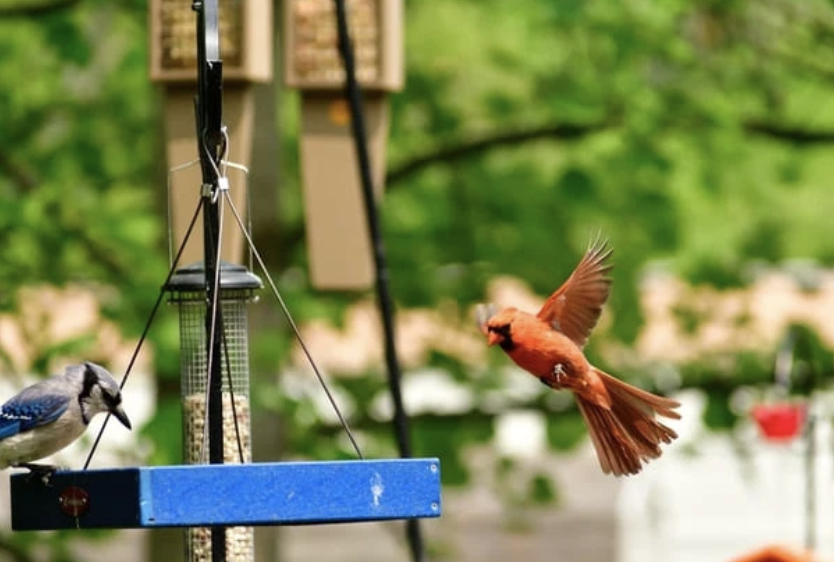
Retailers should stop treating bird feeders as one narrow product category.
Instead, bird feeders can be part of several retail stories:
- wildlife gardening;
- garden decoration;
- outdoor living;
- gifting;
- children’s nature learning;
- sustainable gardening;
- seasonal garden ranges.
This broader positioning can increase product value.
Buyers should choose different feeder levels
A balanced bird feeder range may include:
Entry-level feeders
- simple seed feeders;
- plastic tube feeders;
- basic hanging feeders.
Mid-range feeders
- metal feeders;
- wooden bird tables;
- easy-clean designs;
- weatherproof models.
Premium feeders
- decorative resin designs;
- ceramic feeders;
- gift-boxed products;
- large feeding stations;
- squirrel-resistant feeders.
This allows retailers to serve different customers and budgets.
Product design should match modern customer needs
Retailers should look for features such as:
- easy refill;
- easy cleaning;
- drainage holes;
- weatherproof roof;
- strong hanging hook;
- stable base;
- attractive design;
- safe feeding access.
Function still matters, even when decoration becomes important.
A beautiful feeder that does not work well will not create repeat sales.
Packaging can increase perceived value
Good packaging helps turn a bird feeder into a gift product.7
Useful packaging features include:
- clear product image;
- simple usage instructions;
- wildlife benefit message;
- recyclable carton;
- attractive colour design;
- barcode and retail label support.
For e-commerce, packaging must also protect the feeder during delivery.8
Retailers should build product stories
Bird feeders sell better when customers understand the benefit.
Useful retail messages include:
- “Attract birds to your garden”
- “Support local wildlife”
- “A beautiful gift for nature lovers”
- “Easy to clean and refill”
- “Perfect for balconies and small gardens”
- “Weather-resistant outdoor design”
Importers should check durability and landed cost
Bird feeders may look simple, but buyers should still check:
- material strength;
- rust resistance;
- UV resistance;
- carton size;
- loading quantity;
- inspection requirements;
- packaging protection.
Poor quality can lead to complaints, returns, and lost trust.
| Buyer focus | Why it matters |
|---|---|
| Design | Improves decorative value |
| Material | Affects durability |
| Easy cleaning | Supports safe bird feeding |
| Packaging | Helps gifting and retail display |
| Weather resistance | Reduces complaints |
| Product range | Serves different customer groups |
For retailers, bird feeders are becoming a higher-value category that connects nature, decoration, and lifestyle.
Conclusion
Bird feeders are no longer just feeding tools. They are garden décor, wildlife support products, outdoor living accessories, and meaningful gifts for modern consumers.
-
"WINTER BIRD FEEDING", http://www.birds.cornell.edu/netcommunity/bbimages/email/care2/BirdNoteWinterFeeding.pdf. A university or bird-conservation guide that distinguishes several feeder formats, such as hopper, tray or platform, tube, suet, and hanging feeders, supports the general claim that bird feeders are produced in varied designs; it does not independently verify every decorative style named in the article. Evidence role: general_support; source type: education. Supports: Modern bird feeders are available in many different styles or formats.. Scope note: The likely sources classify functional feeder types more directly than decorative retail styles such as “rustic” or “minimalist.” ↩
-
"Urban Bird Feeding: Connecting People with Nature – PMC", https://pmc.ncbi.nlm.nih.gov/articles/PMC4948881/. Research on garden bird feeding and human–nature interactions can support the contextual claim that people value bird feeders not only for feeding birds but also for the enjoyment and visual experience they add to domestic outdoor spaces; such evidence addresses motivations and perceived benefits rather than proving a specific purchase decision for any individual customer. Evidence role: general_support; source type: paper. Supports: Customers may value a bird feeder for its aesthetic contribution to a garden or patio as well as for feeding birds.. Scope note: The support is contextual, because studies usually examine motivations for bird feeding or garden enjoyment rather than the aesthetics of particular feeder products. ↩
-
"Urban Bird Feeding: Connecting People with Nature – PMC", https://pmc.ncbi.nlm.nih.gov/articles/PMC4948881/. Studies of garden bird feeding and human–wildlife interaction report that regular exposure to birds can increase observation, familiarity, and perceived knowledge of local wildlife; this supports the claim as a general pattern rather than proving it for every customer. Evidence role: general_support; source type: paper. Supports: Over time, people begin to recognise bird habits.. Scope note: Evidence is likely to be based on survey or qualitative research about bird feeding and nature observation, not a universal finding for all feeder users. ↩
-
"Urban Bird Feeding: Connecting People with Nature – PMC", https://pmc.ncbi.nlm.nih.gov/articles/PMC4948881/. Research on human engagement with garden birds links bird feeding and everyday encounters with birds to emotional benefits, place attachment, and perceived connection to nature; the evidence is contextual and does not measure emotional connection to a specific garden product directly. Evidence role: expert_consensus; source type: paper. Supports: Watching and recognising garden birds creates a strong emotional connection with the garden.. Scope note: The source may support emotional or wellbeing benefits of birdwatching and bird feeding broadly, rather than demonstrating that feeders alone create a strong garden connection. ↩
-
"Winter Bird Feeding: The Basics", https://extension.psu.edu/winter-bird-feeding-the-basics/. Urban bird-feeding guidance from ornithological or university sources describes balconies, windows, patios, and other small outdoor spaces as feasible locations for bird feeders, supporting the claim that feeders can be used in dense residential settings. Evidence role: general_support; source type: education. Supports: Bird feeders can be suitable for urban customers because they can be used in small outdoor or window-adjacent spaces.. Scope note: This supports the practical feasibility of urban feeding locations, but it does not measure customer suitability or purchasing behavior directly. ↩
-
"I live in a high-rise apartment in the city. How can I attract …", https://www.allaboutbirds.org/news/i-live-in-a-high-rise-apartment-in-the-city-how-can-i-attract-birds/. Ornithology and bird-conservation guidance commonly identifies window-mounted feeders and small hanging feeders as feeder types that can be installed close to residences, providing contextual support for their relevance to apartment or limited-space settings. Evidence role: definition; source type: research. Supports: Window feeders and compact hanging feeders are relevant options for apartment living because they can be used near windows or in limited spaces.. Scope note: The source may describe feeder types and placement rather than specifically proving that apartment residents find them attractive. ↩
-
"The Impact of Visual Elements of Packaging Design on … – PMC", https://pmc.ncbi.nlm.nih.gov/articles/PMC11851823/. Research on consumer product packaging indicates that visual and informational package cues can influence perceived product value and purchase intention, supporting the view that packaging can contribute to gift suitability; however, such studies usually address consumer goods generally rather than bird feeders specifically. Evidence role: general_support; source type: paper. Supports: Good packaging helps turn a bird feeder into a gift product.. Scope note: Contextual support from consumer-packaging research, not direct evidence about bird feeder packaging. ↩
-
"How to Pack a Box or Pallet for Shipping", https://www.ups.com/us/en/support/shipping-support/packaging-tips. Packaging standards and parcel-shipping guidance emphasize that goods sold through distribution and delivery systems require packaging capable of withstanding handling, vibration, compression, and impact, supporting the need for protective e-commerce packaging; this establishes a general logistics requirement rather than a bird-feeder-specific test result. Evidence role: expert_consensus; source type: institution. Supports: For e-commerce, packaging must also protect the feeder during delivery.. Scope note: General support from shipping and package-testing guidance, not specific performance data for bird feeders. ↩