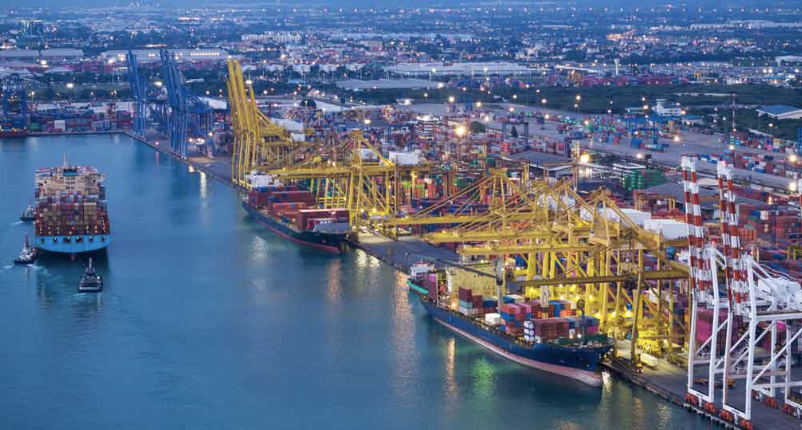
When importing goods internationally, customs inspection is a normal part of the clearance process. Many importers see it as a delay, but in reality it is a standard risk-control mechanism used by customs authorities worldwide.
Imported goods are inspected to ensure compliance with regulations, verify declared information, assess safety risks, and prevent illegal or misclassified shipments from entering the market.
Understanding why inspections happen—and how to reduce unnecessary checks—can significantly improve supply chain efficiency.
Why Customs Inspect Imported Goods
Customs inspections are designed to protect national borders, consumers, and fair trade systems.
Customs inspect imported goods to verify product compliance, confirm declared value and classification, prevent smuggling or misdeclaration, and ensure that goods meet safety and regulatory requirements.
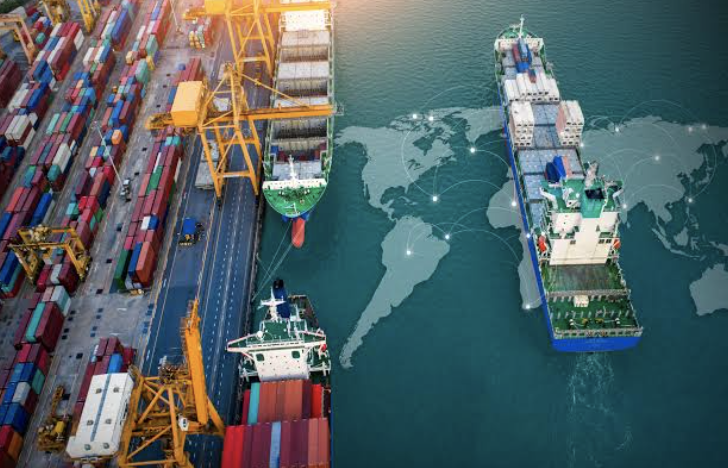
Every shipment entering a country carries a declaration from the importer. Customs authorities must verify whether that declaration is accurate.
Verification of product information
One of the main reasons for inspection is to confirm that the shipment matches its documentation.
Customs officers may check:
- product description;
- HS code classification;
- declared quantity;
- declared value;
- country of origin.
If something does not match, inspection is triggered to prevent incorrect declarations.
Safety and compliance control
Many imported goods must meet safety standards, especially products such as:
- electrical goods[^1];
- toys and children’s products;
- food-related items;
- cosmetics;
- chemicals and materials.
Revenue protection and duty accuracy
Customs duties and taxes depend on correct valuation and classification.
Inspections help prevent:
- undervaluation of goods;
- incorrect tariff codes;
- duty evasion practices;
- false product descriptions.
Even small discrepancies can lead to detailed checks.
Risk-based border control
Modern customs systems use risk profiles.
Shipments may be flagged based on:
- product type;
- exporter/importer history;
- shipment route;
- declared value anomalies;
- random selection.
This means even compliant shipments can occasionally be inspected.
| Inspection purpose | What customs checks | Outcome |
|---|---|---|
| Verification | Documents vs actual goods | Accuracy confirmation |
| Safety control | Product compliance | Market protection |
| Tax enforcement | Value and HS code | Correct duty collection |
| Risk screening | Shipment profile | Random or targeted inspection |
In most cases, inspection is not a penalty—it is a standard verification step in global trade.
Common Triggers That Lead to Inspection
While some inspections are random, many are triggered by identifiable risk factors in the shipment or documentation.
Common inspection triggers include inconsistent declarations, unusual pricing, incorrect HS codes, high-risk product categories, and importers or exporters with limited trade history.
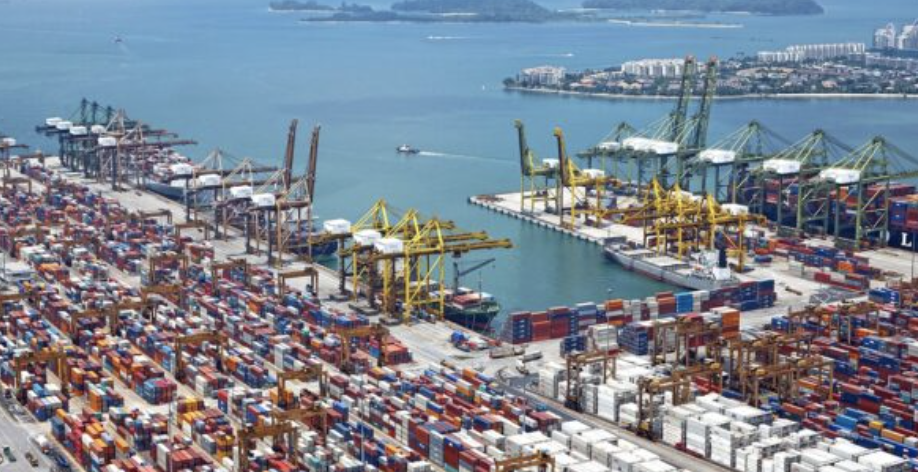
Understanding these triggers helps importers reduce unnecessary delays.
Inconsistent or unclear documentation
One of the most frequent causes of inspection is mismatch in paperwork.
Examples include:
- invoice description not matching packing list;
- quantity differences between documents;
- vague product descriptions;
- missing or incorrect HS codes;
- inconsistent declared values.
Even small inconsistencies can raise flags in automated customs systems.
Suspicious pricing or undervaluation
If the declared value is significantly lower than market expectations, customs may suspect undervaluation[^3].
This often triggers:
- document review[^4];
- value verification;
- additional proof requests;
- physical inspection of goods.
Importers should ensure pricing aligns with realistic market levels.
High-risk product categories
Some goods are inspected more frequently due to regulatory requirements.
These include:
- electronics and batteries;
- textiles and garments;
- toys and children’s products;
- food-contact materials;
- chemicals and industrial materials.
Such products often require additional certification or compliance checks.
New or unknown trading parties
First-time importers or exporters may face higher inspection probability.
Customs systems often flag:
- new importer accounts;
- unfamiliar exporters;
- limited trade history;
- irregular shipping patterns.
As trust builds over time, inspection frequency usually decreases.
Random selection and automated risk systems
Not all inspections are avoidable.
Modern customs systems use:
- algorithm-based risk scoring;
- random sampling;
- data-driven alerts;
- intelligence-based targeting.
This means even perfectly compliant shipments can occasionally be selected.
| Trigger type | Example | Inspection likelihood |
|---|---|---|
| Document mismatch | Invoice vs packing list inconsistency | High |
| Low declared value | Price below market range | High |
| High-risk goods | Electronics, chemicals | Medium–High |
| New importer | First shipment | Medium |
| Random selection | Algorithm-based check | Unpredictable |
A clean documentation process significantly reduces the chance of being flagged for inspection.
How Inspections Affect Customs Clearance Time
Customs inspections can significantly extend clearance time depending on the level of review required.
Inspections affect clearance time by adding document verification steps, potential physical examination of goods, laboratory testing (in some cases), and administrative processing delays before release.
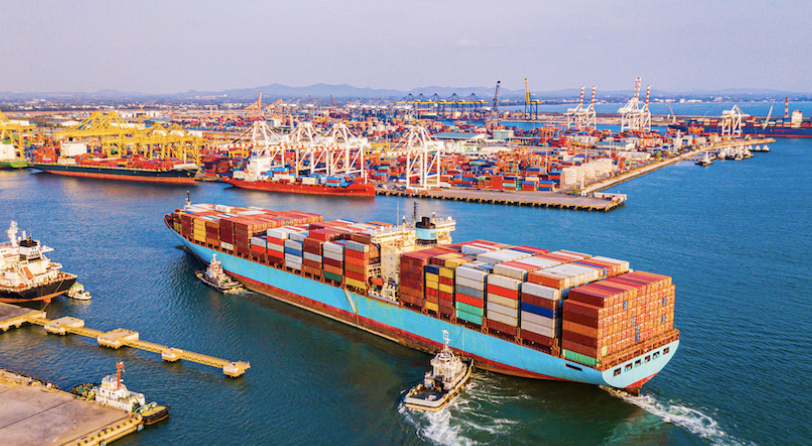
The impact of inspection varies depending on shipment complexity and customs workload.
Document review delays
The simplest inspection level is document verification.
This may add:
- 1–3 days of processing time;
- requests for clarification;
- additional document submissions;
- reclassification of HS codes.
Even minor document issues can slow down release.
Physical inspection of goods
If customs decides to physically inspect cargo[^5], the shipment must be:
- moved to inspection area;
- unpacked or partially opened;
- checked against declaration;
- re-sealed after inspection.
This process can add several days depending on port congestion[^6].
Laboratory testing for regulated goods
Certain products may require testing, such as:
- chemical composition checks;
- safety compliance testing;
- material verification;
- labeling compliance review.
These cases can significantly extend clearance time.
Port congestion and scheduling delays
Inspection delays are also affected by port conditions:
- limited inspection staff;
- high shipment volume;
- backlog in customs warehouse;
- seasonal peaks.
Even simple inspections can take longer during busy periods.
| Inspection type | Added delay | Impact level |
|---|---|---|
| Document check | 1–3 days | Low |
| Physical inspection | 3–7 days | Medium |
| Laboratory testing | 7–15+ days | High |
| Peak-season backlog | Variable | Very high |
In logistics planning, inspection risk should always be included in realistic delivery timelines.
How Importers Can Avoid Unnecessary Delays
While inspections cannot be completely avoided, importers can significantly reduce unnecessary delays by improving documentation accuracy and compliance.
Importers can avoid unnecessary delays by ensuring accurate HS classification, consistent documentation, realistic valuation, proper product descriptions, and working with experienced suppliers and freight partners.
The goal is not to eliminate inspections entirely, but to reduce avoidable triggers.
Ensure accurate and consistent documentation
All shipment documents should match exactly:
- commercial invoice;
- packing list;
- bill of lading;
- product specification.
Even small inconsistencies can trigger inspection.
Use correct HS codes
HS code classification is one of the most important compliance factors[^7].
Importers should:
- verify codes with suppliers;
- confirm with customs brokers if needed;
- avoid overly generic classifications;
- ensure consistency across shipments.
Incorrect HS codes are a common cause of delays[^8].
Declare realistic product value
Undervaluation is a major red flag for customs.
Best practice includes:
- using market-based pricing;
- avoiding artificial price reduction;
- keeping pricing consistent across shipments;
- documenting price justification when needed.
Work with experienced suppliers
Reliable suppliers help reduce inspection risk by providing:
- accurate export documentation;
- correct product descriptions;
- consistent packaging information;
- export compliance support.
Experience matters in reducing documentation errors.
Prepare for inspection in advance
Even with perfect preparation, inspections can still happen.
Importers should:
- maintain updated product certificates;
- prepare quick-response documentation;
- work with responsive customs brokers;
- allow buffer time in shipping schedules.
| Best practice | Why it matters | Result |
|---|---|---|
| Accurate documents | Prevent mismatches | Lower inspection risk |
| Correct HS codes | Ensure compliance | Faster clearance |
| Realistic valuation | Avoid suspicion | Fewer checks |
| Reliable suppliers | Reduce errors | Smooth processing |
| Buffer planning | Handle delays | Stable delivery timelines |
The most effective strategy is to treat compliance as part of logistics design, not an afterthought.
Conclusion
Customs inspections are a normal part of international trade, but most delays can be reduced through accurate documentation, proper classification, and reliable supply chain management. Importers who prepare well not only clear customs faster but also build more stable global logistics performance.
[^1]: "[PDF] A Guide to United States Electrical and Electronic Equipment …", https://nvlpubs.nist.gov/nistpubs/ir/2017/nist.ir.8118r1.pdf. Government import-safety guidance commonly identifies electrical and electronic products as regulated goods subject to conformity or safety requirements before market entry. Evidence role: general_support; source type: government. Supports: Electrical goods are among imported products that often must meet safety standards.. Scope note: The specific requirements vary by importing country and product category, so the source would support the general category rather than every electrical good.
[^2]: "[PDF] Online Product Safety: Trends and Challenges – OECD", https://www.oecd.org/content/dam/oecd/en/publications/reports/2016/11/online-product-safety_g17a28a6/5jlnb5q93jlt-en.pdf. Regulatory and standards-based sources describe import or product inspections as a method for assessing conformity with legal safety requirements and identifying hazards before products reach consumers. Evidence role: mechanism; source type: institution. Supports: Inspection is used to check compliance with national regulations and reduce consumer safety risks.. Scope note: Inspection can reduce or identify risk but does not guarantee that all non-compliant or unsafe products will be detected.
[^3]: "CHAPTER 6. Customs Valuation in – IMF eLibrary", https://www.elibrary.imf.org/display/book/9781589062115/ch06.xml. The WTO Customs Valuation Agreement requires customs value to be based primarily on the transaction value but permits customs authorities to question declared values when there are reasons to doubt their truth or accuracy. Evidence role: general_support; source type: institution. Supports: If a declared value is significantly lower than expected market value, customs authorities may suspect undervaluation.. Scope note: This supports the general customs valuation principle rather than proving how any specific customs authority will respond in a particular shipment.
[^4]: "What value should be on the commercial invoice submitted to U.S. …", https://www.help.cbp.gov/s/article/Article-1162?language=en_US. Customs valuation guidance describes verification of declared customs values through examination of invoices, contracts, payment records, and other supporting documents when the declared value is questioned. Evidence role: mechanism; source type: government. Supports: Suspected undervaluation can trigger document review, value verification, requests for additional proof, or inspection of goods.. Scope note: The source would document common verification mechanisms; procedures and terminology can vary by jurisdiction.
[^5]: "Cargo Examination – U.S. Customs and Border Protection", https://www.cbp.gov/border-security/ports-entry/cargo-security/examination. Official customs guidance describes physical cargo examination as a process in which authorities may direct goods to an examination site and inspect the shipment contents against declared information. Evidence role: general_support; source type: government. Supports: When customs physically inspects cargo, the shipment may be moved, opened, checked against the declaration, and re-sealed after inspection.. Scope note: Procedures vary by country, port, cargo type, and inspection authority, so the source supports the general process rather than every operational step in all jurisdictions.
[^6]: "[PDF] Why Does Cargo Spend Weeks in Sub-Saharan African Ports?", https://documents1.worldbank.org/curated/en/335441468000911485/pdf/680140PUB0EPI0067902B09780821394991.pdf. Port and customs-administration sources note that inspection, examination holds, and terminal congestion can increase cargo dwell time, providing contextual support for delay estimates measured in days. Evidence role: general_support; source type: institution. Supports: A physical customs inspection can add several days to a shipment timeline depending on port congestion.. Scope note: The evidence is likely to support the direction and plausibility of delay, while the exact number of days depends on port conditions, carrier schedules, staffing, and the type of customs hold.
[^7]: "[PDF] Tariff Classification – U.S. Customs and Border Protection", https://www.cbp.gov/sites/default/files/documents/icp017r2_3.pdf. Customs authorities and the World Customs Organization describe HS classification as a foundational element for determining duties, applying trade measures, and completing customs declarations. Evidence role: expert_consensus; source type: institution. Supports: HS code classification is one of the most important compliance factors.. Scope note: This supports the compliance importance of HS classification generally, but does not rank it against every other import-compliance factor.
[^8]: "Harmonized System (HS) Codes – International Trade Administration", https://www.trade.gov/harmonized-system-hs-codes. Customs guidance notes that inaccurate tariff classification can result in incorrect duty assessment, compliance issues, and shipment holds or delays during customs processing. Evidence role: general_support; source type: government. Supports: Incorrect HS codes are a common cause of delays.. Scope note: The source may document that misclassification can cause delays, but may not quantify how common this cause is across all imports or jurisdictions.