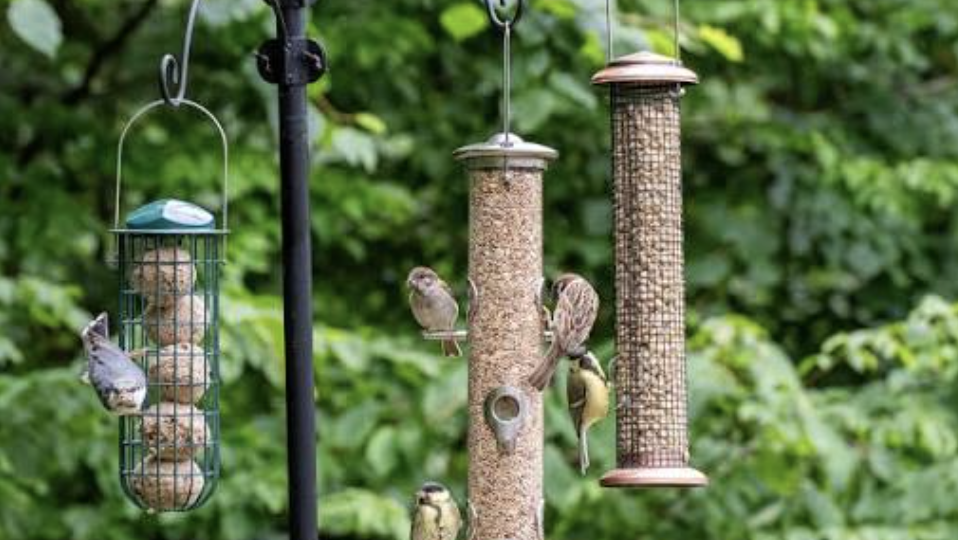
Bird feeding has become more than a hobby in Europe—it is now part of everyday garden lifestyle culture. From small city balconies in Germany to large countryside gardens in the UK and France, demand for bird feeders continues to grow.
Bird feeder trends in Europe are shifting toward sustainable materials, modern minimalist designs, multi-functional feeding systems, and easy-to-maintain products that attract more birds while fitting contemporary garden aesthetics.
For importers, understanding what sells best is the key to building a profitable product range.
Why Sustainable Bird Feeders Are Leading the European Market
Sustainability is no longer a niche preference in Europe—it is becoming a core buying requirement.
Sustainable bird feeders are leading the European market because consumers prefer eco-friendly materials, long-lasting products, reduced plastic use, and designs that support wildlife without creating unnecessary waste.
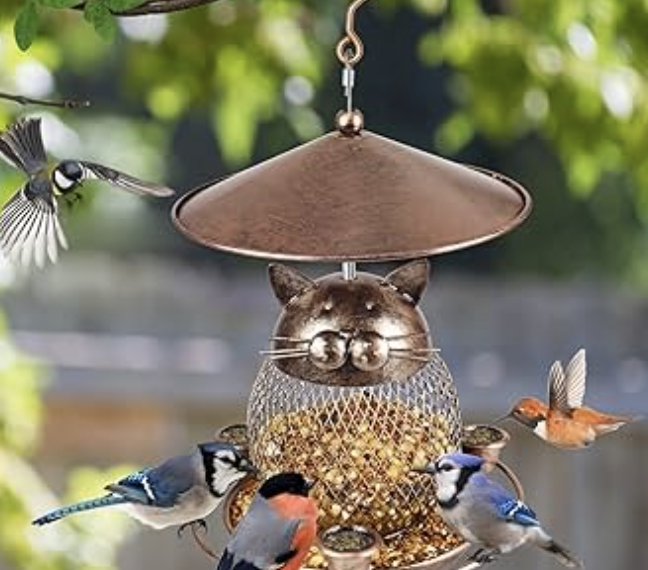
European consumers are highly aware of environmental impact, especially in garden and outdoor products.
This affects purchasing decisions in several ways.
Preference for long-lasting materials
Buyers are moving away from cheap disposable plastic feeders.[^1]
Instead, they prefer:
- powder-coated metal feeders;
- recycled plastic designs;
- FSC-certified wood products;
- stainless steel components;
- hybrid eco-material constructions.
Durability is directly linked to sustainability in consumer perception.[^2]
A feeder that lasts five years is seen as more eco-friendly than a cheap one replaced every season.
Reduced plastic and improved recyclability
Plastic is not disappearing from the market, but expectations are changing.
Consumers increasingly prefer:
- recycled plastics;
- UV-stabilised materials with long lifespan;
- minimal mixed-material designs;
- easy-to-separate components for recycling.
Packaging also matters.
Many retailers now highlight:
- recyclable cardboard boxes;
- reduced plastic wrapping;
- plastic-free gift packaging.
Wildlife-friendly positioning
Sustainability in Europe is closely connected to wildlife protection.
Bird feeders are marketed as tools that:
- support biodiversity;
- help birds survive winter;
- reduce urban ecosystem imbalance;
- encourage natural pest control.
Products that clearly communicate “wildlife-friendly” benefits tend to perform better in retail environments.
| Sustainability factor | Buyer preference | Market impact |
|---|---|---|
| Durable materials | High | Fewer replacements |
| Recycled plastics | Growing | Eco positioning |
| Minimal packaging | Strong | Retail compliance |
| Wildlife support | Very strong | Emotional purchase driver |
Sustainability is not just a trend—it is now a baseline expectation for European garden products.
Modern Bird Feeder Designs That Appeal to European Consumers
Design plays a major role in European purchasing behaviour. Function alone is not enough—appearance must also fit modern garden aesthetics.
Modern bird feeder designs in Europe focus on minimalism, natural colours, compact structures, decorative functionality, and designs that blend into contemporary outdoor spaces rather than dominate them.
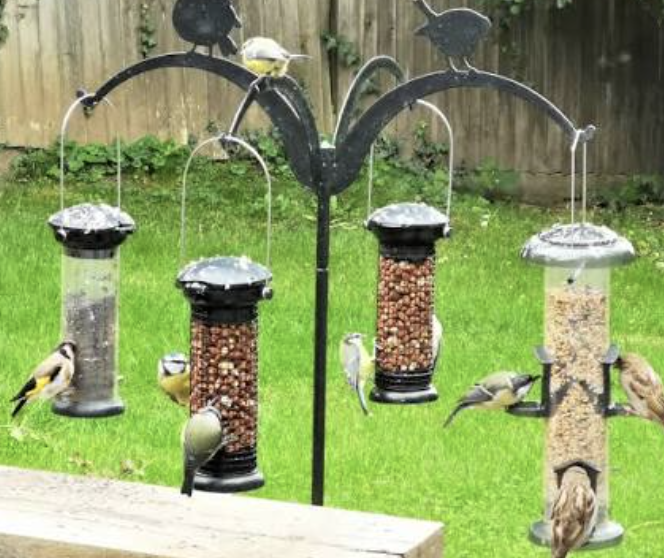
Today’s European garden is often designed like an outdoor living space.
This changes what consumers expect from bird feeders.
Minimalist and Scandinavian-inspired designs
Clean, simple designs are very popular, especially in Northern and Western Europe[^3].
Common features include:
- neutral colours (black, grey, green, wood tones);
- simple geometric shapes;
- uncluttered structures;
- hidden hardware;
- smooth finishes.
These feeders are designed to blend into gardens rather than stand out[^4].
Decorative but functional feeders
Consumers still want attractive products, but functionality must come first.
Popular hybrid designs include:
- lantern-style bird feeders;
- house-shaped feeders;
- hanging modern “capsule” feeders;
- wall-mounted minimalist feed stations;
- glass and metal combinations.
These designs often double as garden décor.
Balcony-friendly compact feeders
Urban living is increasing demand for space-saving feeders.
These products are:
- small and lightweight;
- easy to mount on railings;
- suitable for apartments and terraces;
- designed for limited space feeding.
This segment is especially strong in cities like London, Amsterdam, Berlin, and Paris.
Natural-looking outdoor integration
Many consumers prefer feeders that feel “part of nature.”
This leads to demand for:
- wood-look finishes;
- matte green coatings;
- bark-texture surfaces;
- camouflage-style designs;
- natural feeding stations integrated with plants.
| Design trend | Target buyer | Selling advantage |
|---|---|---|
| Minimalist style | Urban households | Fits modern homes |
| Decorative feeders | Lifestyle buyers | Dual function décor |
| Balcony feeders | City apartments | Space-saving design |
| Natural look | Garden enthusiasts | Eco aesthetic |
The strongest products are those that feel like part of the garden, not an object placed in it.
Features That Make Bird Feeders Sell Faster
In the European market, product features often decide sales speed more than price.
Bird feeders sell faster when they include weather protection, easy cleaning systems, squirrel resistance, multi-bird access, and designs that reduce seed waste and maintenance effort.
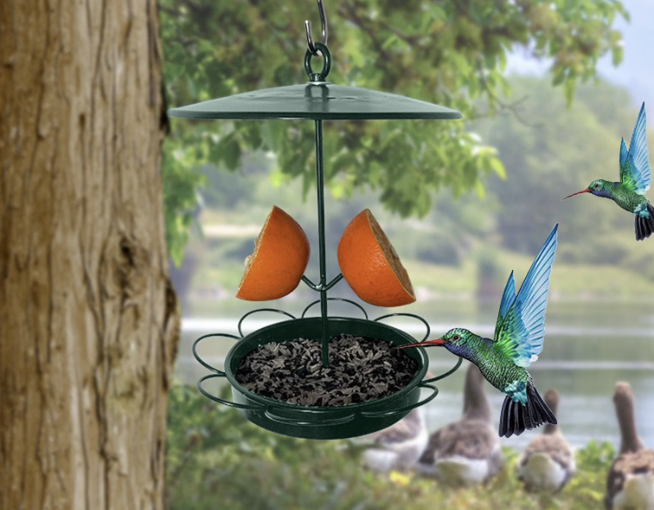
Retail buyers in Europe focus heavily on usability.
A product that is difficult to maintain will quickly receive negative reviews.
Easy cleaning and maintenance
One of the most important features is hygiene.[^5]
Fast-selling feeders often include:
- removable parts;
- wide openings;
- smooth internal surfaces;
- dishwasher-safe components (in some designs);
- quick disassembly systems.
Customers prefer feeders they can clean in minutes, not hours.[^6]
Weather resistance
European climates vary, but rain and wind are common across most regions.
High-demand features include:
- rain-proof roofs;
- drainage holes;
- UV-resistant materials;
- rust-proof metal parts;
- frost-resistant components.
A feeder that works in all seasons has a clear retail advantage.
Squirrel and predator protection
In many European gardens, squirrels are a major issue.
Popular solutions include:
- weight-activated closures;
- cage protection systems;
- anti-climb designs;
- reinforced feeding ports;
- metal outer protection layers.
These features reduce food waste and increase user satisfaction.
Multi-species feeding systems
Modern feeders are designed to attract different birds.
Successful models include:
- multiple feeding ports;
- adjustable seed flow systems;
- mixed food compatibility (seed, suet, nuts);
- platform + tube combinations.
This increases bird variety and customer satisfaction.
| Feature | Consumer benefit | Sales impact |
|---|---|---|
| Easy cleaning | Saves time | Higher repeat purchase |
| Weather protection | Year-round use | Fewer complaints |
| Squirrel proofing | Less food waste | Strong selling point |
| Multi-access design | More bird variety | Higher engagement |
Products that combine these features often become best-sellers across multiple European markets.
How Importers Can Choose Best-Selling Bird Feeders for Europe
For importers, success depends on selecting products that match European consumer behaviour rather than just focusing on factory pricing.
Importers should choose bird feeders for Europe based on sustainability, design compatibility, functional features, retail packaging quality, and proven market demand across different European countries.
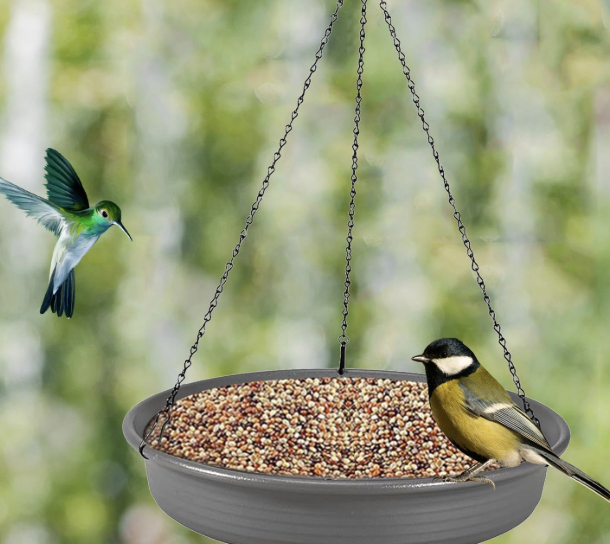
Not every bird feeder will perform well in Europe.
Market testing and product selection are essential.
Focus on proven demand segments
Strong-selling categories include:
- metal tube feeders;
- squirrel-proof feeders;
- balcony feeders;
- decorative lantern feeders;
- multi-functional feeding stations.
Avoid overly complex or untested designs unless they are clearly targeted.
Match product design to retail channels
Different channels require different positioning:
- DIY stores → durable, functional feeders
- garden centres → natural and decorative designs
- online platforms → compact, visually attractive products
- premium retailers → design-led eco products
Prioritise packaging and presentation
In Europe, packaging strongly influences purchasing decisions[^7].
Good packaging should include:
- clear usage instructions;
- bird species information;
- eco-friendly materials;
- attractive retail design;
- compact shipping size.
Retail-ready packaging increases shelf conversion rates[^8].
Test before scaling
Importers should avoid large initial commitments without validation.
Recommended steps:
- request samples from multiple suppliers;
- test durability and cleaning;
- check bird attraction performance;
- evaluate packaging quality;
- run small-market trials.
| Import decision factor | What to prioritise |
|---|---|
| Market demand | Proven best-sellers |
| Product design | Modern European style |
| Functionality | Easy cleaning + weather resistance |
| Packaging | Retail-ready presentation |
| Supplier reliability | Stable production quality |
The most successful importers focus on long-term product consistency rather than one-time low prices.
Conclusion
Bird feeder trends in Europe are shaped by sustainability, modern design, and practical functionality. Importers who understand these priorities can build stable, high-demand product lines that perform well across different European markets.
[^1]: "Plastics – OECD", https://www.oecd.org/en/topics/sub-issues/plastics.html. Research on sustainable consumption and plastic-waste reduction documents growing consumer concern about disposable plastic products and increasing willingness to choose products perceived as reusable or environmentally preferable; this supports the broader market-direction claim, though it may not measure bird-feeder purchases specifically. Evidence role: general_support; source type: paper. Supports: Buyers are moving away from cheap disposable plastic feeders.. Scope note: Contextual support only; likely evidence will address consumer attitudes toward disposable plastics or sustainable products generally rather than feeder-specific purchasing data.
[^2]: "[PDF] Timelessness in Sustainable Product Design", https://repository.rit.edu/cgi/viewcontent.cgi?referer=&httpsredir=1&article=1885&context=other. Studies of sustainable product design and consumer perception commonly identify product longevity and durability as attributes associated with environmental sustainability because longer service life can reduce replacement frequency and material throughput; this supports the stated association, but it does not prove that all feeder buyers evaluate sustainability in the same way. Evidence role: expert_consensus; source type: paper. Supports: Durability is directly linked to sustainability in consumer perception.. Scope note: Supports the general link between durability and perceived sustainability, not necessarily the specific perceptions of bird-feeder customers.
[^3]: "(PDF) New Nordic and Scandinavian Retro: reassessment of values …", https://www.academia.edu/52077738/New_Nordic_and_Scandinavian_Retro_reassessment_of_values_and_aesthetics_in_contemporary_Nordic_design. A source on contemporary European garden or product-design preferences should support that minimalist or Scandinavian-influenced outdoor design is associated with Northern and Western Europe; this provides contextual support rather than direct proof of feeder-specific popularity. Evidence role: general_support; source type: research. Supports: Clean, simple designs are very popular, especially in Northern and Western Europe.. Scope note: Likely contextual unless the source specifically measures bird-feeder design preferences by region.
[^4]: "13 front yard xeriscape landscaping ideas with photos of drought …", https://engagement.source.colostate.edu/front-yard-xeriscape-ideas-with-photos-of-drought-tolerant-colorado-landscapes/. A landscape-design or environmental-psychology source should support the principle that neutral colors, natural materials, and simple forms reduce visual contrast and help objects visually integrate with garden settings; this supports the design rationale, not necessarily the intent of every feeder manufacturer. Evidence role: mechanism; source type: education. Supports: These feeders are designed to blend into gardens rather than stand out.. Scope note: Supports the visual-design mechanism generally, not a direct empirical claim about these specific feeders.
[^5]: "Pet feeding habits and the microbiological contamination of dog …", https://pmc.ncbi.nlm.nih.gov/articles/PMC10701922/. Research on pet food and water bowls has identified household pet-feeding equipment as a potential reservoir for microbial contamination, supporting hygiene as a relevant design and use consideration for feeders. Evidence role: general_support; source type: paper. Supports: Hygiene is one of the most important features of pet feeders.. Scope note: This supports the importance of hygiene in feeder-related equipment generally, rather than ranking hygiene against all other purchasing features.
[^6]: "What Drives Pet Food Choices? A Systematic Literature Review – PMC", https://pmc.ncbi.nlm.nih.gov/articles/PMC12649392/. Consumer product research on household appliance usability commonly finds ease of cleaning and maintenance to be factors affecting user acceptance and satisfaction; this provides contextual support for emphasizing quick-clean feeder designs. Evidence role: general_support; source type: paper. Supports: Customers prefer pet feeders that can be cleaned quickly rather than requiring long cleaning routines.. Scope note: The evidence is likely to be contextual unless it specifically surveys pet feeder buyers and measures cleaning-time preferences.
[^7]: "The Impact of Visual Elements of Packaging Design on Purchase …", https://pmc.ncbi.nlm.nih.gov/articles/PMC11851823/. Consumer-behavior research and European market studies commonly identify packaging attributes—such as visual design, information, and sustainability cues—as factors associated with purchase intention and in-store choice; this supports the claim at a general level rather than proving the effect for every product category. Evidence role: general_support; source type: paper. Supports: In Europe, packaging strongly influences purchasing decisions.. Scope note: Contextual support; effects vary by category, country, and consumer segment.
[^8]: "[PDF] f James B. Rice, Jr", https://dspace.mit.edu/bitstreams/b1f7c16b-05b2-4ed9-b258-d5bf78b0a119/download. Retail and supply-chain studies describe retail-ready packaging as a format intended to improve shelf presentation, product visibility, replenishment efficiency, and shopper access; such evidence supports the mechanism behind possible shelf-conversion gains but may not directly quantify conversion-rate increases. Evidence role: mechanism; source type: research. Supports: Retail-ready packaging increases shelf conversion rates.. Scope note: Supports the plausible retail mechanism, not necessarily a universal measured increase in conversion rates.