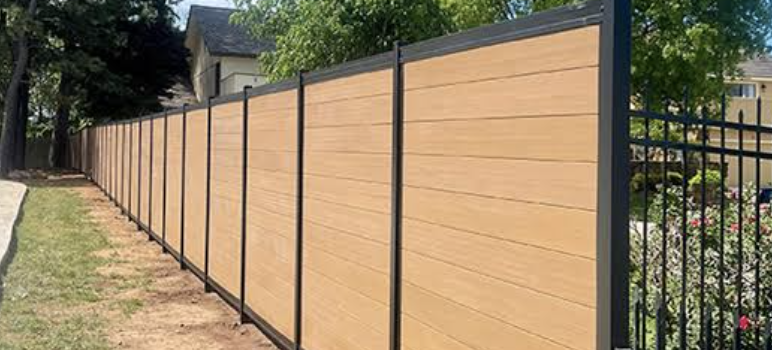
Garden fence panels are a long-term outdoor investment, and their performance depends heavily on how well they resist weather conditions throughout the year.
Weather-resistant garden fence panels are defined by durable materials, protective coatings, strong structural design, and low-maintenance surfaces that can withstand rain, sunlight, wind, and temperature changes without losing strength or appearance.
Choosing the right fence is not only about style—it is about long-term durability and cost efficiency.
Understanding Which Materials Perform Best Outdoors
Different materials behave very differently when exposed to outdoor environments. Some age naturally, while others degrade quickly if not properly treated.
The best weather-resistant fence materials include metal (especially galvanized or powder-coated steel), treated wood, composite fencing, and high-quality PVC, each offering different levels of durability, maintenance needs, and aesthetic value.
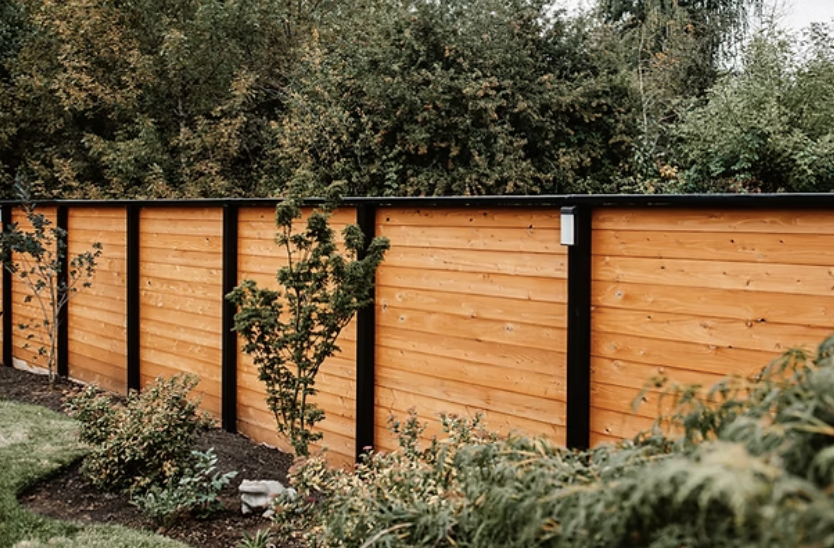
Material choice is the foundation of fence lifespan. Even the best design cannot compensate for weak material performance in harsh weather.
Metal fence panels
Metal is one of the strongest options for outdoor fencing.
Common types include:
- galvanized steel;
- powder-coated steel;
- aluminum panels.
Metal fences are valued for:
- high structural strength;
- resistance to wind damage;
- long service life;
- modern appearance.
However, untreated or poorly coated metal can rust over time, especially in humid or coastal environments.
Treated wood fence panels
Wood offers a natural and traditional look, but it requires proper treatment.
Key characteristics include:
- warm natural appearance;
- good privacy performance;
- moderate insulation against wind.
To perform well outdoors, wood must be:
- pressure-treated;
- sealed or painted;
- protected against moisture and insects.
Without treatment, wood may warp, crack, or rot.
Composite fence panels
Composite materials combine wood fibers and plastic[^1], creating a balance between appearance and durability.
Benefits include:
- low maintenance;
- resistance to rot and insects[^2];
- stable appearance over time;
- good weather performance.
Composite fencing is increasingly popular in modern residential gardens.
PVC fence panels
PVC fencing is lightweight and highly resistant to moisture.
Advantages include:
- waterproof structure;
- no rust or rot;
- easy installation;
- consistent appearance.
However, low-quality PVC may become brittle under strong UV exposure if not properly stabilized.
| Material | Weather resistance | Maintenance level | Lifespan potential |
|---|---|---|---|
| Metal (galvanized/powder-coated) | Very high | Low | Very long |
| Treated wood | Medium–high | Medium–high | Medium |
| Composite | High | Low | Long |
| PVC | Medium–high | Low | Medium–long |
A good fence system starts with choosing the right material for your environment.
Key Weatherproof Features You Should Look For
Even within the same material category, product quality can vary significantly. The right features determine how well a fence performs outdoors over time.
Weatherproof fence panels should include protective coatings, UV resistance, moisture protection, strong joints, corrosion-resistant hardware, and structural reinforcement to maintain stability and appearance in all seasons.
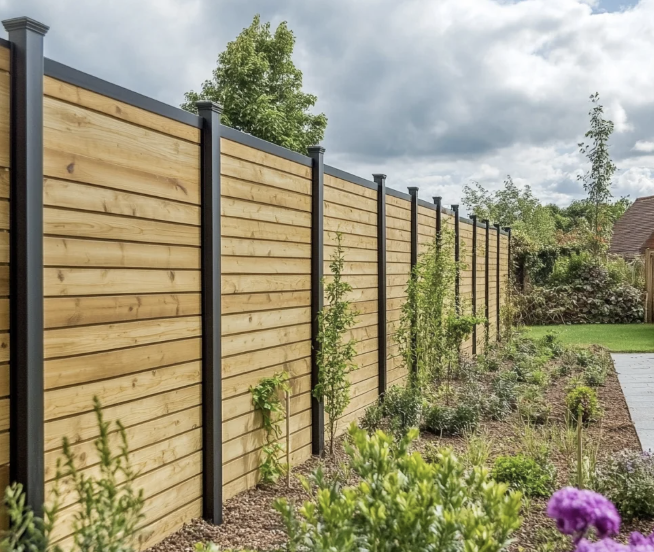
These features often matter more than the base material itself.
Protective coatings and surface treatments
Coatings are the first line of defense against weather damage.
For metal fences, look for:
- powder coating;
- galvanization;
- anti-rust primer layers.
For wood fences, look for:
- waterproof sealants;
- UV-protective paint;
- anti-fungal treatment.
Without proper surface protection, even strong materials can deteriorate quickly.
UV resistance for long-term color stability
Sunlight gradually fades outdoor materials.[^3]
Good UV protection helps:
- maintain original color;
- prevent surface cracking;
- reduce brittleness in plastics[^4];
- extend overall lifespan.
This is especially important in sunny climates or open garden spaces.
Moisture and water resistance
Rain and humidity are major causes of fence damage.
Effective moisture protection includes:
- sealed surfaces;
- water-resistant coatings;
- proper drainage design;
- rot-resistant materials.
Water infiltration can weaken internal structure over time, especially in wood-based fences.
Strong joints and structural design
A fence is only as strong as its weakest connection.
Key points include:
- reinforced panel joints;
- rust-resistant screws and brackets;
- wind-resistant mounting systems;
- stable base posts.
Poor joint design often leads to early structural failure even if materials are strong.
Wind resistance design
Wind pressure is often underestimated.
Good wind-resistant fences feature:
- balanced panel spacing;
- reinforced posts;
- flexible structural tolerance;
- secure ground anchoring.
| Feature | Why it matters | Result |
|---|---|---|
| UV protection | Prevents fading and cracking | Longer visual life |
| Moisture sealing | Stops rot and rust | Structural stability |
| Strong joints | Prevents breakage | Better durability |
| Anti-rust hardware | Avoids corrosion | Safer installation |
| Wind-resistant structure | Handles pressure | Reduced damage risk |
A high-quality fence should feel like a permanent outdoor structure, not a seasonal installation.
Matching Fence Design with Local Climate Conditions
Different climates require different fence solutions. A design that works well in dry regions may fail quickly in coastal or cold environments.
Fence design should be selected based on local climate conditions, including rainfall, humidity, sunlight intensity, wind exposure, and seasonal temperature changes.
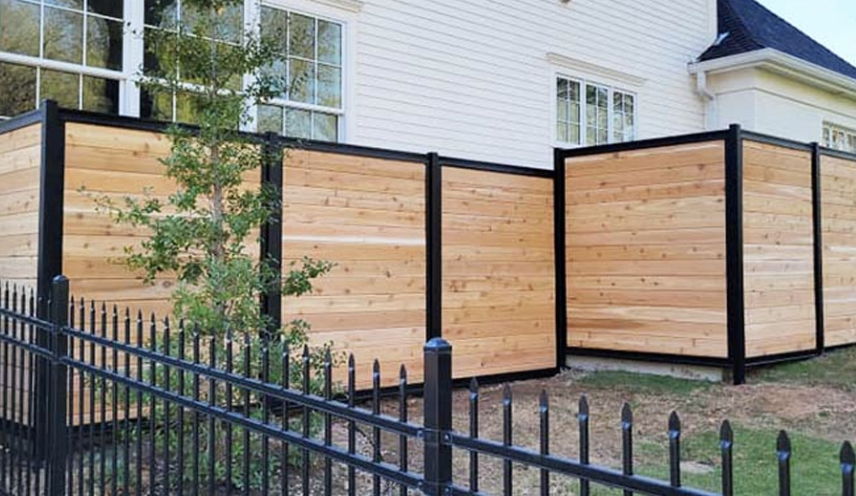
Understanding climate is essential for long-term performance.
Wet and rainy climates
In areas with frequent rain or high humidity:
Best choices:
- powder-coated metal fences;
- composite panels;
- well-sealed treated wood.
Key priorities:
- waterproofing;
- mold resistance;
- rust prevention;
- quick drying surfaces.
Avoid untreated wood or low-quality metal without coating.
Hot and sunny climates
In regions with strong sunlight:
Best choices:
- UV-stabilized PVC;
- composite fencing;
- light-colored coated metal.
Key priorities:
- UV resistance;
- heat stability;
- anti-fading materials;
- low thermal expansion.
Dark-colored metal may heat up and expand in extreme sun.
Cold and freezing climates
In cold regions:
Best choices:
- metal fences with strong coatings;
- freeze-resistant composites[^5];
- pressure-treated wood.
Key priorities:
- freeze-thaw resistance;
- crack prevention;
- structural flexibility;
- moisture sealing.
Water inside cracks can expand when frozen, causing damage.[^6]
Coastal and windy areas
Coastal environments require extra protection.
Best choices:
- aluminum or stainless steel fences;
- high-grade powder-coated metal;
- reinforced composite panels.
Key priorities:
- corrosion resistance;
- salt-air protection;
- strong anchoring systems;
- wind resistance.
| Climate type | Best fence materials | Key concern |
|---|---|---|
| Rainy/humid | Composite, coated metal | Moisture protection |
| Hot/sunny | UV-stabilized PVC, metal | Fading resistance |
| Cold/freezing | Treated wood, metal | Freeze damage |
| Coastal/windy | Aluminum, coated steel | Corrosion & wind |
The best fence is one that is engineered for local climate reality.
Maintenance Habits That Extend Fence Lifespan
Even the best weather-resistant fence requires basic maintenance. Simple habits can significantly extend its service life.
Regular cleaning, seasonal inspection, timely repainting or resealing, and early repair of small damages can greatly extend the lifespan of garden fence panels.
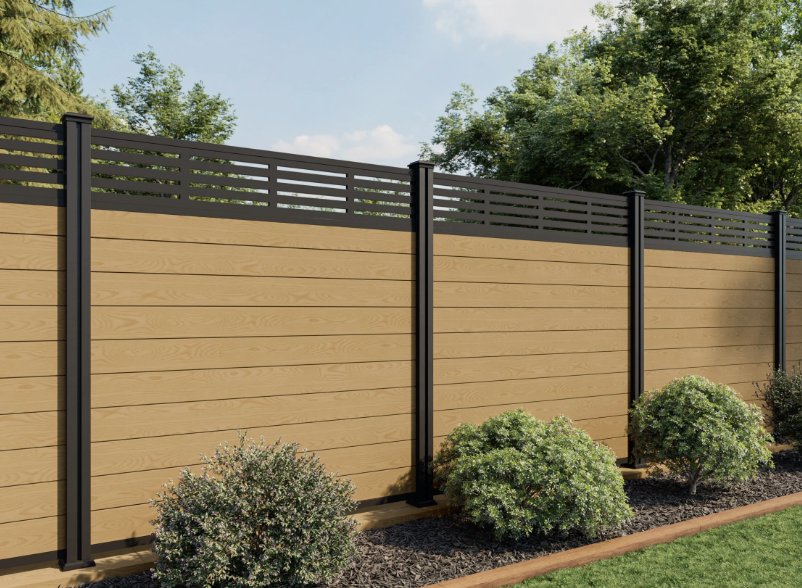
Maintenance is often the difference between a fence lasting 5 years or 15 years.
Regular cleaning
Dirt, moss, and debris can accelerate material degradation.
Recommended actions:
- wash surfaces with mild detergent;
- remove moss or algae buildup;
- clean drainage areas;
- avoid harsh chemicals that damage coatings.
Seasonal inspections
At least twice a year, check:
- loose screws or brackets;
- rust spots on metal;
- cracks in wood or composite;
- UV fading;
- structural leaning.
Early detection prevents larger repair costs later.
Protective treatments
Depending on material:
- repaint or reseal wood every few years[^7];
- touch up metal coatings if scratched;
- apply protective sealants where needed.
These small actions significantly extend lifespan.[^8]
Vegetation control
Plants growing near fences can cause:
- moisture retention;
- structural pressure;
- surface scratching;
- hidden damage.
Keeping space between plants and fence panels improves durability.
| Maintenance habit | Benefit | Frequency |
|---|---|---|
| Cleaning | Prevents buildup damage | Monthly/seasonal |
| Inspection | Early damage detection | Twice per year |
| Recoating/sealing | Restores protection | Every 2–5 years |
| Vegetation control | Reduces moisture risk | Ongoing |
Good maintenance turns a fence into a long-term outdoor investment instead of a replacement item.
Conclusion
Choosing weather-resistant garden fence panels is about more than appearance. The right materials, protective features, climate matching, and regular maintenance all work together to ensure long-term outdoor performance and value.
[^1]: "[PDF] Wood Plastic Composites Powerpoint – extnag.tacc.utexas.edu", https://extnag.tacc.utexas.edu/ProductPdf/u2919D/243193/Wood%20Plastic%20Composites%20Powerpoint.pdf. Composite wood–plastic materials are commonly defined as products made from wood flour or fibers combined with thermoplastic polymers; this supports the material description but does not by itself establish performance advantages for any specific fencing product. Evidence role: definition; source type: encyclopedia. Supports: Composite materials combine wood fibers and plastic.. Scope note: This supports the general composition of wood–plastic composites, not the properties of a particular brand or installation.
[^2]: "Biological degradation of wood-plastic composites (WPC) and …", https://research.fs.usda.gov/treesearch/31179. Research and extension literature on wood–plastic composites notes that their polymer content can reduce moisture uptake and biological degradation relative to untreated wood, providing contextual support for claims about rot and insect resistance; performance varies by formulation, exposure, and installation conditions. Evidence role: general_support; source type: education. Supports: Composite fencing offers resistance to rot and insects.. Scope note: The evidence is contextual and comparative, not direct proof that every composite fence resists rot or insects equally.
[^3]: "Structural changes in wood under artificial UV light irradiation …", https://bioresources.cnr.ncsu.edu/resources/structural-changes-in-wood-under-artificial-uv-light-irradiation-determined-by-ftir-spectroscopy-and-color-measurements-a-brief-review/. Materials science references describe photodegradation from solar ultraviolet radiation as a cause of fading and other changes in exposed polymers, coatings, and dyes; this supports the general mechanism rather than quantifying fading for every outdoor material. Evidence role: mechanism; source type: education. Supports: Sunlight gradually fades outdoor materials.. Scope note: The support is contextual because degradation rates vary by material composition, UV intensity, temperature, and exposure duration.
[^4]: "Oxidation and fragmentation of plastics in a changing environment", https://pmc.ncbi.nlm.nih.gov/articles/PMC9765214/. Polymer degradation literature identifies ultraviolet exposure as a factor that can break chemical bonds, promote oxidation, and lead to embrittlement in plastics; this supports the rationale for UV protection, though it does not evaluate any specific protective product. Evidence role: mechanism; source type: paper. Supports: Good UV protection helps reduce brittleness in plastics.. Scope note: The source would support the general relationship between UV exposure and plastic embrittlement, not the performance of a particular coating, additive, or product.
[^5]: "Freeze-thaw resistance of fiber-reinforced polymer composites …", https://composites.umaine.edu/publication/freeze-thaw-resistance-of-fiber-reinforced-polymer-composites-adhesive-bonds-with-underwater-curing-epoxy-1/. Studies of composite building materials under repeated freeze–thaw cycling report that material formulation and moisture uptake strongly affect retained mechanical properties, supporting the relevance of selecting composites specifically rated for freeze–thaw exposure. Evidence role: general_support; source type: paper. Supports: Freeze-resistant composites can be suitable fence-material choices in cold regions.. Scope note: This supports the material-selection rationale in general but does not prove that every composite fence product is suitable for cold climates.
[^6]: "Multifactor-coupled study on freeze-thaw forces of rocks in cold …", https://ui.adsabs.harvard.edu/abs/2024FrEaS..1204153Z/abstract. References on frost weathering and freeze–thaw deterioration explain that water entering pores or cracks can expand on freezing and exert pressure that contributes to cracking and material damage. Evidence role: mechanism; source type: encyclopedia. Supports: Water in cracks can freeze, expand, and cause damage.. Scope note: The mechanism is general and is commonly discussed for rock, concrete, and porous construction materials; application to fences depends on the specific material and exposure conditions.
[^7]: "[PDF] Home Maintenance Checklist", https://www.fcs.uga.edu/docs/C1082_Home_Maint._5_pg_.pdf. Wood protection guidance from university extension sources describes periodic repainting or resealing as a maintenance practice that reduces moisture-related deterioration in exterior wood; the interval varies with coating type, exposure, and local climate. Evidence role: expert_consensus; source type: education. Supports: Exterior wood should be repainted or resealed every few years as part of maintenance.. Scope note: Supports the maintenance principle, but not a fixed universal schedule for all woods or climates.
[^8]: "[PDF] NISTIR6327 Modelling Service Life and Life-Cycle Cost of Steel …", https://nvlpubs.nist.gov/nistpubs/Legacy/IR/nistir6327.pdf. Building-materials maintenance literature indicates that protective coatings, sealants, and timely repair of coating damage can slow moisture ingress and corrosion, thereby extending service life; this is general material-science support rather than proof of a specific lifespan increase for every product. Evidence role: mechanism; source type: government. Supports: Routine protective maintenance such as resealing wood and touching up damaged metal coatings can extend material lifespan.. Scope note: Contextual support only; the magnitude of lifespan extension depends on material, environment, coating system, and maintenance quality.