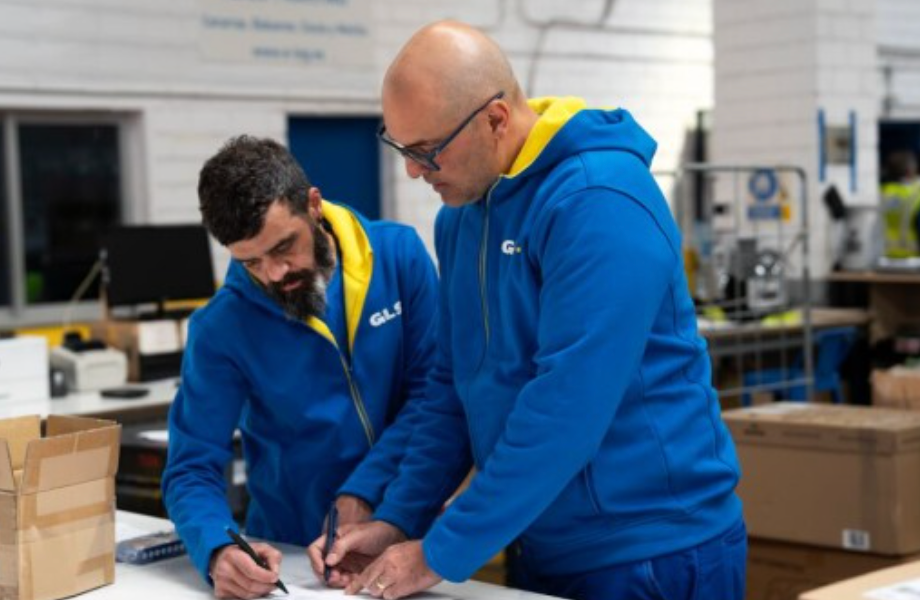
A shipment being held by customs can create stress, unexpected costs, and delivery delays for importers. However, most customs problems can be solved with the right information and preparation.
When a shipment is held by customs in Europe, importers should quickly identify the reason, prepare the required documents, communicate with customs authorities and logistics partners, and take corrective action to release the goods as soon as possible.
Understanding different European customs procedures helps importers reduce risk and avoid unnecessary delays.
Why Are Shipments Held by Customs in Europe? Common Reasons Behind Import Delays
Customs inspections are a normal part of international trade. A shipment being held does not always mean there is a serious problem.
European customs may hold shipments because of incorrect documents, unclear product information, missing certificates, incorrect customs declarations, safety concerns, or requests for additional verification.
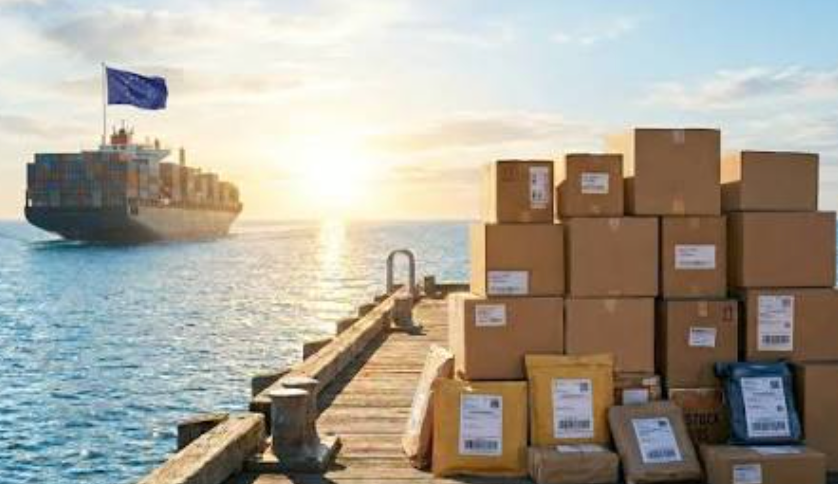
When goods arrive at European ports, airports, or border facilities, customs authorities review whether the shipment complies with import requirements.
The purpose is to ensure:
- correct tax and duty collection;
- product safety;
- legal importation;
- accurate trade information;
- consumer protection.
Common reasons for customs delays
Several issues frequently cause shipments to be stopped.
1. Incorrect or incomplete documents
Documentation is one of the most common causes.
Problems may include:
- missing commercial invoice;
- incorrect packing list;
- inconsistent product descriptions;
- missing certificates;
- incorrect values;
- missing importer information.
For example, if the invoice description does not match the actual product, customs may request clarification.
2. Incorrect HS code classification
Every imported product requires a customs classification code.
Incorrect HS codes can result in:
- incorrect duty calculation;
- additional inspections;
- declaration adjustments;
- clearance delays.
This is especially important for products with different materials or functions.
Examples:
- garden decorations;
- electrical products;
- tools;
- plastic products;
- wooden products.
3. Product compliance concerns
European markets have strict product requirements[^1].
Customs may check:
- CE markings;
- safety documents;
- chemical compliance;
- material declarations;
- packaging requirements.
Products with unclear compliance information may be delayed until documents are provided.
4. Missing importer or responsible party information
For some product categories, European authorities require clear information about:
- manufacturer;
- importer;
- distributor;
- responsible person;
- product identification.
Missing labels or incomplete packaging information can create problems after arrival.
5. Random customs inspection
Sometimes shipments are selected randomly.
Even if everything is correct, customs may inspect:
- product quantity;
- packaging;
- documents;
- declared value;
- product category.
A random inspection does not automatically mean there is a problem.
| Reason for delay | Possible solution |
|---|---|
| Missing documents | Provide required paperwork |
| Wrong HS code | Correct declaration |
| Compliance questions | Submit certificates |
| Label problems | Provide evidence or relabel |
| Random inspection | Cooperate with customs |
Most customs delays can be solved faster when importers understand why the shipment was stopped in the first place.
What to Do When Your Shipment Is Stopped: A Step-by-Step Response Guide
When customs holds a shipment, quick action is important. Delays often become more expensive when nobody takes responsibility.
Importers should respond by confirming the customs reason, collecting documents, contacting the customs broker, communicating with suppliers, and following the required correction process step by step.
A shipment hold should be treated as a problem-solving process, not a crisis.
The first goal is to understand exactly what customs needs.
Step 1: Confirm the reason for the customs hold
Do not immediately send random documents.
First confirm:
- customs inspection reason;
- required information;
- deadline;
- responsible party;
- possible costs.
Ask your customs broker or freight forwarder for details.
Common messages may include:
- “additional documents required”;
- “product information needed”;
- “classification review required”;
- “inspection scheduled”.
Step 2: Contact your customs broker or forwarder
Your logistics partner usually communicates directly with customs.
They can help explain:
- current shipment status;
- customs requirements;
- possible solutions;
- expected timeline.
A good customs broker can save significant time.
Step 3: Prepare supporting documents
Depending on the issue, you may need:
- commercial invoice[^2];
- packing list;
- bill of lading;
- product catalogue;
- technical specifications;
- test reports;
- certificates;
- product photos;
- supplier declarations.
Clear and organised documents make the review process easier.[^3]
Step 4: Communicate with your supplier
The supplier may need to provide:
- missing documents;
- product details;
- material information;
- revised labels;
- explanations.
Good supplier cooperation is important, especially when customs asks technical questions.
Step 5: Follow up until release
Do not assume the problem is solved after submitting documents.
Continue checking:
- customs approval status;
- inspection progress;
- additional requests;
- delivery arrangements.
Step 6: Record the problem for future orders
After release, review what caused the delay.
Update your import process:
- improve documents;
- change labels;
- adjust packaging;
- train suppliers.
| Step | Action |
|---|---|
| 1 | Confirm the reason |
| 2 | Contact customs broker |
| 3 | Prepare documents |
| 4 | Coordinate with supplier |
| 5 | Follow up until release |
| 6 | Improve future shipments |
A quick and organised response can turn a customs problem into a manageable process.
Country-by-Country Customs Procedures: Differences Across Major European Markets
Although European countries follow common EU customs rules, practical procedures and inspection approaches can vary between markets.
Major European markets such as Germany, France, the UK, Italy, and the Netherlands may have different customs communication methods, documentation expectations, inspection focus areas, and clearance processes.
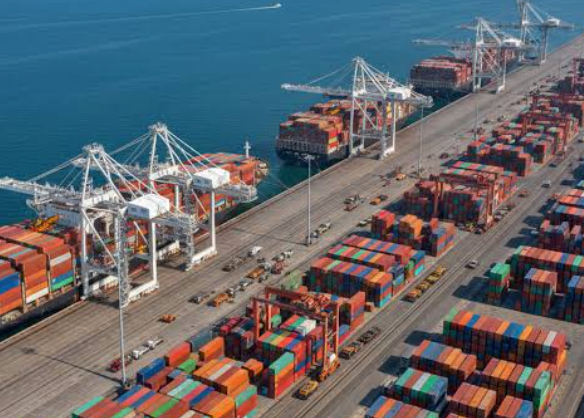
Importers should understand local differences when shipping products into different European destinations.
Germany: Strong focus on documentation and compliance
Germany is known for detailed procedures.
Importers should pay attention to:
- accurate declarations;
- product compliance;
- technical documents;
- environmental requirements.
German buyers often expect suppliers to provide complete documentation before shipment.
Common issues include:
- missing compliance documents;
- unclear product descriptions;
- incorrect declarations.
France: Importance of accurate product information
French customs procedures often require clear product details.
Importers should prepare:
- correct invoices;
- product descriptions;
- origin information;
- supporting documents.
For consumer products, accurate labeling is especially important.
Netherlands: Major logistics gateway
The Netherlands is one of Europe’s important entry points for international goods.[^4]
Many shipments enter through:
- Rotterdam;
- Amsterdam;
- logistics hubs.
Because of high shipment volume, efficient documentation is essential.
- warehouse schedules;
- distribution plans;
- onward transportation.
Italy: Product classification and documentation focus
Italian importers should pay attention to:
- HS code accuracy;
- product descriptions;
- customs value;
- required certificates.
Incorrect classification may create additional review.
United Kingdom: Separate customs requirements
After Brexit, the UK operates its own customs procedures.
Importers should consider:
- UK import declarations;
- importer information;
- product labeling;
- responsible person requirements where applicable.
Products entering the UK may require additional checks depending on category.
Different markets, same principle
Although procedures differ, successful importing always depends on:
- accurate documents;
- correct classification;
- product compliance;
- good communication.
| Market | Key focus |
|---|---|
| Germany | Documentation and compliance |
| France | Product information and labeling |
| Netherlands | Efficient logistics handling |
| Italy | Classification accuracy |
| UK | Separate import requirements |
Understanding country differences helps importers create a smoother European customs strategy.
How Importers Can Prevent Future Customs Problems and Avoid Costly Delays
The best way to handle customs problems is to prevent them before shipment.
Importers can prevent future customs delays by improving supplier communication, preparing accurate documents, checking compliance requirements early, using correct HS codes, and conducting pre-shipment reviews before goods leave China.
A strong import process begins before production starts.
Waiting until goods arrive at customs is usually too late.
Confirm requirements before ordering
Before placing orders, buyers should confirm:
- import regulations;
- required documents;
- labeling requirements;
- product standards;
- customs classification.
This information should be shared with suppliers early.
Build a document checklist
Create a standard checklist for every shipment.
Possible checklist items:
- commercial invoice;[^6]
- packing list;
- certificate documents;
- product photos;
- technical information;
- shipping documents.
A checklist reduces human mistakes.[^7]
Work with experienced suppliers
Experienced suppliers understand international shipping requirements.
They can help with:
- correct packaging;
- product labels;
- export documents;
- compliance information.
This is especially important for new products.
Review products before shipment
Before goods leave China, check:
- product markings;
- packaging labels;
- quantity;
- documents;
- customs descriptions.
A pre-shipment review can prevent expensive corrections.
Keep HS codes consistent
Avoid changing product descriptions between shipments without reason.
Inconsistent declarations may attract customs attention.
Maintain records of:
- previous declarations;
- product specifications;
- customs decisions.
Prepare for seasonal shipping pressure
During busy periods, customs and logistics networks become more crowded.
Examples:
- Christmas season;
- spring garden product season;
- major retail promotions.
Importers should:
- ship earlier;
- prepare documents sooner;
- allow extra clearance time.
| Prevention method | Benefit |
|---|---|
| Early compliance check | Avoids surprises |
| Document checklist | Reduces errors |
| Supplier training | Improves shipment quality |
| Correct HS code | Prevents classification issues |
| Pre-shipment review | Finds problems early |
| Early planning | Reduces seasonal delays |
A strong prevention system helps importers avoid repeated customs problems and protect delivery schedules.
Conclusion
Customs delays in Europe can be stressful, but most problems are preventable. Accurate documents, supplier cooperation, and early preparation help importers achieve smoother shipments.
[^1]: "EU – Labeling/Marking Requirements", https://www.trade.gov/country-commercial-guides/eu-labelingmarking-requirements. European Commission guidance on the EU Single Market describes harmonised product rules, including requirements for safety, conformity assessment, CE marking, chemicals, and packaging for many product categories. Evidence role: general_support; source type: institution. Supports: European markets have strict product requirements.. Scope note: The specific requirements vary by product category and EU legislation, so the source provides contextual support rather than proving that every product faces the same rules.
[^2]: "Common Export Documents", https://www.trade.gov/common-export-documents. Customs and trade documentation guidance commonly identifies the commercial invoice, packing list, transport document, certificates, and related technical or product information as materials used to classify, value, and verify imported goods. Evidence role: general_support; source type: government. Supports: Depending on the issue, import or product review may require documents such as a commercial invoice, packing list, bill of lading, catalogue, specifications, test reports, certificates, photos, or supplier declarations.. Scope note: The exact documents required vary by jurisdiction, product category, and the specific issue under review.
[^3]: "Importers – I ordered goods from abroad, but the seller said …", https://www.help.cbp.gov/s/article/Article-1171. Official customs guidance generally emphasizes that complete, accurate, and well-prepared documentation helps authorities verify declarations and can reduce delays in clearance or administrative review. Evidence role: mechanism; source type: government. Supports: Clear and organised documents make the review process easier.. Scope note: This supports the general administrative mechanism rather than proving that every review will be faster in a particular case.
[^4]: "Port of Rotterdam", https://en.wikipedia.org/wiki/Port_of_Rotterdam. Official port and trade statistics identify the Netherlands—especially the Port of Rotterdam—as a major European gateway for international goods, supporting the statement that the country functions as an important entry point for cargo flows. Evidence role: statistic; source type: government. Supports: The Netherlands is one of Europe’s important entry points for international goods.. Scope note: The source would substantiate the Netherlands’ role in goods entry generally, but may not cover every transport mode or logistics hub mentioned in the article.
[^5]: "Supply chain disruptions and resilience: a major review … – PMC", https://pmc.ncbi.nlm.nih.gov/articles/PMC7792559/. Supply-chain and logistics research shows that transport or documentation delays can disrupt warehouse operations, distribution timing, and downstream transport connections, providing general support for the operational consequences listed here. Evidence role: general_support; source type: paper. Supports: Delays may affect warehouse schedules, distribution plans, and onward transportation.. Scope note: The evidence would likely support the mechanism in general supply-chain contexts rather than proving these effects for every shipment entering the Netherlands.
[^6]: "Commercial Invoice", https://www.trade.gov/commercial-invoice. Government export guidance identifies the commercial invoice as a core document used in international shipments, supporting its inclusion in a standard shipment-document checklist. Evidence role: general_support; source type: government. Supports: A commercial invoice is an appropriate item to include in a shipment checklist.. Scope note: Specific documentation requirements vary by destination country, product type, carrier, and customs rules.
[^7]: "Checklists to reduce diagnostic error: a systematic review of the literature …", https://pubmed.ncbi.nlm.nih.gov/35487728/. Systematic reviews and controlled studies of safety checklists report reductions in omissions and procedural errors, supporting the general claim that checklists can reduce human error in routine processes. Evidence role: expert_consensus; source type: paper. Supports: A checklist reduces human mistakes.. Scope note: Most direct evidence comes from healthcare, aviation, or safety-critical settings rather than shipment-document preparation specifically.