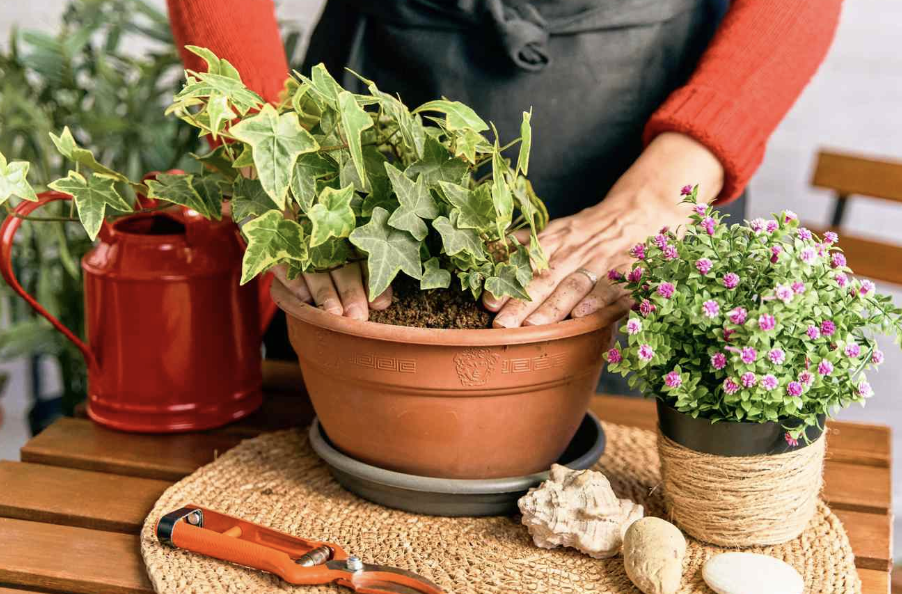
I once moved a small plant into a huge decorative pot, thinking more space would help. Instead, the wet soil caused more problems than the plant had before.
The right flower pot should give roots enough room to grow without holding excessive moisture. For most plants, choose a container only 2–5 cm wider than the current root ball.
Pot size affects watering, root health, plant stability, and long-term growth.
Why Flower Pot Size Matters for Plant Health
A flower pot is more than a decorative container. Its size controls how much soil, moisture, air, and growing space surrounds the roots.
A pot that is too small restricts root growth and dries out quickly, while an oversized pot may retain too much water. The right size keeps moisture, drainage, and root development in balance.
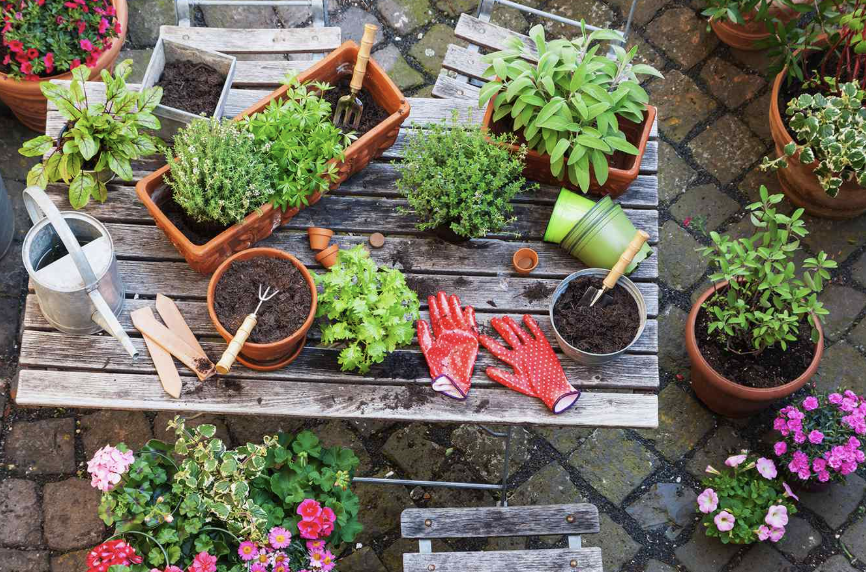
Many new gardeners believe that a larger flower pot is always better.
The idea sounds reasonable. More soil should mean more nutrients, more water, and more room for the plant.
In reality, plants do not always benefit from moving directly into a very large container.
What happens when a flower pot is too small?
A plant in a small pot may become root-bound. Its roots grow around the inside of the container because there is no fresh space available.
Common signs include:
- roots growing through drainage holes;
- water running straight through the pot;
- soil drying very quickly;
- slower plant growth;
- yellowing or dropping leaves;
- the plant becoming unstable or top-heavy.
A small pot also contains less soil, so temperature and moisture levels can change quickly.
During hot weather, a small container may dry out within hours. This makes watering more difficult, particularly for large leafy plants.
What happens when a flower pot is too large?
An oversized container holds more soil than the plant’s roots can use.
After watering, the unused soil may remain wet for a long time. This can reduce oxygen around the roots and increase the risk of:
- root rot;
- fungal growth;
- unpleasant odours;
- fungus gnats;
- weak root development;
- yellow leaves caused by overwatering.
This is why I normally recommend increasing the pot size gradually[^1].
For many houseplants, the new pot should be approximately 2–5 cm wider in diameter than the existing pot or root ball[^2].
Larger plants may move into a container 5–10 cm wider, depending on their growth rate and root system.
Pot depth matters as much as diameter
Retail labels often focus on pot diameter, but depth is equally important.
A wide, shallow pot may suit plants with spreading roots. A narrow, deep container may be better for plants that develop long taproots.
The correct shape helps roots grow naturally without leaving too much unused wet soil.
| Pot problem | Effect on the plant | Common warning sign |
|---|---|---|
| Pot is too small | Restricted roots and fast drying | Roots circle the pot |
| Pot is too large | Soil remains wet too long | Yellow leaves or root rot |
| Pot is too shallow | Deep roots cannot develop | Weak or crowded roots |
| Pot has no drainage | Water collects around roots | Soft stems and bad-smelling soil |
| Pot is unstable | Plant may fall over | Top-heavy growth |
The best approach is balanced growing space, not simply the largest available flower pot.
Understanding Root Growth and Space Requirements
Different plants develop different root structures, so flower pot selection should begin below the soil rather than with the shape of the leaves.
Shallow-rooted plants need wider containers, deep-rooted plants need taller pots, and fast-growing plants require more frequent size increases. Always match the container’s shape to the plant’s natural root pattern.
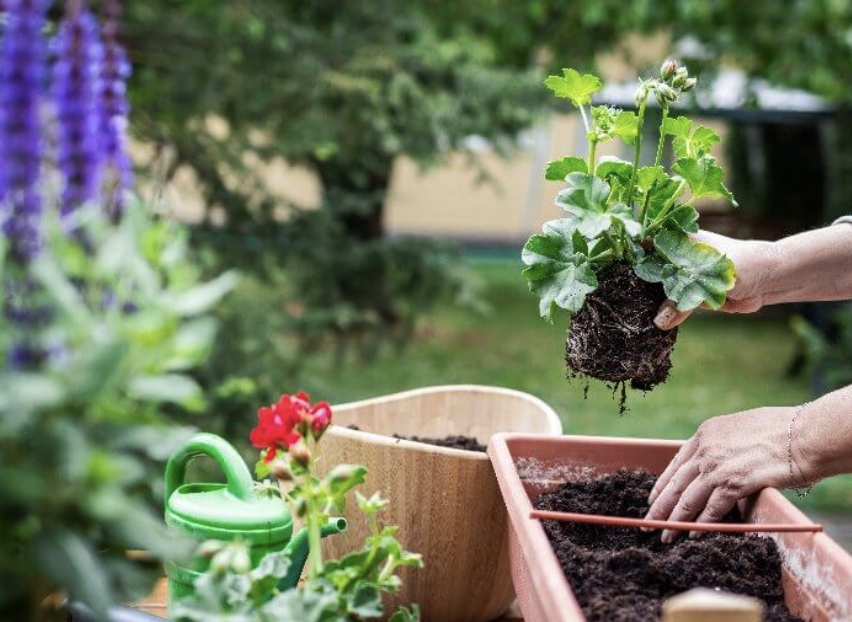
Roots perform several essential jobs.
They:
- absorb water;
- take in nutrients;
- anchor the plant;
- store energy;
- support new growth.
Healthy roots need both moisture and oxygen. The pot must provide enough space for growth while allowing excess water to escape.
Fibrous root systems
Fibrous roots consist of many fine roots spreading through the upper soil.
Plants with this root pattern often perform well in containers that are wider rather than extremely deep.
Examples may include:
- many grasses;
- herbs;
- strawberries;
- begonias;
- some annual flowers.
These plants need enough surface area for the roots to spread.
Taproot systems
A taproot grows strongly downward, often with smaller side roots.
Plants with taproots usually need deeper containers.
Examples include:
- carrots;
- radishes;
- parsley;
- some trees;
- certain flowering plants.
A shallow pot may cause the taproot to bend, become crowded, or stop developing properly.
Rhizomes and spreading roots
Some plants grow through underground stems or spreading root structures[^3].
These plants often benefit from wide pots with enough horizontal room.
Examples include:
- mint;
- ginger;
- iris;
- snake plants;
- some ornamental grasses.
For these plants, a very narrow container may become crowded quickly, even if it is deep.
Succulent and cactus roots
Many succulents have relatively shallow root systems and dislike soil that stays wet.
They often perform well in:
- shallow pots;
- breathable terracotta containers;
- containers with generous drainage;
- pots only slightly larger than the roots.
An oversized deep pot can hold too much wet soil around a small succulent root system.
Fast-growing and slow-growing plants
Growth speed also affects pot choice.
A fast-growing plant may need repotting every year or even more frequently.[^4] A slow-growing plant can remain in the same container for several years.
However, I still avoid placing a small fast-growing plant directly into a huge container. Gradual increases make watering easier to control.[^5]
Root-ball measurement
The current root ball is one of the best guides for selecting a new pot.
A practical rule is:
- small houseplants: increase diameter by 2–5 cm;
- medium plants: increase diameter by approximately 5 cm;
- large floor plants: increase diameter by 5–10 cm;
- succulents: choose a close fit with limited excess soil.
These are guidelines rather than strict rules. Plant species, climate, soil type, and watering habits also matter.
| Root type | Recommended pot shape | Examples |
|---|---|---|
| Fibrous roots | Medium-depth, wider pot | Herbs and grasses |
| Taproot | Deep container | Carrots and some trees |
| Spreading roots or rhizomes | Wide container | Mint and ginger |
| Shallow succulent roots | Shallow, well-drained pot | Cacti and succulents |
| Heavy tree roots | Deep, stable planter | Small ornamental trees |
Understanding the root system before choosing the pot prevents many common watering and growth problems.
Choosing the Best Pot Size for Different Types of Plants
There is no universal flower pot size. The ideal container depends on the plant’s mature size, root structure, growth rate, and watering requirements.
Small herbs and succulents usually need compact pots, flowering plants need moderate root space, and shrubs or small trees require larger, deeper, stable planters. Drainage should be considered in every size.
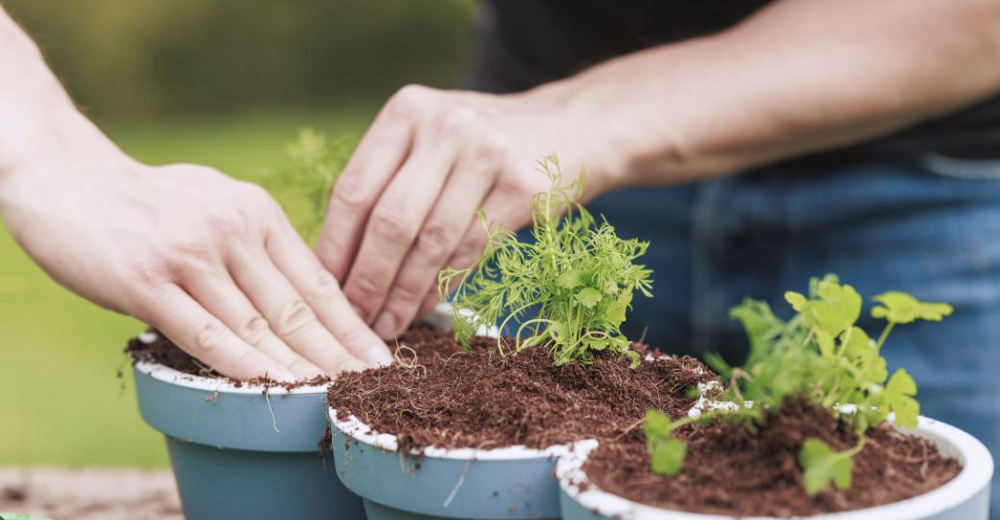
Choosing pots by plant category is easier than trying to follow one rule for everything.
Herbs
Most herbs can begin in relatively small pots, but their needs differ.
Suitable starting sizes may include:
- individual small herbs: 10–15 cm diameter;
- medium herbs: 15–20 cm diameter;
- larger or spreading herbs: 20–30 cm diameter.
Basil, parsley, and coriander usually appreciate reasonable depth.
Mint spreads aggressively and is better in a wider individual container. Keeping it in its own pot also prevents it from taking over other plants.
Rosemary can develop into a larger woody plant, so it may need gradual movement into a deeper, more stable container.
Succulents and cacti
Succulents generally prefer a pot only slightly larger than their root system.
A compact pot:
- dries more predictably;
- reduces excess wet soil;
- supports shallow roots;
- lowers the risk of overwatering.
For a single small succulent, a pot of approximately 7–12 cm may be suitable, depending on the plant.
A wide bowl can work well for a group planting, but different species should have similar light and watering needs.
Flowering annuals
Annual flowers may grow quickly during one season.[^6]
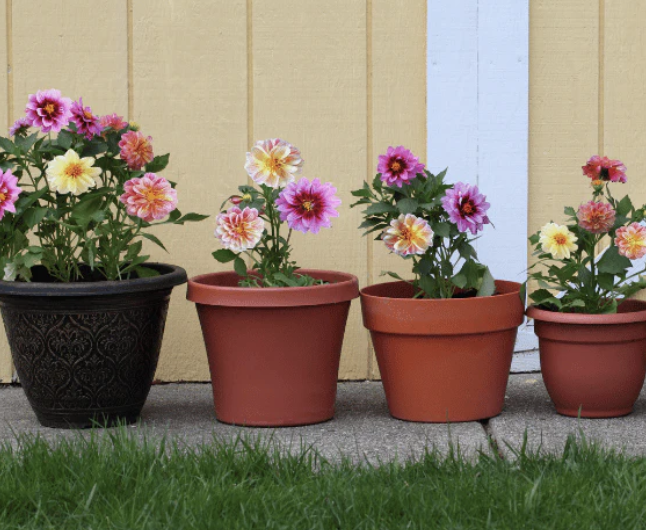
Small individual plants may begin in 10–15 cm pots, while mixed displays usually need larger containers.
A 25–35 cm pot can support several smaller annuals[^7], provided there is enough soil volume and the plants are not overcrowded.
Retailers and gardeners should also consider the final spread of the foliage, not only the size at purchase.
Orchids
Orchids often prefer a close-fitting container with excellent airflow.
Their roots may suffer in an oversized pot filled with wet growing medium.
Many orchids are best moved into a container only slightly larger than the previous one. Transparent pots can also help users observe root health and moisture.
Indoor foliage plants
Common indoor plants such as pothos, philodendrons, peace lilies, and rubber plants should usually move up one pot size at a time.
A plant currently growing in a 15 cm pot may be moved into an 18–20 cm container.
Large decorative cover pots can still be used, but the plant can remain in a smaller nursery pot placed inside the decorative container.
This makes watering and drainage easier to control.
Tomatoes and vegetable plants
Fruit-producing vegetables often need more soil volume than small ornamental plants.
Approximate examples include:
- dwarf tomatoes: 20–30 litres;
- full-sized tomatoes: 30–50 litres or more;
- peppers: 15–30 litres;
- salad leaves: wide, shallow containers;
- root vegetables: deep pots matched to root length.
A larger soil volume helps support stable moisture and nutrient supply during fruit production.
Shrubs and small trees
Shrubs, olives, citrus plants, and small ornamental trees need deep, stable containers.
The pot should:
- support the weight of the top growth;
- resist tipping in wind;
- provide room for strong roots;
- include effective drainage;
- tolerate outdoor temperature changes.
For large plants, container material also matters. Lightweight pots are easier to move, while heavier pots may offer better stability.
| Plant type | General pot recommendation | Main consideration |
|---|---|---|
| Small herbs | 10–20 cm diameter | Regular watering |
| Mint and spreading herbs | Wide individual pot | Horizontal root growth |
| Succulents | Close-fitting, shallow pot | Fast drainage |
| Flowering annuals | 20–35 cm container | Mature plant spread |
| Orchids | Slightly larger than roots | Airflow |
| Tomatoes | 20–50 litres or more | Water and nutrients |
| Shrubs | Large, deep planter | Stability |
| Small trees | Deep, heavy or stable planter | Root support and wind |
For retailers, offering a clear pot-size guide by plant type can help customers choose confidently and reduce unsuitable purchases.
When and How to Repot Plants into Larger Containers
Plants should be repotted when their roots, soil condition, or watering pattern shows that the existing container is no longer suitable.
Repot when roots circle the pot, grow through drainage holes, or cause the soil to dry unusually quickly. Move the plant into a container only one size larger and use fresh, suitable potting mix.
Repotting does not need to follow a rigid calendar.
Some fast-growing plants may need a new pot every year. Slow-growing plants may remain comfortable for several years.
The plant usually provides clear signals.
Signs that a plant needs a larger pot
Look for:
- roots growing from the drainage holes;
- roots circling tightly around the root ball;
- water passing through immediately;
- soil drying much faster than before;
- growth slowing during the normal growing season;
- the plant becoming top-heavy;
- the root ball lifting out of the pot;
- cracked or deformed plastic containers.
Not every yellow leaf means the plant needs repotting. Yellowing may also come from watering, lighting, pests, or nutrient problems.
It is better to check the roots before choosing a larger pot.
The best time to repot
Spring and early summer are often suitable because many plants are entering an active growth period.
They can develop new roots and recover more quickly.
Repotting may still be necessary at other times if:
- the pot is damaged;
- the soil is waterlogged;
- roots are rotting;
- pests are present;
- the plant is severely root-bound.
Avoid unnecessary repotting during flowering or extreme heat unless the plant is under stress.
How much larger should the new pot be?
For most plants, increase by one standard pot size.
This normally means:
- 2–5 cm wider for small and medium plants;
- 5–10 cm wider for large plants;
- only a small increase for succulents and orchids.
Moving from a 10 cm pot directly into a 30 cm pot creates too much unused soil.
A simple repotting process
Step 1: Prepare the new container
Choose a clean pot with drainage holes.
If it is a decorative pot without drainage, keep the plant inside a removable nursery pot rather than planting directly into it.
Step 2: Water lightly before repotting
Slightly moist soil often makes the root ball easier to remove.
Avoid soaking the plant immediately before handling it.
Step 3: Remove the plant carefully
Support the plant near the base and slide the root ball out.
Do not pull strongly on stems or leaves.
If the plant is stuck, squeeze the sides of a flexible pot or gently loosen the edge with a tool.
Step 4: Inspect the roots
Healthy roots are usually firm.
Remove roots that are:
- black;
- soft;
- rotten;
- badly damaged.
If roots are circling tightly, gently loosen the outside layer. Avoid excessive cutting unless the plant is extremely root-bound.
Step 5: Add fresh potting mix
Place a small amount of suitable mix in the base.
Position the plant at approximately the same depth as before. Planting too deeply can cause stem or crown problems.
Fill the sides with fresh mix and press gently.
Do not compact the soil heavily because roots need air.
Step 6: Water and allow recovery
Water enough to settle the soil and allow excess water to drain.
Place the plant in suitable light, but consider protecting sensitive plants from harsh direct sunlight for a few days.
Avoid strong fertiliser immediately after repotting unless the product instructions recommend it.
Potting up versus root pruning
Sometimes a gardener wants to keep a mature plant in the same decorative container.
In this case, limited root pruning and fresh soil may be possible for suitable species.
However, root pruning requires care and should not be treated as the standard option for all plants.
| Repotting sign | Recommended response |
|---|---|
| Roots through drainage holes | Move up one pot size |
| Soil dries extremely quickly | Check roots and increase size |
| Plant is top-heavy | Use a larger, more stable pot |
| Soil remains wet too long | Check drainage before upsizing |
| Roots are soft and black | Remove rot and use fresh soil |
| Decorative pot has no drainage | Use an inner nursery pot |
My preferred rule is repot gradually, not dramatically. A modest increase gives new roots space without making moisture control difficult.
Conclusion
Choose flower pots according to root size, depth, drainage, and mature growth. Increase container size gradually when roots begin outgrowing their space.
[^1]: "Spring into houseplant care | UMN Extension", https://extension.umn.edu/yard-and-garden-news/spring-houseplant-care. University extension guidance on repotting houseplants generally advises moving plants into only the next larger container size, supporting the practice of gradual pot-size increases to avoid moisture-management problems around an undersized root system. Evidence role: expert_consensus; source type: education. Supports: Houseplants are generally better repotted by increasing container size gradually rather than moving directly to a much larger pot.. Scope note: This supports the general horticultural practice rather than proving an exact outcome for every houseplant species.
[^2]: "How To Repotting Your Houseplant", https://www.uaex.uada.edu/yard-garden/home-landscape/house-plants/repotting.aspx. Houseplant repotting guidance from university extension sources commonly recommends selecting a new container only slightly larger than the current pot, often about one to two inches wider, which corresponds approximately to a 2–5 cm increase. Evidence role: expert_consensus; source type: education. Supports: For many houseplants, a new pot about 2–5 cm wider than the existing pot or root ball is an appropriate size increase.. Scope note: The metric range is an approximate conversion from inch-based extension guidance and may vary by species, plant size, and pot shape.
[^3]: "Rhizomes and Stolons | Forage Information System", https://forages.oregonstate.edu/regrowth/how-does-grass-grow/developmental-phases/vegetative-phase/rhizomes-and-stolons. Botanical references describe rhizomes, stolons, and related structures as horizontal underground or near-surface stems that allow certain plants to spread vegetatively; this supports the general mechanism, though individual growth habits vary by species and cultivar. Evidence role: definition; source type: education. Supports: Some plants grow through underground stems or spreading root structures.. Scope note: The source may define the structures generally rather than address every plant listed in the article.
[^4]: "Indoor Plants – Transplanting & Repotting – Clemson HGIC", https://hgic.clemson.edu/factsheet/indoor-plants-transplanting-repotting/. University extension guidance notes that vigorous container plants may require regular repotting when roots fill the pot, supporting the link between rapid growth and more frequent container changes. Evidence role: general_support; source type: education. Supports: Fast-growing plants may need repotting annually or more often.. Scope note: The source is likely to give general horticultural guidance rather than a fixed annual schedule for every plant species.
[^5]: "Ask Steward: How do I repot a houseplant – MSU Extension", https://www.montana.edu/extension/lila_extn/askstewardrepothouseplant.html. Extension and horticultural guidance commonly cautions against moving small plants into overly large pots because excess substrate can retain water around limited root systems, supporting gradual pot-size increases as a watering-management practice. Evidence role: mechanism; source type: education. Supports: Increasing pot size gradually helps make watering easier to manage.. Scope note: This supports the general watering mechanism; the ideal pot-size increment can vary by species, substrate, and indoor conditions.
[^6]: "Know the life cycles of plants — annuals, biennials and perennials", https://extension.oregonstate.edu/gardening/techniques/know-life-cycles-plants-annuals-biennials-perennials. Botanical extension sources describe annual plants as completing their life cycle within a single growing season, which contextualizes why many annual flowers can establish and grow rapidly during that period. Evidence role: definition; source type: education. Supports: Annual flowers may grow quickly during one season.. Scope note: This supports the general growth pattern of annuals rather than proving the growth rate of every annual flower species.
[^7]: "Container Gardening Basics | UC Master …", https://ucanr.edu/site/uc-master-gardeners-santa-clara-county/container-gardening-basics. University extension container-gardening guidance commonly relates container diameter and soil volume to the number and mature size of plants that can be grown together, supporting the principle that medium containers can hold multiple small annuals when spacing and root volume are adequate. Evidence role: general_support; source type: education. Supports: A 25–35 cm pot can support several smaller annuals, provided there is enough soil volume and the plants are not overcrowded.. Scope note: The source may provide spacing principles or example container sizes rather than validating the exact 25–35 cm range for all annual species.