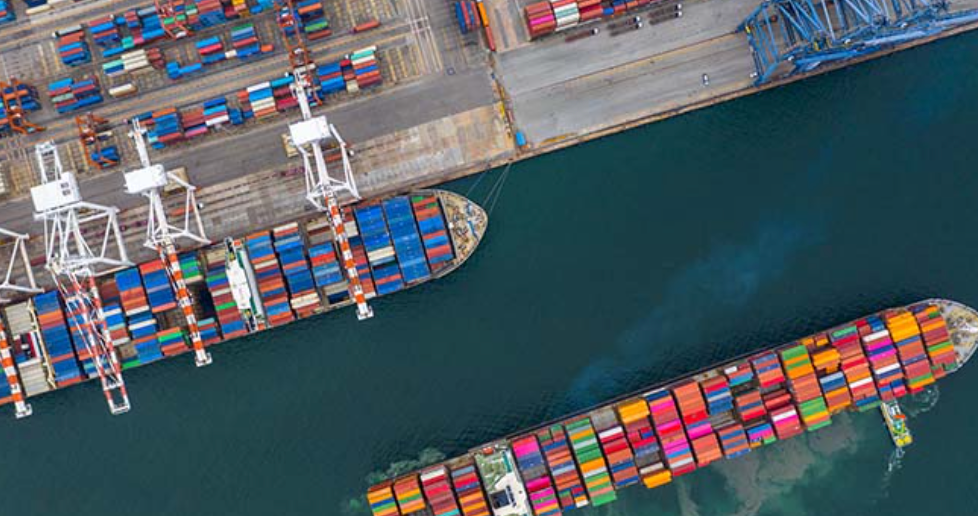
I’ve arranged enough shipments to learn one truth: when ocean freight goes smoothly, nobody notices. When it doesn’t, everyone notices.
Ocean freight is still the main way the world moves goods because it’s the most cost-effective option for heavy and high-volume cargo, even when schedules and rates fluctuate.
So if you’re choosing carriers, you need more than a logo—you need strengths and weaknesses.
Why does ocean freight remain the backbone of global trade?
Ocean freight stays dominant because it moves huge volumes at the lowest cost per unit for long distances[^1].
Shipping remains the backbone of global trade[^2] because container vessels carry massive volumes efficiently. It’s ideal for most B2B imports: stable unit economics, global port coverage, and scalable capacity compared with air freight.
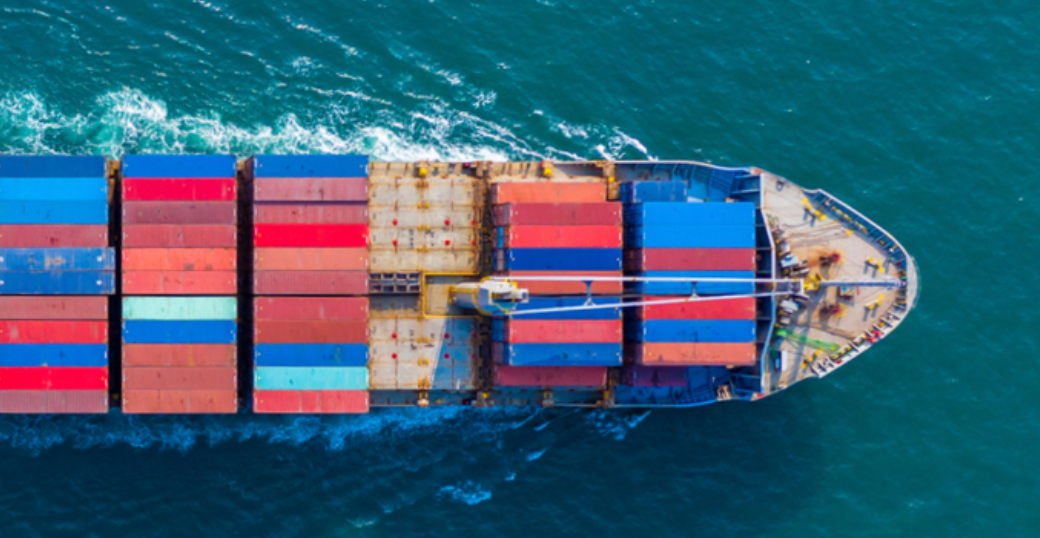
Here’s the simple reality: if you’re moving furniture, garden products, tools, or anything bulky, air freight is usually a panic button—ocean freight is the plan.
What ocean freight does better than anything else
- Cost per unit: The more volume you ship, the more ocean wins.
- Capacity: One vessel can carry more than most businesses ship in a year.
- Global reach: Main lanes connect almost every major production and consumer zone.
- Flexibility: You can ship FCL, LCL, and mix SKUs in ways air can’t handle.
But it’s not perfect.
What ocean freight does not do well
- Speed: Schedules can slip. Port congestion happens.
- Certainty: ETAs change. Rolled bookings happen.
- Communication: Some carriers are great at updates, some are… not.
If you want ocean freight to feel less stressful, treat it like a system:
- clear Incoterms and responsibilities
- milestone tracking (cargo ready date → gate-in → loaded → ETA)
- a forwarder that communicates like an adult
- buffer time for peak seasons
I usually build a simple shipping milestone tracker and a booking checklist so delays don’t become chaos.
Which are the top 10 ocean freight companies in the world right now?
Most people mean “top container shipping lines,” ranked by operated fleet capacity (TEU).
Top 10 container ocean carriers (by global fleet capacity) are: MSC, Maersk, CMA CGM, COSCO, Hapag-Lloyd, ONE, Evergreen, HMM, Yang Ming, and ZIM. These carriers control a large share of global container capacity.
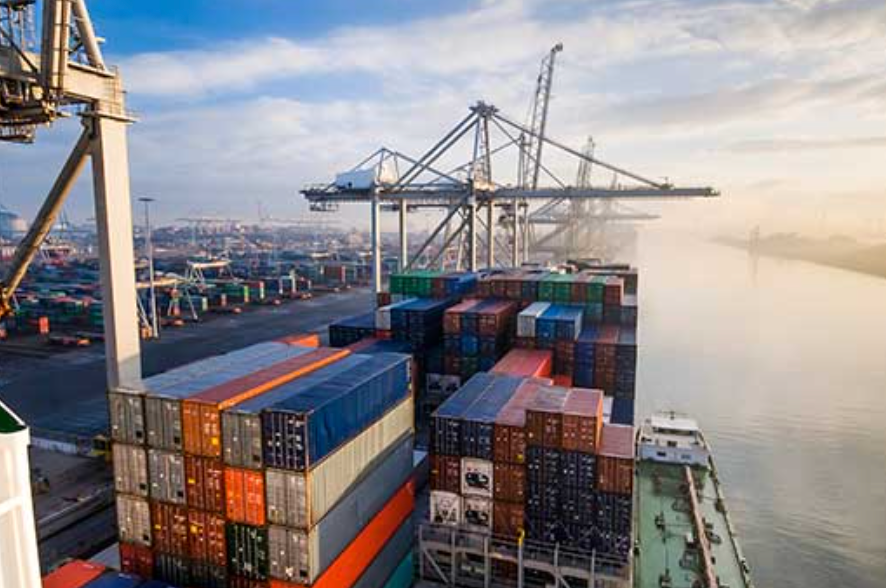
Below is the practical top 10 list I see most often when buyers say “the biggest carriers.” (This is container shipping, not bulk tankers.)
| Rank | Company | What they’re known for (quick view) |
|---|---|---|
| 1 | MSC (Mediterranean Shipping Company) | Huge capacity, broad coverage |
| 2 | Maersk | End-to-end logistics focus, strong network |
| 3 | CMA CGM Group | Large global network, strong brand presence |
| 4 | COSCO Shipping (incl. OOCL) | Scale and Asia-connected network |
| 5 | Hapag-Lloyd | Strong operational discipline on key lanes |
| 6 | ONE (Ocean Network Express) | Major east–west lanes, modern fleet mix |
| 7 | Evergreen | Big Asia–EU/US presence, large fleet scale |
| 8 | HMM | Strong long-haul capacity, growing presence |
| 9 | Yang Ming | Solid transpacific presence, niche strengths |
| 10 | ZIM | Agile network, often more “market responsive” |
A quick note (because it matters): “best” is not the same as “biggest.”
For some shippers, a mid-sized carrier with better reliability on your lane can beat a giant.
If you want a shortlist fast, I recommend building a lane-based list like Asia→EU shortlist and China→US shortlist instead of blindly choosing by rank.
What are the strengths and weaknesses of leading shipping lines?
Big carriers usually win on network scale, but they can lose on flexibility. Smaller or more specialized carriers can be faster to react, but may have thinner coverage.
Leading lines tend to share strengths: global coverage, capacity, and equipment access. Their weaknesses usually show up in peak seasons: rolled bookings, schedule changes, and varying customer service quality by region and lane.
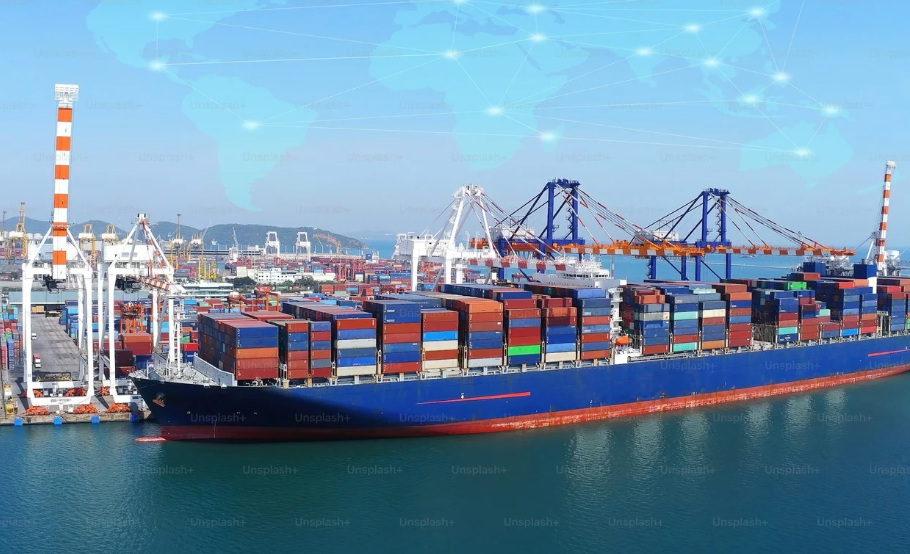
I’ll keep this honest and usable. These are “pattern-level” strengths and weaknesses that shippers commonly feel.
The big 3: MSC, Maersk, CMA CGM
Typical strengths
- Massive networks and sailing options[^3]
- Better chance to find space on major lanes
- Strong global presence and equipment access
Typical weaknesses
- During peak times, “big” can still mean rolled[^4]
- Service experience can vary by local office/agent
- More process layers (harder to get quick exceptions)
The scale players: COSCO, Evergreen, ONE
Typical strengths
- Strong Asia-linked capacity
- Solid coverage on major east–west trades
- Often competitive options depending on lane and season
Typical weaknesses
- Schedule changes can feel sudden
- Documentation/customer service can be “inconsistent” by region
- Some shippers feel less flexibility for special handling
The operational discipline group: Hapag-Lloyd
Typical strengths
- Clearer structure and lane discipline
- Strong on certain trades and contracts
- Often valued for steadier service planning
Typical weaknesses
- Less “everywhere coverage” than the top 3
- Space can tighten quickly if you’re late to book
The agile/niche side: HMM, Yang Ming, ZIM
Typical strengths
- Can be more responsive to market shifts
- Useful options on specific lanes
- Sometimes better fit for certain shipper profiles
Typical weaknesses
- Smaller network coverage vs giants
- More risk of limited backup sailings if one sailing slips
- Equipment availability can vary by location
Here’s the way I think about it:
A carrier is not just a carrier. It’s a lane + a local team + a forwarder relationship.
So I always evaluate with a simple matrix:
- reliability on my lane
- rate stability (contract vs spot)
- space availability in peak weeks
- communication speed
- claims handling habits
I track this in a basic carrier scorecard so decisions don’t become emotional.
How do you choose the right ocean freight partner for your business?
The right partner is the one who protects your delivery window and cash flow—not the one who looks best on paper.
Choose an ocean freight partner by matching lane performance to your business needs: reliability for time-sensitive launches, cost efficiency for steady replenishment, and strong documentation/claims handling if you ship high-value goods. Always compare based on total landed risk, not only freight rate.
I use a simple approach that avoids most “shipping regrets.”
Step 1: Decide what matters more—price, speed, or predictability
- If your product is seasonal (garden, holiday), predictability matters.
- If your product is heavy and steady, cost efficiency matters.
- If your customer punishes delays, reliability matters more than a small rate difference.
Step 2: Choose by lane, not by brand
A carrier can be amazing on Asia–Europe and average on transpacific (or the other way around).
So ask your forwarder for lane-specific history and options.
Step 3: Ask the 5 questions that reveal reality
1) What is the realistic transit + buffer time on this lane?
2) How often do bookings get rolled in peak season?
3) What is your equipment situation at origin?
4) How do you handle amendments and document corrections?
5) How do claims actually work in practice?
If the answers are vague, expect vague performance.
Step 4: Build a “Plan B” habit
My favorite boring trick:
Always have a backup sailing or backup carrier option[^5] for critical shipments.
Even a simple fallback plan reduces panic decisions like expensive mode switches[^6].
Step 5: Choose the forwarder like you choose a teammate
For many shippers, your forwarder’s execution matters as much as the carrier:
- booking speed
- document accuracy
- proactive updates
- escalation power when things go wrong
I like to keep a reusable shipping SOP and a delay response plan so my team always knows what to do.
Conclusion
Ocean freight success is choosing the right lane partner, building buffers, and staying disciplined when schedules shift.
[^1]: "[PDF] Estimating Road Freight Transport Costs – Documents & Reports", https://documents1.worldbank.org/curated/en/099542207312319005/pdf/IDU0e82b93e00034b0458f09ed203c7e2ad23763.pdf. Transport economics sources commonly describe maritime freight as cost-effective for high-volume, long-distance cargo because vessel scale economies reduce unit transport costs compared with faster modes such as air freight. Evidence role: general_support; source type: institution. Supports: Ocean freight generally offers the lowest unit cost for moving large volumes over long distances.. Scope note: This is a general modal comparison; actual freight rates depend on route, commodity, fuel prices, port costs, and service requirements.
[^2]: "[PDF] Review of maritime transport 2025 – UNCTAD", https://unctad.org/system/files/official-document/rmt2025_en.pdf. UNCTAD’s maritime transport reporting states that seaborne shipping carries more than 80% of world merchandise trade by volume, supporting the characterization of shipping as central to global trade. Evidence role: statistic; source type: institution. Supports: Shipping remains the backbone of global trade because most global merchandise trade by volume is transported by sea.. Scope note: The statistic supports global trade volume, not necessarily value or profitability for a specific shipment type.
[^3]: "Liner Shipping Connectivity Index – World Bank Open Data", https://data360.worldbank.org/en/dataset/UNCTAD_LSC. A UNCTAD Review of Maritime Transport discussion of liner shipping connectivity and fleet deployment documents that large container carriers operate through extensive scheduled service networks across major trade routes, supporting the characterization of broad network reach and sailing options. Evidence role: general_support; source type: institution. Supports: Large ocean carriers typically offer extensive global networks and multiple sailing options.. Scope note: The source would support the general industry pattern, not the specific service availability of any one carrier on a given lane or date.
[^4]: "[PDF] fact finding investigation 29 final report – Federal Maritime Commission", https://www.fmc.gov/wp-content/uploads/2022/06/FactFinding29FinalReport.pdf. A maritime regulator or industry research report on container-shipping congestion and capacity management can document that cargo may be rolled to a later sailing when demand exceeds available vessel space, supporting the point that carrier size does not eliminate rollover risk during peak periods. Evidence role: mechanism; source type: government. Supports: Even large carriers may roll cargo during peak-demand periods when capacity is constrained.. Scope note: This would establish the mechanism and industry context for rollovers, but it would not prove that every large carrier experiences the same rollover frequency.
[^5]: "[PDF] Aligning redundancy and flexibility for supply chain resilience", https://scholarworks.utrgv.edu/cgi/viewcontent.cgi?article=1152&context=is_fac. Research on supply-chain risk management identifies redundancy and alternative transportation arrangements as common mitigation practices for reducing disruption exposure in logistics networks. Evidence role: expert_consensus; source type: paper. Supports: Critical shipments are strengthened by having a backup sailing or backup carrier option.. Scope note: This supports the general risk-management principle rather than proving the effectiveness of any specific carrier or sailing backup plan.
[^6]: "[PDF] Modeling Economic Consequences of Supply Chain Disruptions", https://leeds-faculty.colorado.edu/glover/500%20-%20Supply%20Chain%20-%20Economic%20Consequences%20of%20Disruptions-%20w%20Tom%20Schmitt,%20Kathy%20Stecke,%20et%20al.pdf. Studies of supply-chain disruption management describe contingency planning as a way to enable faster, more structured responses and reduce costly ad hoc decisions during logistics disruptions. Evidence role: mechanism; source type: paper. Supports: A simple fallback plan can reduce reactive, costly shipment decisions such as last-minute mode switches.. Scope note: The evidence is likely contextual: it may show that contingency planning improves response quality and cost control, not directly measure ‘panic decisions’ in the wording used here.