
I’ve booked enough containers to learn this: a cheap rate feels great until your cargo gets rolled, your ETA slips, and your customer starts calling daily.
Choosing the right shipping line is about total risk, not just freight rate. The right line protects your schedule, reduces rolled bookings, keeps documentation smooth, and gives you predictable service on your specific trade lane.
Let’s choose like a business owner, not like a gambler.
Why Choosing the Right Shipping Line Matters More Than Freight Rates
Freight rates are visible, but the hidden costs of delays and service problems are usually bigger.
Choosing the right shipping line matters more than rates because late deliveries cause stockouts, lost seasonal sales, extra storage/demurrage, and customer trust damage. A slightly higher rate can be cheaper if it reduces schedule risk and claim headaches.
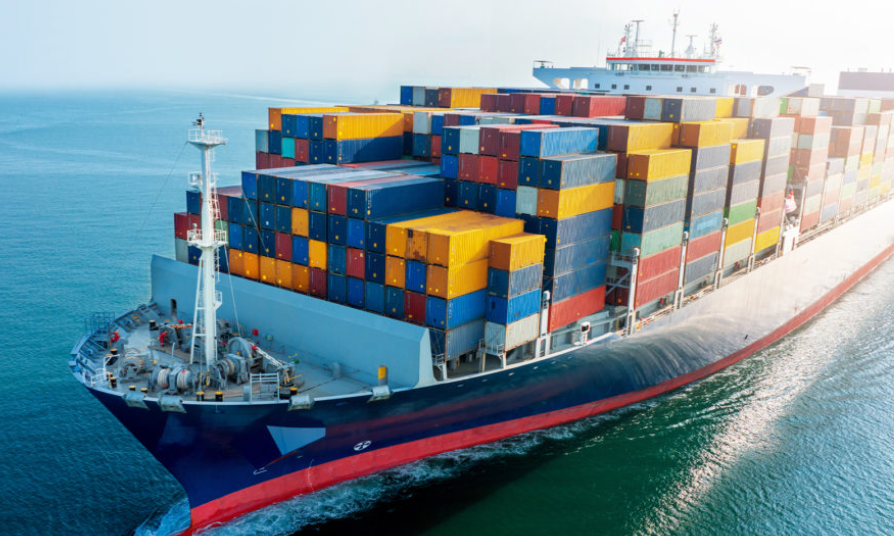
Here’s a real-world example.
Saving $150 on ocean freight feels nice.
But one rolled booking can cost you:
- weeks of delay
- a missed promotion window
- rushed alternative shipping later
- angry customers and refunds
So I don’t choose lines by rate first. I choose by lane performance.
What “hidden cost” looks like
- rolled bookings during peak weeks[^1]
- blank sailings and schedule changes
- equipment shortages at origin[^2]
- slow documentation corrections
- claims that take forever
A shipping line can be “cheap” and still be expensive.
A simple rule I use
If your product is seasonal (garden, holiday, promotions), reliability is worth more than a small rate difference.
If your product is steady replenishment, rate matters more—but only after you confirm service stability.
I track this with a simple total risk checklist so rate doesn’t blind me.
Key Factors to Compare When Evaluating Shipping Lines
The right comparison is lane-based, data-based, and practical—not just “big brand vs small brand.”
Compare shipping lines by schedule reliability on your lane, space availability and roll risk, equipment positioning, transit time stability, customer service responsiveness, documentation accuracy, and claims handling. Price comes after these fundamentals.
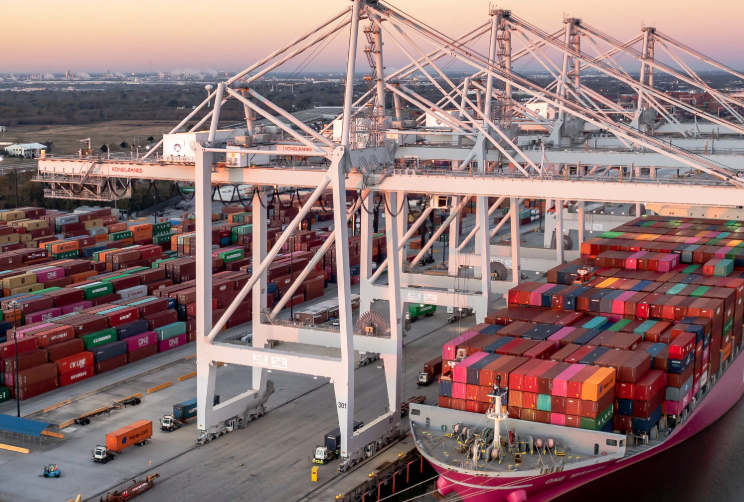
Here are the factors I check every time—especially for B2B import programs.
1) Schedule reliability on your specific lane
A carrier can be great on Asia→EU and average on Asia→US (or the other way around).[^3]
So ask:
- How often do sailings slip on this lane?
- How often do bookings get rolled?
- What is the realistic transit time (not the marketing transit time)[^4]?
2) Space availability and roll risk in peak season
If you ship during peak times, this matters more than rate.
Ask:
- If we book late, what’s the roll risk?
- Do you have multiple weekly sailings or only one?
- What is the backup sailing option if we miss this one?
3) Equipment availability at origin
No container means no shipment.
Ask:
- Is equipment stable at our origin port?
- Are empties easily released?
- Is there a history of shortages in this season?
4) Documentation and amendment speed
In real business, docs change:
- weights adjusted
- consignee details corrected
- packing list updates
A line that handles doc changes smoothly reduces stress and cost.
5) Claims handling and problem response
Not fun, but important.
Ask:
- How do they handle damage and delays?
- How long does a normal claim take?
- Does your forwarder have escalation power with that line?
Comparison table (simple and useful)
| Factor | What to check | Why it matters |
|---|---|---|
| reliability | actual lane performance | protects delivery window |
| roll risk | peak season behavior | prevents missed sailings |
| equipment | container availability | avoids origin delays |
| docs | amendment speed | avoids customs headaches |
| claims | resolution habit | protects cash flow |
If you want, I can help you build a carrier scorecard that your team can reuse.
Strengths and Weaknesses of Major Global Shipping Lines
Most businesses choose from the largest container lines, but “best” depends on lane and local service.
Major global shipping lines like MSC, Maersk, CMA CGM, COSCO, Hapag-Lloyd, ONE, Evergreen, HMM, Yang Ming, and ZIM each have different strengths depending on network scale, service discipline, and lane focus. Always judge them by your route and your forwarder’s execution ability.
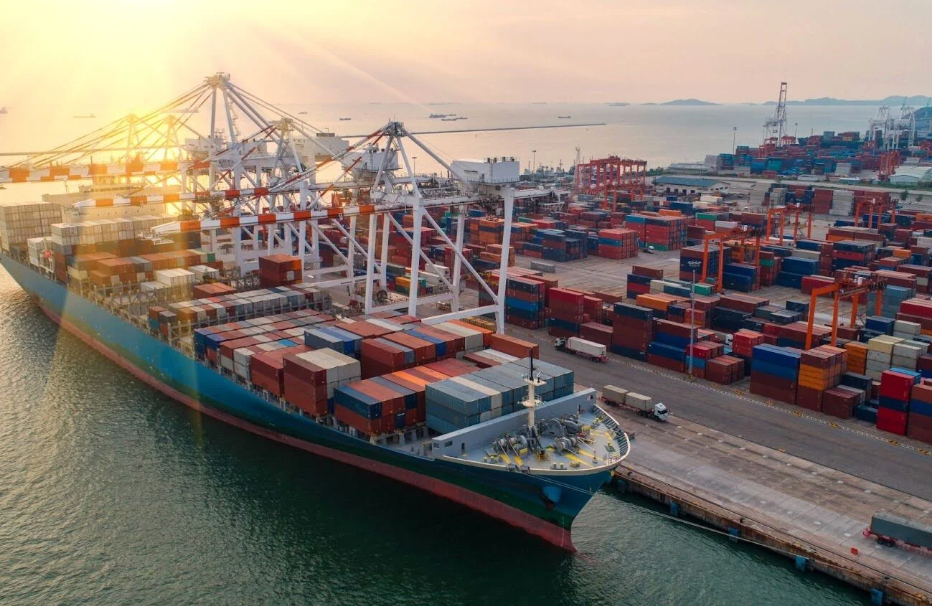
I’ll keep this practical—pattern-level strengths and weaknesses, not hype.
MSC (Mediterranean Shipping Company)
Strengths
- huge network and capacity
- many sailing options on major lanes
Weaknesses
- service experience can vary by location
- large scale can mean more process layers
Maersk
Strengths
- strong end-to-end logistics focus
- structured processes and global support
Weaknesses
- often not the cheapest
- strict processes can feel less flexible
CMA CGM
Strengths
- large global network
- strong presence across many trades
Weaknesses
- service consistency can vary by region
- schedule risk still exists in peak periods
COSCO (including OOCL under group)
Strengths
- strong Asia-linked scale
- good coverage on key trades
Weaknesses
- customer experience can vary by local office
- documentation processes can feel rigid sometimes
Hapag-Lloyd
Strengths
- strong operational discipline
- valued by many shippers for steadier planning
Weaknesses
- less “everywhere coverage” than the biggest lines
- space can tighten quickly if you book late
ONE (Ocean Network Express)
Strengths
- major east–west lane presence
- strong network footprint
Weaknesses
- service and schedule depend heavily on lane and season
- responsiveness can vary by location
Evergreen
Strengths
- strong presence on Asia–EU/US
- large scale and equipment footprint
Weaknesses
- schedule changes can still be painful in peak windows
- local service varies
HMM
Strengths
- strong long-haul capacity
- useful options on key lanes
Weaknesses
- fewer backup sailings than the largest carriers
- lane coverage not as broad globally
Yang Ming
Strengths
- good presence on some transpacific lanes
- useful network options depending on route
Weaknesses
- smaller scale vs top carriers
- fewer alternative sailings if disrupted
ZIM
Strengths
- agile network and market responsiveness
- sometimes strong niche service options
Weaknesses
- narrower network coverage than giants
- backup options may be limited on some routes
“Don’t choose by brand” reminder
A huge line can still perform poorly on a specific lane in a specific season.
So always ask your forwarder for lane performance experience.
I like to keep a simple lane performance log and update it each quarter.
How to Match a Shipping Line with Your Product and Market Requirements
This is the real decision: match your cargo needs to the carrier’s strengths and your market deadlines.
Match a shipping line by prioritizing reliability for seasonal and time-sensitive goods, stable equipment and space for bulky products, strong documentation support for regulated markets, and better claims handling for high-value cargo. The right match reduces total cost of delay, not just freight rate.
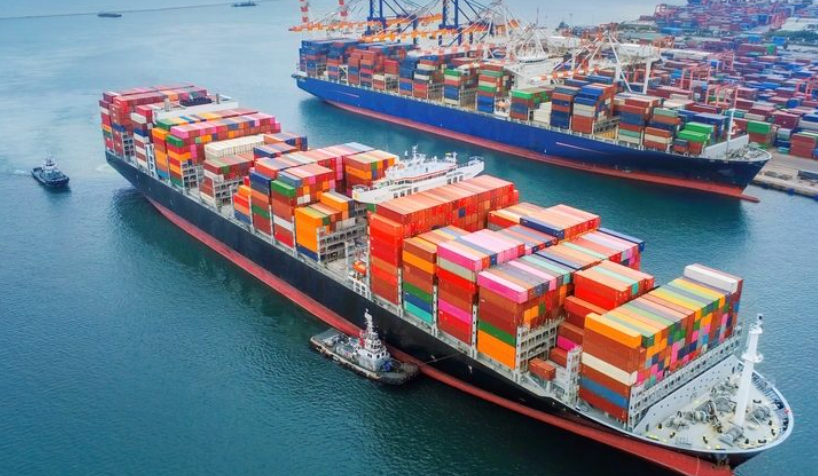
Here’s how I do it in a simple, practical way.
1) If your products are seasonal (garden, holiday, promotions)
Your priority:
- reliability and backup sailings
- lower roll risk
- early booking discipline
Choose lines and services with:
- more frequent sailings
- stronger lane reliability history
- a forwarder who can secure space early
2) If your cargo is bulky and low margin
Your priority:
- stable space
- equipment availability
- cost control
- smooth documentation
Here, you still care about reliability, but rate matters more after you confirm the basics.
3) If your market is strict (EU/UK compliance pressure)
Your priority:
- clean documentation
- fast amendments
- stable processes
A carrier and forwarder combination that handles documents well can save you big headaches.
4) If your cargo is high value or fragile
Your priority:
- fewer transshipments (when possible)
- better claims handling habit
- careful equipment choice
- stronger packing rules
Sometimes paying slightly more for a safer service makes sense.
Matching table
| Your business situation | Priority | Best carrier fit (general) |
|---|---|---|
| seasonal products | reliability + backup | lines with frequent sailings and strong lane history |
| bulky low-margin goods | space + cost | stable equipment and competitive services |
| strict documentation markets | document control | lines with structured processes + strong forwarder |
| high value/fragile | risk reduction | safer routes, fewer transfers, strong claims habit |
The final “smart buyer” step
Don’t choose only one line forever.
Build a “two-carrier strategy”:
- Carrier A as main
- Carrier B as backup
That one habit alone reduces panic decisions when schedules slip.
If you want, I can help you turn your lanes and products into a simple shipping line selection SOP your team can follow.
Conclusion
The right shipping line isn’t the cheapest—it’s the one that protects your schedule, reduces roll risk, and performs consistently on your lane.
[^1]: "FMC Launches Investigation of Ocean Common Carriers’ Practice …", https://www.fmc.gov/articles/fmc-launches-investigation-of-ocean-common-carriers-practice-and-restrictions-on-chassis-usage/. UNCTAD’s maritime transport reporting describes how container shipping capacity constraints and schedule disruptions can delay cargo movements, providing context for why confirmed bookings may be rolled during high-demand periods. Evidence role: general_support; source type: institution. Supports: Cargo bookings can be rolled during peak shipping weeks when capacity is constrained.. Scope note: This supports the operational context for rolled bookings but does not prove that every carrier rolls cargo during peak weeks.
[^2]: "[PDF] Balancing The Imbalances In Container Shipping", https://extnag.tacc.utexas.edu/filedownload.ashx/u5F1HH/246491/Balancing%20The%20Imbalances%20In%20Container%20Shipping.pdf. Research and institutional reporting on container logistics document that imbalances in empty-container availability can create equipment shortages at export origins, affecting shippers’ ability to load cargo as scheduled. Evidence role: mechanism; source type: research. Supports: Equipment shortages at origin can disrupt or increase the effective cost of container shipping.. Scope note: The evidence generally explains container-equipment imbalances; it may not address the specific routes or carriers discussed in the article.
[^3]: "ITF Transport Outlook | OECD", https://www.oecd.org/en/publications/serials/itf-transport-outlook_g1g834c5.html. A neutral schedule-reliability source comparing major container trade lanes can support that carrier performance is lane-dependent rather than uniform across a carrier’s global network. Evidence role: general_support; source type: research. Supports: Carrier service quality can differ materially between Asia–Europe and Asia–U.S. lanes.. Scope note: Such sources usually report aggregate lane or carrier reliability and may not prove performance for a specific shipment, season, or port pair.
[^4]: "Recommendations on the Maritime Transportation Data …", https://www.fmc.gov/wp-content/uploads/2023/04/MTDIReportandViews.pdf. A study or institutional report on container shipping reliability can support that actual transit times often diverge from published schedules because of schedule slippage, port congestion, blank sailings, or operational delays. Evidence role: mechanism; source type: institution. Supports: Shippers should distinguish actual transit time from advertised or scheduled transit time.. Scope note: This evidence would explain why marketed transit times may be optimistic in general, but it may not quantify the gap for every carrier-lane combination.