Sustainable gardening is no longer a niche idea. More homeowners now want gardens that look beautiful while using fewer resources and supporting nature.
Sustainable gardening means creating outdoor spaces with eco-friendly products, water-saving design, wildlife-friendly planting, durable materials, and lower environmental impact across the full product lifecycle.
For modern gardens, sustainability is becoming part of everyday design.
Why Is Sustainable Gardening Becoming More Popular?
Sustainable gardening is becoming more popular because people want outdoor spaces that are beautiful, practical, and better for the environment.
The rise of sustainable gardening is driven by climate awareness, water-saving needs, wildlife protection, healthier lifestyles, and consumer demand for durable garden products that create less waste over time.
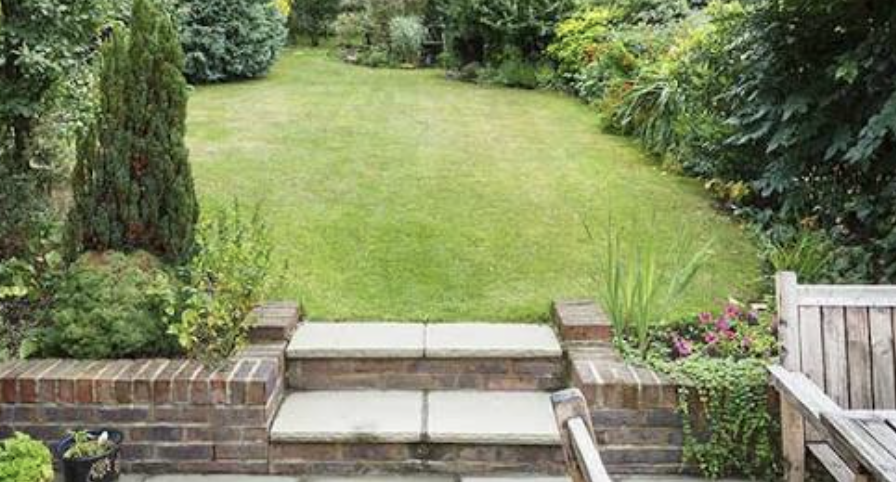
Modern gardeners are thinking differently.
In the past, many people focused mainly on appearance. They wanted a tidy lawn, colourful flowers, and matching garden accessories.
Today, more customers ask deeper questions:
- Is this product recyclable?
- Will it last outdoors?
- Does it help wildlife?
- Does it waste water?
- Is it made from natural or lower-impact materials?
- Can it reduce maintenance?
This shift is changing the garden product market.
Climate and water concerns
Hotter summers, irregular rainfall, and drought restrictions have made water use a major topic.
Gardeners are looking for ways to reduce water waste without giving up greenery.
This encourages demand for:
- drought-tolerant plants;
- rainwater collection;
- mulch;
- self-watering planters;
- drip irrigation;
- permeable surfaces.
A sustainable garden is not about using no water. It is about using water wisely.
More interest in wildlife-friendly spaces
Many people now understand that gardens are part of local ecosystems.
A small garden can support:
- bees;
- butterflies;
- birds;
- insects;
- small animals;
- soil organisms.
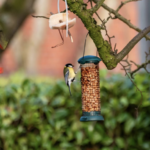
This has increased interest in bird feeders, insect hotels, native plants, ponds, log piles, and chemical-free gardening.
Consumers want products that last longer
Sustainability is also about durability.
A cheap product that breaks after one season creates more waste and frustration.
Modern customers often prefer:
- stronger materials;
- replaceable parts;
- recyclable packaging;
- weather-resistant finishes;
- repairable designs.
For retailers, this means eco-friendly products must also be practical and reliable.
Gardening as a healthier lifestyle
Sustainable gardening also connects with wellbeing.
People want outdoor spaces that feel calmer, cleaner, and more natural.
A garden filled with plants, birds, natural textures, and less plastic waste feels more meaningful than a purely decorative space.
| Reason for growth | What customers want |
|---|---|
| Climate awareness | Lower-impact products |
| Water pressure | Water-saving garden design |
| Wildlife decline | Bird and pollinator support |
| Waste reduction | Durable, reusable products |
| Healthier lifestyle | Natural outdoor living |
Sustainable gardening is popular because it combines beauty, responsibility, and practical long-term value.
Which Eco-Friendly Garden Products Make the Biggest Difference?
The best eco-friendly garden products are those that reduce waste, save resources, last longer, or support biodiversity.
Eco-friendly garden products that make the biggest difference include compost bins, rain barrels, recycled planters, natural trellises, durable bird feeders, solar garden lights, biodegradable plant pots, and water-saving irrigation systems.
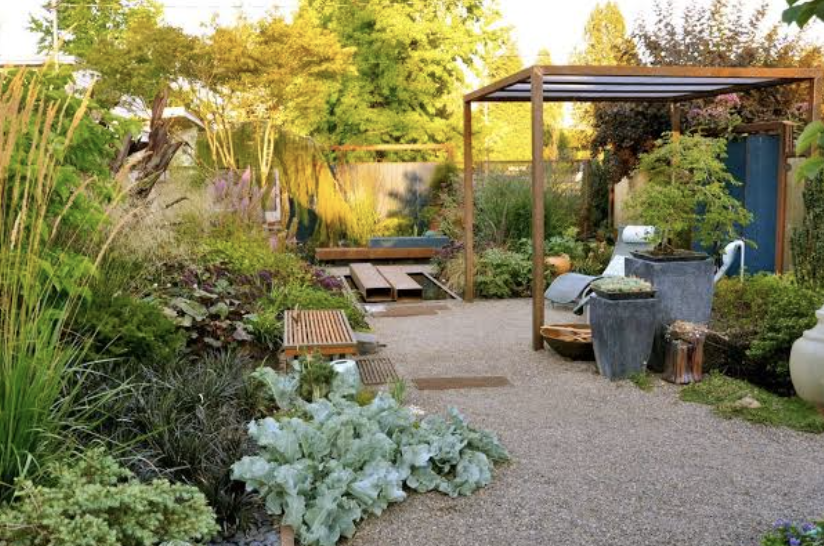
Not every “green” product has the same impact.
Some products look eco-friendly but do little in practice. Others quietly reduce waste and resource use every day.
Compost bins and soil improvers
Composting is one of the most effective sustainable gardening habits.
It helps turn:
- leaves;
- grass cuttings;
- vegetable scraps;
- plant waste;
into useful organic matter.
Compost improves soil structure, supports soil life, and reduces the need for synthetic fertilisers.
For retailers, compost bins are practical products because they serve both beginner and experienced gardeners.
Rain barrels and water-saving tools
Rainwater collection is simple but powerful.
Rain barrels help gardeners collect water from roofs and use it later for plants.
Related products include:
- watering cans;
- drip irrigation kits;
- moisture meters;
- self-watering planters;
- mulch mats.
These products are especially useful in regions with dry summers or water restrictions.
Recycled and biodegradable planters
Planters are a major garden product category, so material choice matters.
Eco-friendly options include:
- recycled plastic pots;
- fibre-based plant pots;
- bamboo fibre planters;
- terracotta pots;
- metal planters with long service life;
- biodegradable seedling pots.
The best option depends on whether the product is designed for long-term use or short-term planting.
Natural trellises and plant supports
Natural materials such as willow and bamboo are popular for eco-style gardens.
They offer:
- warm appearance;
- plant-friendly texture;
- renewable material image;
- low industrial feel.
However, suppliers should be honest about lifespan. Natural products may need replacement sooner than metal or composite alternatives.
Solar lights and energy-saving products
Solar garden lights are popular because they reduce wiring and external electricity use.
They are used for:
- paths;
- patios;
- fences;
- trellises;
- decorative displays.
Quality matters. A poorly made solar light that fails quickly is not truly sustainable.
Wildlife products
Wildlife-friendly products are increasingly important.
Examples include:
- bird feeders;
- bird tables;
- bird baths;
- insect hotels;
- hedgehog houses;
- butterfly feeders;
- nesting boxes.
These products directly support biodiversity when used correctly.
| Product type | Sustainability benefit |
|---|---|
| Compost bin | Reduces waste and improves soil |
| Rain barrel | Saves water |
| Recycled planter | Reduces virgin material use |
| Natural trellis | Uses renewable materials |
| Solar light | Reduces electricity use |
| Bird feeder | Supports wildlife |
| Biodegradable pot | Reduces plastic waste |
The strongest eco-friendly products are those that solve real garden problems while reducing environmental impact.
How Can Garden Design Help Save Water and Support Wildlife?
Sustainable garden design works by using the right plants, smart layout, healthy soil, and wildlife-friendly features together.
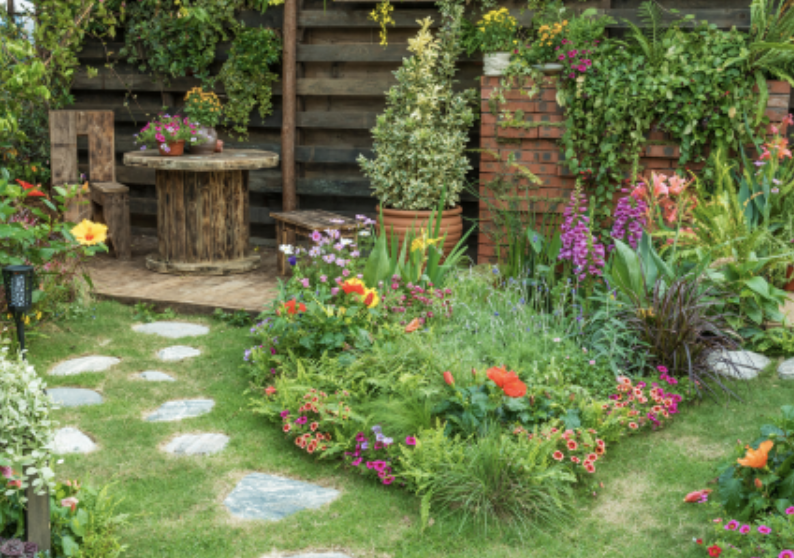
Garden design can save water and support wildlife by using drought-tolerant plants, layered planting, mulch, rainwater collection, permeable surfaces, bird-friendly features, pollinator flowers, and chemical-free maintenance.
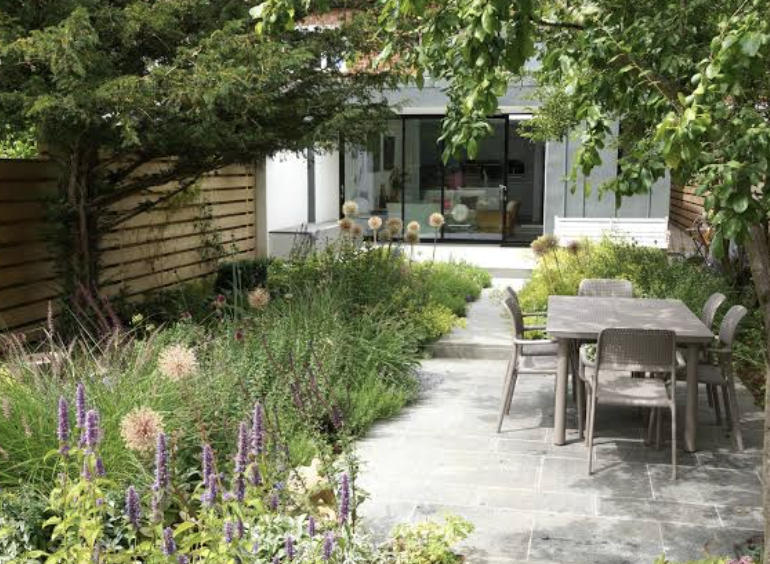
Sustainability is not only about buying eco products.
It is also about how the garden is planned.
A well-designed garden naturally needs less water, fewer chemicals, and less intensive maintenance.
Choose plants that match the climate
The most sustainable plants are often those that suit local conditions.
In dry areas, choose plants that handle drought.
In wet areas, choose plants that tolerate moisture.
In windy gardens, choose strong-rooted plants.
Good plant selection reduces:
- watering needs;
- disease problems;
- plant replacement;
- maintenance pressure.
Use mulch to protect soil
Mulch is simple but effective.
It helps:
- reduce evaporation;
- protect roots;
- suppress weeds;
- improve soil over time;
- reduce watering frequency.
Common mulch materials include:
- bark chips;
- straw;
- compost;
- leaf mould;
- gravel for dry gardens.
Create layered planting
Layered planting supports both water efficiency and wildlife.
A healthy planting structure may include:
- ground cover;
- flowers;
- shrubs;
- climbers;
- trees;
- hedges.
Layers provide shade, reduce soil drying, and create habitats for insects and birds.
Add water sources for wildlife
A wildlife garden needs water.
Useful features include:
- bird baths;
- shallow dishes;
- small ponds;
- container water gardens;
- rain-fed water features.
Even a small water bowl can help birds, bees, and butterflies during hot weather.
Reduce hard, sealed surfaces
Too much paving increases heat and reduces natural drainage.
More sustainable options include:
- gravel paths;
- stepping stones;
- permeable paving;
- planted borders;
- ground-cover plants.
These help rainwater enter the soil instead of running away.
Avoid chemical-heavy maintenance
A sustainable garden should encourage natural balance.
Instead of using strong pesticides, gardeners can:
- attract beneficial insects;
- grow diverse plants;
- remove pests manually;
- improve soil health;
- use companion planting.
| Design method | Water-saving benefit | Wildlife benefit |
|---|---|---|
| Drought-tolerant plants | Lower watering needs | Seasonal flowers |
| Mulch | Less evaporation | Better soil life |
| Layered planting | More shade | More habitats |
| Bird bath | Small water supply | Birds and insects |
| Permeable paths | Better drainage | Healthier soil |
| Chemical-free care | Safer environment | More biodiversity |
A sustainable garden works best when water-saving design and wildlife support are planned together.
What Should Retailers Look for When Sourcing Sustainable Garden Products?
Retailers need to look beyond eco-style appearance and check whether products are genuinely practical, durable, and responsibly made.
When sourcing sustainable garden products, retailers should check material origin, durability, recyclability, packaging, certifications, product lifespan, repairability, and whether the product solves a real environmental need for customers.
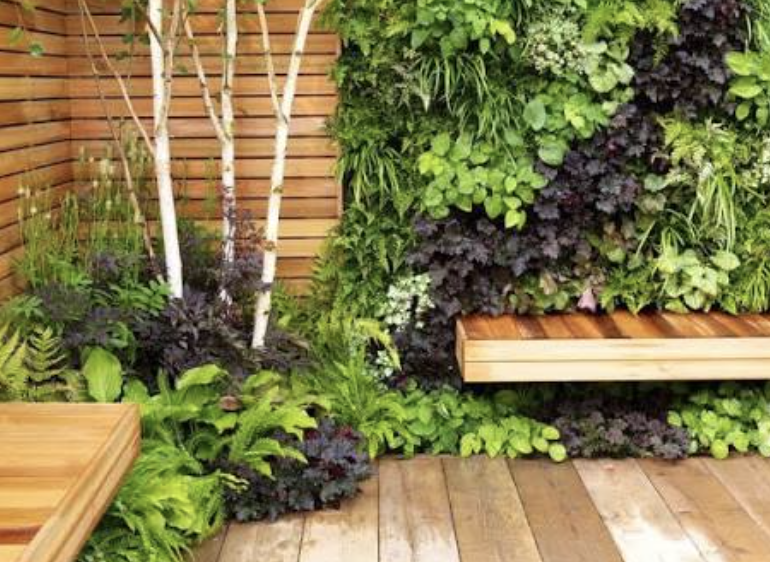
Sustainable sourcing is not only about adding “eco” labels to packaging.
Customers are becoming more careful. They want products that feel honest and useful.
Retailers should select products that can stand up to both environmental expectations and everyday garden use.
Check material claims carefully
Common sustainable material claims include:
- recycled plastic;
- FSC-certified wood;
- bamboo;
- willow;
- biodegradable fibre;
- recyclable metal;
- natural rubber;
- compostable materials.
Suppliers should be able to explain the material clearly.
Vague descriptions such as “eco material” are not enough for serious buyers.
Prioritise durability
Durability is one of the most important parts of sustainability.
A product that lasts five seasons is usually better than one that breaks after one summer.
Retailers should check:
- UV resistance;
- rust resistance;
- water resistance;
- load-bearing strength;
- outdoor testing;
- packaging protection.
This is especially important for trellises, fencing, bird feeders, planters, and outdoor décor.
Review packaging impact
Packaging is often overlooked.
Sustainable packaging may include:
- recyclable cartons;
- reduced plastic bags;
- compact packaging;
- recycled paper labels;
- efficient carton sizes;
- clear disposal information.
Compact packaging also reduces shipping volume and freight cost.
Make sure the product has real customer value
A sustainable product must still be useful.
Retailers should ask:
- Does it solve a common garden problem?
- Is it easy to use?
- Does it fit current garden trends?
- Is the price acceptable?
- Can customers understand the benefit quickly?
Eco-friendly products sell better when the benefit is clear at first glance.
Balance natural and long-life products
Natural materials are attractive, but they are not always the longest-lasting.
Long-life products may include:
- powder-coated metal;
- UV-stabilised plastic;
- composite materials;
- recycled plastic;
- treated wood.
The best range may combine natural products for eco-style appeal with durable products for long-term value.
| Sourcing factor | What retailers should check |
|---|---|
| Material | Recycled, renewable, certified, or durable |
| Lifespan | Outdoor performance and weather resistance |
| Packaging | Recyclable and space-efficient |
| Certification | Relevant proof where needed |
| Usability | Clear benefit for customers |
| Supplier support | Stable quality and honest claims |
For retailers, sustainable sourcing is about choosing products that are eco-conscious, practical, and commercially reliable.
Conclusion
Sustainable gardening combines eco-friendly products, smarter design, water saving, and wildlife support. For modern gardens, it is both responsible and commercially valuable.