European gardens are changing quickly. In 2026, buyers and gardeners are looking for products that are practical, sustainable, beautiful, and easier to maintain.
The top garden trends in Europe for 2026 are sustainability, outdoor living, wildlife-friendly design, water-saving products, compact garden solutions, and durable décor that helps people use outdoor spaces more comfortably.
For importers and retailers, these trends are not only design ideas—they are clear product opportunities.
Why Sustainability Is Driving Garden Product Choices
Sustainability is becoming one of the strongest forces behind garden product decisions in Europe.
Sustainability is driving garden product choices because European consumers increasingly prefer durable materials, recyclable packaging, water-saving tools, wildlife-friendly features, and products that reduce waste over time.
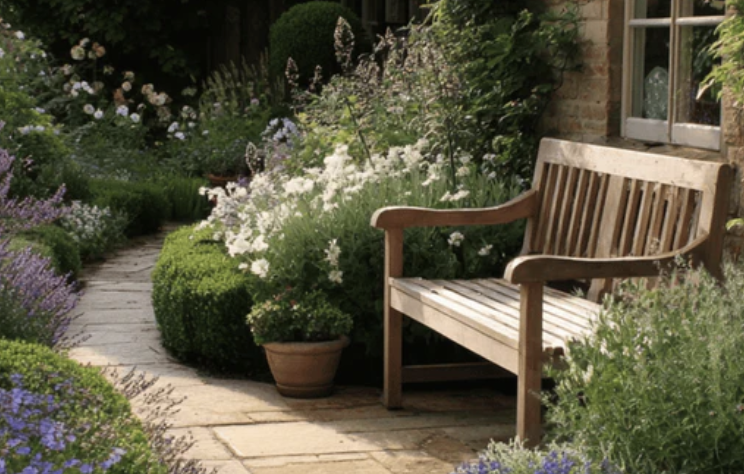
For many gardeners, sustainability no longer means buying only “natural-looking” products.
It now includes the full product lifecycle:
- how the material is sourced;
- how long the product lasts;
- whether the packaging is recyclable;
- how much water the garden needs;
- whether the product supports wildlife;
- whether it reduces waste or replacement frequency.
This is why garden buyers are paying more attention to materials and durability.
Durable products are more sustainable
A cheap product that breaks after one season is not truly eco-friendly.
European consumers are becoming more aware of this.
They want products that can survive:
- rain;
- UV exposure;
- wind;
- frost;
- repeated outdoor use.
This creates stronger demand for:
- powder-coated metal garden products;
- UV-stabilised plastic items;
- treated wood products;
- composite materials;
- long-life bird feeders;
- reusable plant supports.
For retailers, durability is now part of the sustainability story.
Water-saving products are becoming more important
Climate pressure is changing garden habits.
More gardeners are choosing:
- rain barrels;
- self-watering pots;
- drip irrigation kits;
- drought-tolerant planting accessories;
- mulch products;
- moisture meters.
These products help gardeners keep outdoor spaces healthy while reducing water waste.
In dry summers, water-saving products move from “nice to have” to “essential”.
Natural and recycled materials remain attractive
Consumers still like products that look and feel natural.
Popular materials include:
- willow;
- bamboo;
- FSC-certified wood;
- recycled plastic;
- terracotta;
- metal with long service life;
- biodegradable seedling pots.
However, buyers are also more careful now. They want products that are both eco-friendly and useful.
A natural product with poor durability may not satisfy long-term customers.
Packaging matters more than before
Retailers are also reviewing packaging.
Preferred packaging directions include:
- reduced plastic;
- recyclable cartons;
- compact carton size;
- kraft paper labels;
- clear disposal information;
- efficient container loading.
This matters because sustainability is not only about the product itself.
| Sustainability trend | Product opportunity |
|---|---|
| Water saving | Rain barrels, self-watering pots, drip kits |
| Long lifespan | Metal trellises, durable planters, weatherproof décor |
| Natural materials | Willow fencing, bamboo edging, wooden products |
| Wildlife support | Bird feeders, bird baths, insect hotels |
| Lower waste | Reusable plant supports, repairable products |
| Better packaging | Recyclable and compact packaging |
In 2026, sustainable garden products must be eco-conscious, durable, and commercially practical.
Which Outdoor Living Products Are Growing Fast in Europe?
Outdoor living continues to grow because people want gardens, patios, and balconies to feel like extensions of the home.
Outdoor living products growing fast in Europe include garden furniture, decorative lighting, outdoor clocks, planters, privacy screens, trellises, patio décor, weatherproof cushions, and compact solutions for small gardens and balconies.
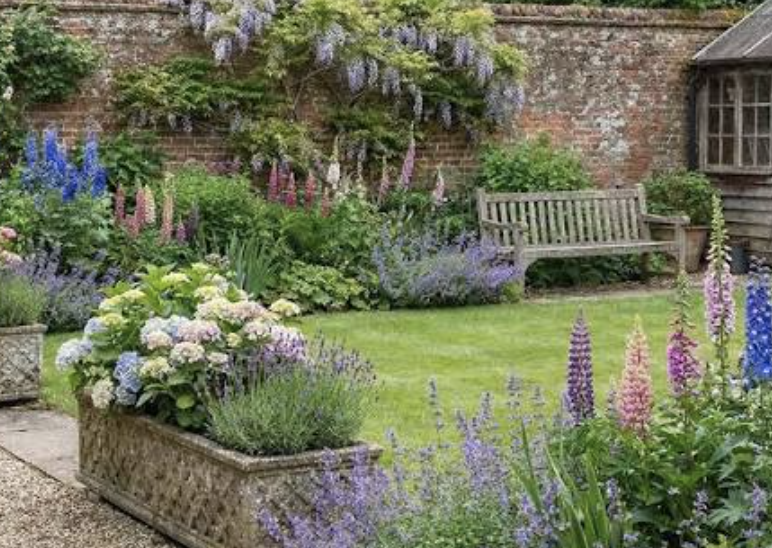
European gardens are no longer used only for planting.
They are becoming:
- dining areas;
- relaxing corners;
- children’s play areas;
- social spaces;
- balcony retreats;
- work-from-home break zones;
- outdoor decoration spaces.
This lifestyle shift is changing what retailers need to stock.
Small garden and balcony products are in demand
Urban living is a major influence.
Many consumers do not have large gardens, but they still want greenery and comfort.
This increases demand for:
- balcony planters;
- compact trellises;
- vertical garden systems;
- folding screens;
- hanging baskets;
- wall-mounted décor;
- slimline storage;
- small patio furniture.
A product that saves space usually has stronger appeal in city markets.
Decorative garden products are becoming more lifestyle-led
Garden décor is no longer only about ornaments.
Consumers want products that create mood and personality.
Fast-growing categories include:
- outdoor clocks;
- solar lights;
- garden mirrors;
- water features;
- decorative bird feeders;
- resin garden ornaments;
- wall art;
- seasonal decorations.
These products help customers create a finished garden look.
Privacy products are becoming more important
As gardens become outdoor living rooms, privacy becomes a bigger concern.
Popular privacy products include:
- trellis panels;
- artificial greenery screens;
- willow screens;
- bamboo rolls;
- planter trellis combinations;
- freestanding garden screens.
For small gardens, products that combine privacy and decoration are especially attractive.
Weatherproof design is essential
Outdoor living products must survive changing weather.
Retailers should pay attention to:
- UV resistance;
- rust protection;
- waterproof coatings;
- strong frames;
- colour stability;
- easy cleaning;
- secure packaging.
A beautiful product that fails outdoors will damage customer trust quickly.
| Outdoor living need | Product category |
|---|---|
| Relaxation | Garden furniture, cushions, décor |
| Privacy | Trellis, screens, planter dividers |
| Decoration | Outdoor clocks, lights, ornaments |
| Small-space use | Balcony planters, folding furniture |
| Night atmosphere | Solar lights, LED décor |
| Weather protection | Durable materials and coatings |
The strongest outdoor living products are those that make gardens feel more comfortable, usable, and personal.
How Wildlife-Friendly Gardens Are Influencing Garden Design
Wildlife-friendly gardening is one of the most meaningful garden trends in Europe.
Wildlife-friendly gardens are influencing design by encouraging more pollinator plants, bird feeders, bird baths, insect hotels, ponds, hedges, natural materials, and chemical-free maintenance methods.
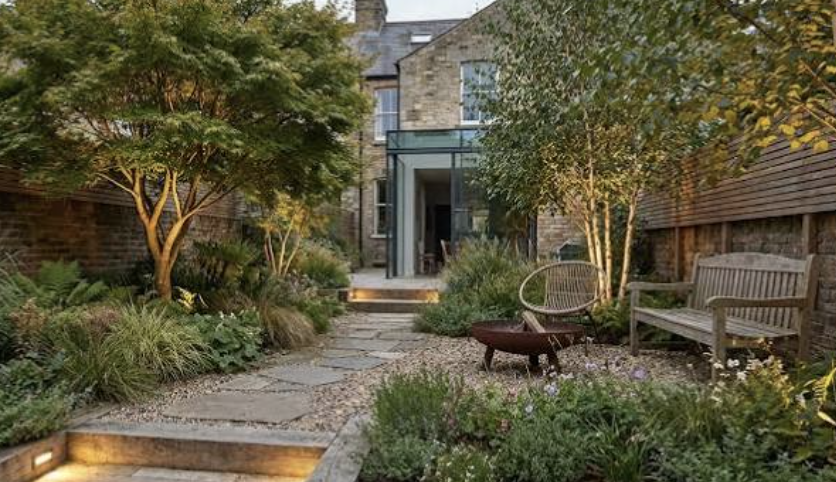
Many gardeners now understand that a garden is not just a private space.
It can support local nature.
This is especially important in urban areas where natural habitats are reduced by:
- paving;
- construction;
- artificial lawns;
- intensive mowing;
- low-diversity planting.
A wildlife-friendly garden helps bring life back into everyday outdoor spaces.
Bird care products remain strong
Bird feeders and bird tables continue to be important categories.
They attract customers because they are:
- easy to use;
- affordable;
- suitable for small gardens;
- emotionally rewarding;
- good for year-round engagement.
Related products include:
- suet feeders;
- seed feeders;
- bird baths;
- nesting boxes;
- squirrel-proof feeders;
- weatherproof feeding stations.
For retailers, bird care is a strong repeat-purchase category because customers also buy food, accessories, and replacements.
Pollinator-friendly design is growing
European gardeners are planting more flowers for bees and butterflies.
This supports demand for:
- wildflower seed mixes;
- herb planters;
- flower supports;
- natural edging;
- pollinator signs;
- insect hotels.
Plant-support products such as trellises, arches, and stakes can also fit into this trend when used with flowering climbers.
Water features support biodiversity
Even small water sources help wildlife.
Popular features include:
- bird baths;
- small ponds;
- container water gardens;
- solar fountains;
- shallow water dishes.
For small gardens, compact wildlife water products are more practical than large pond systems.
Natural-looking products fit the trend
Wildlife-friendly gardens often favour softer materials and natural textures.
Products that fit this style include:
- willow fencing;
- bamboo edging;
- wooden bird houses;
- rustic planters;
- natural trellises;
- log-style insect hotels.
However, durability still matters. Natural appearance should not mean poor performance.
| Wildlife trend | Product opportunity |
|---|---|
| Feeding birds | Bird feeders and bird tables |
| Supporting pollinators | Insect hotels and flower supports |
| Providing water | Bird baths and small water features |
| Creating shelter | Nest boxes, hedgehog houses, dense planters |
| Natural design | Willow, bamboo, wood, rustic décor |
| Chemical-free gardening | Manual tools and natural care products |
Wildlife-friendly design works best when products create food, water, shelter, and safety for local species.
What Should Importers and Retailers Stock for 2026?
Importers and retailers should stock products that match sustainability, outdoor living, wildlife support, and small-space gardening needs.
For 2026, retailers should stock durable trellises, weatherproof décor, bird feeders, bird baths, compact planters, privacy screens, water-saving products, solar lights, natural edging, and eco-friendly seasonal garden accessories.
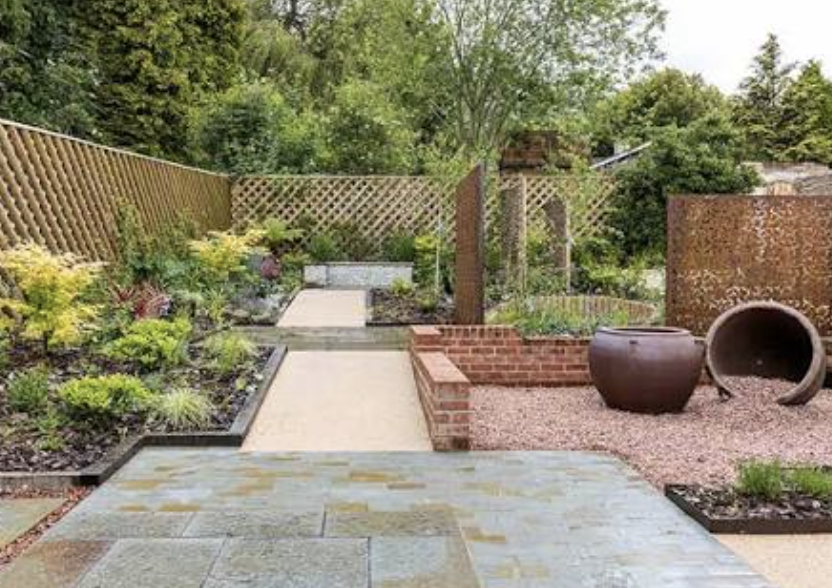
The best 2026 product range should not rely on one trend only.
A strong garden product collection should cover:
- practical daily gardening;
- lifestyle decoration;
- wildlife support;
- compact space solutions;
- sustainable materials;
- seasonal demand.
Core categories to prepare
Retailers should consider building around these categories:
| Category | Recommended products | Why it matters |
|---|---|---|
| Trellis and plant support | Metal trellis, willow trellis, plastic trellis, arches | Supports vertical gardening and privacy |
| Bird care | Bird feeders, bird tables, bird baths, nest boxes | Wildlife-friendly demand |
| Planters | Self-watering pots, recycled planters, balcony pots | Small-space gardening |
| Garden décor | Outdoor clocks, resin ornaments, solar lights | Lifestyle and decoration |
| Privacy | Screens, fencing rolls, planter dividers | Outdoor living comfort |
| Water saving | Rain barrels, irrigation kits, mulch mats | Climate-resilient gardening |
| Seasonal | Christmas wreaths, garlands, garden gifts | Retail sales peaks |
A balanced range gives retailers more ways to attract different customers.
Focus on products with clear benefits
Customers respond well when the product benefit is easy to understand.
For example:
- “saves water”;
- “supports birds”;
- “creates privacy”;
- “fits balconies”;
- “weatherproof for outdoor use”;
- “made with recycled material”;
- “easy to install”.
Retailers should avoid products that look interesting but are hard to explain.
Choose weather-resistant materials
European weather can be unpredictable.
Products should be tested or designed for:
- rain;
- UV exposure;
- cold weather;
- wind;
- humidity;
- transportation damage.
For garden products, material choice affects customer reviews, return rates, and brand reputation.
Pay attention to packaging and display
Retail success also depends on presentation.
Good packaging should be:
- compact;
- protective;
- recyclable where possible;
- clear in product benefits;
- easy to display;
- suitable for online and offline retail.
Garden products are often bulky, so packaging efficiency directly affects landed cost.
Work with suppliers who understand market positioning
For importers, supplier selection is just as important as product selection.
A good supplier should help with:
- material suggestions;
- packaging improvement;
- mixed product sourcing;
- sample development;
- MOQ flexibility;
- quality control;
- shipment planning.
This is especially important for garden product ranges that include multiple categories.
A strong 2026 product plan should focus on durability, sustainability, small-space use, and wildlife-friendly value.
Conclusion
Europe’s 2026 garden trends point toward sustainable, practical, wildlife-friendly, and lifestyle-focused products. Buyers should stock items that solve real garden needs and feel modern, durable, and easy to use.