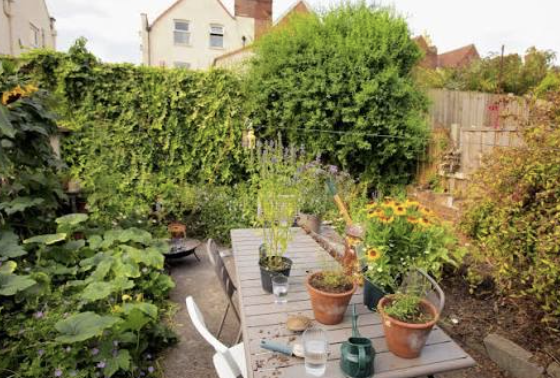
A wildlife-friendly garden is not only beautiful. It feels alive, balanced, and more connected to nature.
A wildlife-friendly garden supports birds, bees, butterflies, insects, and small animals by providing food, water, shelter, safe nesting spaces, and chemical-free planting conditions.
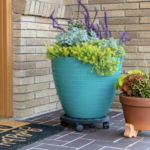
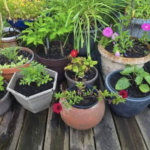
Even a small garden, balcony, or patio can become part of a healthier local ecosystem.
Why Is a Wildlife-Friendly Garden Important for Local Ecosystems?
A wildlife-friendly garden helps restore natural balance in areas where urban development has reduced food, shelter, and safe breeding spaces.
Wildlife-friendly gardens are important because they support pollinators, provide food for birds and insects, improve biodiversity, reduce pest problems naturally, and create small habitat networks across towns and cities.
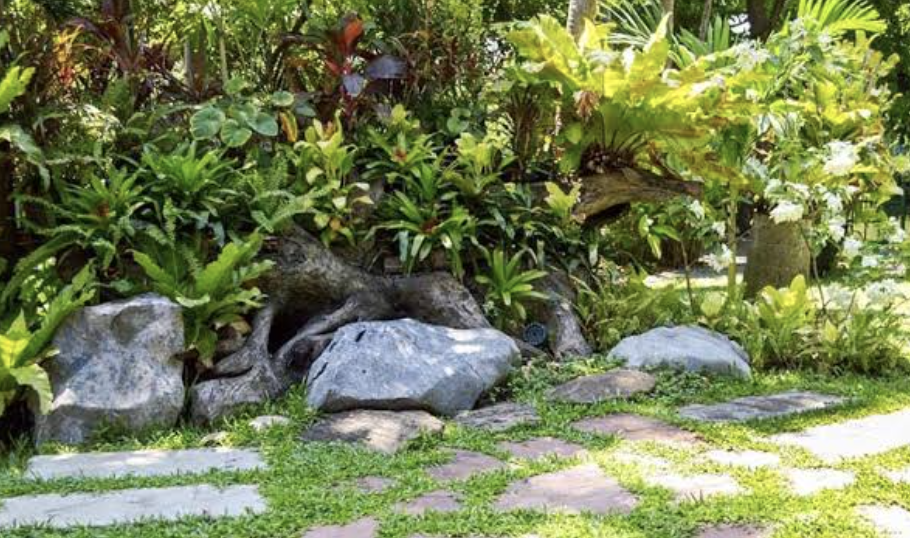
Many people think a garden is only a private outdoor space.
But every garden is also part of a bigger living system.
Birds fly between gardens. Bees move from flower to flower. Butterflies need host plants. Insects support soil health. Small animals use hedges, leaves, and planting areas for shelter.
When many gardens become wildlife-friendly, they create connected green corridors.
Gardens can replace lost habitat
Modern towns and cities often remove natural spaces through:
- buildings;
- roads;
- paving;
- artificial lawns;
- hard landscaping;
- intensive maintenance.
This reduces places where wildlife can feed, nest, hide, and reproduce.
A wildlife garden helps return some of those missing resources.
Even one small corner with flowers, water, and shelter can make a difference.
Pollinators support food and flowers
Bees, butterflies, hoverflies, moths, and other insects help pollinate many plants.
Without pollinators, gardens lose:
- flowers;
- fruit;
- seeds;
- natural plant reproduction.
A garden with nectar-rich flowers can support pollinators through different seasons.
This is especially important in spring and autumn, when natural food sources may be limited.
Birds help control garden pests
Birds are natural pest managers.
Many species feed on:
- aphids;
- caterpillars;
- beetles;
- larvae;
- flies;
- small insects.
By encouraging birds, gardeners can reduce dependence on chemical pest control.
This creates a healthier environment for plants, soil, pets, and people.
Biodiversity creates resilience
A garden with many plant and animal species is usually more stable.
If one plant struggles, others continue supporting wildlife. If one food source disappears, another may be available.
This diversity helps the garden handle:
- weather changes;
- pest pressure;
- seasonal gaps;
- plant disease;
- dry or wet periods.
| Wildlife-friendly benefit | What it supports | Garden result |
|---|---|---|
| Pollinator flowers | Bees and butterflies | Better flowering and fruiting |
| Bird feeders and plants | Garden birds | Natural pest control |
| Shelter areas | Insects and small animals | Stronger biodiversity |
| Water sources | Birds and pollinators | More regular wildlife visits |
| Chemical-free care | Soil and insects | Healthier ecosystem |
A wildlife-friendly garden is not messy by default. It is designed to support life while still looking beautiful.
Which Plants Best Attract Birds, Bees, and Butterflies?
The best wildlife plants offer nectar, pollen, seeds, berries, shelter, or host leaves for insects and birds.
Plants that attract birds, bees, and butterflies include native wildflowers, nectar-rich perennials, berry-producing shrubs, seed-bearing plants, herbs, and flowering climbers that provide food across different seasons.
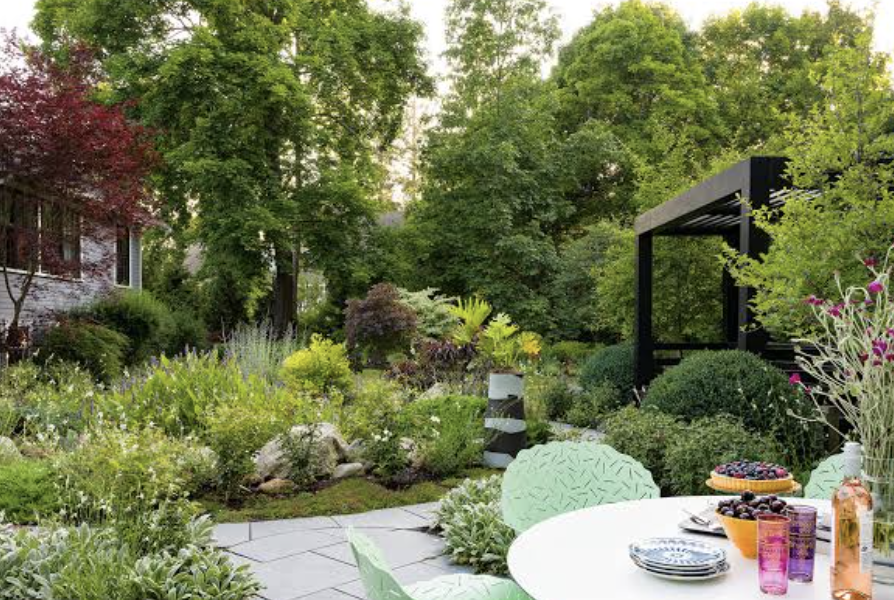
Plant choice is the heart of a wildlife-friendly garden.
A bird feeder can help, but plants create the long-term food web.
Native plants are often the best starting point
Native plants are usually well matched to local wildlife.
They often support:
- local bees;
- butterflies;
- caterpillars;
- beetles;
- seed-eating birds;
- berry-feeding birds.
This is because local insects and animals have adapted to use them over time.
A garden does not need to be 100% native, but including native plants gives wildlife a strong foundation.
Flowers for bees and pollinators
Pollinators prefer flowers that provide easy access to nectar and pollen.
Good choices often include:
- lavender;
- foxglove;
- salvia;
- echinacea;
- catmint;
- allium;
- borage;
- thyme;
- rosemary;
- marjoram;
- single-flowered dahlias;
- wildflower mixes.
Avoid relying only on highly double flowers. They may look impressive but can offer less accessible pollen and nectar.
Plants for butterflies
Butterflies need nectar plants as adults, but many also need specific host plants for caterpillars.
Useful butterfly-friendly plants may include:
- buddleia;
- verbena;
- sedum;
- milkweed in suitable regions;
- nettles in wild corners;
- herbs such as fennel or dill;
- native grasses;
- wildflowers.
A small “wild edge” can support caterpillars better than a perfectly cleaned flower bed.
Plants for birds
Birds need more than seed from feeders.
Bird-friendly plants include:
- berry shrubs;
- seed heads;
- hedges;
- fruiting trees;
- dense shrubs for nesting.
Good options may include:
- hawthorn;
- holly;
- rowan;
- elder;
- crab apple;
- cotoneaster;
- ivy;
- sunflowers;
- ornamental grasses.
Leaving seed heads through winter can provide natural food for birds.
Seasonal planting matters
A wildlife garden should provide food across as much of the year as possible.
| Season | Useful plant focus | Wildlife benefit |
|---|---|---|
| Spring | early bulbs and blossom | food after winter |
| Summer | nectar-rich flowers | bees and butterflies |
| Autumn | berries and seed heads | birds and insects |
| Winter | evergreen shelter and berries | protection and food |
A strong plant plan uses flowers for pollinators and berries for birds rather than choosing plants only by colour.
What Garden Features Create Safe Habitats for Wildlife?
A wildlife garden needs structure, not just plants. Animals need safe places to feed, hide, nest, drink, and move.
Safe wildlife habitats include bird feeders, bird baths, insect hotels, log piles, hedges, ponds, nesting boxes, compost areas, dense planting, and quiet corners where animals can shelter without constant disturbance.
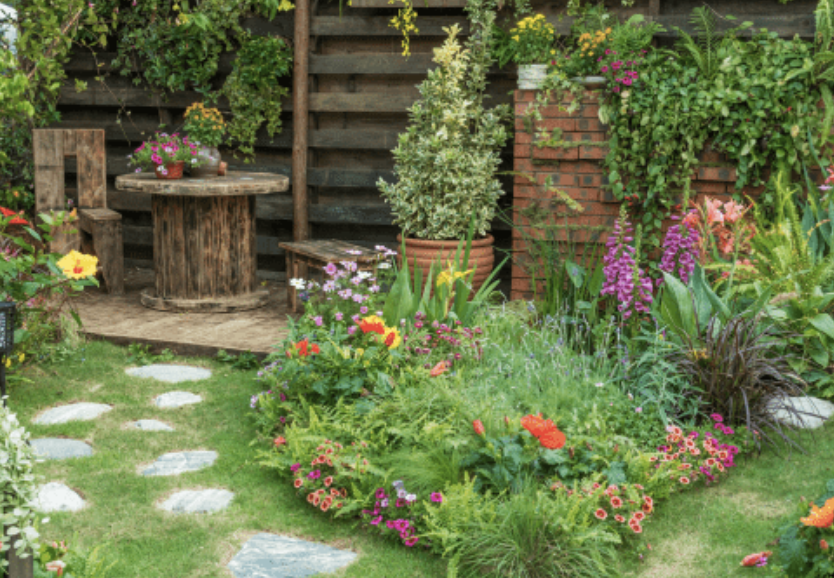
Think of a wildlife garden like a small neighbourhood.
Food is important, but wildlife also needs homes, water, and safe routes.
Bird feeders and bird baths
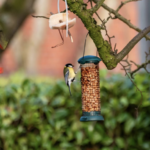
Bird feeders provide extra support, especially in winter or during nesting season.
Different feeders can attract different species:
- seed feeders for finches and sparrows;
- suet feeders for high-energy feeding;
- platform feeders for mixed species;
- ground-feeding areas for robins and thrushes.
Water is just as important as food.
A bird bath or shallow dish helps birds drink and bathe. It also supports insects and small animals.
Keep water clean and place it where birds can see danger.
Nesting boxes and shelter
Bird boxes can support species that struggle to find nesting spaces in modern gardens.
Place nesting boxes:
- away from heavy disturbance;
- out of direct strong sun;
- safe from cats and predators;
- securely fixed;
- at a suitable height.
Dense shrubs and hedges also provide excellent natural shelter.
Insect hotels and log piles
Insects need hiding and breeding spaces.
Useful features include:
- log piles;
- hollow stems;
- leaf piles;
- stone piles;
- insect hotels;
- undisturbed soil patches.
A tidy garden can still include a hidden natural corner where insects can live.
Ponds and mini water features
A pond is one of the most powerful wildlife features.
Even a small container pond can attract:
- insects;
- birds;
- frogs in suitable areas;
- beneficial aquatic life.
Important safety points:
- provide shallow edges;
- add stones or ramps;
- avoid steep slippery sides;
- do not use chemicals.
Hedging and vertical structure
Wildlife likes layers.
A good habitat may include:
- ground cover;
- flowers;
- shrubs;
- climbers;
- trees;
- trellises with plants;
- hedges.
This gives different animals different spaces to use.
| Garden feature | Wildlife supported | Main benefit |
|---|---|---|
| Bird feeder | Birds | Extra food |
| Bird bath | Birds and insects | Water source |
| Hedge | Birds, insects, small animals | Shelter and movement |
| Log pile | Beetles and insects | Habitat and overwintering |
| Pond | Insects, amphibians, birds | Water and biodiversity |
| Nest box | Birds | Breeding support |
| Trellis with climbers | Birds and pollinators | Vertical habitat |
The goal is to build food, water, shelter, and safety in one garden.
How Can You Maintain a Healthy Wildlife Garden Naturally?
A wildlife-friendly garden should be maintained gently, allowing natural processes to support plant health and biodiversity.
Maintain a healthy wildlife garden naturally by avoiding pesticides, composting organic waste, watering wisely, leaving some seed heads and leaves, planting diverse species, and cleaning feeders and water sources regularly.
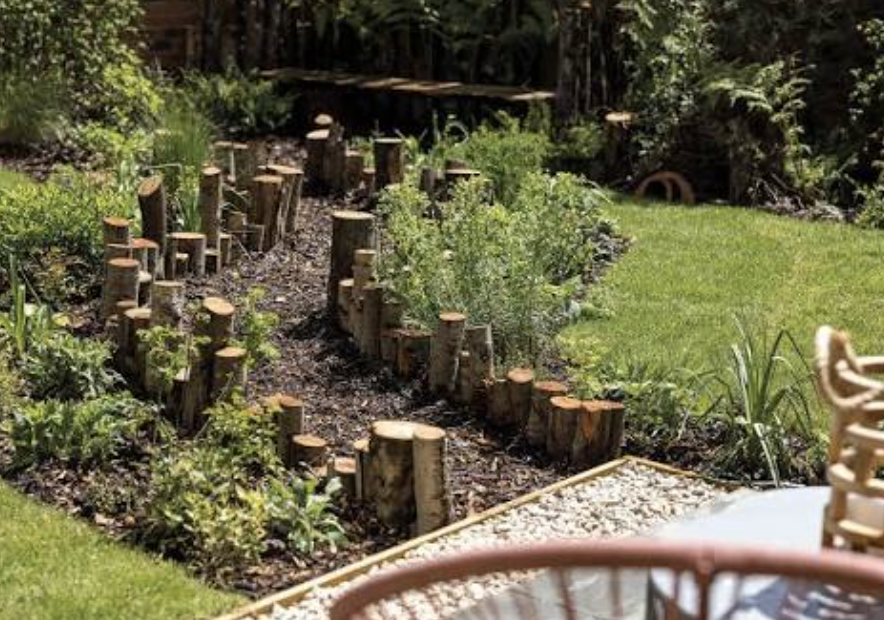
A wildlife garden does not mean doing nothing.
It means maintaining in a way that supports life instead of constantly removing it.
Avoid unnecessary chemicals
Pesticides can harm more than pests.
They may also affect:
- bees;
- butterflies;
- ladybirds;
- soil organisms;
- birds that eat insects;
- aquatic life near water features.
A healthier approach is to encourage natural balance.
For example:
- ladybirds eat aphids;
- birds eat caterpillars;
- frogs eat slugs;
- diverse planting reduces pest outbreaks.
Compost garden waste
Compost improves soil naturally.
It helps:
- feed soil organisms;
- reduce waste;
- improve moisture retention;
- support healthier plant growth.
A compost area can also provide habitat for insects and small creatures.
Water wisely
Wildlife gardens need water, but overwatering can create plant weakness and fungal problems.
Useful habits include:
- watering early morning;
- using mulch to reduce evaporation;
- choosing drought-tolerant plants;
- collecting rainwater where possible;
- keeping bird baths clean and filled.
Leave some natural material
Not every leaf needs to be removed.
Leaves, seed heads, hollow stems, and dead wood can support wildlife.
They provide:
- winter shelter;
- insect habitat;
- bird food;
- soil protection.
You can keep the main garden tidy while leaving one quiet corner more natural.
Clean feeders and water sources
Wildlife support must also be hygienic.
Bird feeders should be cleaned regularly to prevent disease spread.
Water bowls and bird baths should be refreshed often, especially in warm weather.
Prune at the right time
Before cutting hedges or dense shrubs, check for nesting birds.
Avoid heavy pruning during nesting seasons where possible.
Gentle timing protects wildlife while keeping the garden healthy.
| Natural maintenance habit | Why it helps |
|---|---|
| Avoid pesticides | Protects beneficial wildlife |
| Compost organic waste | Improves soil health |
| Leave seed heads | Feeds birds |
| Keep water clean | Prevents disease |
| Plant diverse species | Reduces pest pressure |
| Prune carefully | Protects nesting wildlife |
A healthy wildlife garden works best when maintenance supports natural balance instead of fighting it.
Conclusion
A wildlife-friendly garden supports local ecosystems through plants, water, shelter, and gentle maintenance. Start small, and nature will quickly respond.