Garden trellises play an important role in European gardens, supporting climbing plants while also shaping the overall outdoor aesthetic. Among the most common choices, willow and plastic trellises stand out for very different reasons.
Willow trellises are valued for their natural, traditional look, while plastic trellises are preferred for their durability, consistency, and low maintenance. The better option depends on climate conditions, design preference, and long-term usage expectations.
Understanding the differences helps buyers and importers choose the right product for their target market.
Natural Aesthetic vs Modern Uniform Look
One of the biggest differences between willow and plastic trellises is visual style. European gardens place strong emphasis on landscape design, so appearance often influences purchasing decisions.
Willow trellises offer a natural, organic appearance that blends into traditional and cottage-style gardens, while plastic trellises provide a clean, uniform, and modern look suitable for minimalist outdoor spaces.
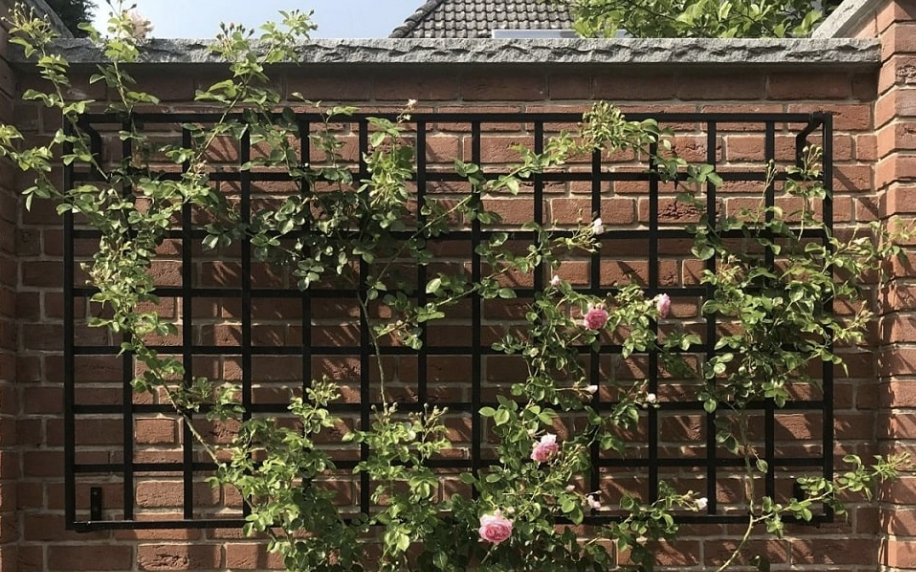
Willow trellis: natural and traditional charm
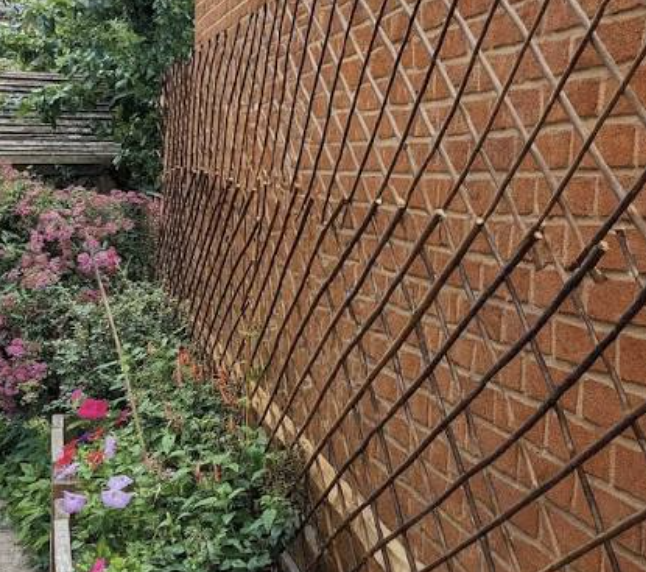
Willow trellises are made from woven natural branches, giving them a soft and rustic appearance.
They are especially popular in:
- cottage gardens;
- herb and vegetable gardens;
- traditional English-style landscapes;
- eco-themed outdoor spaces.
Key visual strengths include:
- natural texture and irregular structure;
- warm, organic colour tones;
- seamless integration with plants;
- handcrafted appearance.
However, willow naturally varies in shape and colour, which may not suit modern design preferences.
Plastic trellis: clean and modern consistency
Plastic trellises are manufactured with moulded or extruded structures, offering consistent patterns and colours.
They are widely used in:
- urban gardens;
- balcony plant setups;
- modern minimalist landscapes;
- commercial landscaping projects.
Key visual strengths include:
- uniform shape and spacing;
- consistent colour;
- neat geometric design;
- modern, structured appearance.
| Style factor | Willow trellis | Plastic trellis |
|---|---|---|
| Appearance | Natural, rustic | Clean, modern |
| Design consistency | Variable | Uniform |
| Garden style fit | Traditional gardens | Contemporary gardens |
| Visual texture | Organic | Structured |
For many European buyers, the choice comes down to whether they prefer natural charm or modern precision in garden design.
Weather Resistance and Durability in European Climates
European weather varies significantly across regions, from wet and windy coastal areas to cold northern climates and mild central zones. This makes durability an important factor when choosing trellises.
Plastic trellises generally offer higher weather resistance and longer outdoor durability, while willow trellises are more vulnerable to moisture, UV exposure, and long-term structural degradation.
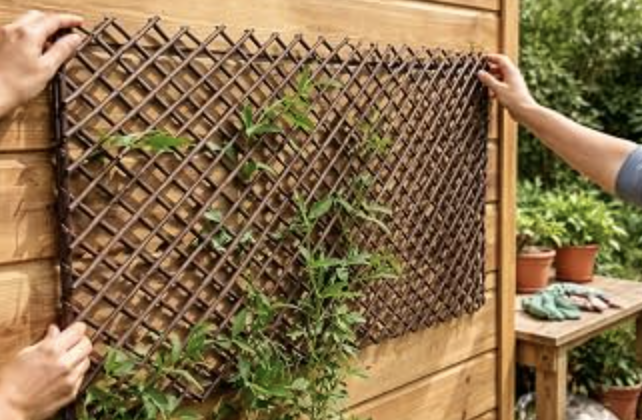
Willow trellis performance outdoors
Willow is a natural material, which means it reacts to environmental conditions.
Common issues include:
- absorption of moisture during rain;
- softening or deformation in wet conditions;
- drying and cracking under strong sunlight;
- gradual weakening over time;
- potential mould growth in humid environments.
In dry, sheltered gardens, willow can last reasonably well, but in exposed outdoor areas its lifespan is more limited.
Plastic trellis performance outdoors
Plastic trellises are engineered for outdoor use.
Advantages include:
- water resistance (no rotting);
- UV-stabilised options available[^1];
- consistent structure in all weather;
- resistance to insects and fungi;
- long service life with minimal change.
However, low-quality plastic may become brittle in extreme cold or fade under strong UV exposure[^2] if not properly treated.
Climate impact comparison
| Climate condition | Willow trellis | Plastic trellis |
|---|---|---|
| High humidity | Weak (mould risk) | Strong |
| Heavy rain | Degrades over time | Stable |
| Strong sunlight | Cracking possible | UV-stable versions perform well |
| Cold winters | Can become brittle | Generally stable |
| Wind exposure | Moderate strength | High structural stability |
In most European climates, plastic offers more predictable long-term performance, especially for commercial or export-focused applications.
Environmental Impact and Sustainability Considerations
Sustainability is an increasingly important factor in European garden product purchasing decisions.
Willow trellises are considered more environmentally friendly due to their natural and biodegradable materials, while plastic trellises raise sustainability concerns but can be partially mitigated through recyclable and long-life designs.
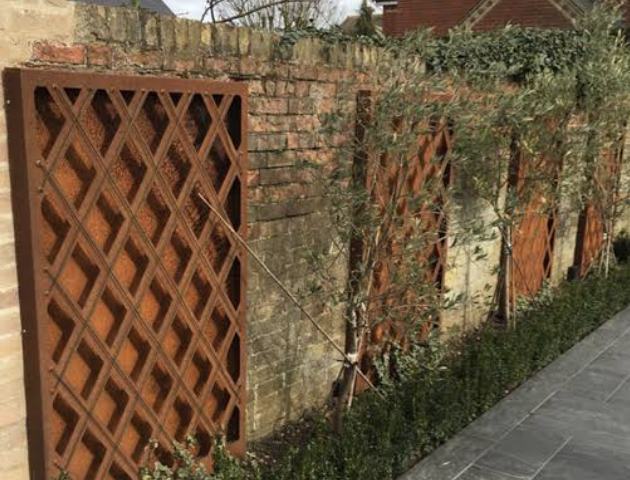
Willow trellis: renewable and biodegradable
Willow is a natural plant-based material, which gives it strong eco credentials.
Advantages include:
- renewable raw material source;
- biodegradable after disposal;
- low industrial processing requirements;
- natural production methods.
This makes willow highly attractive to eco-conscious consumers and organic gardening markets.
However, shorter lifespan may offset some sustainability benefits if replacements are frequent.
Plastic trellis: long life vs recycling challenge
Plastic trellises are more controversial from an environmental perspective.
Concerns include:
- dependence on petrochemical materials;
- long decomposition time;
- potential microplastic generation if degraded.
However, modern improvements include:
- recyclable polypropylene (PP) or polyethylene (PE);
- extended lifespan reducing replacement frequency;
- reduced material thickness for efficiency;
- reuse across multiple seasons.
In practice, a durable plastic trellis used for many years may still offer a lower environmental impact than repeatedly replacing natural alternatives.
| Sustainability factor | Willow | Plastic |
|---|---|---|
| Raw material | Natural, renewable | Synthetic |
| Biodegradability | High | Low |
| Lifespan | Medium | High |
| Recycling potential | Low | Improving |
| Replacement frequency | Higher | Lower |
Sustainability today is often about balancing material origin with product lifespan.
Cost, Maintenance, and Long-Term Value
Price and maintenance requirements are often the final deciding factors for both consumers and importers.
Willow trellises are generally cheaper upfront but require more frequent replacement, while plastic trellises offer higher initial cost but lower maintenance and better long-term value.
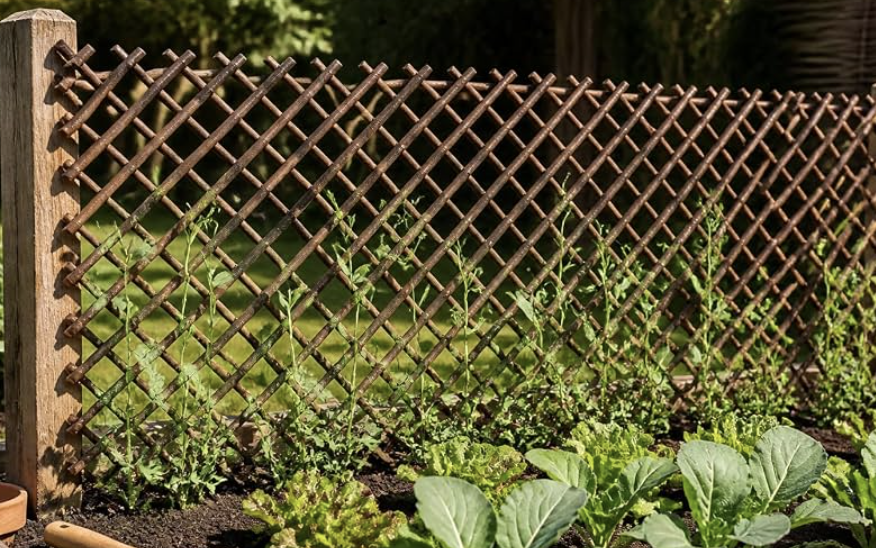
Cost comparison
Willow trellises:
- lower production cost;
- attractive for budget gardening segments;
- suitable for seasonal or decorative use.
Plastic trellises:
- moderate initial cost;
- scalable manufacturing;
- consistent pricing for bulk orders.
Maintenance requirements
Willow trellises require:
- protection from prolonged rain exposure[^3];
- occasional replacement;
- careful storage in winter;
- limited cleaning options.
Plastic trellises require:
- simple washing when dirty;
- minimal structural maintenance;
- occasional UV ageing checks[^4].
Long-term value perspective
While willow may appear more cost-effective initially, plastic often performs better over time.
| Factor | Willow trellis | Plastic trellis |
|---|---|---|
| Initial cost | Low | Medium |
| Maintenance | Higher | Lower |
| Lifespan | Shorter | Longer |
| Replacement cycle | Frequent | Rare |
| Total long-term value | Moderate | High |
For retailers and importers, plastic often provides more stable long-term supply chain planning, while willow is more suited to seasonal, decorative, or eco-themed product lines.
Conclusion
Willow and plastic trellises each serve different market needs in European gardens. Willow offers natural beauty and sustainability appeal, while plastic delivers durability, consistency, and long-term practicality. The best choice depends on whether the priority is aesthetic authenticity or functional longevity.
[^1]: "[PDF] Effect of Durability Treatment on Ultraviolet Resistance, Strength …", https://bioresources.cnr.ncsu.edu/BioRes_09/BioRes_09_2_3591_Li_ZSLZW_Effect_Durability_Treat_UV_Resistance_5422.pdf. Polymer materials used outdoors are commonly formulated with UV stabilizers or absorbers to slow photodegradation caused by sunlight exposure; this supports the availability and purpose of UV-stabilised plastics in outdoor applications. Evidence role: mechanism; source type: paper. Supports: Some plastic trellises are available in UV-stabilised formulations intended to withstand outdoor sunlight exposure.. Scope note: This supports the general polymer mechanism and outdoor-use rationale, not the performance of any specific trellis product.
[^2]: "Effects of UV radiation on natural and synthetic materials – PMC", https://pmc.ncbi.nlm.nih.gov/articles/PMC10088630/. Studies of polymer weathering and low-temperature behavior show that ultraviolet exposure can cause discoloration and degradation, while some plastics lose impact strength or become more brittle at low temperatures; this provides contextual support for the stated risks in lower-quality or unstabilised plastic products. Evidence role: general_support; source type: paper. Supports: Low-quality or insufficiently treated plastic can become brittle in extreme cold or fade under strong UV exposure.. Scope note: The evidence is likely to describe polymer behavior generally rather than directly testing plastic trellises.
[^3]: "Influence of artificial and natural weathering on the moisture …", https://bioresources.cnr.ncsu.edu/resources/influence-of-artificial-and-natural-weathering-on-the-moisture-dynamic-of-wood/. Wood and wood-based outdoor materials are susceptible to moisture-related deterioration, including fungal decay, when exposed to sustained wet conditions; this supports the need to protect willow trellises from prolonged rain exposure. Evidence role: mechanism; source type: education. Supports: Willow trellises require protection from prolonged rain exposure.. Scope note: The source may discuss wood durability generally rather than willow trellises specifically.
[^4]: "[PDF] Study of UV Degradation on Plastic (PET) Aerosols", https://repository.rit.edu/context/japr/article/1196/viewcontent/1196_Prater.pdf. Research on polymer weathering shows that ultraviolet radiation can degrade many plastics over time through photochemical processes, providing contextual support for periodic UV-ageing checks on plastic trellises. Evidence role: mechanism; source type: paper. Supports: Plastic trellises require occasional UV ageing checks.. Scope note: The evidence supports UV degradation of plastics broadly; ageing rates depend on the specific polymer formulation and stabilizers used.