I’ve worked with holiday buyers long enough to see it: Christmas trends don’t change overnight—then suddenly one season, the shelf looks totally different.
In 2026, the biggest Christmas decoration trends are practical sustainability, smarter LED lighting, luxury “home hotel” vibes, and personalized décor that feels unique. Retailers who plan early and build cohesive collections will win.
Let’s break the trends down into what actually sells.
Why Consumers Are Seeking More Sustainable Christmas Decorations
People still love festive décor, but they’re getting pickier about waste, storage, and “buy once, use longer.”
Consumers want sustainable Christmas decorations because they’re tired of one-season items. They prefer durable pieces, recyclable packaging, lower-energy lighting, and timeless styles that can be reused year after year without looking outdated.
Here’s the emotional truth: nobody feels good throwing Christmas away.
1) “Reusable” is the new premium
In many markets, customers now judge value by:
- how many seasons it will last
- whether it stores well
- whether colors and finishes hold up
A decoration that survives three seasons feels “worth it.”
2) Packaging is part of the sustainability decision
Shoppers notice:
- too much plastic
- messy inner trays
- oversized cartons
They prefer:
- clean recyclable boxes
- compact packing
- easy re-pack storage design
Retailers benefit too—better packing often means lower damage and better shipping efficiency.
3) Natural and natural-look materials are still strong
Trends continue toward:
- wood-look textures
- paper-style ornaments
- fabric and felt looks
- warm “handmade” vibes
But the key is quality. If “natural” looks cheap, customers return it fast.
4) Energy awareness pushes LED even harder
Sustainability and energy bills both push customers toward:
- LED strings
- low-watt décor lighting
- timers and auto-off functions
Sustainability trend table
| What shoppers want | What they avoid |
|---|---|
| durable, reusable décor | fragile one-season décor |
| recyclable packaging | heavy plastic trays |
| timeless colors | fast-fading trendy paint |
| low-energy lighting | high power consumption |
If you want a simple shelf message, I like decorate once, enjoy for years.
How LED Technology and Smart Lighting Are Transforming Holiday Displays
Lighting is the emotional engine of Christmas décor. LED and smart features are pushing displays from “basic” to “wow.”
LED and smart lighting are transforming holiday displays by enabling richer color effects, safer low-heat performance, and easier control through timers, remote settings, and scene modes. Customers want lighting that looks premium but remains simple to use.
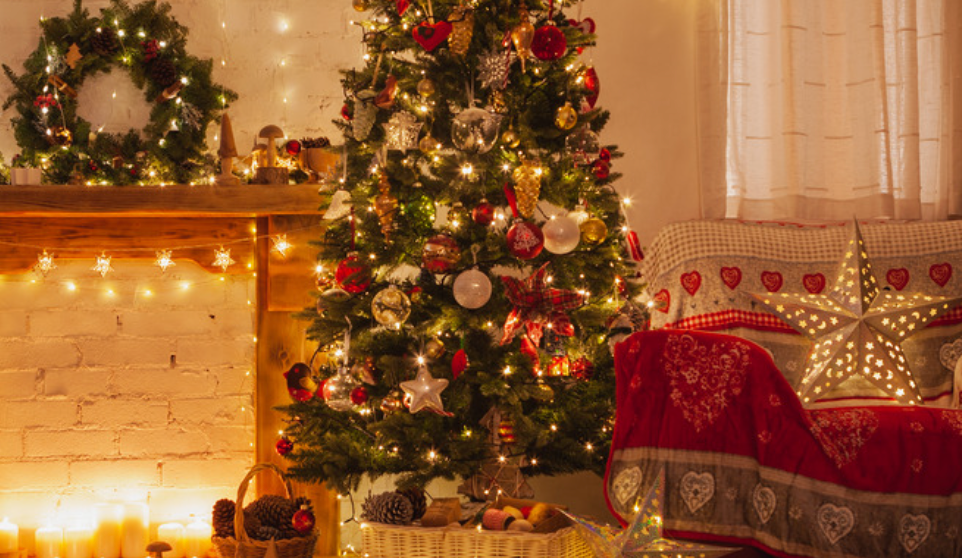
Lighting sells because it changes a room instantly. It’s the fastest transformation product.
1) LED is now expected, not optional
Most customers assume:
- low heat
- brighter output
- better energy use
- longer life
So LED has become the baseline for serious displays.
2) Smart control is becoming mainstream
Smart doesn’t always mean “apps only.”
Many customers prefer:
- remote control
- simple timer settings
- mode buttons (steady, twinkle, wave)
- memory function (keeps last mode)
The keyword is convenience.
3) Scene-style lighting is growing
People want mood options:
- warm cozy glow for evenings
- brighter festive mode for parties
- slow twinkle mode for photos
So lighting is shifting from “on/off” to “experience control.”
4) Safety and outdoor suitability still decide returns
Smart features don’t matter if:
- connectors feel weak
- wires break easily
- outdoor units fail in rain
- instructions confuse customers
So retailers should prioritize:
- stable connectors
- clean waterproof design where needed
- clear instructions
LED + smart trend table
| Feature trend | Why customers like it | Retail benefit |
|---|---|---|
| remote/timer | easy daily use | fewer complaints |
| mode memory | no re-setting | better reviews |
| scene effects | premium feel | higher perceived value |
| low heat LED | safer décor | reduces risk |
If you want an easy merchandising phrase, try one switch, many moods.
The Growing Demand for Luxury and Personalized Christmas Decor
Consumers are treating Christmas like a “home experience upgrade.” Luxury isn’t only gold and glitter anymore—it’s cohesion and personal meaning.
Luxury and personalized décor are growing because shoppers want their homes to feel curated and unique. Premium looks come from coordinated color themes, high-quality textures, and personalized pieces (names, initials, custom ornaments) that make the display feel special rather than generic.

Here’s what luxury looks like in 2026:
Not “more.”
More intentional.
1) Coordinated themes are replacing random décor
More customers now buy by theme:
- warm white + champagne gold
- classic red + green (but cleaner, less plastic)
- Nordic neutral (white, wood, soft grey)
- modern black + gold accents (premium vibe)
A coordinated theme makes even affordable products look expensive.
2) Texture is the new luxury signal
Premium décor often uses:
- velvet feel
- matte finishes (less shiny plastic)
- woven patterns
- frosted or snow-dusted effects
Shoppers want decorations that look good up close, not only from far away.
3) Personalization is becoming a “must-have gift”
Personalized items sell because they feel:
- meaningful
- giftable
- unique
- “I chose this for you”
Popular personalization directions:
- name ornaments
- initial letters
- family year tags
- small custom plaques
4) Luxury also means “storage-friendly”
Customers love premium products that store well:
- less tangling
- better boxes
- structured packing
This is quietly driving repeat purchases.
Luxury trend table
| Luxury signal | What it looks like in stores |
|---|---|
| coordinated theme | full shelf story, not random SKUs |
| high-quality texture | matte, velvet, frosted finishes |
| personalization | name/initial items |
| premium usability | easy storage and setup |
If you’re a retailer, you can treat personalization as a “high margin small item” category that supports gifting.
How Retailers Can Prepare for Christmas Decoration Trends in 2026
Preparation is the advantage. The best retailers don’t just buy products—they build collections and plan timing.
Retailers can prepare by building theme-based collections, prioritizing durable LED products, offering personalization options, improving packaging and QC to reduce returns, and using flexible MOQ test orders early to forecast winners.
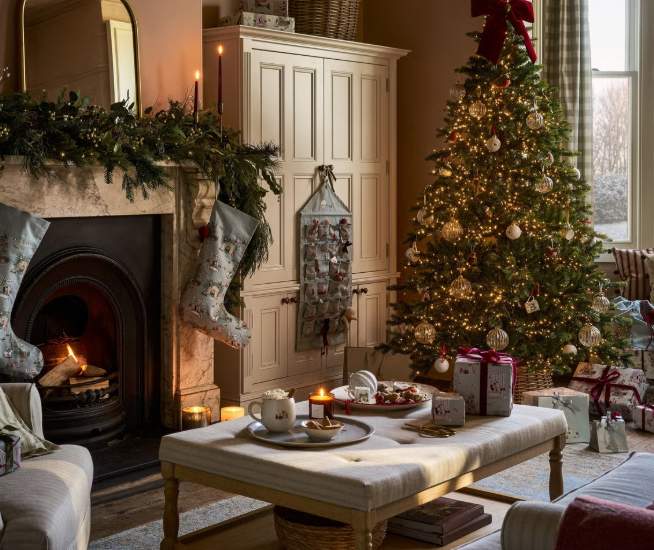
Here’s the strategy I’d use if I were running a retail buying plan.
1) Build 3–4 clear themes (don’t do everything)
Examples:
- Cozy warm neutral
- Classic red/green (clean style)
- Luxury gold/champagne
- Modern minimal (black/white + warm light)
Themes make merchandising easy and help customers buy multiple items.
2) Choose “hero products” for each theme
For each theme, pick:
- one hero lighting item (tree lights, garland lights, outdoor lights)
- one hero décor item (tree topper, wreath, centerpiece)
- a few add-ons (ornaments, small accessories)
This creates a clean ladder:
entry → mid → premium.
3) Test early with flexible MOQ
If you can:
- test smaller quantities early
- track sell-through
- reorder winners fast
This reduces dead stock risk.
4) Lock quality and packaging early
Holiday returns can be brutal.
Check:
- wire durability
- connector strength
- battery box sealing (if used)
- carton protection (prevent crush damage)
- clear instructions
Packaging is part of product success.
5) Use a simple demand forecast plan
Retailers often win by planning:
- early-season premium drops
- mid-season restock speed
- late-season fast movers and clearance
Retail preparation table
| Action | Why it matters |
|---|---|
| theme collections | better shelf story |
| LED + smart focus | stronger value perception |
| personalization | gifting demand |
| QC + packaging discipline | fewer returns |
| early MOQ testing | lower risk, faster response |
If you want, I can create a ready-to-send Christmas RFQ checklist covering LED specs, packaging, and repeat-order control.
Conclusion
In 2026, Christmas décor wins through sustainable reuse, smarter LED control, luxury cohesion, and personal touches—retailers who build theme collections early will sell more with less waste.