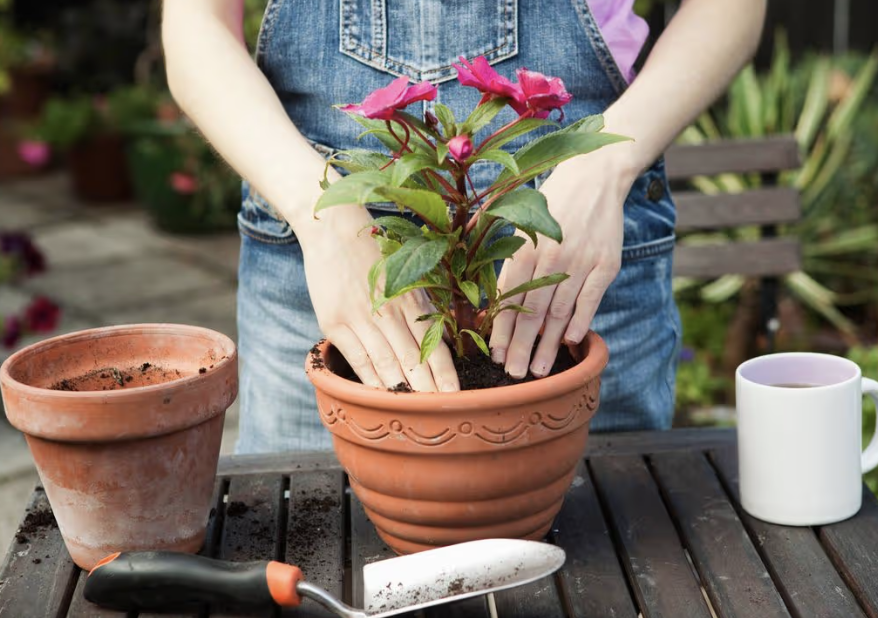
I used to think unhealthy plants needed more water. Sometimes, the real problem was the flower pot quietly keeping their roots wet for too long.
Common flower pot mistakes include poor drainage, choosing the wrong size, ignoring material differences, and delaying repotting. These problems can cause root rot, slow growth, dehydration, and plant death.
A healthy plant needs the right container as much as it needs light, soil, and water.
Why Drainage Problems Lead to Root Rot
Drainage is one of the most important parts of container gardening, yet it is often ignored because it cannot be seen from above.
Poor drainage leaves roots sitting in wet soil, reducing the oxygen they need to survive. Over time, waterlogged conditions encourage root decay, fungal growth, and root rot.
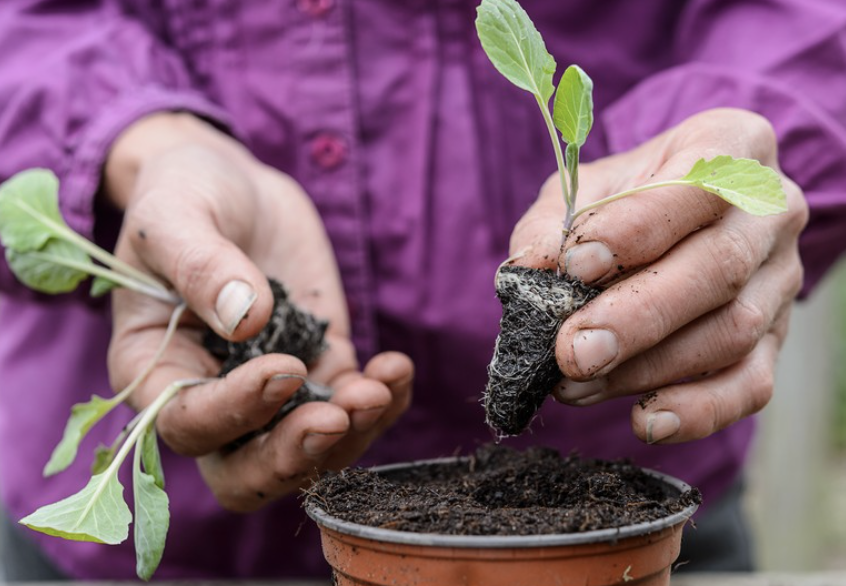
Plants need water, but their roots also need air.
In healthy potting soil, small spaces between particles hold both moisture and oxygen. When excess water cannot escape, these spaces remain filled with water.
The roots slowly lose access to oxygen.
Once roots become stressed or damaged, they cannot absorb water and nutrients properly. This creates a confusing situation: the soil is wet, but the plant may still wilt because its damaged roots cannot function.
Using pots without drainage holes
One of the most common mistakes is planting directly into a decorative flower pot with no drainage hole.
These pots may look clean and attractive, but every watering adds more moisture to the bottom.
Unless the gardener carefully removes all excess water, the root zone may remain wet for days.
A safer approach is to:
- keep the plant inside a nursery pot with drainage holes;
- place the nursery pot inside the decorative cover pot;
- remove it for watering;
- allow excess water to drain before returning it.
This gives the appearance of a decorative pot without sacrificing root health.
Blocking the drainage holes
A pot may have drainage holes but still drain badly.
Common causes include:
- compacted soil;
- thick roots covering the holes[^1];
- the pot sitting flat against a solid surface;
- decorative liners blocking water flow;
- soil or debris collecting in the openings.
Outdoor pots may also become blocked by leaves, mud, or insects.
Raising the pot slightly with feet or spacers can help water escape more easily[^2].
Leaving water in saucers
Saucers protect floors and furniture, but they should not become permanent water reservoirs unless the plant specifically benefits from bottom watering.
After watering, empty the saucer once drainage has finished.
If the pot remains in standing water, the soil can absorb it again through the drainage holes.
This keeps the lower roots wet for too long.
Adding stones does not replace drainage holes
A layer of stones at the bottom of a pot is often recommended as a drainage solution.
However, stones do not create an exit for water.
They may reduce the amount of soil in the pot, but excess water can still collect above or between them.
Good drainage depends on:
- open drainage holes;
- suitable potting mix;
- correct watering frequency;
- airflow around the container.
Signs of drainage-related root problems
Look for:
- yellow leaves;
- soft or dark stems;
- wilting despite wet soil;
- slow growth;
- black, brown, or mushy roots;
- unpleasant smells from the soil;
- fungus gnats;
- mould on the surface.
When root rot is discovered, the plant should be removed from the wet soil. Damaged roots may need to be trimmed before the plant is placed into fresh, well-draining potting mix.
| Drainage mistake | Effect on the plant | Practical solution |
|---|---|---|
| No drainage holes | Water collects in the base | Use an inner nursery pot |
| Blocked drainage holes | Soil stays wet | Clear holes and raise the pot |
| Water left in saucer | Roots reabsorb excess water | Empty the saucer |
| Dense garden soil | Poor airflow and slow drainage | Use suitable potting mix |
| Watering on a fixed schedule | Moist soil receives more water | Check soil before watering |
My simplest rule is water must always have somewhere to go.
Choosing the Right Flower Pot Size for Healthy Growth
A pot should provide room for roots without surrounding a small plant with a large volume of slowly drying soil.
A pot that is too small restricts root growth and dries quickly, while a pot that is too large may stay wet and cause root problems. Most plants should move up only one pot size at a time.
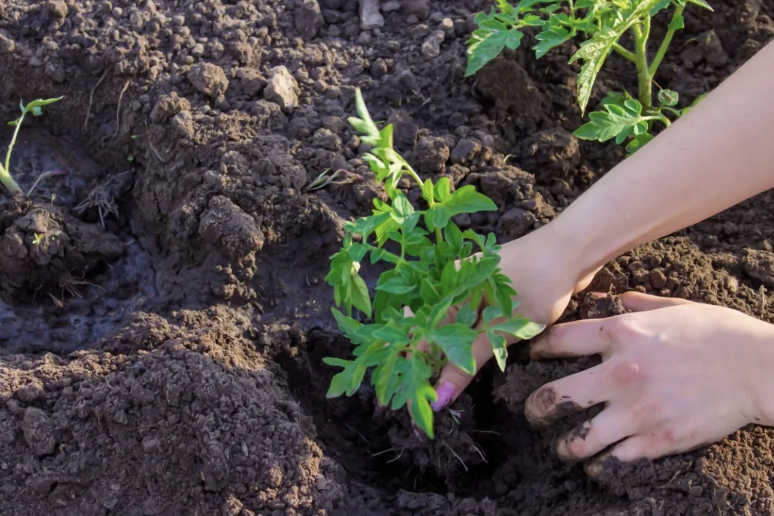
Many gardeners choose pots according to appearance.
They find a beautiful large planter and place a small plant inside it, expecting the plant to grow into the space.
Unfortunately, this can make watering difficult.
Why oversized pots can harm plants
A small root system can absorb only a limited amount of water.
When it is surrounded by a large volume of wet soil, the unused area may remain damp long after the plant has taken what it needs.
This increases the risk of:
- root rot;
- fungus gnats;
- soil compaction;
- fungal growth;
- weak root development.
The problem is especially common with:
- succulents;
- cacti;
- orchids;
- young houseplants;
- plants growing in low light.
These plants either need less water or use it slowly.
Why undersized pots also cause problems
A small pot contains less soil and dries quickly.
The roots may begin circling the container, creating a dense root ball that struggles to absorb water evenly.
A root-bound plant may show:
- roots growing through drainage holes;
- soil drying within a day;
- water flowing straight through;
- slow or distorted growth;
- reduced flowering;
- a top-heavy or unstable shape.
Small pots can also become very hot in direct sunlight, stressing the roots.
How much larger should the next pot be?
For many indoor plants, the new pot should be approximately 2–5 cm wider than the existing pot or root ball[^3].
For larger plants, an increase of 5–10 cm may be suitable.
The increase should depend on:
- [plant size;
- growth speed;
- root structure;
- potting mix;
- indoor or outdoor location;
- watering habits](https://extension.uga.edu/content/dam/extension-county-offices/clarke-county/ag-newsletters/Shades%20of%20Green%20April%202024.pdf)[^4].
Succulents and orchids usually need only a small increase.
Fast-growing vegetables or outdoor shrubs may need more soil volume, but the pot should still match the mature plant and its watering needs.
Pot depth must match root type
Diameter is not the only measurement that matters.
Plants with deep taproots need taller containers. Plants with shallow or spreading roots may grow better in wider, shallower pots.
Examples include:
| Plant type | Suitable pot shape | Main reason |
|---|---|---|
| Succulents | Shallow, close-fitting pot | Reduces wet soil |
| Herbs | Medium-depth pot | Supports moderate root growth |
| Mint | Wide pot | Allows spreading roots |
| Carrots | Deep container | Supports long taproots |
| Tomatoes | Large, deep pot | Provides water and nutrient capacity |
| Small trees | Deep, stable planter | Supports roots and top growth |
Stability is part of correct sizing
A tall plant in a light, narrow pot may tip over.
Large foliage plants, shrubs, and small trees may require:
- a wider base;
- a heavier material;
- a lower centre of gravity;
- extra weight in the outer planter;
- protection from strong wind.
The right pot must support both the roots and the visible part of the plant.
A reliable buying rule is choose the next size, not the biggest size.
How Pot Materials Affect Plant Performance
Flower pot materials influence moisture loss, soil temperature, weight, durability, and how often a plant needs watering.
Terracotta dries quickly and suits plants that dislike wet soil, while plastic retains moisture for longer. Ceramic, metal, wood, and fabric pots each create different growing conditions.
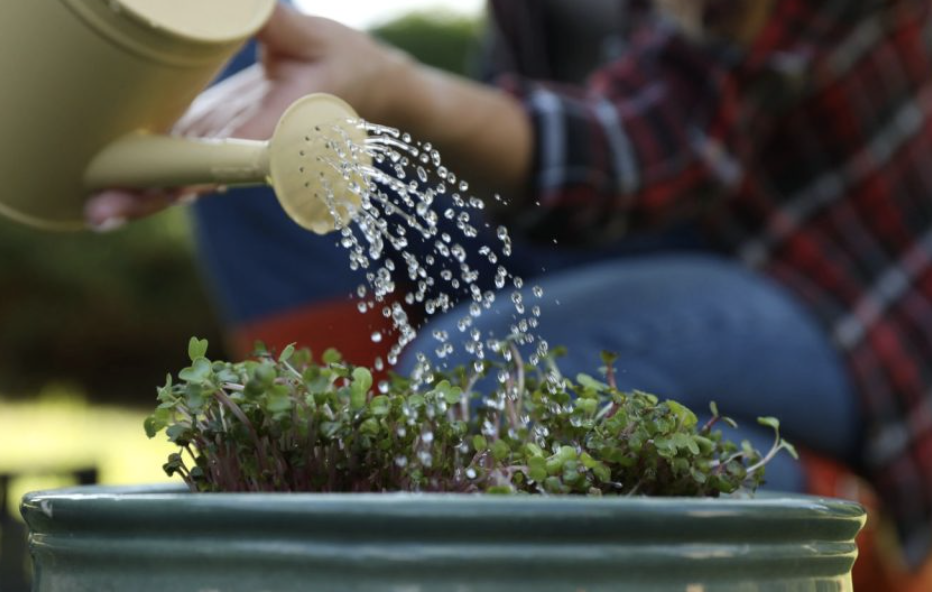
It is easy to treat pot material as a design choice.
In reality, changing the material can change the plant’s entire watering routine.
A plant growing well in plastic may dry too quickly after being moved into terracotta. A succulent struggling in a moisture-retaining pot may improve when moved into a more breathable container.
Terracotta pots
Unglazed terracotta is porous.
Moisture can move through the walls and evaporate, allowing the soil to dry faster.
Terracotta can be suitable for:
- succulents;
- cacti;
- Mediterranean herbs;
- plants sensitive to overwatering;
- gardeners who tend to water too often.
Its disadvantages include:
- frequent watering in hot weather;
- cracking in freezing conditions;
- mineral deposits on the surface;
- heavier weight than thin plastic;
- easy breakage during transport.
Terracotta pots should be monitored closely in sunny or windy locations because they may dry much faster than expected.
Plastic pots
Plastic retains moisture because water does not evaporate through the pot walls.
It is usually:
- lightweight;
- affordable;
- easy to move;
- available in many sizes;
- suitable for hanging and balcony use.
Plastic pots can work well for plants that prefer consistently moist soil.
However, dark plastic may become hot in direct sunlight. Low-quality plastic may also fade or become brittle outdoors.
Retailers and gardeners should look for UV-stabilised materials when the pot will remain outside.
Glazed ceramic pots
Glazed ceramic pots offer decorative colour and a less porous surface than unglazed terracotta.
They retain more moisture and are often heavier, providing stability for larger indoor plants.
The main concerns are:
- missing drainage holes;
- heavy weight;
- breakage;
- cracks caused by freezing;
- difficult handling when filled with wet soil.
A decorative glazed pot without drainage is best used as a cover pot.
Metal planters
Metal planters create a modern appearance and can be strong, but metal conducts heat quickly.
In full sun, the pot and soil may become very hot. In cold weather, root temperatures may also fall rapidly.
Other risks include:
- corrosion;
- damaged coatings;
- sharp edges;
- poor drainage;
- heat stress.
Metal planters often perform better with an internal liner or separate planting pot.
Wooden planters
Wood provides a natural appearance and some insulation against temperature changes.
It can work well for:
- raised beds;
- vegetable planters;
- large patio containers;
- long troughs.
Wood must be suitable for outdoor use and protected from constant moisture.
Potential problems include:
- rot;
- mould;
- warping;
- loose joints;
- chemical concerns from unsuitable treatments.
A liner may extend the planter’s service life, but it should still allow drainage.
Fabric grow bags
Fabric containers allow air to reach the root zone.
As roots reach the sides, exposure to air can encourage branching rather than continuous circling.
Grow bags are popular for:
- tomatoes;
- potatoes;
- peppers;
- balcony vegetables;
- temporary growing spaces.
They drain quickly, so plants may need more frequent watering during hot weather.
Low-quality fabric handles may also fail once the bag is filled with wet soil.
Self-watering and composite pots
Self-watering containers retain water in a lower reservoir and deliver it gradually to the roots.
These can help busy gardeners, but incorrect use may still create waterlogging.
Composite materials can combine low weight with stone, concrete, or clay-like appearances.
Their performance depends on:
- wall thickness;
- UV resistance;
- impact strength;
- drainage design;
- material quality.
| Pot material | Moisture behaviour | Best suited to | Main risk |
|---|---|---|---|
| Terracotta | Dries quickly | Succulents and herbs | Fast dehydration |
| Plastic | Retains moisture | General houseplants | Heat and poor UV resistance |
| Glazed ceramic | Retains moisture | Decorative indoor planting | No drainage |
| Metal | Temperature changes quickly | Decorative outer planters | Root overheating |
| Wood | Moderate insulation | Raised beds and large planters | Rot |
| Fabric | Very fast drainage and airflow | Vegetables | Frequent watering |
| Self-watering plastic | Stores water | Busy gardeners | Incorrect reservoir use |
The best material is the one that matches the plant and the gardener’s normal watering habits.
When It’s Time to Repot Your Plants
Keeping a plant in the same pot for too long can restrict roots, exhaust the soil, and make watering increasingly difficult.
Repot when roots circle the container, grow through drainage holes, or cause the soil to dry unusually fast. Use a fresh potting mix and move up only one container size.
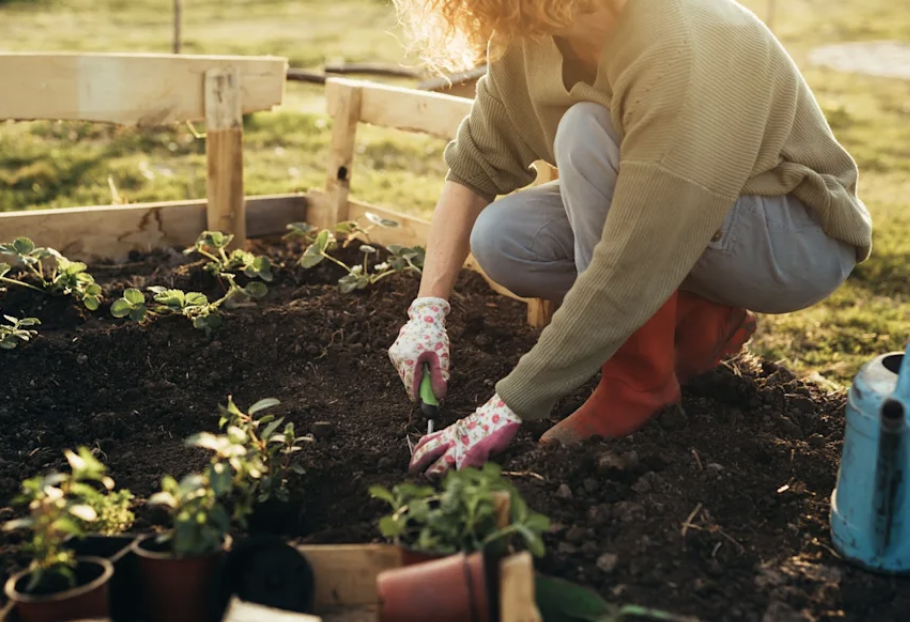
Repotting is not something that must happen every year for every plant.
Some plants grow quickly and need regular changes. Others prefer remaining slightly root-bound and may stay in the same container for several years.
The goal is to respond to the plant rather than follow a strict calendar.
Signs that repotting is overdue
Common warning signs include:
- roots growing from drainage holes;
- a dense circle of roots around the pot;
- the root ball pushing above the rim;
- water running through immediately;
- soil drying much faster than before;
- reduced growth during the active season;
- the plant becoming unstable;
- cracked or distorted pots;
- soil that has become compacted and difficult to wet.
Sometimes, a plant does not need a larger pot but still needs fresh soil.
Old potting mix may:
- lose structure;
- become compacted;
- drain poorly;
- contain accumulated mineral salts;
- provide fewer nutrients.
Do not repot only because a plant looks unhealthy
Wilting, yellowing, or leaf drop can also be caused by[^5]:
- incorrect watering;
- insufficient light;
- excessive direct sunlight;
- pests;
- temperature stress;
- fertiliser problems.
Moving a stressed plant into a much larger container may make the original problem worse.[^6]
Check the root ball before deciding.
Choosing the new container
The new pot should normally be:
- clean;
- fitted with drainage holes;
- one size larger;
- suitable for the root type;
- stable enough for the plant;
- made from a material appropriate for the growing location.
For most small or medium plants, moving up by 2–5 cm in diameter is enough.
How to repot without damaging the plant
Step 1: Prepare the materials
Have the new pot, fresh potting mix, gloves, and clean cutting tools ready.
Use a soil mix suitable for the plant. Cacti, orchids, indoor foliage plants, and vegetables have different drainage and nutrient requirements.
Step 2: Remove the plant gently
Hold the plant near the base and slide the root ball out.
Do not pull strongly on the stems.
If the pot is flexible, squeeze the sides. If roots are growing through the bottom, carefully loosen or trim them rather than pulling.
Step 3: Inspect the root system
Healthy roots are generally firm.
Remove roots that are:
- black;
- mushy;
- badly damaged;
- unpleasant-smelling.
Loosen tightly circling roots gently so they can grow into the fresh soil.
Step 4: Position the plant correctly
Add some potting mix to the bottom and place the plant at approximately the same depth as before.
Avoid burying the stem or crown too deeply.[^7]
Fill the gaps around the root ball and press the soil lightly. Heavy compaction reduces airflow.[^8]
Step 5: Water and monitor
Water thoroughly and allow excess moisture to drain.
After repotting, monitor the plant for:
- wilting;
- delayed drainage;
- excessive moisture;
- leaf stress;
- unstable positioning.
Some temporary stress is normal, but persistent decline may indicate damaged roots, unsuitable soil, or overwatering.
When not to increase pot size
A larger pot may not be necessary when:
- the plant has only a few healthy roots;
- root rot has reduced the root system;
- the current pot still has open soil space;
- the plant is naturally slow-growing;
- the problem is caused by poor soil rather than crowding.
After severe root rot, a plant may actually need a smaller pot because its remaining roots cannot manage a large volume of wet soil.
| Repotting situation | Best response |
|---|---|
| Healthy roots fill the pot | Move up one size |
| Roots are severely rotten | Trim damage and consider a smaller pot |
| Soil is compacted but roots have space | Replace soil without major upsizing |
| Plant is top-heavy | Choose a slightly larger, more stable pot |
| Decorative pot lacks drainage | Keep plant in a nursery pot |
| Repotting during flowering | Delay unless urgently needed |
My preferred rule is repot because the roots need it, not because the calendar says so.
Conclusion
Healthy container plants need open drainage, an appropriately sized pot, a suitable material, and timely repotting before roots become severely crowded.
[^1]: "Repotting Basics – CAES Field Report – University of Georgia", https://fieldreport.caes.uga.edu/publications/C1240/repotting-basics/. Horticultural extension guidance describes root-bound container plants as having dense root masses that can restrict water movement through the potting medium and drainage openings, supporting the claim that roots may impair drainage. Evidence role: mechanism; source type: education. Supports: Thick roots can cover drainage holes and contribute to poor drainage in plant pots.. Scope note: The source would support the mechanism generally for container plants rather than proving that every root-bound pot blocks drainage holes.
[^2]: "Container Drainage Options | Container Gardens | Illinois", https://extension.illinois.edu/container-gardens/container-drainage-options. University extension guidance on container gardening notes that containers require unobstructed drainage and are often improved by keeping drainage holes clear of contact with surfaces, supporting the practice of elevating pots to maintain water outflow. Evidence role: expert_consensus; source type: education. Supports: Raising a pot slightly with feet or spacers can improve drainage by preventing the drainage holes from being blocked against a flat surface.. Scope note: The support is contextual horticultural guidance; it may not quantify the drainage improvement from feet or spacers in controlled tests.
[^3]: "Spring into houseplant care | UMN Extension", https://extension.umn.edu/yard-and-garden-news/spring-houseplant-care. Horticultural extension guidance commonly recommends moving houseplants into only a slightly larger container when repotting, supporting the principle that modest pot-size increases are preferable to large jumps. Evidence role: expert_consensus; source type: education. Supports: For many indoor plants, the new pot should be approximately 2–5 cm wider than the existing pot or root ball.. Scope note: The source may express the recommendation in inches or as one pot size larger rather than the exact 2–5 cm range.
[^4]: "[PDF] Shades of Green – UGA Cooperative Extension", https://extension.uga.edu/content/dam/extension-county-offices/clarke-county/ag-newsletters/Shades%20of%20Green%20April%202024.pdf. University extension materials on container gardening and houseplant care describe container choice and repotting as dependent on plant growth, root development, growing medium, location, and irrigation conditions, providing contextual support for these listed factors. Evidence role: general_support; source type: education. Supports: The appropriate increase in pot size should depend on plant size, growth speed, root structure, potting mix, indoor or outdoor location, and watering habits.. Scope note: Such sources typically discuss these variables across container culture broadly and may not validate every listed factor as an independent determinant of pot-size increase.
[^5]: "Hibiscus | UMN Extension", https://extension.umn.edu/houseplants/hibiscus. University extension guidance describes wilting, chlorosis/yellowing, and leaf drop as non-specific plant stress symptoms that may arise from watering, light, pests, temperature, or nutrient-related problems, supporting the need for differential diagnosis before assuming a single cause. Evidence role: expert_consensus; source type: education. Supports: Wilting, yellowing, or leaf drop can be caused by multiple environmental, pest, and care-related factors.. Scope note: The support is general horticultural guidance rather than evidence about a specific plant species or case.
[^6]: "Winter houseplant tips | UMN Extension", https://extension.umn.edu/news/winter-houseplant-tips. Extension horticulture sources caution that oversized containers can retain excess moisture around roots and increase the risk of root stress or rot, which supports the warning that repotting a stressed plant into a much larger pot may aggravate rather than resolve the problem. Evidence role: mechanism; source type: education. Supports: Moving a stressed plant into a much larger container may worsen the original plant problem.. Scope note: This evidence explains a common mechanism and risk; it does not prove that every stressed plant will decline after being moved to a larger container.
[^7]: "Growing asparagus in home gardens | UMN Extension", https://extension.umn.edu/vegetables/growing-asparagus. University extension guidance on container plant transplanting commonly advises setting plants at the same depth as in the original container and keeping the crown above the soil line to reduce stress and decay risk. Evidence role: expert_consensus; source type: education. Supports: Plants should not have their stem or crown buried too deeply when repotted.. Scope note: This supports the general horticultural practice, but exact planting depth can vary by species.
[^8]: "Effects of Soil Compaction – Penn State Extension", https://extension.psu.edu/effects-of-soil-compaction/. Soil science references describe compaction as reducing pore space, which limits air movement and gas exchange in soil; this provides the mechanism behind avoiding firm packing of potting mix. Evidence role: mechanism; source type: education. Supports: Heavy compaction of soil or potting mix reduces airflow around plant roots.. Scope note: Most soil-compaction literature addresses field soils, but the pore-space mechanism is also relevant to container media.