When I first started gardening, I thought I needed a shed full of tools. I didn’t. I needed a few good basics that made the work feel easy.
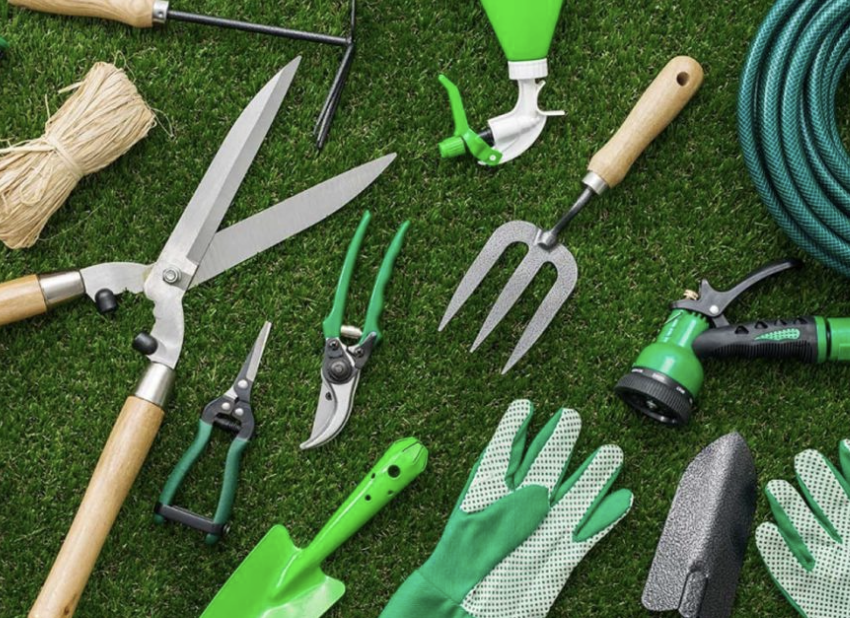
Beginner gardeners only need a small toolkit: a hand trowel, hand fork, pruners, gloves, a weeder, and a simple watering tool. Start small, choose comfortable tools, and add more only when your garden actually demands it.
Let’s build your first tool kit without wasting money.
Understanding the Basic Gardening Tools for Beginners
Gardening tools are just helpers for four main jobs: digging, cutting, watering, and tidying.
For beginners, basic tools fall into four groups: soil tools (dig and loosen), cutting tools (trim and harvest), watering tools (control moisture), and maintenance tools (weed and clean). If you cover these groups, you can handle most home garden tasks.
Here’s the beginner trap: buying tools by “coolness,” not by “daily use.”
So I like to start with the jobs you’ll do most often:
- planting in pots or beds
- loosening soil
- trimming dead leaves and stems
- pulling weeds
- watering regularly
If a tool doesn’t help one of those jobs, it’s probably not needed in week one.
The 4 tool categories (simple)
| Tool group | What it’s for | Beginner examples |
|---|---|---|
| soil tools | dig and loosen | trowel, hand fork |
| cutting tools | trim and harvest | pruners |
| watering tools | control water | watering can, nozzle |
| maintenance tools | weed and tidy | weeder, gloves |
If you build one small kit that covers these, you’ll feel confident fast.
Must-Have Hand Tools for Everyday Garden Tasks
Hand tools are the beginner’s best friends because they’re cheap, easy to store, and perfect for small gardens and pots.
The must-have hand tools for beginners are: a hand trowel for planting, a hand fork for loosening soil, pruning shears for clean cuts, gardening gloves for protection, and a weeding tool for removing roots. These five tools cover most daily garden work.
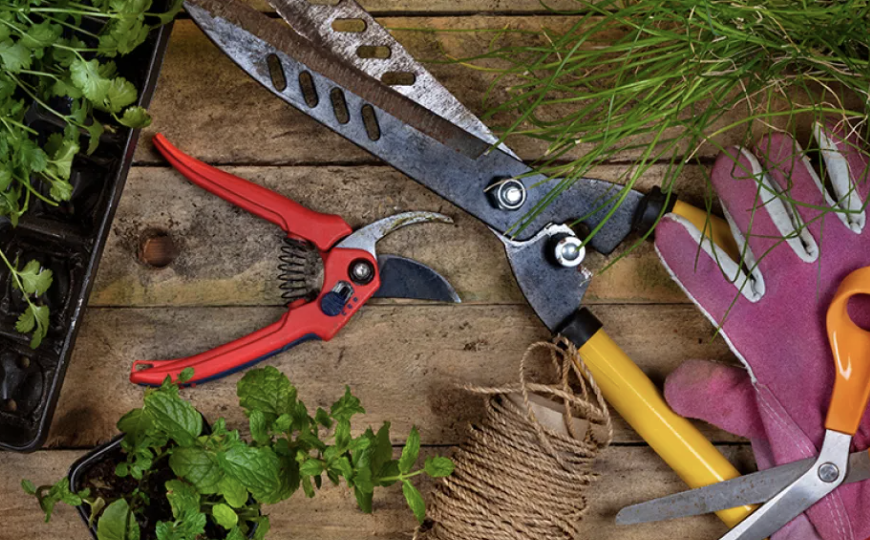
If I were gifting a beginner a tool set, it would be these.
1) Hand trowel (planting tool #1)
Use it for:
- planting seedlings
- digging small holes
- moving soil in pots
- mixing compost
Tip: choose one that feels solid and doesn’t flex.
Must-have Snippet: A good trowel makes planting easy and neat. If it bends, everything feels harder.
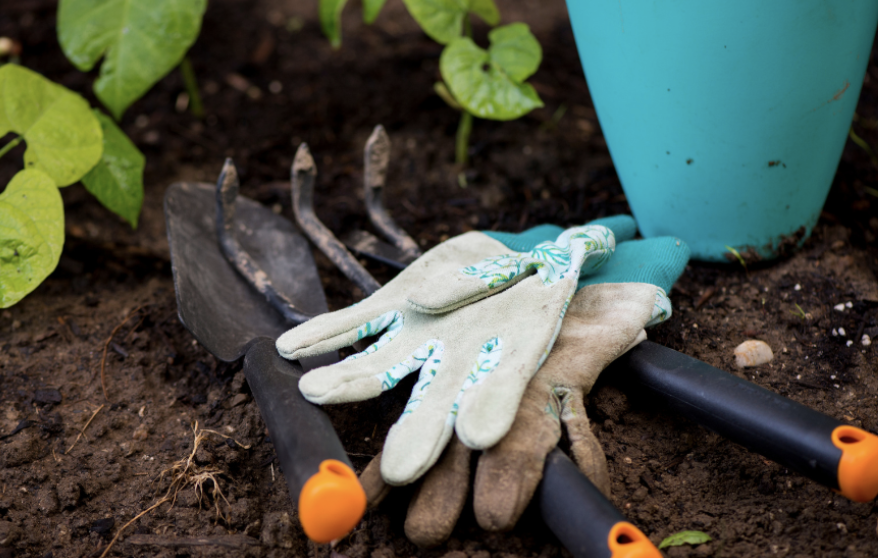
2) Hand fork / cultivator (soil loosening tool)
Use it for:
- breaking soil clumps
- mixing compost
- loosening soil around roots
Tip: it’s safer than a big shovel when you’re working close to plants.
3) Pruning shears (your “plant health” tool)
Use it for:
- cutting dead stems
- harvesting herbs
- shaping plants
- trimming small branches
Tip: sharp pruners make clean cuts. Dull ones crush stems.
4) Gardening gloves (comfort tool)
Use them for:
- thorns and rough stems
- better grip
- avoiding blisters
Tip: gloves that fit well feel like a superpower.
5) Weeding tool (root remover)
Use it for:
- pulling weeds from the root[^1]
- cleaning cracks between stones
- removing stubborn weeds near plant bases
Tip: weeds are easiest when the soil is slightly moist[^2].
Beginner hand tools table
| Tool | What it helps you do | Why beginners love it |
|---|---|---|
| trowel | plant and dig | simple and essential |
| hand fork | loosen soil | fast soil improvement |
| pruners | trim and harvest | cleaner, healthier plants |
| gloves | protect hands | less fear, more confidence |
| weeder | remove roots | fewer weeds returning |
If you want a simple “buying rule,” use this: choose tools you’ll use weekly.
Watering and Maintenance Equipment Every New Gardener Needs
Plants don’t die from lack of love. They die from inconsistent watering and ignored small problems.
New gardeners need a simple watering tool (watering can or adjustable hose nozzle), a small spray bottle for delicate plants, and basic maintenance helpers like a bucket, soft brush, and plant ties. These keep watering consistent and plants supported.
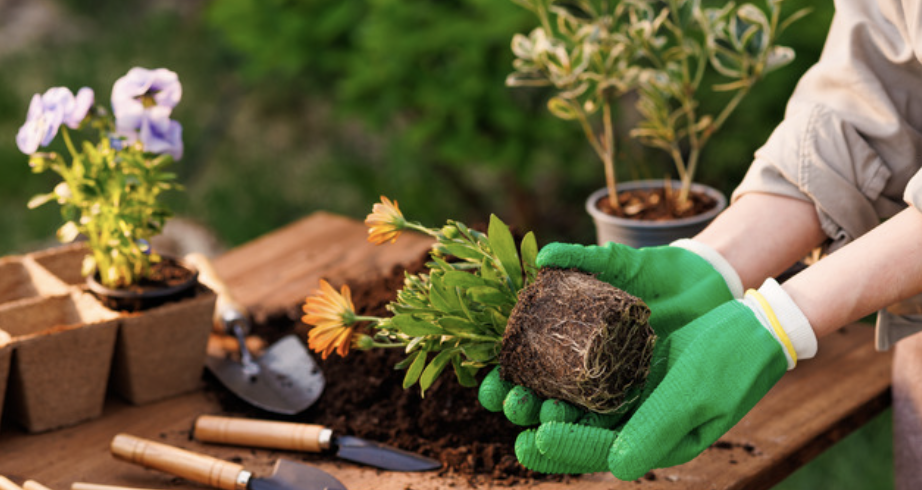
This is where beginners struggle most: watering.
Too much water, too little water, wrong timing—plants suffer quietly until they suddenly look sad.
1) Watering can (best for pots and small gardens)
A watering can gives control:
- gentle watering for seedlings
- targeted watering for pots
- less soil splash
Tip: choose one with a comfortable handle and a smooth spout.
2) Adjustable hose nozzle (best for larger gardens)
A nozzle is useful because it can do:
- soft shower for beds[^3]
- stronger stream for cleaning[^4]
- controlled watering without flooding
Tip: avoid nozzles that leak or feel flimsy. They become annoying fast.
3) Plant ties and small supports (beginner lifesaver)
Climbers and tall plants need support early.
Simple ties help:
- prevent bending and snapping
- guide growth
- keep the garden tidy
4) A small bucket or tub (the underrated tool)
Use it for:
- carrying soil
- mixing compost
- holding weeds and leaves
A bucket makes work feel organized.
Watering and maintenance table
| Item | Best for | Why it matters |
|---|---|---|
| watering can | pots, seedlings | gentle control |
| hose nozzle | larger areas | flexible spray options |
| plant ties | climbers, tall plants | prevents breakage |
| bucket | cleanup and carrying | keeps you organized |
| soft brush | pots and tools | quick maintenance |
If you want to keep it beginner-friendly, start with one watering tool + one support tool.
Expanding Your Tool Collection as Your Garden Grows
As your garden grows, you’ll feel “pain points.” Those pain points tell you which tools to buy next.
Expand your tool collection based on what you do more often: add a rake if you manage leaves, a spade if you dig beds, long-handle tools if your back hurts, and a kneeling pad if knees get sore. Buy tools to solve real problems, not because they look useful.
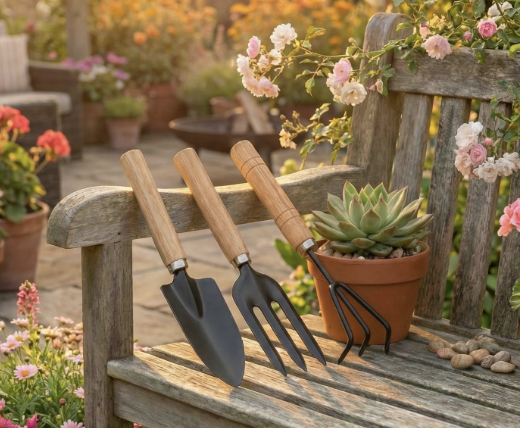
Here’s my favorite way to upgrade tools:
Don’t buy “future tools.” Buy “next tools.”
1) If you start planting in garden beds
Add:
- a small spade or shovel
- a garden rake for leveling and tidying
2) If weeds become a weekly battle
Add:
- a stronger long-handle weeder
- mulch tools (optional)
But honestly, the best weed strategy is consistency[^5]: small weeding often beats big weeding rarely[^6].
3) If you garden longer and your body complains
Add comfort tools:
- kneeling pad
- kneeler
- ergonomic handles
This is not luxury. It’s what keeps gardening enjoyable.
4) If you grow climbing plants
Add:
- trellis or plant supports[^7]
- stronger ties and clips
Vertical growth makes small gardens look bigger[^8], so this is a fun upgrade.
5) If you start composting
Add:
- compost bin tools (simple)
- a fork or mixing tool
- a small shovel for moving compost
Expansion table (buy based on pain points)
| Your new garden “pain point” | Next tool to add | Why |
|---|---|---|
| too many leaves | rake | fast cleanup |
| digging feels hard | spade/shovel | stronger soil work |
| knees hurt | kneeling pad | comfort and longer sessions |
| weeds keep returning | long-handle weeder | easier removal |
| climbers need structure | trellis + ties | tidy vertical growth |
If you want to keep a clean plan, I like a simple tool upgrade ladder that grows with the garden.
Conclusion
Start with five basic hand tools and one watering tool—then expand only when your garden gives you a real reason.
[^1]: "Manage Weeds Without Chemicals in Maryland", https://extension.umd.edu/resource/manage-weeds-without-chemicals-maryland. University extension guidance on hand weeding notes that perennial weeds can regrow from remaining root or underground structures, supporting the practice of removing weeds as completely as possible from the root. Evidence role: mechanism; source type: education. Supports: The tool can be used for pulling weeds from the root.. Scope note: This supports the general weed-removal principle, not the effectiveness of any specific tool.
[^2]: "Manage Weeds Without Chemicals in Maryland", https://extension.umd.edu/resource/manage-weeds-without-chemicals-maryland. Gardening and extension sources commonly advise hand-pulling weeds after rainfall or watering because moist soil loosens around roots, making removal easier and more complete. Evidence role: expert_consensus; source type: education. Supports: Weeds are easiest to remove when the soil is slightly moist.. Scope note: The advice is general horticultural guidance and may vary with soil type, weed species, and root depth.
[^3]: "Watering the Vegetable Garden – Clemson HGIC", https://hgic.clemson.edu/factsheet/watering-the-vegetable-garden/. University extension guidance on garden watering commonly recommends gentle spray or shower-like watering for delicate plants and seedbeds to reduce soil disturbance and plant damage. Evidence role: expert_consensus; source type: education. Supports: A hose nozzle can provide a soft shower pattern suitable for watering garden beds.. Scope note: This supports the gardening rationale generally, but it does not evaluate every hose-nozzle model or spray setting.
[^4]: "Steam Turbines – Stanford", http://large.stanford.edu/courses/2007/ph210/glownia1/. Fluid-mechanics references describe nozzles as devices that accelerate fluid flow by converting pressure energy into kinetic energy, which explains how a narrowed nozzle setting can create a higher-velocity stream for rinsing or cleaning. Evidence role: mechanism; source type: education. Supports: A nozzle can produce a stronger water stream that is useful for cleaning.. Scope note: This is mechanism-level support; it does not directly measure cleaning performance for a specific consumer hose nozzle.
[^5]: "General Methods of Weed Management – UC IPM", https://ipm.ucanr.edu/agriculture/floriculture-and-ornamental-nurseries/general-methods-of-weed-management/. University extension guidance on weed management commonly emphasizes preventing weeds from establishing and reproducing through repeated, timely control rather than relying on occasional large interventions. Evidence role: expert_consensus; source type: education. Supports: The best weed strategy is consistency.. Scope note: This supports the general principle of consistent weed management, but it does not prove that consistency is always the single best strategy in every garden or crop system.
[^6]: "APPENDIX – Weed Management – 3.0 – UW-Madison Extension", https://fyi.extension.wisc.edu/pat/appendix-weed-management-3-0/. Extension weed-control resources note that weeds are easier to remove when young and that timely removal helps prevent competition and seed production, supporting the practice of frequent light weeding over delayed intensive weeding. Evidence role: mechanism; source type: education. Supports: Small, frequent weeding is generally more effective than infrequent large weeding sessions.. Scope note: The source would support the biological and management rationale, but the phrase “beats” is a practical interpretation rather than a directly measured universal comparison.
[^7]: "Creating Sustainable School and Home Gardens: Vertical Gardening", https://extension.usu.edu/utah4h/research/creating-sustainable-school-and-home-gardens-vertical-gardening. University extension guidance on vertical gardening describes trellises and similar structures as supports that allow suitable crops to be trained upward, which supports the article’s suggestion to add plant supports for vertical growth. Evidence role: mechanism; source type: education. Supports: Adding trellises or plant supports helps enable vertical growth in a garden.. Scope note: The evidence supports the gardening function of supports generally; it does not assess this specific upgrade list or every plant type.
[^8]: "Vertical Gardening Makes the Most of a Small Garden Footprint", https://lancaster.unl.edu/vertical-gardening-makes-most-small-garden-footprint/. Extension and horticultural guidance on vertical gardening commonly notes that growing plants upward can make more efficient use of limited garden space, providing contextual support for the claim that vertical growth improves the perceived or practical spaciousness of small gardens. Evidence role: general_support; source type: education. Supports: Vertical growth can make small gardens feel or function as if they have more space.. Scope note: This supports efficient use of small spaces more directly than the subjective visual claim that a garden “looks bigger.”