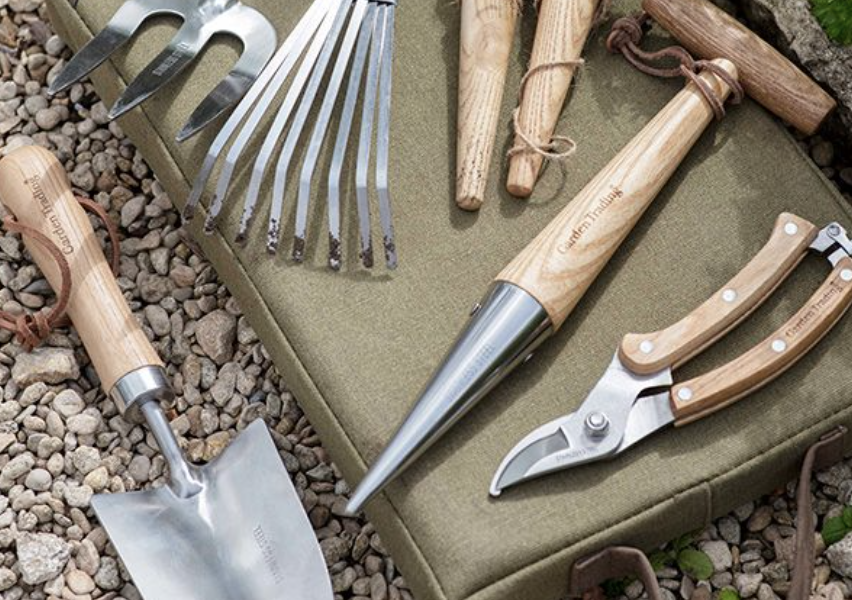
If you asked me to keep only one gardening tool, I’d keep my pruners. Everything in the garden feels easier when cutting is clean.
The most useful gardening tool for most people is a sharp pair of pruning shears. It handles daily jobs—trimming, deadheading, shaping, harvesting—and saves time by making clean cuts with less effort.
It’s the tool I reach for first, even before I put my gloves on.
Why Every Gardener Has a Favorite Tool
A favorite tool isn’t about brand names. It’s about trust—how a tool feels in your hand when the garden is messy and time is short.
Gardeners love one “go-to” tool because it fits their daily routine. A favorite tool is comfortable, reliable, and solves the most common tasks with the least effort—so it becomes part of the gardener’s habits.
I’ve noticed something funny: gardeners talk about tools the way people talk about coffee mugs.
Not the fanciest mug—just the one that feels right.
1) A favorite tool reduces decision fatigue
In the garden, there are a hundred little tasks:
- a rose needs trimming
- herbs need harvesting
- a branch is blocking sunlight
- a dead flower needs removing
When you have a favorite tool, you don’t think. You act.
2) A favorite tool makes gardening feel lighter
The garden should feel calming, not like a workout punishment.
A tool becomes “favorite” when it:
- doesn’t hurt your hand
- doesn’t jam
- doesn’t slip
- doesn’t make you fight
3) Familiar tools make you more confident
Beginners often avoid cutting because they’re scared to damage plants[^1].
A reliable tool gives confidence:
- you cut cleanly[^2]
- you see plants respond well
- you trust yourself more
And suddenly gardening becomes more fun.
Favorite tool table
| Why a tool becomes a favorite | What it changes |
|---|---|
| comfortable grip | you work longer |
| reliable performance | fewer breaks and frustrations |
| easy maintenance | you keep using it |
| solves many tasks | it stays in your hand |
If you want a simple way to describe it: one tool, many small wins.
The Most Commonly Chosen Essential Gardening Tools
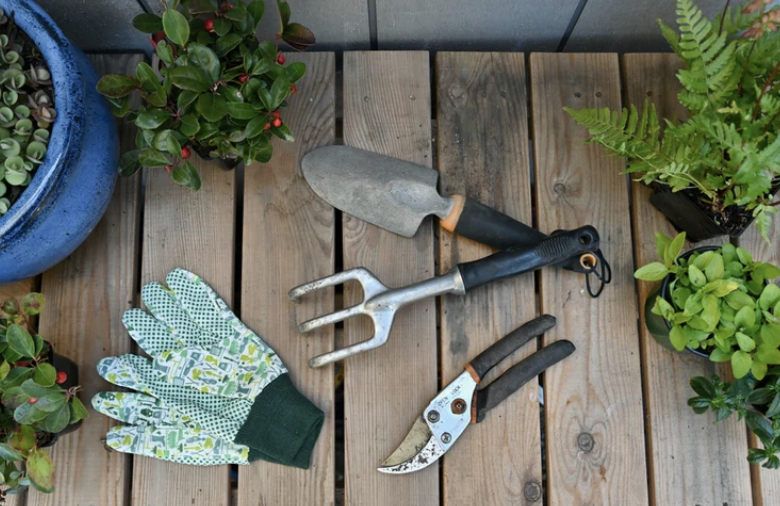
When I ask gardeners what they use most, the answers are surprisingly consistent—pruners, gloves, a trowel, and a weeder show up again and again.
The most commonly chosen essential tools are pruning shears, gardening gloves, a hand trowel, a hand fork/cultivator, and a weeding tool. These cover trimming, planting, soil work, and weed control—the everyday foundation of gardening.
Let me share the “real-life list” I see most often.
1) Pruning shears (my personal #1)
This tool handles:
- trimming stems
- shaping plants
- deadheading flowers[^3]
- harvesting herbs
- cutting small branches[^4]
It’s the daily work tool.
2) Gardening gloves
Not just protection—gloves give confidence and better grip.
Especially useful for:
- thorns
- rough stems
- wet soil
3) Hand trowel
Planting and potting without a trowel feels like eating soup with a fork.
4) Hand fork/cultivator
This tool makes soil work easier:
- loosening soil
- mixing compost
- breaking clumps
5) Weeding tool
The difference between pulling weeds forever and pulling weeds properly is root removal.
Common essentials table
| Tool | Why people choose it | Daily use example |
|---|---|---|
| pruners | clean cuts, fast work | trim and harvest |
| gloves | comfort and grip | weed without pain |
| trowel | planting control | potting and transplanting |
| hand fork | better soil | loosen around roots |
| weeder | less repeat weeds | remove root cleanly |
If you only want one “starter kit,” this set is a safe choice for almost any garden.
How the Right Tool Saves Time and Effort
A good tool doesn’t just make work faster—it reduces repeat work. That’s where the real time savings live.
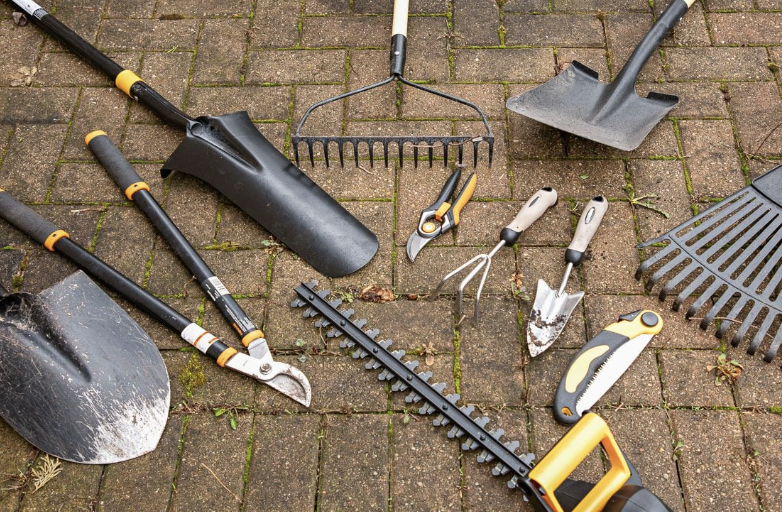
The right tool saves time by making clean, accurate work: pruners reduce plant damage, weeders remove roots so weeds return less, and ergonomic grips reduce fatigue so you take fewer breaks. Better tools also prevent mistakes that cause rework.
Here’s a story that’s painfully common.
Someone buys cheap pruners.
They crush stems instead of cutting cleanly.
The plant struggles.
They prune again.
They feel tired.
They prune less next time.
The garden becomes messy.
That’s not “saving money.” That’s buying stress.
1) Clean cuts reduce plant stress (and future problems)
Sharp pruners do:
- cleaner cuts
- less tearing
- faster healing
Plants look better, and you spend less time “fixing mistakes.”
2) Root removal reduces repeat weeds
A good weeding tool pulls the root, not just the top.
That means:
- fewer weeds returning next week
- less time repeating the same job
- more time enjoying the garden
3) Ergonomics saves energy
A tool that fits your hand reduces[^5]:
- wrist strain
- finger pressure
- fatigue
Less fatigue means[^6]:
- longer sessions
- better consistency
- fewer “I’ll do it tomorrow” delays
4) The right tool reduces “avoidance”
This is the sneaky one.
When a tool is annoying, you avoid the task.
When you avoid tasks, the garden becomes harder.
Then every job takes longer.
The right tool breaks that cycle.
Time-saving table
| Tool improvement | What it saves | Why it matters |
|---|---|---|
| sharp blades | time + plant health | fewer repeat cuts |
| root-focused weeding | time | fewer weeds return |
| ergonomic grip | energy | fewer breaks |
| strong build | stress | less tool failure |
If you want a simple message for customers: less effort, better results.
Choosing Gardening Tools That Match Your Gardening Style
The best tool depends on how you garden. A balcony gardener and a backyard gardener shouldn’t buy the same kit.
Choose tools that match your style: small-space gardeners need compact hand tools and gentle watering tools, while larger gardens benefit from long-handle tools and stronger digging tools. Comfort matters for everyone—choose grips and tool weight you enjoy using.
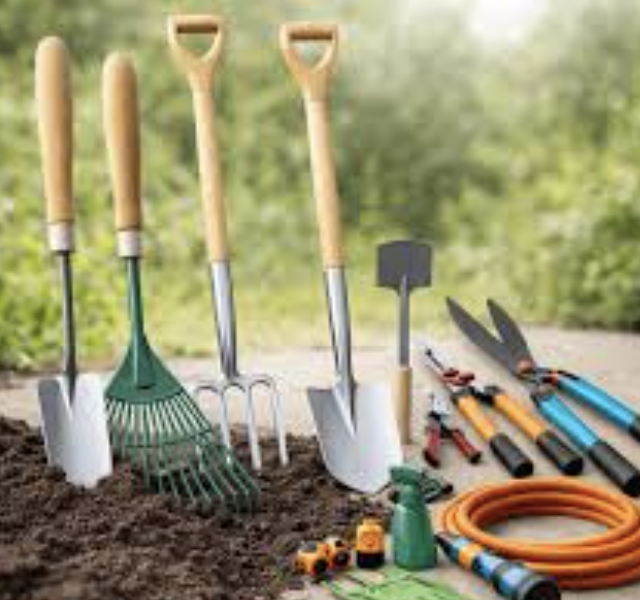
Here’s how I match tools to people—simple and practical.
1) Balcony or small patio gardener
Best tools:
- compact pruners
- hand trowel + hand fork
- slim weeder
- watering can or gentle nozzle
Focus:
- compact storage
- precise control
- light weight
2) Flower-focused gardener
Best tools:
- pruners for deadheading
- gloves for comfort
- small rake for tidy beds
Focus:
- clean cuts
- gentle handling
3) Vegetable and herb gardener
Best tools:
- soil knife or strong trowel
- hand fork for soil mixing
- weeder for root control
- watering control tools
Focus:
- soil health[^7]
- consistent watering[^8]
- weed prevention
4) “I want it neat” gardener
Best tools:
- pruners (shape and trim)
- edging tool (optional)
- rake for clean surfaces
Focus:
- quick tidying
Style matching table
| Gardening style | Best “most useful” tool | Why |
|---|---|---|
| small space | pruners | daily trimming and harvest |
| flowers | pruners | deadheading and shaping |
| vegetables | weeder or soil knife | root work and planting |
| tidy garden | rake + pruners | instant clean look |
If I had to pick one tool for most people, I still choose pruners—because plants grow constantly, and clean cuts solve so many small problems.
If you want a simple buying rule, use buy the tool you’ll use weekly.
Conclusion
My most useful tool is a sharp pair of pruners—because it saves time, keeps plants healthy, and makes gardening feel easy.
[^1]: "The Basics of Pruning Trees and Shrubs [fact sheet] – UNH Extension", https://extension.unh.edu/resource/basics-pruning-trees-and-shrubs-fact-sheet. Extension guidance on pruning commonly notes that improper cuts can injure plants or affect growth, which contextualizes why novice gardeners may fear causing damage when cutting plants. Evidence role: general_support; source type: education. Supports: Beginners often avoid cutting because they are afraid of damaging plants.. Scope note: This supports the plausibility of the concern rather than directly measuring beginner gardeners’ fear.
[^2]: "Pruning Tools | UC Marin Master Gardeners", https://ucanr.edu/site/uc-marin-master-gardeners/pruning-tools. University extension pruning guidance explains that sharp, appropriate pruning tools produce clean cuts and reduce tearing or unnecessary injury to plant tissue, supporting the practical value of reliable cutting tools. Evidence role: mechanism; source type: education. Supports: A reliable gardening cutting tool helps users make clean cuts.. Scope note: The source would support the mechanism of clean cuts, not the broader emotional claim that the tool increases confidence.
[^3]: "Enjoy More Flowers in Your Garden by Deadheading Regularly", https://extension.sdstate.edu/enjoy-more-flowers-your-garden-deadheading-regularly. University extension guidance describes deadheading as the removal of spent flowers by pinching or cutting, supporting the use of hand cutting tools for this routine flowering-plant maintenance task. Evidence role: general_support; source type: education. Supports: The tool can be used for deadheading flowers.. Scope note: This supports the gardening practice generally rather than proving the suitability of a specific unnamed tool.
[^4]: "The Basics of Pruning Tools | Nebraska Extension in Lancaster County", https://lancaster.unl.edu/basics-pruning-tools/. University extension and horticultural guidance commonly identifies hand pruners or secateurs as appropriate for cutting small woody stems and branches, supporting this use case within typical diameter limits. Evidence role: general_support; source type: education. Supports: The tool can be used for cutting small branches.. Scope note: The source should specify size or diameter limits; it will not support cutting all branches or heavy woody material.
[^5]: "[PDF] A Guide to Selecting Non-Powered Hand Tools – CDC", https://www.cdc.gov/niosh/docs/2004-164/pdfs/2004-164.pdf. Ergonomics literature describes fitting tools to the user as a way to reduce awkward wrist posture and excessive grip force, factors associated with upper-limb strain. Evidence role: expert_consensus; source type: government. Supports: A hand-fitting tool can reduce wrist strain, finger pressure, and fatigue.. Scope note: This supports the ergonomic mechanism generally; the degree of reduction depends on the specific tool design, task, and user.
[^6]: "Fatigue and Human Performance: An Updated Framework – PMC", https://pmc.ncbi.nlm.nih.gov/articles/PMC9807493/. Research on fatigue and performance indicates that fatigue can impair sustained task performance and consistency, providing contextual support for the idea that reducing fatigue may help maintain longer and more regular work sessions. Evidence role: general_support; source type: paper. Supports: Less fatigue can contribute to longer sessions, better consistency, and fewer delays.. Scope note: The source would support the fatigue-performance relationship in general, not directly prove the specific behavioral outcome of fewer postponements.
[^7]: "Soil Health | Natural Resources Conservation Service", https://www.nrcs.usda.gov/conservation-basics/soil/soil-health. Soil health is commonly defined by land-grant and conservation agencies as the continued capacity of soil to function as a living ecosystem that sustains plants, animals, and humans; this supports treating soil condition as a foundational gardening factor. Evidence role: definition; source type: government. Supports: Soil health should be a primary focus in gardening.. Scope note: This supports the general importance and definition of soil health, not a specific tool choice or crop outcome.
[^8]: "Irrigating (Watering) Your Vegetable Garden | Extension", https://extension.unr.edu/publication.aspx?PubID=3526. University extension guidance notes that irregular water availability can stress plants and reduce growth, flowering, or yield, supporting the emphasis on consistent watering as a general garden-management practice. Evidence role: general_support; source type: education. Supports: Consistent watering is important for maintaining healthy garden plants.. Scope note: The evidence is contextual because watering needs vary by species, soil type, weather, and growth stage.