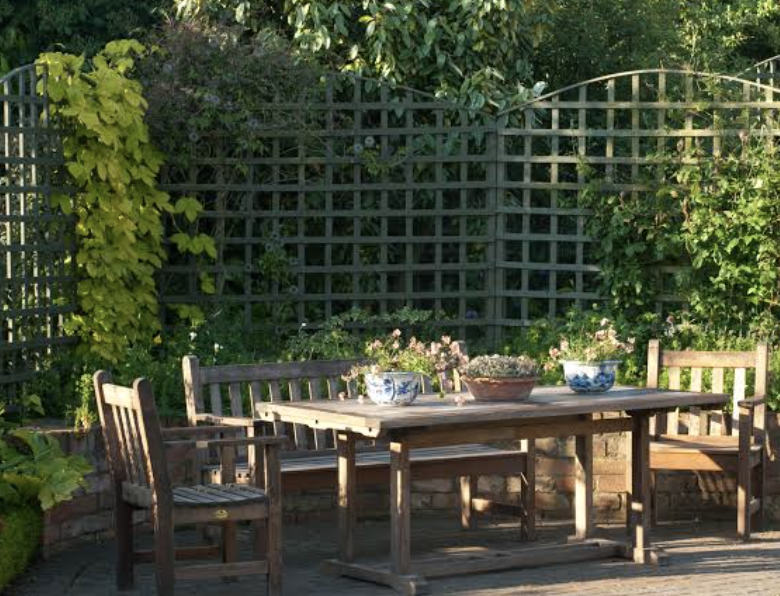
A wooden trellis can bring warmth, natural beauty, and a traditional garden feel. However, once placed outdoors, wood faces constant challenges from weather, moisture, insects, and temperature changes.
Treating a wooden trellis before outdoor use is highly recommended because protective treatments help prevent rot, cracking, fading, mould, and insect damage, extending the product’s outdoor lifespan.
A small amount of preparation before installation can make a major difference in how long your trellis remains strong and attractive.
Does Every Wooden Trellis Need Protective Treatment?
Not every wooden trellis requires the same level of treatment, but most outdoor wooden structures benefit from some form of protection.
Most wooden trellises need protective treatment before outdoor use, especially when they are exposed to rain, humidity, direct sunlight, or ground contact. Untreated wood may age faster and lose structural strength over time.
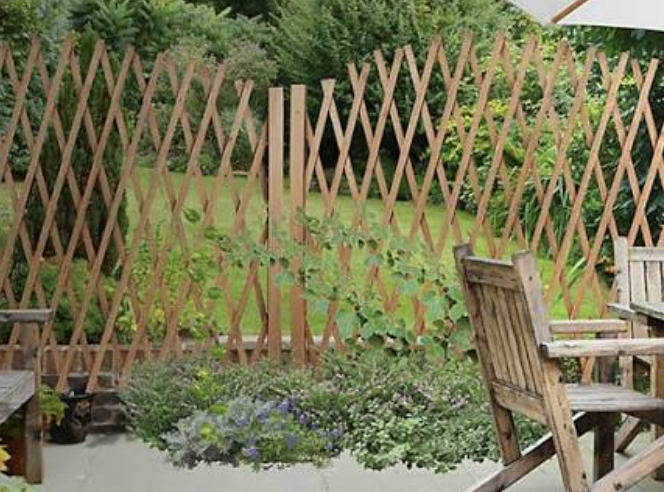
The need for treatment depends on several factors:
- wood species;
- outdoor exposure level;
- local climate;
- product design;
- expected lifespan;
- whether the trellis is decorative or structural.
Naturally durable wood vs ordinary wood
Some wood species naturally resist outdoor conditions better than others.
Naturally durable woods may contain oils or properties that slow down:
- moisture absorption;
- insect activity;
- fungal growth;
- surface degradation.
However, many commercial garden trellises use more affordable woods that require additional protection.
Common garden trellis materials include:
- pine;
- fir;
- spruce;
- cedar;
- bamboo;
- willow.
Each material behaves differently outdoors.
Decorative trellises need less protection
A small decorative trellis placed:
- [under a covered patio;
- against a sheltered wall;
- in a dry climate;
may require less treatment](https://extension.oregonstate.edu/catalog/em-8600-wood-moisture-relationships)[^1].
However, even decorative products benefit from basic protection because outdoor conditions are unpredictable[^2].
Structural trellises need stronger protection
A trellis supporting climbing plants carries more weight over time.
Plants such as:
- roses;
- clematis;
- jasmine;
- grape vines;
- ivy;
add moisture and physical pressure.
A stronger protective treatment helps the structure maintain stability.
Treatment expectations for different markets
Different regions have different expectations.
For example:
- Wet European climates often require moisture protection.
- Sunny Mediterranean areas require UV resistance.
- Cold regions require freeze protection.
- Humid areas need mould prevention.
| Trellis usage | Treatment requirement |
|---|---|
| Indoor decorative use | Low |
| Covered outdoor area | Medium |
| Open garden installation | High |
| Heavy climbing plants | Very high |
| Wet or coastal climate | Very high |
A good wooden trellis should be prepared for its environment before installation.
What Are the Biggest Outdoor Threats to Wooden Trellises?
Wood is a natural material, which means it constantly reacts with its surroundings.
The biggest threats to wooden trellises are moisture, UV exposure, insects, fungi, temperature changes, and poor drainage. These factors slowly weaken wood and reduce its outdoor lifespan.
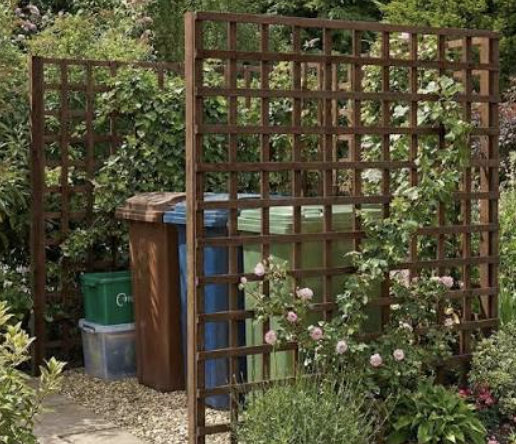
Understanding these threats helps buyers choose better materials and maintenance methods.
Moisture and rain damage
Water is the biggest enemy of outdoor wood.
Repeated wet and dry cycles can cause:
- swelling;
- shrinking;
- cracking;
- warping;
- rot.
When wood absorbs water, its internal structure changes.
If moisture remains trapped inside the material, fungi can grow and begin breaking down the wood fibres.
Rot caused by fungi
Wood rot is one of the most serious problems.
It usually appears when there is:
- high moisture;
- poor airflow;
- warm temperatures;
- untreated surfaces.
Signs of rot include:
- soft areas;
- dark discoloration;
- crumbling wood;
- unpleasant smell;
- weakened joints.
Once rot spreads into structural areas, repair becomes difficult.
UV exposure and fading
Sunlight affects wood gradually.
Long-term UV exposure can cause:
- colour fading[^3];
- surface dryness;
- cracking;
- rough texture;
- weakened protective coatings[^4].
A wooden trellis may remain structurally sound but lose its original appearance.
Insects and pests
Outdoor wood may attract:
- termites;
- wood-boring insects;
- other pests.
Treatment helps reduce insect risk by creating a protective barrier.
Freeze and thaw cycles
Cold climates create another challenge.
Water enters small cracks, freezes, expands, and increases the size of the damage.
Repeated cycles can lead to:
- splitting;
- loose joints;
- structural failure.
| Outdoor threat | Effect on wood | Protection method |
|---|---|---|
| Rain | Rot and swelling | Waterproof treatment |
| Sunlight | Drying and fading | UV-resistant coating |
| Insects | Internal damage | Preservative treatment |
| Frost | Cracking | Sealing and maintenance |
| Poor drainage | Long-term moisture | Better installation |
Outdoor wood lasts longer when water and sunlight are controlled from the beginning.
Which Wood Treatments Provide the Best Protection?
Different treatments provide different levels of protection. The best choice depends on the climate, wood type, and desired appearance.
The most effective wood treatments for outdoor trellises include water-repellent sealers, outdoor stains, protective oils, paint coatings, and preservative treatments designed to resist moisture, UV damage, fungi, and insects.
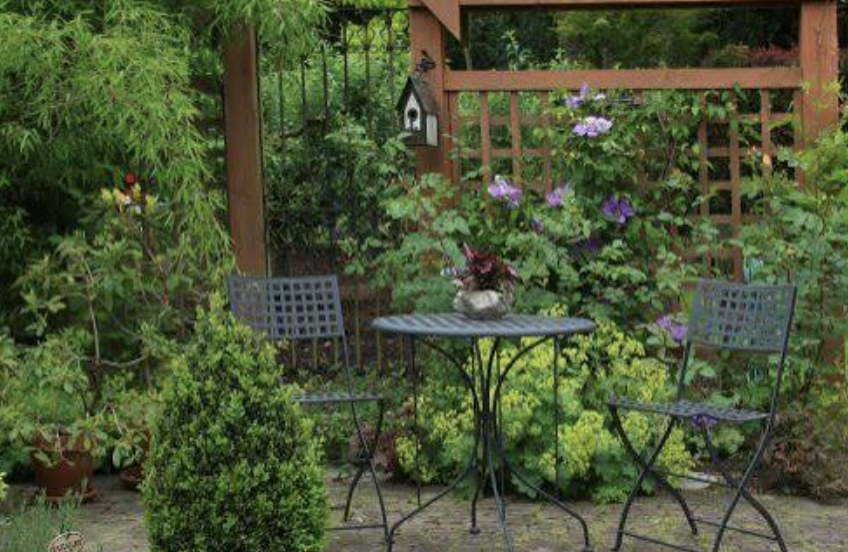
Wood preservatives
Wood preservatives are designed to protect against biological damage.
They help reduce:
- fungal growth;
- insect attacks;
- internal decay.
They are especially useful for trellises installed in:
- humid gardens;
- rainy regions;
- ground-contact applications.
Water-repellent sealers
Water protection is one of the most important steps.
Sealants create a protective layer that reduces moisture absorption.[^5]
Benefits include:
- less swelling;[^6]
- reduced cracking;
- improved appearance;
- longer lifespan.
Water-repellent products are often transparent, allowing the natural wood grain to remain visible.
Outdoor wood stains
Wood stains are popular because they provide both protection and appearance improvement.
They can add:
- colour enhancement;
- UV protection;
- moisture resistance;
- decorative finishes.
Common outdoor colours include:
- natural wood;
- walnut;
- cedar;
- dark brown;
- grey weathered finishes.
Paint coatings
Paint creates a stronger surface barrier.
Advantages include:
- strong colour protection;
- high UV resistance;
- decorative flexibility.
However, painted wood requires maintenance because cracks in the coating can allow moisture underneath.
Protective oils
Wood oils penetrate the surface and help maintain natural appearance.
They are suitable for customers who prefer:
- natural texture;
- visible grain;
- easy maintenance.
However, oils usually require more frequent reapplication than thicker coatings.
| Treatment type | Main protection | Best for |
|---|---|---|
| Preservative | Rot and insects | Humid climates |
| Sealer | Moisture control | General outdoor use |
| Stain | UV + appearance | Decorative gardens |
| Paint | Strong surface barrier | Maximum colour protection |
| Oil | Natural finish | Premium wood appearance |
The best treatment is not always the strongest—it is the one matched to climate and customer expectations.
How Can You Maximise the Lifespan of Your Wooden Trellis?
Protective treatment is only the beginning. Proper installation and maintenance are equally important.
You can maximise the lifespan of a wooden trellis by installing it correctly, preventing ground moisture, performing regular inspections, refreshing protective coatings, and controlling plant growth pressure.
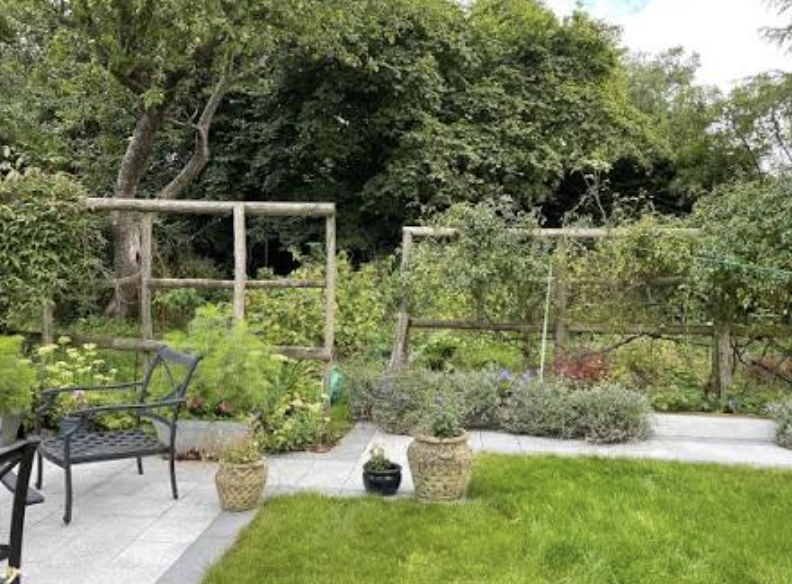
A treated trellis can still fail early if installation allows water to collect or if maintenance is ignored.
Install the trellis correctly
Installation affects lifespan significantly.
Good practices include:
- keeping wood away from standing water;
- allowing airflow behind the trellis;
- using corrosion-resistant fixing hardware;
- avoiding direct soil contact where possible;
- securing the structure properly.
Poor installation often creates hidden moisture problems.
Keep the base protected
The bottom section of a trellis usually suffers the most damage.
Avoid:
- permanent water contact;
- buried untreated wood;
- poor drainage areas.
Better options include:
- raised installation;
- protective feet;
- gravel drainage;
- treated base sections.
Maintain protective coatings
Wood treatments do not last forever.[^7]
Depending on climate and coating type, maintenance may include:
- cleaning the surface;
- checking for cracks;
- reapplying stain or oil;
- repairing damaged areas.
Regular small maintenance prevents expensive replacement.[^8]
Manage climbing plants
Plants add beauty but also increase stress.
Heavy vines can:
- add weight;
- trap moisture;
- block airflow;
- hide damage.
Regular pruning helps protect both the plant and the trellis.
Store or protect seasonal trellises
For lightweight decorative trellises:
- remove them before severe winter weather;
- store them in dry areas;
- avoid placing them directly on wet ground.
This can greatly extend lifespan.
| Maintenance action | Benefit | Recommended timing |
|---|---|---|
| Clean surface | Removes dirt and moisture buildup | Regularly |
| Check damage | Finds problems early | Seasonally |
| Reapply treatment | Restores protection | Every few years |
| Control plants | Reduces structural stress | During growing season |
| Improve drainage | Prevents rot | During installation |
A wooden trellis lasts longer when treated as a garden structure, not just a decoration.
Conclusion
Treating a wooden trellis before outdoor use is one of the easiest ways to extend its lifespan. With proper protection, installation, and maintenance, a wooden trellis can remain beautiful and functional for many years.
[^1]: "Wood and Moisture Relationships – OSU Extension Service", https://extension.oregonstate.edu/catalog/em-8600-wood-moisture-relationships. Guidance on exterior wood durability notes that reduced exposure to moisture and weathering lowers decay risk and maintenance demands, supporting the claim that sheltered or dry placements may require less treatment. Evidence role: mechanism; source type: education. Supports: A decorative trellis in a covered, sheltered, or dry location may require less treatment.. Scope note: This supports the general relationship between exposure conditions and treatment needs, not the precise maintenance requirements for a specific decorative trellis.
[^2]: "[PDF] Outdoor Wood Weathering and Protection Chaptler 11.", https://www.fpl.fs.usda.gov/documnts/pdf1988/feist88b.pdf. Building and wood-preservation guidance describes outdoor materials as subject to variable wetting, drying, ultraviolet exposure, and temperature changes, supporting the need for basic protection even when expected exposure is limited. Evidence role: general_support; source type: government. Supports: Decorative outdoor products can still benefit from basic protection because exterior conditions may vary unexpectedly.. Scope note: The source would substantiate environmental variability and protection principles generally, rather than proving that every decorative product requires treatment in all settings.
[^3]: "Structural changes in wood under artificial UV light irradiation …", https://bioresources.cnr.ncsu.edu/resources/structural-changes-in-wood-under-artificial-uv-light-irradiation-determined-by-ftir-spectroscopy-and-color-measurements-a-brief-review/. A wood-science source on weathering supports that ultraviolet radiation contributes to photochemical degradation of wood surface components, including visible discoloration or fading during outdoor exposure. Evidence role: mechanism; source type: education. Supports: Long-term UV exposure can cause colour fading in wood.. Scope note: The evidence is usually about wood weathering in general rather than wooden trellises specifically.
[^4]: "A review on making wood resistant to moisture, ultraviolet light, and …", https://bioresources.cnr.ncsu.edu/resources/outdoor-wood-finishing-a-review-on-making-wood-resistant-to-moisture-ultraviolet-light-and-degradation/. Research and technical literature on exterior wood coatings supports that sunlight, especially ultraviolet radiation, can degrade coating binders and reduce coating performance during outdoor weathering. Evidence role: mechanism; source type: research. Supports: Long-term UV exposure can weaken protective coatings on wood.. Scope note: The source may address exterior wood coatings broadly and may not test the specific coating used on a given trellis.
[^5]: "Wood handbook: Wood as an engineering material", https://research.fs.usda.gov/treesearch/62200. Wood-protection literature describes surface coatings and water-repellent treatments as barriers that can slow liquid-water uptake and reduce moisture exchange in wood. Evidence role: mechanism; source type: government. Supports: Sealants create a protective layer that reduces moisture absorption.. Scope note: The degree of moisture reduction depends on wood species, product chemistry, application quality, and maintenance condition.
[^6]: "Dimensional Changes in Wood – Oklahoma State University Extension", https://extension.okstate.edu/fact-sheets/dimensional-changes-in-wood. Wood science sources explain that changes in wood moisture content cause dimensional movement such as swelling and shrinkage, so treatments that limit moisture uptake can help reduce these effects. Evidence role: mechanism; source type: education. Supports: Water-repellent protection can lead to less swelling in wood.. Scope note: This supports the underlying moisture–swelling relationship rather than proving that every sealant product will produce the same performance outcome.
[^7]: "A review on making wood resistant to moisture, ultraviolet light, and …", https://bioresources.cnr.ncsu.edu/resources/outdoor-wood-finishing-a-review-on-making-wood-resistant-to-moisture-ultraviolet-light-and-degradation/. A wood preservation or coatings reference can support that exterior wood treatments degrade over time under environmental exposure and therefore have finite service lives. Evidence role: general_support; source type: education. Supports: Wood treatments do not last forever.. Scope note: The exact durability varies by wood species, treatment chemistry, exposure conditions, and maintenance history.
[^8]: "[PDF] Finishing Wood Exteriors Selection, Application, and Maintenance", https://www.fpl.fs.usda.gov/documnts/usda/ah647.pdf. A building maintenance or wood-products source can support that routine inspection, cleaning, recoating, and timely repairs help extend the service life of exterior wood components and reduce the likelihood of premature replacement. Evidence role: mechanism; source type: government. Supports: Regular small maintenance prevents expensive replacement.. Scope note: This supports preventive maintenance as a risk-reduction practice rather than guaranteeing avoidance of replacement in every case.