I still believe this: the best garden isn’t built by “more effort.” It’s built by better tools and less frustration.
In 2026, the essential garden tools are the ones that save your back, save your time, and make daily jobs feel lighter—hand trowel, pruners, gloves, a good hose/nozzle, and a few smart helpers like a soil knife and kneeling pad.
Let’s keep it simple, practical, and real.
Why Every Gardener Still Needs the Right Basic Tools
Trends change, but weeds, soil, and tangled stems don’t. Basic tools still matter because they prevent wasted time and sore hands.
Every gardener still needs the right basic tools because most garden tasks repeat: digging, cutting, watering, cleaning, and moving soil. Good tools reduce injury risk, speed up work, and help plants stay healthier with cleaner cuts and better soil handling.
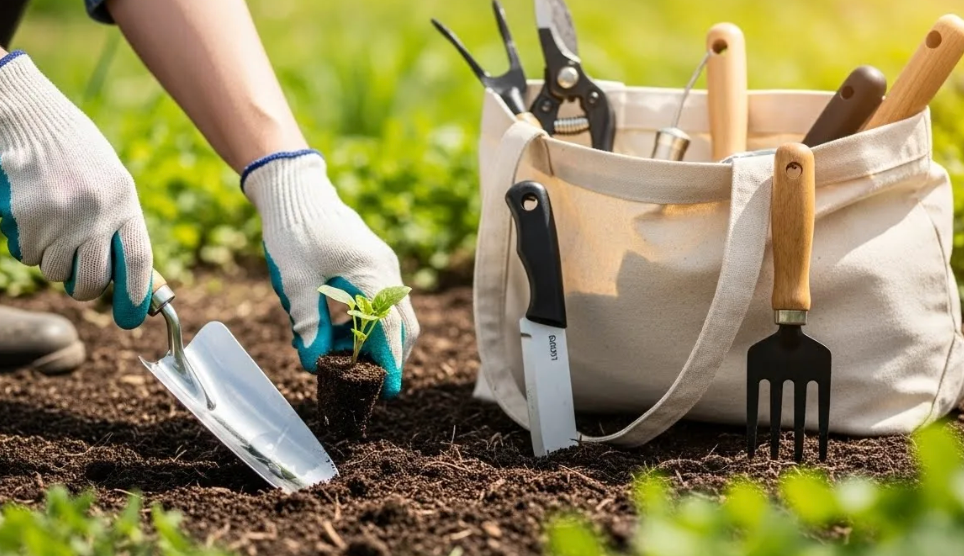
I’ve met gardeners who own every “cool new gadget” but can’t find a sharp pair of pruners.
And honestly?
That’s like owning a sports car with flat tires.
The basics are boring… and that’s why they work.
1) Good tools protect your body
Gardening is fun until:
- your wrist hurts from weak pruners
- your knees hurt from kneeling on stones
- your back hurts from bending too much
The right tools don’t just make work faster—they make it sustainable.
2) Good tools protect your plants
A clean cut is not just “nice.” It’s plant health.
Dull tools crush stems and invite disease.
Sharp tools cut cleanly and heal faster.
3) Good tools protect your time
When tools feel cheap, you fight them:
- handles slip
- blades jam
- nozzles leak
- heads loosen
You spend more time fixing tools than fixing the garden.
Quick “basic tools” truth table
| Problem without good tools | What happens |
|---|---|
| dull cutting tools[^1] | messy cuts, more plant stress |
| weak digging tools[^2] | slow work, sore wrists |
| no comfort tools | knees/back pain |
| leaky watering tools | wasted water and time |
If you want your garden to feel “Garden free,” start with tools that don’t fight you.
The 10 Must-Have Garden Tools for Daily Work
This list is built for real daily work—nothing fancy, just what you actually reach for again and again.
The 10 must-have garden tools in 2026 are: hand trowel, hand fork, pruners, gardening gloves, weeding tool, garden rake, spade/shovel, watering can or hose nozzle, kneeling pad, and a soil knife (hori-hori style).
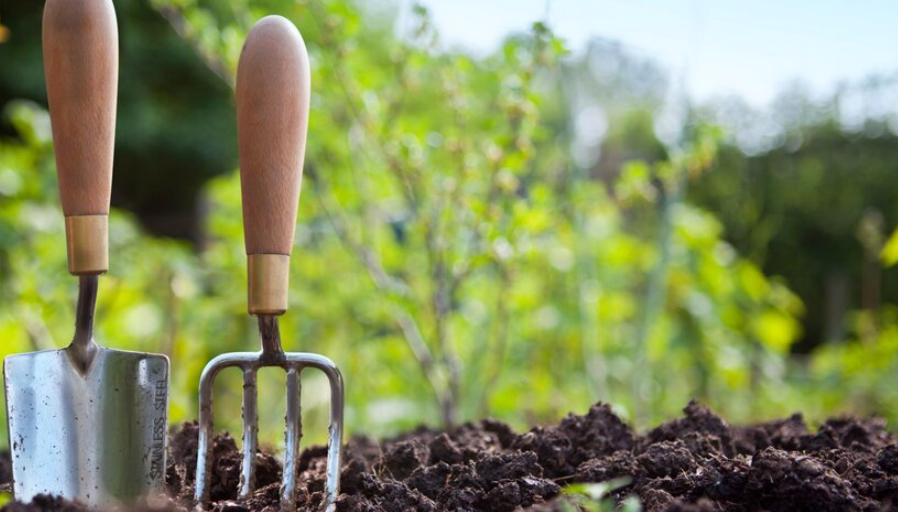
Here’s my honest test:
If a tool stays in the shed all year, it’s not essential.
These ten? They earn their place.
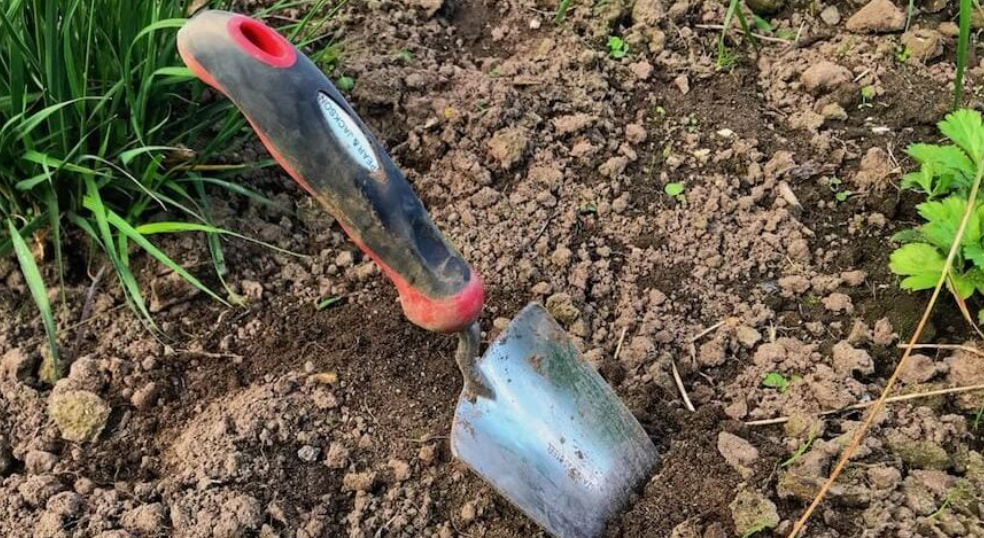
1) Hand trowel
For planting, potting, digging small holes, and moving soil in tight spaces.
Choose one with a strong blade and a comfortable grip—this is the tool you’ll use most often.
2) Hand fork (cultivator)
Perfect for loosening soil, mixing compost, and working around roots without damaging plants.
A hand fork saves time because it breaks clumps fast and keeps soil airy.
3) Pruning shears (secateurs)
This is the “plant health tool.” If you only upgrade one item, upgrade this.
Sharp pruners give clean cuts, reduce plant stress, and make trimming feel effortless.
4) Gardening gloves
Gloves are not just for thorns—they’re for comfort and control.
Good gloves protect your hands, improve grip, and make long sessions less tiring.
5) Weeding tool (hand weeder)
Weeding is easier when you remove the root, not just the top.
A simple weeding tool helps you pull weeds cleanly and saves you from doing the same job twice.
6) Garden rake
For clearing leaves, leveling soil, and cleaning beds fast.
A rake turns a messy garden into a tidy garden in minutes.
7) Spade or shovel
For digging, edging, moving soil, and bigger planting tasks.
Choose a solid spade with a strong handle—cheap ones feel okay until they snap.
8) Watering can or hose nozzle
This depends on your garden size.
A good nozzle gives control: gentle for seedlings, stronger for cleaning and deep watering.
9) Kneeling pad (or kneeler)
This is a “quiet life upgrade.” Your knees will thank you.
A kneeling pad makes planting and weeding comfortable, so you stay longer and enjoy the work more.
10) Soil knife (hori-hori style)
This tool is the secret favorite for many gardeners: dig, cut roots, weed, plant bulbs.
A soil knife is like a Swiss army knife for the garden—simple, strong, and shockingly useful.
Quick tool summary table
| Tool | Daily use | Why it’s essential |
|---|---|---|
| Hand trowel[^3] | planting, soil work | most-used basic tool |
| Hand fork | loosening soil | better soil, faster work |
| Pruners[^4] | trimming, shaping | clean cuts, healthy plants |
| Gloves | protection, grip | comfort and safety |
| Weeding tool | root removal | fewer repeat weeds |
| Rake | cleaning, leveling | fast tidying |
| Spade/shovel | digging, moving soil | heavy work foundation |
| Watering tool | watering control | saves water and plants |
| Kneeling pad | comfort | protects knees |
| Soil knife | multi-task | one tool, many jobs |
If you want, I can also format this into a one-page tool checklist card for your website.
How Better Tool Design Improves Gardening Efficiency in 2026
Tool design in 2026 is less about “more functions” and more about comfort, efficiency, and fewer failures.
Better tool design improves efficiency through ergonomic grips, lighter but stronger materials, smoother cutting mechanisms, rust-resistant coatings, and smarter details like measurement marks or easy-lock handles. These features reduce fatigue and speed up daily tasks.
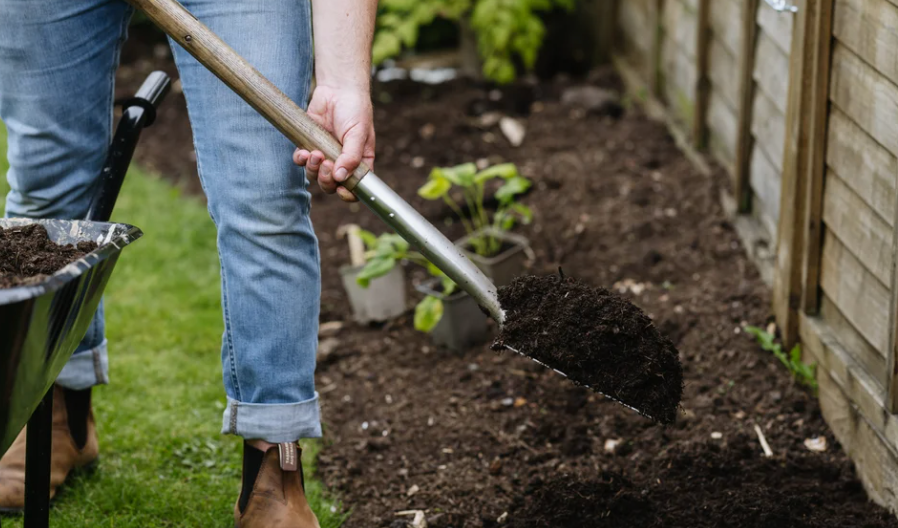
Let me explain this like a real gardener.
When a tool is designed well, you stop noticing it.
You just work.
1) Ergonomic grips reduce fatigue
A good handle:
- fits your hand
- doesn’t slip when wet
- reduces wrist strain
This matters a lot for pruning and digging.
2) Strong but lighter materials help you work longer
People don’t quit gardening because they hate plants.
They quit because they’re tired.
Lighter tools help you keep going without feeling sore.
3) Better cutting design means cleaner results
In pruners, small design improvements matter:
- smoother spring action
- better blade alignment
- easy lock and safe storage
Cleaner cutting tools = healthier plants.
4) Rust resistance helps tools stay “ready”
Tools that rust quickly feel unpleasant to use.
Rust-resistant finishes help:
- longer life
- smoother action
- better storage durability
5) Small smart details save time
Things like:
- measurement marks on trowels
- quick-release hose connectors
- comfortable kneeling pads with handles
- tool hanging holes for tidy storage
These are not glamorous features, but they save minutes every week.
Efficiency feature table
| Design feature | What it improves |
|---|---|
| ergonomic grip[^5] | less wrist and hand fatigue |
| lighter strong build | longer working time |
| smooth cutting action | faster pruning, cleaner cuts |
| rust-resistant finish[^6] | longer tool life |
| smart small details | less hassle, more flow |
If you’re building a 2026 tool range, I always recommend focusing on “quiet quality,” not loud gimmicks.
Choosing Practical Garden Tools for Long-Term Use
The best tool is not the cheapest. It’s the one you’ll still enjoy using after two seasons.
Choose practical long-term tools by focusing on build strength, comfort, ease of maintenance, replaceable parts (when possible), and storage-friendly design. Buy fewer tools, but buy the right ones.
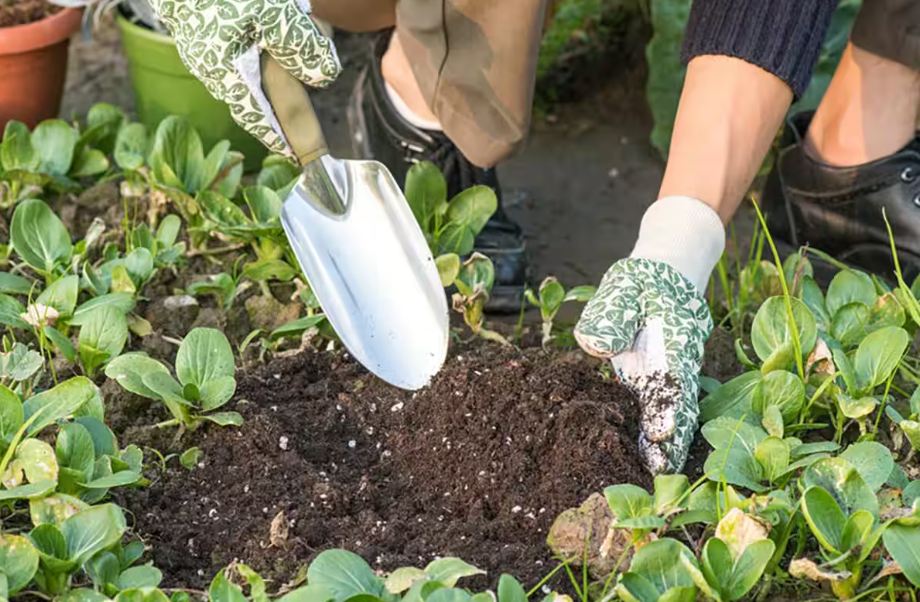
Here’s my simple rule:
If a tool hurts your hand or breaks quickly, it’s not cheap—it’s expensive.
1) Check strength where tools usually fail
Look at:
- joint points on pruners
- connection between head and handle (spades/rakes)
- blade thickness (trowels)
- stitching and grip (gloves)
Weak points tell the truth.
2) Comfort is not luxury
Comfort decides how often you garden.
If the tool feels good:
- you garden more
- you enjoy it more
- you take better care of plants
3) Maintenance should be easy
Pruners should be easy to clean.
Nozzles shouldn’t leak.
Tools should hang neatly.
A tool that is hard to maintain becomes a tool you stop using.
4) Buy tools that match your garden size
A balcony gardener[^7] doesn’t need the same kit as someone with a big yard.
Here’s a simple sizing idea:
- small space: hand tools + watering can
- medium: add rake + spade + hose nozzle
- large: add heavier digging tools and long handles
Long-term value table
| What to choose for | What to check | Why it matters |
|---|---|---|
| durability | strong joints and handles | fewer replacements |
| comfort | grip and balance | less fatigue |
| easy maintenance | simple cleaning | more consistent use |
| storage | hanging holes, compact | less clutter |
| fit for garden size | right tool scale | less wasted money |
If you want, I can also help you build a simple buyer-friendly tool guide for your store or catalog.
Conclusion
In 2026, the best garden tools are simple, comfortable, and durable—buy the basics well, and gardening becomes easier every week.
[^1]: Understanding the impact of dull tools can help you choose better options for a healthier garden.
[^2]: Exploring this can guide you to select tools that enhance your gardening experience and reduce strain.
[^3]: Explore this link to find top-rated hand trowels that make planting and soil work easier and more efficient.
[^4]: Discover expert advice on selecting pruners that ensure clean cuts and promote healthy plant growth.
[^5]: Explore how ergonomic grips can enhance comfort and reduce fatigue during prolonged use.
[^6]: Learn about the advantages of rust-resistant finishes for tool longevity and performance.
[^7]: Explore this link to discover essential tools tailored for balcony gardening, ensuring you maximize your small space effectively.