Why Are Birds Not Using Your Bird Feeder? 8 Common Reasons and Solutions
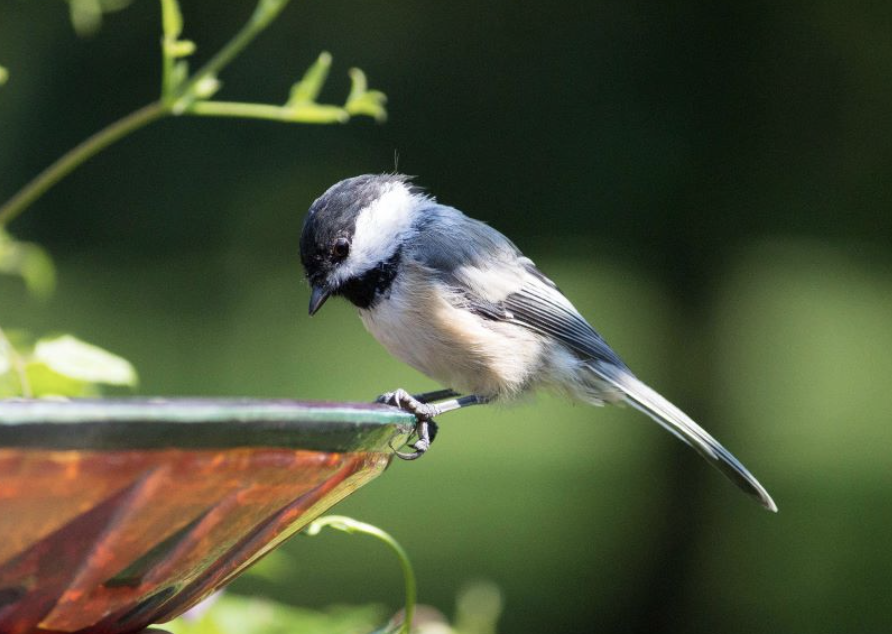
A bird feeder can bring life, movement, and colour into the garden. But sometimes, birds simply do not come.
Birds may not use your bird feeder because the location feels unsafe, the food is unsuitable, the feeder is dirty, predators are nearby, natural food is available, or birds have not yet discovered the feeder.
Most problems can be solved with small changes in placement, food choice, cleaning, and patience.
How Do Feeder Location and Safety Affect Bird Visits?
Birds will avoid a feeder if the location feels exposed, unsafe, noisy, or too close to predators.
Feeder location affects bird visits because birds need a safe place to land, feed, watch for danger, and escape quickly if cats, people, or larger birds appear.
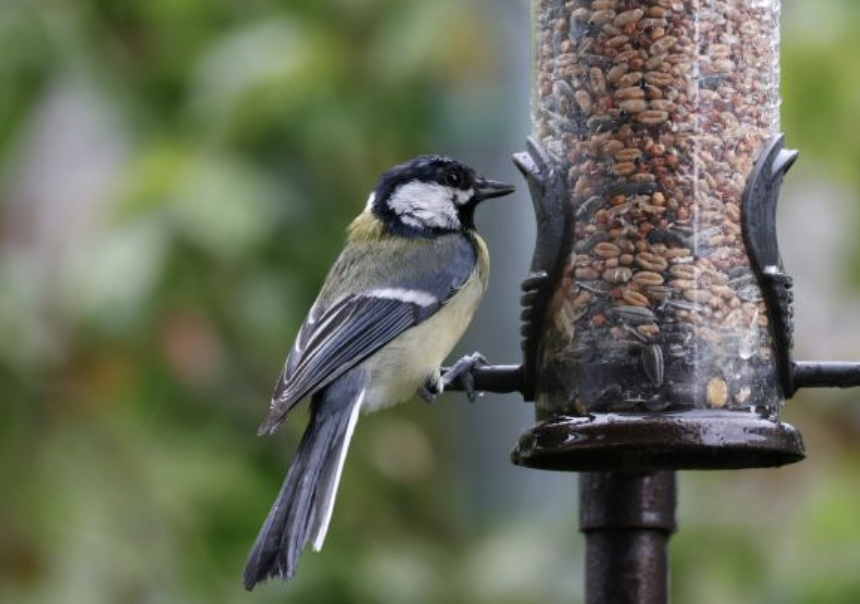
The first thing to check is location.
A feeder may contain excellent food, but birds will not use it if they feel unsafe.
Reason 1: The feeder is too exposed
Birds are cautious.
If a feeder is placed in the middle of an open lawn, many small birds may hesitate to visit1.
They need nearby shelter such as:
- shrubs;
- trees;
- hedges;
- climbing plants;
- garden trellises;
- dense planting.
Shelter gives birds a place to wait, rest, and escape.
A good rule is to place the feeder close enough to natural cover, but not so close that cats can hide beside it2.
Reason 2: Predators are too close
Cats are one of the most common reasons birds avoid feeders.
Birds may also stay away if they see:
- dogs;
- foxes;
- larger aggressive birds;
- frequent human movement.
If predators regularly appear near the feeder, birds quickly learn that the area is risky.
Better placement can help.
Try moving the feeder:
- higher from the ground;
- away from walls or fences cats can climb;
- near open visibility;
- away from hiding spots.
Reason 3: The feeder is in a noisy or busy area
Birds may avoid feeders placed near:
- doors;
- busy patios;
- children’s play areas;
- roads;
- outdoor seating;
- garden machinery.
Some birds adapt to human activity, but many prefer quieter feeding spots.
| Location problem | Better solution |
|---|---|
| Too exposed | Place near shrubs or trees |
| Too close to cats | Raise feeder and improve visibility |
| Too noisy | Move to a quieter garden corner |
| No escape route | Add nearby planting |
| Too hidden | Keep open sightlines around feeder |
A good feeder location should feel safe, visible, and close to natural shelter.
Could the Food or Feeder Design Be the Problem?
Birds may ignore a feeder if the food is unsuitable, stale, low-quality, or difficult to access.
Food and feeder design can stop birds from visiting if the seed mix is poor, the feeder opening is too small, the perch is uncomfortable, or the feeder does not match local bird species.
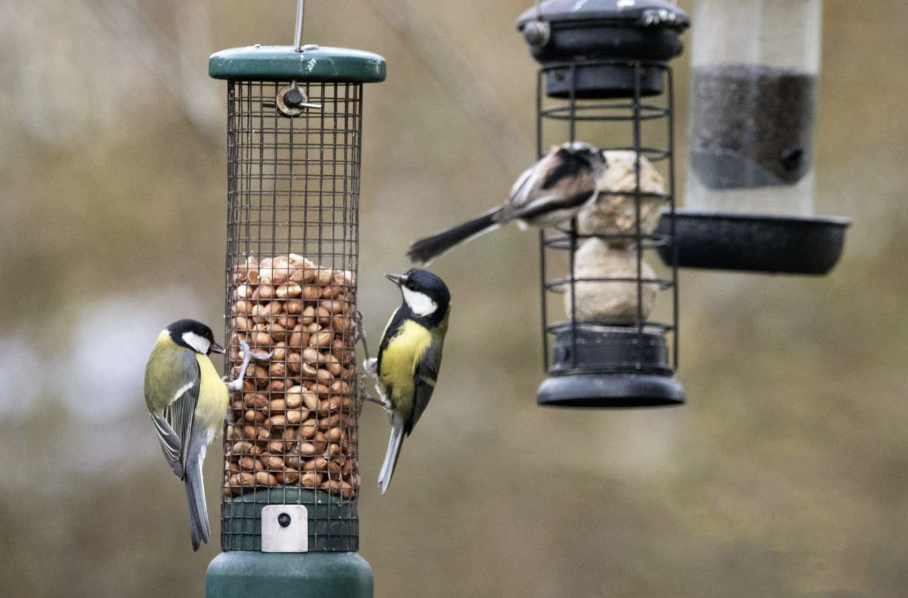
Birds are selective.
They do not always eat whatever is available.
Reason 4: The food does not suit local birds
Different birds prefer different foods.
For example:
- finches often like sunflower hearts and small seeds;
- robins may prefer mealworms;
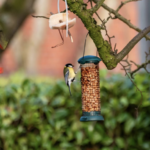
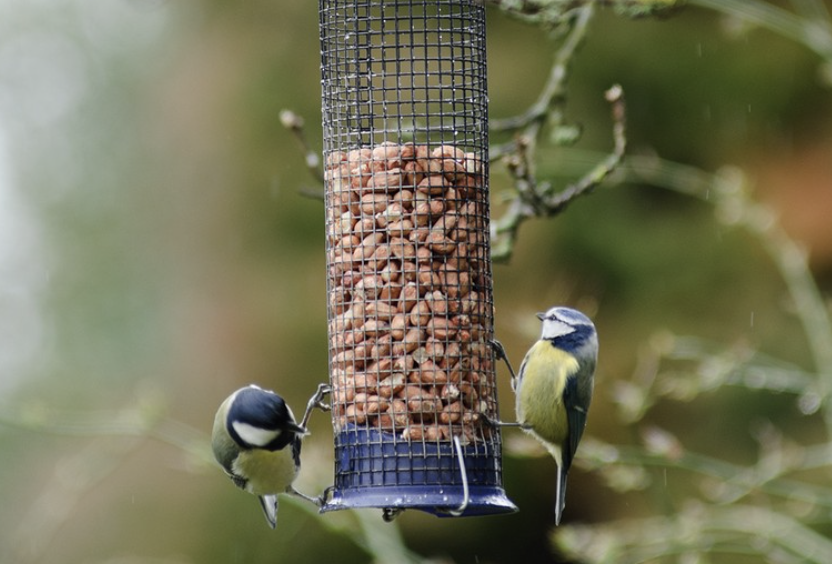
- tits often enjoy peanuts and suet;
- blackbirds may feed from the ground;
- sparrows like mixed seed and grains.
If you offer the wrong food, birds may ignore the feeder.
Cheap seed mixes may contain too much filler seed that many birds leave behind.
Better choices include:
- sunflower hearts;
- black sunflower seeds;
- suet balls;
- mealworms;
- quality mixed seed;
- peanuts in a safe mesh feeder.
Reason 5: The food is old, wet, or spoiled
Bird food can lose appeal quickly when exposed to moisture.3
Wet seed may become:
- mouldy;
- sticky;
- sour-smelling;
- unsafe;
- unattractive to birds.
If birds visited before but suddenly stopped, check the food condition.
Replace old food and clean the feeder before refilling.4
Reason 6: The feeder design does not fit the birds
Some feeder designs work better for certain birds.
For example:
- tube feeders suit small birds;
- platform feeders suit robins and blackbirds;
- suet feeders suit tits and woodpeckers;
- caged feeders help protect food from squirrels and large birds.
If your feeder has narrow openings, unstable perches, or awkward access, birds may choose easier food sources.
| Bird type | Suitable food | Suitable feeder |
|---|---|---|
| Finch | Sunflower hearts | Tube feeder |
| Robin | Mealworms | Tray or platform |
| Tit | Suet, peanuts | Suet or mesh feeder |
| Sparrow | Mixed seed | Tube or hopper |
| Blackbird | Fruit, mealworms | Ground or platform feeder |
The best feeder setup is matched to the birds you want to attract.
Are Cleanliness, Competition, or Natural Food Keeping Birds Away?
Even when the location and food seem correct, other garden conditions may reduce bird visits.
Birds may stay away because the feeder is dirty, dominant birds are controlling access, squirrels are interfering, or natural food is currently more attractive.
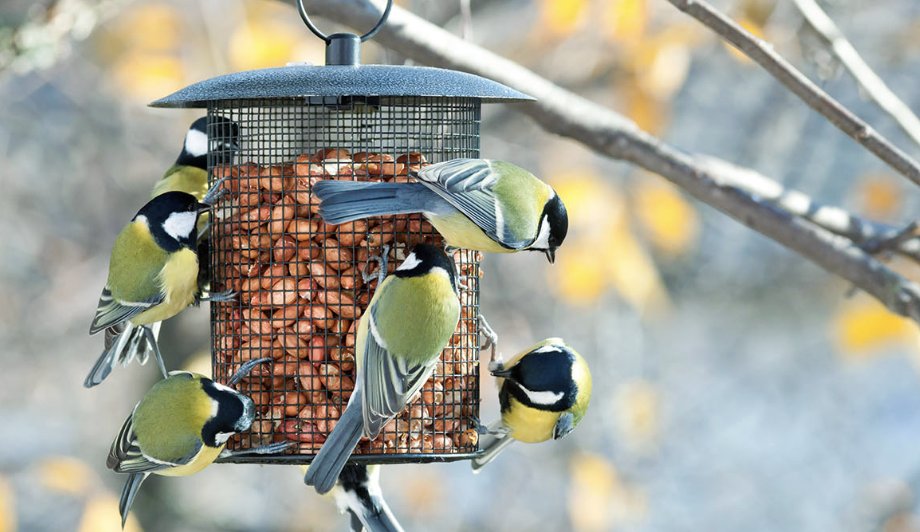
Bird feeding is affected by the whole garden environment.
Sometimes the feeder is not “wrong”; it is simply less useful at that moment.
Reason 7: The feeder is dirty
A dirty feeder can discourage birds and may also spread disease.
Common problems include:
- old seed buildup;
- droppings near feeding areas;
- mouldy food;
- blocked drainage holes;
- sticky suet residue.
Clean feeders regularly with warm water and mild cleaning solution.
Allow them to dry fully before refilling.
In warm or wet weather, cleaning should be more frequent.
Competition from larger birds
Small birds may avoid feeders if larger birds dominate the area.
Common competitors include:
- pigeons;
- crows;
- magpies;
- starlings;
- squirrels.
Solutions include:
- caged feeders;
- smaller entrance openings;
- separate feeding stations;
- hanging feeders away from easy jump points.
A balanced feeding area can serve different species without allowing one group to control everything.
Natural food is abundant
At certain times of year, birds may prefer natural food5.
They may be feeding on:
- berries;
- insects;
- seeds;
- fruit;
- worms;
- garden plants.
This often happens in spring, summer, and early autumn.
During these periods, feeder visits may reduce naturally6.
That does not mean the feeder has failed.
Weather can change feeding habits
Birds may use feeders more during:
- cold weather;
- snow;
- heavy rain;
- food shortages;
- nesting season.
They may visit less during mild weather when natural food is easy to find.
| Reason birds stay away | Practical solution |
|---|---|
| Dirty feeder | Clean and dry before refilling |
| Larger birds dominate | Use caged feeders |
| Squirrels steal food | Use squirrel-resistant design |
| Natural food is abundant | Keep feeder available and fresh |
| Weather is mild | Be patient |
A bird feeder works best when it is clean, accessible, and part of a wider wildlife-friendly garden.
How Long Should You Wait Before Moving or Replacing a Bird Feeder?
Birds may need time to discover a new feeder and trust it before visiting regularly.
You should usually wait at least two to four weeks before moving or replacing a bird feeder, unless the location is clearly unsafe, exposed, or attracting predators.
Patience is important.
Birds do not always use a new feeder immediately.
Reason 8: Birds have not found it yet
A new feeder may take time to become part of the birds’ routine.
Birds often follow familiar feeding routes.
If the feeder is new, they may need time to notice it and feel safe using it.
To help birds find it:
- keep food fresh;
- place feeder near natural shelter;
- avoid moving it too often;
- add a water source nearby;
- keep the area quiet.
When to wait
Wait longer if:
- the feeder is in a safe location;
- food is fresh;
- there are birds in the area;
- the garden has trees or shrubs nearby;
- no predators are regularly present.
Sometimes birds begin visiting after several quiet weeks.
When to move the feeder
Move it sooner if:
- cats wait nearby;
- the feeder is too exposed;
- food becomes wet quickly;
- birds cannot perch easily;
- the area is too busy.
Move it only a short distance first.
Large changes may restart the waiting period.
When to change the food
If birds ignore the feeder for several weeks, try changing food before replacing the feeder7.
Better options include:
- sunflower hearts;
- suet;
- mealworms;
- quality seed mix.
You can also offer two feeder types to see which birds prefer.
When to replace the feeder
Consider replacing the feeder if:
- it is difficult to clean;
- food gets wet inside;
- birds cannot access the food;
- squirrels damage it;
- the design is unstable.
| Situation | What to do |
|---|---|
| New feeder, safe location | Wait 2–4 weeks |
| Food is wet or spoiled | Replace food and clean feeder |
| Cats nearby | Move feeder immediately |
| Larger birds dominate | Use a caged feeder |
| No visits after several weeks | Try different food or feeder type |
A successful bird feeding station needs the right place, the right food, and enough time.
Conclusion
Birds may avoid your feeder for many reasons, but most problems are easy to fix. Improve safety, food quality, cleanliness, and patience, and visits should gradually increase.
-
"Daily foraging patterns in free-living birds: exploring the predation …", https://pmc.ncbi.nlm.nih.gov/articles/PMC3652453/. Studies of bird foraging behavior describe a trade-off between food access and predation risk, with birds often reducing use of exposed feeding sites when nearby cover or escape routes are limited. Evidence role: mechanism; source type: paper. Supports: Small birds may be reluctant to use a feeder placed in an exposed open lawn.. Scope note: This supports the behavioral mechanism generally; the degree of hesitation varies by species, habitat, and local predator pressure. ↩
-
"Maintaining Your Classroom Feeder – Cornell Lab of Ornithology", https://www.birds.cornell.edu/k12/maintaining-your-classroom-feeder/. Bird-feeding guidance from bird-conservation organizations commonly advises placing feeders near protective vegetation while keeping enough clearance to reduce ambush opportunities for cats and other predators. Evidence role: expert_consensus; source type: institution. Supports: Feeders should be placed near natural cover for safety but not so close that cats can use the cover to ambush birds.. Scope note: This is practical guidance rather than direct experimental proof of a single optimal distance for all gardens. ↩
-
"Stunning Recycled Glass Designs for Garden Birds", https://lsfellowship.missouri.edu/article/ecochic-bird-feeders-stunning-recycled-glass-designs-for-garden-birds. Ornithological and wildlife-feeding guidance describes moisture as a factor that can spoil bird seed and reduce its suitability for feeding birds; this supports the general claim that exposed seed may become less attractive or usable. Evidence role: general_support; source type: institution. Supports: Bird food can lose appeal quickly when exposed to moisture.. Scope note: The source would support moisture-related spoilage generally, not measure the exact speed at which appeal declines in every feeder type or climate. ↩
-
"Keep birds healthy by cleaning feeders regularly", https://www.mndnr.gov/birdfeeding/cleaning.html. Wildlife and bird-conservation guidance commonly recommends discarding spoiled seed and cleaning feeders to reduce contamination and disease risk among visiting birds; this supports the maintenance advice given here. Evidence role: expert_consensus; source type: institution. Supports: Old food should be replaced and the feeder cleaned before refilling.. Scope note: This supports standard feeder-hygiene practice, but cleaning frequency and methods may vary by feeder design, local climate, and disease conditions. ↩
-
"Feeding Wild Birds: Should People Feed Birds and What’s …", https://pubs.ext.vt.edu/420/420-006/420-006.html. Seasonal studies of wild bird feeding ecology show that many species shift diet composition according to natural food availability, including insects, fruits, seeds, and other seasonal resources. Evidence role: general_support; source type: paper. Supports: At certain times of year, birds may prefer natural food.. Scope note: Support is contextual because diet shifts vary by bird species, habitat, climate, and local food availability rather than applying uniformly to all feeder-visiting birds. ↩
-
"Individual variation and seasonality drive bird feeder use …", https://pmc.ncbi.nlm.nih.gov/articles/PMC6405926/. Long-term and observational research on garden bird feeding indicates that feeder use is influenced by seasonal conditions and the availability of natural foods, so changes in feeder visitation can occur independently of feeder quality. Evidence role: mechanism; source type: paper. Supports: During these periods, feeder visits may reduce naturally.. Scope note: The evidence would support the general mechanism behind seasonal variation in feeder visits, not prove that every local decline in visits is caused by natural food availability. ↩
-
"What foods attract a variety of birds? | New Bern, NC – Facebook", https://www.facebook.com/groups/birdwatchingNC/posts/4345762132417844/. Ornithological feeding guidance notes that bird use of feeders varies with food type and local conditions, supporting food changes as a reasonable first adjustment when feeders are unused; this is contextual guidance rather than direct evidence that food changes always outperform feeder replacement. Evidence role: general_support; source type: institution. Supports: If birds ignore the feeder for several weeks, changing the food is a reasonable step before replacing the feeder.. Scope note: Supports the practical logic of changing food type, but does not directly test this exact troubleshooting sequence. ↩