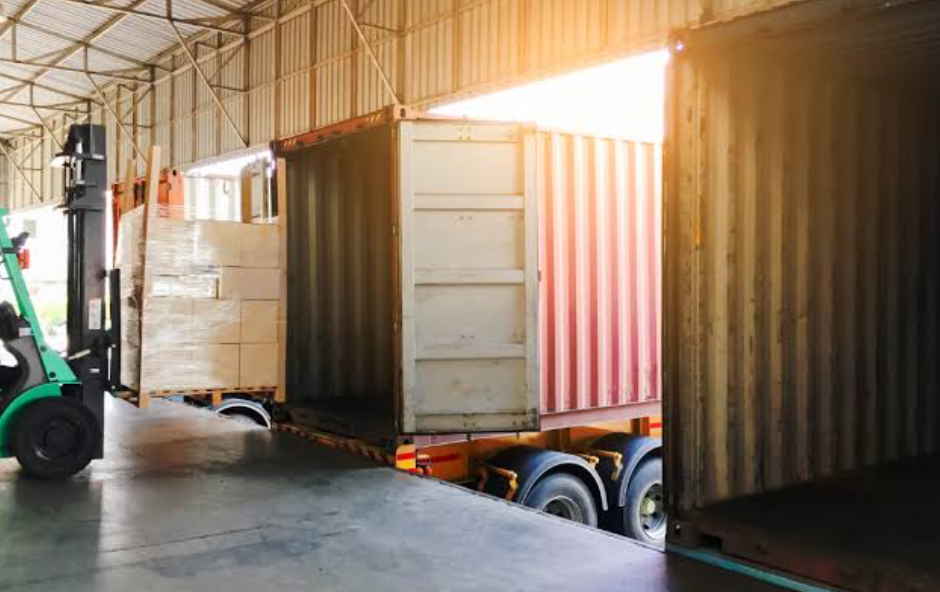
Container loading is one of the final and most important steps before goods leave the factory. A well-planned loading process protects products, reduces shipping risks, and improves transportation efficiency.
Container loading is not simply putting cartons into a container. It involves planning, product preparation, quality checks, space optimisation, safety protection, and final documentation before shipment.
For overseas buyers, understanding the loading process helps prevent costly mistakes before goods start their international journey.
Why Container Loading Is More Important Than Just Putting Goods Into a Container
Many people think container loading is only a physical movement of cartons. In reality, it is a critical logistics operation that affects product safety, freight cost, and delivery success.
Container loading is important because poor loading can cause product damage, wasted container space, unstable cargo, higher shipping costs, and problems during unloading at the destination.
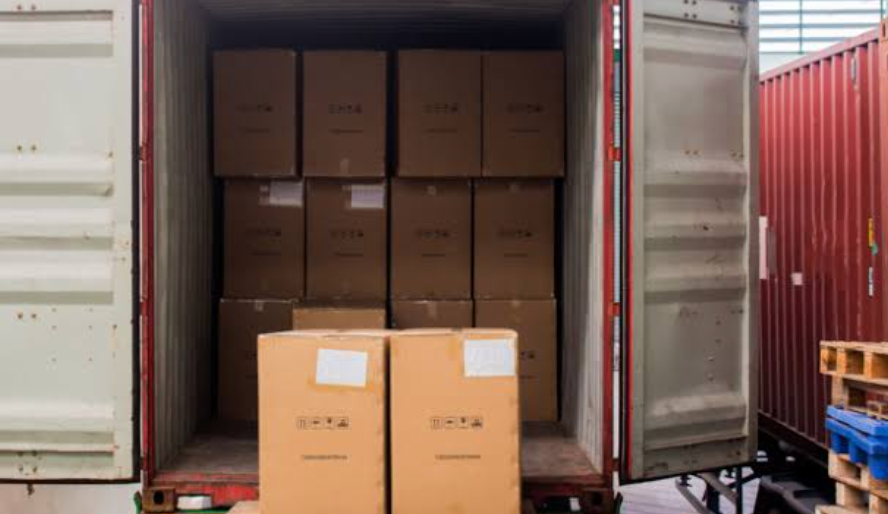
A container represents a limited transportation space.
Every decision during loading affects:
- how many products can be shipped;
- how safely goods arrive;
- how quickly unloading can be completed;
- whether additional costs occur.
Protecting products during transportation
During international shipping, containers experience:
- vibration;
- movement;
- pressure from stacking;
- temperature changes;
- humidity.
Poor loading methods can cause:
- crushed cartons;
- broken products;
- unstable stacks;
- shifting cargo.
For example, garden products such as:
- fence panels;
- trellises;
- flower pots;
- outdoor decorations;
often require careful positioning because of their size and shape.
Maximising container space
Container space directly affects shipping cost.[^1]
A poorly planned loading method may create:
- empty gaps;
- uneven stacking;
- unused height;
- inefficient carton arrangement.
Better loading planning can increase:[^2]
- container utilisation;
- products per shipment;
- cost efficiency.
Maintaining cargo stability
A good loading process considers:
- product weight;
- carton strength;
- stacking order;
- unloading requirements.
Heavy products should normally be placed at the bottom, while fragile products require additional protection.
Incorrect weight distribution can create safety problems during transportation.
Supporting smooth unloading
The loading order also affects the destination process.
If products are loaded without planning:
- warehouse teams may struggle to find products;
- unloading takes longer;
- cartons may need unnecessary movement.
For mixed shipments, loading order becomes even more important.
Reducing shipment risks
A professional loading process helps prevent:
- missing cartons;
- wrong SKU loading;
- packaging damage;
- incorrect quantity;
- documentation problems.
| Loading objective | Business benefit |
|---|---|
| Product protection | Fewer damages |
| Space optimisation | Lower freight cost |
| Stable stacking | Safer transportation |
| Correct arrangement | Easier unloading |
| Final verification | Fewer shipment problems |
Container loading is a key quality control stage, not just a warehouse activity. It helps create a safer and more predictable international shipment.
The Complete Container Loading Process: From Warehouse Preparation to Final Sealing
A professional container loading process follows several steps before the container leaves the factory.
The complete container loading process includes warehouse preparation, product verification, container inspection, loading planning, carton arrangement, quantity checking, sealing, and shipment documentation confirmation.
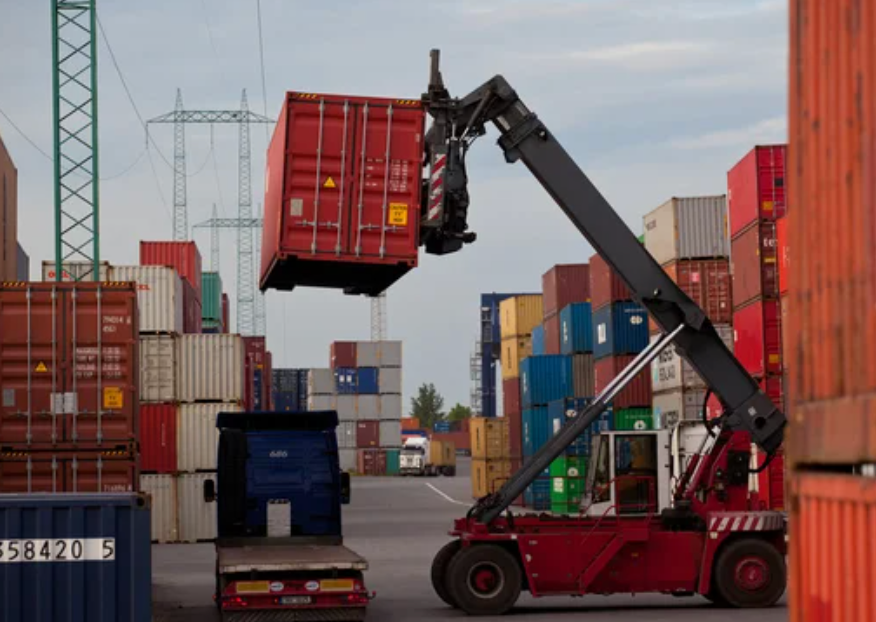
The loading process usually begins after production and final quality approval are completed.
Step 1: Warehouse preparation
Before loading starts, the factory prepares:
- finished products;
- cartons;
- pallets if required;
- loading documents;
- product lists.
Products should be organised according to:
- SKU;
- quantity;
- carton number;
- loading sequence.
Good preparation reduces mistakes during loading.
Step 2: Container inspection
Before products enter the container, workers should check the container condition.
Important checks include:
- container number;
- container size;
- cleanliness;
- dryness;
- damage;
- unusual smell;
- holes or leaks.
A poor-quality container can damage goods even if packaging is perfect.[^3]
Step 3: Product verification
Before loading, confirm:
- correct products;
- correct quantity;
- correct packaging;
- correct labels.
For mixed containers, this step is especially important.
Example:
| SKU | Ordered quantity | Loaded quantity |
|---|---|---|
| Garden trellis | 500 pcs | 500 pcs |
| Bird feeder | 800 pcs | 800 pcs |
| Fence panel | 300 pcs | 300 pcs |
Step 4: Loading arrangement planning
The loading team considers:
- carton size;
- product weight;
- stacking strength;
- unloading sequence.
Common principles include:
- heavy goods at the bottom;
- fragile goods protected;
- similar products grouped together;
- empty spaces reduced.
Step 5: Actual container loading
During loading, workers:
- move cartons into the container;
- arrange stacking;
- add protection materials if needed;
- check product positioning.
For bulky products, loading skills are especially important.
Examples:
- garden fencing;
- wooden products;
- long trellis panels;
- seasonal decorations.
Step 6: Final checking and sealing
After loading:
- confirm final carton count;
- take loading photos;
- close container doors;
- record seal number;
- complete shipping documents.
The container is then released for transportation.
| Loading stage | Main purpose |
|---|---|
| Warehouse preparation | Organise products |
| Container inspection | Prevent damage |
| Product verification | Confirm shipment accuracy |
| Loading planning | Improve efficiency |
| Actual loading | Secure cargo |
| Final sealing | Protect shipment |
A structured loading process helps buyers reduce problems before goods leave the factory.
Common Problems During Container Loading and How to Prevent Them
Even experienced suppliers can face problems during container loading. Most issues can be prevented with proper planning and supervision.
Common container loading problems include incorrect quantities, poor stacking, damaged cartons, wasted space, improper weight distribution, and missing loading records.

Understanding common problems helps buyers create better controls.
Incorrect quantity loading
One of the most common problems is loading the wrong quantity.
Possible causes:
- counting mistakes;
- mixed SKUs;
- incomplete production;
- incorrect carton labels.
Solutions:
- verify carton counts;
- compare with packing lists;
- check SKU labels;
- record loading progress.
Poor carton arrangement
Incorrect stacking can damage products.[^4]
Problems include:
- heavy cartons crushing light products[^5];
- unstable stacks;
- cartons leaning;
- products moving inside containers.
Solutions:
- create loading plans;
- follow weight rules;
- use protection materials;
- train loading workers.
Wasted container space
Poor loading may increase freight costs.
Common causes:
- unsuitable carton sizes;
- random stacking;
- ignoring product dimensions.
Solutions:
- calculate loading plans;
- improve packaging;
- use nesting or flat packing where possible.
Product damage during loading
Damage may happen before shipping begins.
Causes include:
- rough handling;
- weak cartons;
- improper lifting;
- insufficient protection.
Solutions:
- inspect cartons before loading;
- use suitable handling equipment;
- protect fragile products.
Missing loading evidence
Without records, buyers have limited proof of shipment condition.
Useful records include:
- loading photos;
- videos;
- carton lists;
- container seal photos.
Poor communication
Loading problems often happen when information is unclear.
Important communication points:
- loading date;
- product list;
- special requirements;
- photo requirements;
- shipping instructions.
| Problem | Prevention method |
|---|---|
| Wrong quantity | Loading checklist |
| Product damage | Better protection |
| Space waste | Loading planning |
| Unstable stacking | Weight control |
| Missing evidence | Photos and videos |
| Communication gaps | Clear instructions |
Preventing loading problems helps importers avoid expensive corrections after shipment.
How Overseas Buyers Can Monitor and Control Container Loading Quality Remotely
Many overseas buyers cannot travel to China for every shipment, but they can still monitor loading quality through remote supervision.
Overseas buyers can control container loading remotely by requesting loading photos, live videos, digital checklists, third-party supervision, and final shipment records before the container leaves China.
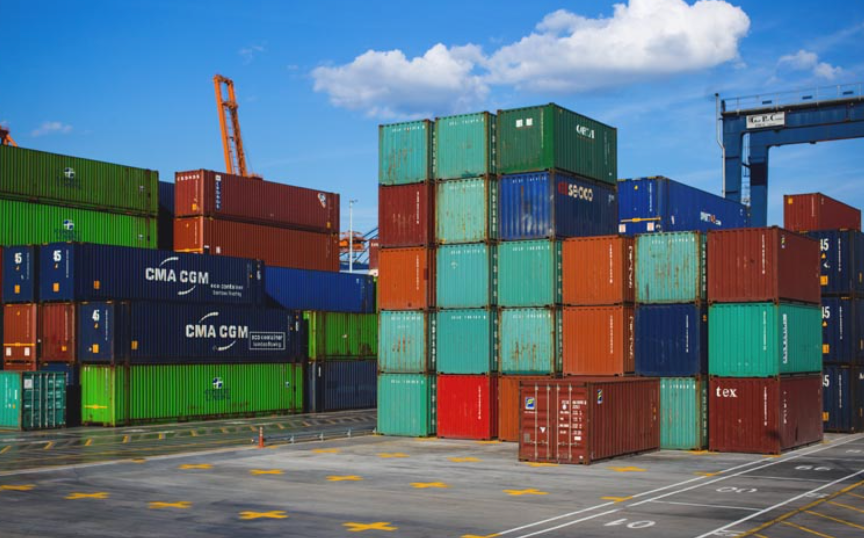
Remote loading supervision is becoming increasingly common for international buyers.
It provides visibility without requiring physical presence.
Request loading photos
Photos should show:
Before loading:
- container condition;
- product cartons;
- labels;
- warehouse preparation.
During loading:
- carton arrangement;
- stacking method;
- product quantity.
After loading:
- full container;
- closed doors;
- seal number.
Use live video communication
Live video allows buyers to see:
- actual loading activities;
- product condition;
- container arrangement;
- final sealing.
Buyers can also ask questions immediately.
Create a loading checklist
A standard checklist improves consistency.
Example:
| Check point | Completed |
|---|---|
| Container inspected | ✓ |
| Quantity confirmed | ✓ |
| Cartons checked | ✓ |
| Loading completed | ✓ |
| Seal recorded | ✓ |
Use third-party loading supervision
For important shipments, buyers may hire inspectors.
They can verify:
- container condition;
- loading method;
- quantity;
- packaging;
- sealing.
This is especially useful for:
- new suppliers;
- large orders;
- high-value products.
Keep shipment records
After loading, buyers should save:
- photos;
- videos;
- inspection reports;
- packing lists;
- shipping documents.
These records help with:
- supplier evaluation[^6];
- quality claims[^7];
- future improvement.
Build a repeatable process
The best remote monitoring system is consistent.
For every shipment:
- confirm requirements;
- monitor loading;
- collect evidence;
- review problems;
- improve future shipments.
| Remote method | Benefit |
|---|---|
| Photos | Visual confirmation |
| Video calls | Real-time monitoring |
| Checklists | Standard control |
| Inspection companies | Independent verification |
| Records | Future reference |
Remote container loading supervision gives buyers better control over international shipments without travelling.
Conclusion
Container loading is a critical stage in international shipping. With proper planning, inspection, and remote monitoring, buyers can reduce risks and ensure goods arrive safely.
[^1]: "A Metric of Global Maritime Supply Chain Disruptions.", https://openknowledge.worldbank.org/bitstreams/f56eba44-aa9c-4f28-80af-d216fffd804d/download. Freight and logistics references commonly describe containerized shipping costs as being allocated per container or by capacity/volume constraints, so unused container space can raise the effective shipping cost per unit carried. Evidence role: general_support; source type: institution. Supports: Container space directly affects shipping cost.. Scope note: This supports the cost mechanism in general terms; actual charges also depend on route, weight, service contract, fuel surcharges, and port or handling fees.
[^2]: "A Hybrid Meta-heuristic for the Container Loading Problem", https://scholarworks.lib.csusb.edu/cgi/viewcontent.cgi?article=1060&context=ciima. Research on the container loading problem treats loading plans as an optimization task intended to improve space utilization and packing efficiency, which can allow more goods to be shipped in the same container capacity. Evidence role: expert_consensus; source type: paper. Supports: Better loading planning can increase container utilisation, products per shipment, and cost efficiency.. Scope note: The source would support the general relationship between optimized loading and utilization; it may not quantify gains for every product type, carton mix, or operational constraint.
[^3]: "Essential Guide to Shipping Container Damage", https://yescontainers.com/shipping-container-damage-prevention-repairs/?srsltid=AfmBOorA_5oEWyB1aag5xMnfDHEj3shKzxWhDuH8pCqsKsKo2WvfrIAU. The CTU Code describes how defects such as holes, water ingress, contamination, or structural damage in cargo transport units can compromise the cargo during transport, supporting the point that container condition can be an independent cause of cargo damage. Evidence role: mechanism; source type: institution. Supports: A poor-quality container can damage goods even if packaging is perfect.. Scope note: The source explains risk mechanisms rather than quantifying how often container defects cause cargo losses.
[^4]: "Proper Stowage of Intermodal Containers for Ocean …", https://rosap.ntl.bts.gov/view/dot/15948/dot_15948_DS1.pdf. Logistics and cargo-securing guidance from transport safety authorities describes improper stowage and load distribution as causes of cargo movement, deformation, and damage during transport. Evidence role: general_support; source type: government. Supports: Incorrect stacking can damage products.. Scope note: Such guidance supports the general relationship between poor stacking/stowage and damage risk, but it may not quantify damage rates for every product category.
[^5]: "IMO/ILO/UNECE CTU Code", https://www.unece.org/fileadmin/DAM/trans/doc/2014/wp24/CTU_Code_January_2014.pdf. Cargo-packing standards explain that loads should be arranged so that heavier items are placed below lighter or more fragile goods, supporting the claim that improper weight distribution can cause crushing damage. Evidence role: mechanism; source type: institution. Supports: Heavy cartons can crush lighter products when stacked incorrectly.. Scope note: The source would provide a handling principle rather than direct evidence about the specific cartons or products in this article.
[^6]: "Guidance on the requirements for Documented Information …", https://www.iso.org/iso/documented_information.pdf. ISO 9001 quality-management guidance requires organizations to evaluate, select, monitor, and re-evaluate external providers and to retain documented information on these activities, supporting the use of saved inspection and shipment records as inputs for supplier evaluation. Evidence role: expert_consensus; source type: institution. Supports: Saved photos, videos, inspection reports, packing lists, and shipping documents help with supplier evaluation.. Scope note: The standard supports the general documentation practice but does not specify that every listed record type must be saved after loading.
[^7]: "How to investigate cargo damage and determine responsibility", https://www.facebook.com/groups/248466367569/posts/10164335948972570/. Cargo-claim and trade-documentation guidance commonly treats contemporaneous evidence such as inspection reports, photographs, packing lists, and transport documents as supporting material for claims about damaged, short, or nonconforming goods, supporting the claim that retained loading records can assist quality claims. Evidence role: general_support; source type: institution. Supports: Saved loading records help with quality claims.. Scope note: Such sources can show that documentation is relevant to claims, but they cannot establish that a particular quality claim will be accepted.