Artificial plants are becoming an important category for European retailers because customers want greener homes and outdoor spaces without high maintenance.
The most successful artificial plant products in Europe combine realistic appearance, practical sizes, sustainable materials, and designs that match modern interior and outdoor living trends.
For retailers, choosing the right product range is more important than simply offering more products.
Which Artificial Plant Styles Are Trending in Europe?
European consumers are increasingly looking for artificial plants that fit modern lifestyles, natural interiors, and flexible living spaces.
Trending artificial plant styles in Europe include realistic greenery, minimalist plants, artificial hanging plants, tropical designs, vertical greenery, and outdoor-friendly artificial plants.

The artificial plant market has moved away from obviously fake plastic designs.
Today’s customers expect products that look closer to real plants and match their home decoration style.
Realistic green plants remain popular
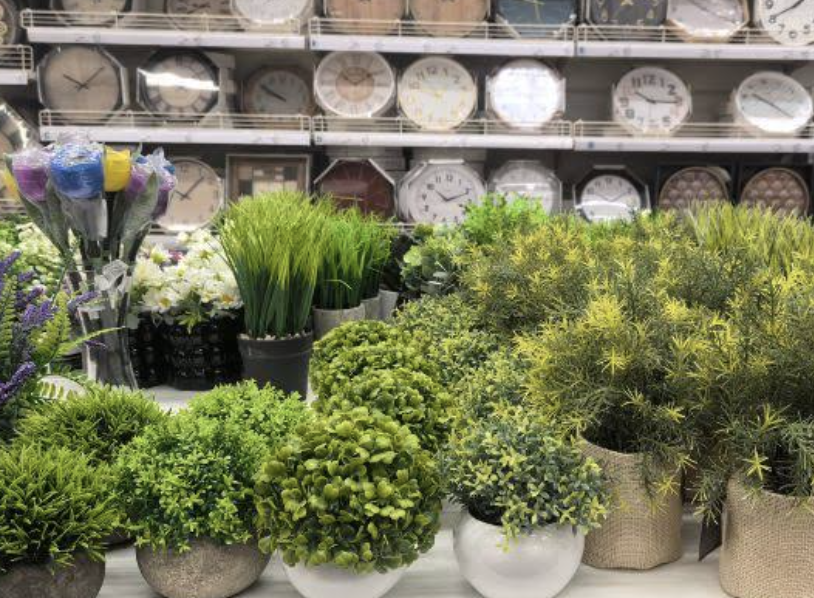
Greenery-style artificial plants continue to be one of the safest choices for retailers.
Popular styles include:
- artificial eucalyptus;
- olive trees;
- artificial ferns;
- boxwood greenery;
- monstera plants;
- artificial grasses.
These products work well because they fit many spaces:
- living rooms;
- balconies;
- offices;
- restaurants;
- hotels.
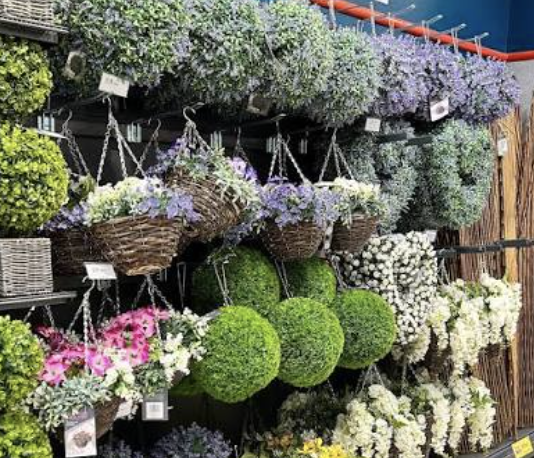
Artificial hanging plants for small spaces
Many European homes have limited outdoor space, especially in urban areas.1
This increases demand for:
- hanging baskets;
- wall plants;
- hanging vines;
- vertical greenery panels2.
These products are popular because they help customers create green spaces without needing large gardens.
Tropical and statement plants
Large tropical-style plants are becoming more common in modern interiors.
Examples:
- artificial palm trees;
- banana plants;
- oversized leaves;
- tropical mixed arrangements.
These products create strong visual impact in:
- hotels;
- cafés;
- commercial spaces;
- modern homes.
Outdoor artificial greenery
Retailers are also seeing opportunities in outdoor products.
Customers look for:
- low-maintenance gardens;
- balcony decoration;
- privacy solutions;
- seasonal outdoor styling.
Popular categories include:
- artificial hedges;
- artificial fence panels;
- outdoor plant walls;
- weather-resistant greenery.
Natural and neutral design styles
European consumers often prefer designs that match natural interiors.
Popular characteristics include:
- soft green colours;
- realistic textures;
- simple pots;
- wooden or woven containers;
- neutral tones.
| Product style | Target market |
|---|---|
| Artificial eucalyptus | Home décor |
| Hanging plants | Small apartments |
| Tropical plants | Premium interiors |
| Green walls | Commercial spaces |
| Outdoor greenery | Gardens and balconies |
Retailers should focus on products that combine decoration and practicality because modern consumers expect artificial plants to fit their lifestyle.
Why Realistic and Natural-Looking Designs Are Becoming More Important
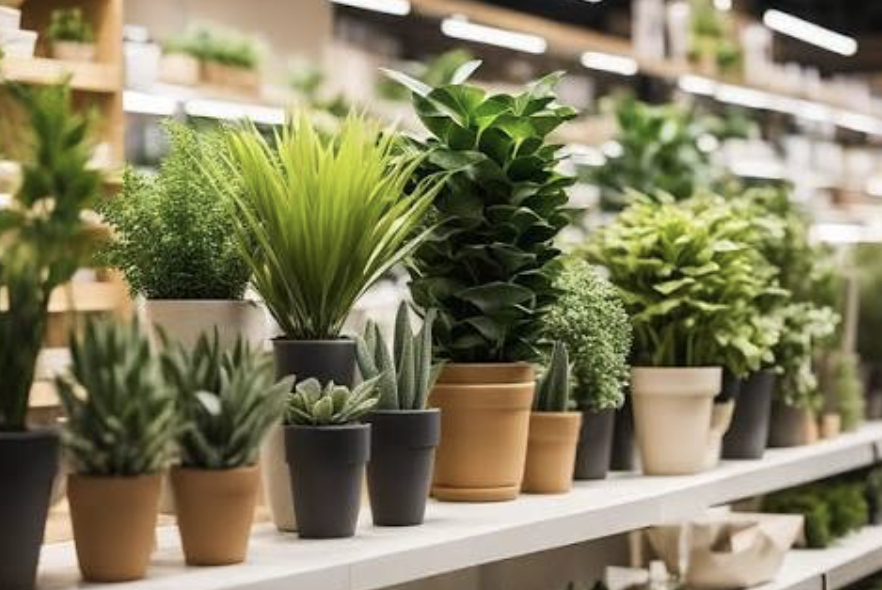
The biggest difference between average and premium artificial plants is realism.
Realistic artificial plants are becoming more important because customers want the beauty of natural greenery without the maintenance, watering, and seasonal limitations of real plants.
In the past, artificial plants were often considered simple decorative products.
Today, they are part of:
- interior design;
- outdoor decoration;
- commercial space styling;
- lifestyle products.
Customers notice details
Modern buyers pay attention to:
- leaf shape;
- colour variation;
- texture;
- plant structure;
- pot design.
A product with unrealistic details may appear cheap even if the price is low.
Material quality affects realism
Different materials create different results.
Common materials include:
PE materials
- realistic texture;
- stronger outdoor performance;
- suitable for greenery products.
PVC materials
- affordable;
- flexible;
- suitable for basic decorative products.
Fabric materials
- soft appearance;
- suitable for flowers and premium designs.
The best choice depends on:
- product positioning;
- target price;
- application.
Realistic structure increases perceived value
Customers often accept higher prices when products look premium.3
Important design details include:
- different leaf sizes4;
- natural branch direction;
- realistic colour differences;
- flexible stems;
- detailed surfaces.
Premium packaging also influences perception
The customer experience starts before the product is installed.
Retailers should consider:
- attractive packaging;
- clear product information;
- easy assembly instructions;
- protective packaging.
Outdoor performance is becoming important
For garden retailers, artificial plants must handle outdoor conditions.
Important features include:
- UV resistance;
- moisture resistance;
- stronger materials;
- stable structures.
| Quality feature | Customer benefit |
|---|---|
| Realistic texture | More natural appearance |
| Colour variation | Higher visual value |
| Strong structure | Better durability |
| UV resistance | Outdoor use |
| Premium packaging | Better retail experience |
Retailers who invest in realistic designs can create stronger product value and higher customer satisfaction.
What Sizes and Product Categories Should European Retailers Stock?
A successful artificial plant range needs the right balance of sizes, prices, and applications.
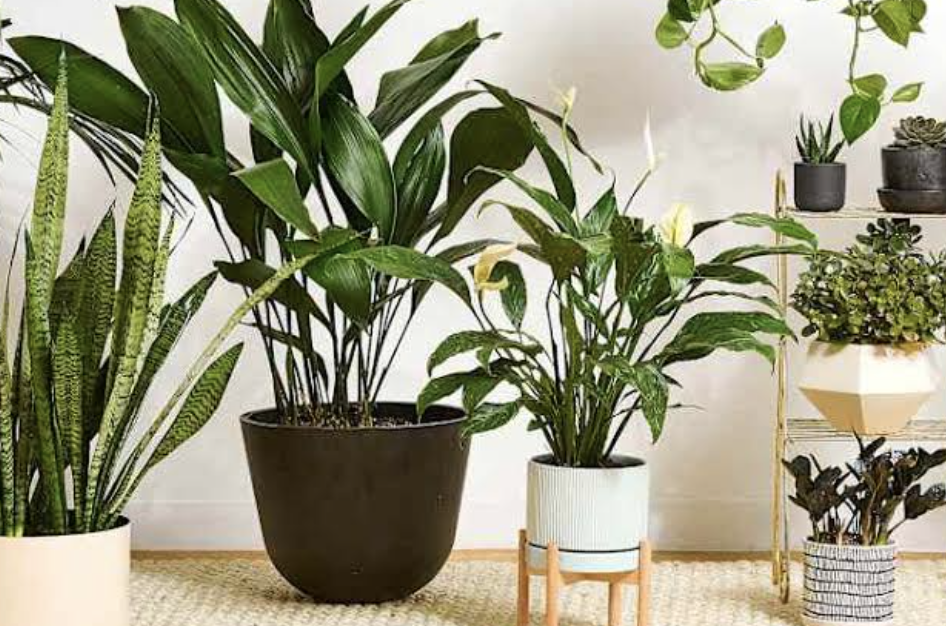
European retailers should stock a mix of small decorative plants, medium-sized home décor plants, large statement plants, outdoor greenery, and seasonal artificial plant products to cover different customer needs.
Offering only one product type limits sales opportunities.
Different customers purchase artificial plants for different reasons.
Small artificial plants for everyday decoration
Small products are ideal for:
- apartments;
- desks;
- shelves;
- kitchens;
- bathrooms.
Popular products include:
- mini potted plants;
- small succulents;
- tabletop greenery;
- small flower arrangements.
Advantages:
- affordable;
- easy to ship;
- suitable for impulse purchases.
Medium plants for home interiors
Medium-sized plants are often the core retail category.
Examples:
- 60–120 cm plants;
- decorative floor plants;
- artificial trees in pots.
They work well for:
- living rooms;
- offices;
- bedrooms;
- restaurants.
Large statement plants
Large artificial plants create premium visual effects.5
Examples:
- artificial palm trees;
- large tropical plants;
- oversized greenery.
These products are suitable for:
Outdoor and garden categories
Garden retailers should consider:
- artificial hedges;
- green walls;
- outdoor hanging plants;
- weather-resistant plants.
These products support:
- balcony decoration;
- garden privacy;
- low-maintenance landscaping.
Seasonal artificial plants
Seasonal products create additional sales opportunities.
Examples:
- Christmas greenery;
- artificial wreaths;
- festive arrangements;
- seasonal flower decorations.
| Category | Best application |
|---|---|
| Small plants | Home accessories |
| Medium plants | Interior decoration |
| Large plants | Premium spaces |
| Outdoor greenery | Gardens and balconies |
| Seasonal products | Holiday sales |
A balanced product range helps retailers capture different customer groups and price levels.
How Should Retailers Build a Balanced Artificial Plant Range?
Building a successful artificial plant collection requires more than selecting popular products. Retailers need a strategy that balances design, price, quality, and customer demand.
Retailers should build an artificial plant range by combining best-selling basic products, premium designs, different price levels, seasonal items, and products suitable for their specific market.
A strong product range usually includes three levels.
Entry-level products
These products attract price-sensitive customers.
Characteristics:
- simple designs;
- affordable materials;
- smaller sizes;
- easy purchasing decisions.
Examples:
- mini plants;
- basic greenery;
- small decorative pots.
Mid-range products
These are usually the core sales products.
Characteristics:
- better realism;
- improved materials;
- attractive packaging;
- wider applications.
Examples:
- medium artificial trees;
- realistic flowers;
- decorative planters.
Premium products
Premium products create higher margins.7
Characteristics:
- advanced realism;
- larger sizes;
- better materials8;
- unique designs.
Examples:
- artificial olive trees;
- luxury greenery walls;
- commercial decoration plants.
Adapt products for different European markets
Different countries may prefer different styles.
Retailers should consider:
- climate;
- home size;
- garden culture;
- customer preferences.
For example:
Urban markets may prefer:
- balcony plants;
- compact designs;
- vertical greenery.
Garden-focused markets may prefer:
- outdoor plants;
- larger greenery;
- privacy solutions.
Work with suppliers who support flexibility
Retailers should look for suppliers that provide:
- OEM options;
- small MOQ;
- custom colours;
- packaging support;
- new product development.
This allows retailers to test new trends without large risks.
Review sales data regularly
A successful range should evolve.
Retailers should track:
- best-selling styles;
- customer feedback;
- seasonal demand;
- price performance.
| Product level | Purpose |
|---|---|
| Entry level | Attract customers |
| Mid range | Main sales volume |
| Premium | Increase profit |
| Seasonal | Create extra opportunities |
The right product strategy helps retailers build a profitable artificial plant category for long-term growth.
Conclusion
European artificial plant trends are moving toward realistic, practical, and lifestyle-focused products. Retailers can succeed by choosing the right styles, sizes, materials, and supplier partnerships.
-
"OECD Data Explorer • Population and built-up density – Cities and FUAs", https://data-explorer.oecd.org/s/1e6. Urban housing statistics and European urbanization data can support the context that a large share of Europeans live in dense urban settings where private outdoor space is often constrained. Evidence role: general_support; source type: institution. Supports: Many European homes have limited outdoor space, especially in urban areas.. Scope note: Such sources may document urban density or housing conditions broadly, rather than proving that every urban European home has limited outdoor space. ↩
-
"Living walls enhancing the urban realm: a review – PMC – NIH", https://pmc.ncbi.nlm.nih.gov/articles/PMC8905026/. Research on vertical greening systems describes green walls and vertical greenery panels as space-efficient ways to add vegetation to buildings where ground-level planting area is limited. Evidence role: mechanism; source type: paper. Supports: Vertical greenery panels help customers create green spaces without needing large gardens.. Scope note: This supports the functional rationale for vertical greenery in space-constrained settings, but does not by itself measure consumer demand for these products. ↩
-
"The Influence of Product Aesthetics on Consumer Inference Making", https://www.journals.uchicago.edu/doi/abs/10.1086/705033. Research in consumer behavior finds that product aesthetics and perceived quality can increase consumers’ willingness to pay, supporting the general link between premium appearance and price acceptance. Evidence role: general_support; source type: paper. Supports: Customers often accept higher prices when products look premium.. Scope note: The evidence is likely to be general to product design and consumer perception, not specific to this exact product category. ↩
-
"Morphological variation of leaf traits in the Ternstroemia … – PMC", https://pmc.ncbi.nlm.nih.gov/articles/PMC6956789/. Botanical morphology sources describe natural variation in leaf size, colour, branching pattern, and surface traits, providing contextual support for using these details as cues in realistic plant representation. Evidence role: general_support; source type: education. Supports: Important design details include different leaf sizes, natural branch direction, realistic colour differences, flexible stems, and detailed surfaces.. Scope note: This supports the realism rationale for the listed design details, but it does not directly prove that each feature increases customer valuation. ↩
-
"Effects of Indoor Plants on Human Functions: A Systematic Review …", https://pmc.ncbi.nlm.nih.gov/articles/PMC9224521/. Research on indoor greenery and biophilic design indicates that plant elements can affect perceived environmental quality and visual preference in interiors; this supports the aesthetic rationale for using large artificial plants as design features, although most empirical work examines living plants or greenery in general rather than oversized artificial products specifically. Evidence role: general_support; source type: paper. Supports: Large artificial plants create premium visual effects.. Scope note: Contextual support only: the evidence may concern indoor plants or biophilic elements broadly, not artificial large plants specifically. ↩
-
"Biophilic Design: Integrating Nature Into Modern Interiors – RMCAD", https://www.rmcad.edu/blog/biophilic-design-integrating-nature-into-modern-interiors/. Studies and reviews of biophilic design in hospitality settings describe plants and nature-based interior elements as commonly used to shape guest experience and perceived ambience; this supports the suitability of large decorative greenery for hotels, while not proving that any specific artificial plant product is appropriate for every hotel context. Evidence role: general_support; source type: paper. Supports: Artificial palms, tropical plants, and oversized greenery are suitable for hotels.. Scope note: Supports the relevance of greenery in hotel interiors generally, not a universal product-fit claim for all hotel types or artificial plants specifically. ↩
-
"Price Competition and Product Differentiation Based on the … – PMC", https://pmc.ncbi.nlm.nih.gov/articles/PMC7038382/. Sources on marketing and pricing strategy document that premium positioning can support higher price premiums and margins when customers perceive superior quality or differentiation. Evidence role: expert_consensus; source type: paper. Supports: Premium products create higher margins.. Scope note: This supports the general pricing mechanism; it does not prove that every premium artificial plant product will achieve higher margins. ↩
-
"Linking product design and durability: A review and research …", https://pmc.ncbi.nlm.nih.gov/articles/PMC9513616/. Materials and product-design literature indicates that material selection affects perceived quality, durability, and product value, which helps contextualize why superior materials are commonly associated with premium goods. Evidence role: mechanism; source type: paper. Supports: Better materials are a characteristic of premium products.. Scope note: The evidence would be contextual unless it specifically studies artificial plants or faux greenery products. ↩