2027 Spring Garden Products: Which Products Should Retailers Keep, Upgrade or Drop?
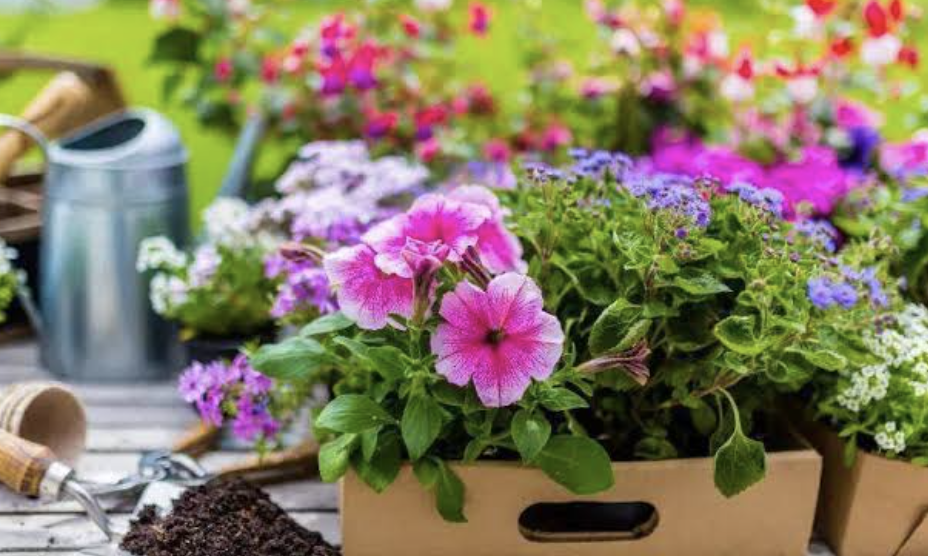
Spring garden sales are changing. Retailers can no longer rely only on traditional best-sellers without checking whether they still match modern consumer needs.
For spring 2027, garden retailers should keep proven core products, upgrade items that need better sustainability or weather performance, and reduce products that feel outdated, low-quality, bulky, or difficult to sell.
The best product range should be practical, climate-ready, wildlife-friendly, and easy for customers to understand.
Which Core Garden Products Should Retailers Keep for Spring 2027?
Retailers should keep garden products that solve real customer needs, sell consistently, and fit long-term gardening habits.
Core garden products to keep for spring 2027 include planters, trellises, bird feeders, watering products, garden edging, plant supports, outdoor décor, and basic hand tools because they remain useful across many garden types.
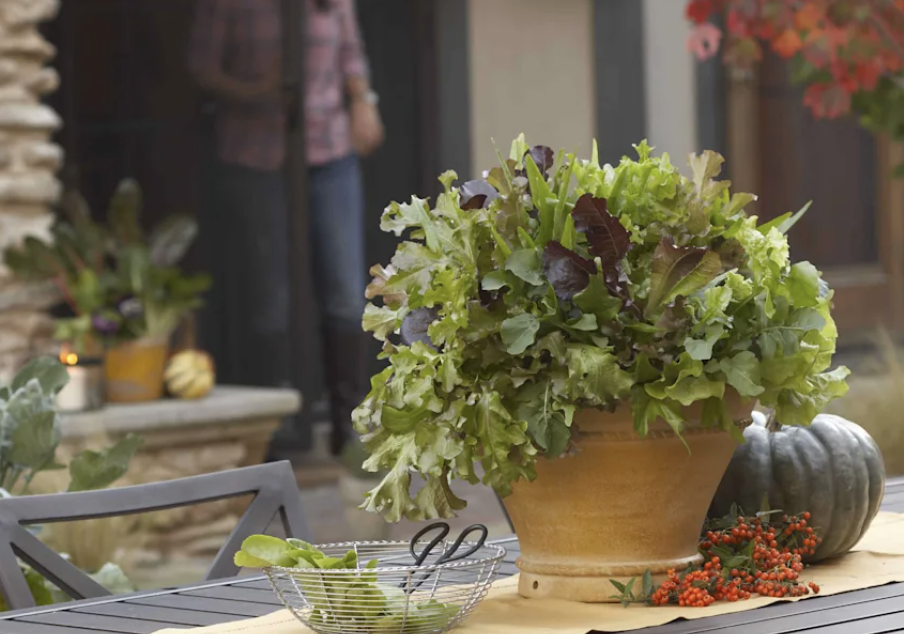
Not every product needs to be replaced just because a new season is coming.
Some categories remain strong because they answer basic gardening needs:
- growing plants;
- watering;
- supporting climbers;
- feeding birds;
- organising garden spaces;
- decorating outdoor areas.
These products should stay in the range, but retailers may need to refresh colours, packaging, materials, or display methods.
Keep planters and flower pots
Planters are still one of the most important garden categories1.
They work for:
For spring 2027, retailers should keep:
- balcony planters;
- hanging baskets;
- large outdoor pots;
- self-watering pots;
- terracotta-style planters;
- recycled plastic planters.
Planters are practical and easy to cross-sell with soil, seeds, watering cans, plant labels, and garden tools.
Keep trellises and plant supports
Trellises are useful because they support several trends at once.
They help with:
- vertical gardening;
- small-space planting;
- climbing plants;
- privacy;
- garden decoration.
Retailers should keep:
- willow trellises;
- wooden trellises;
- metal trellises;
- expandable trellises;
- planter-trellis combinations;
- garden arches.
The key is to offer different materials and sizes for different gardens.
Keep bird care products
Wildlife-friendly gardening continues to influence product demand. RHS has highlighted wildlife support and pollinator-friendly planting as important gardening themes, especially under changing climate conditions.
Retailers should keep:
- bird feeders;
- bird tables;
- bird baths;
- nesting boxes;
- squirrel-resistant feeders;
- insect hotels.
Bird care products are attractive because customers understand them quickly.
They are also suitable for gift buying and repeat sales.
Keep watering and basic garden care products
Spring gardeners always need practical tools.
Retailers should keep:
- watering cans;
- hose connectors;
- spray nozzles;
- gloves;
- hand trowels;
- pruning tools;
- plant labels;
- kneeling pads.
These products may not look trendy, but they support regular repeat demand.
Keep garden edging and boundary products
Garden edging helps customers organise outdoor spaces.
Useful products include:
- willow edging;
- bamboo edging;
- metal lawn edging;
- plastic lawn borders;
- small decorative fences.
These products are especially useful for spring garden refresh projects.
| Product category to keep | Why it should stay |
|---|---|
| Planters | Core planting demand |
| Trellises | Vertical gardening and privacy |
| Bird feeders | Wildlife-friendly gardening |
| Watering products | Everyday garden care |
| Garden edging | Easy garden organisation |
| Hand tools | Regular repeat demand |
| Outdoor décor | Lifestyle and decoration |
The best “keep” products are those that remain useful across different garden sizes and customer groups.
Which Garden Products Need an Upgrade to Match 2027 Consumer Needs?
Some products should not be dropped, but they need improvement to match modern expectations.
Garden products that need upgrading include plastic planters, trellises, bird feeders, outdoor décor, watering tools, packaging, and garden screens because customers now expect better durability, sustainability, weather resistance, and easier use.
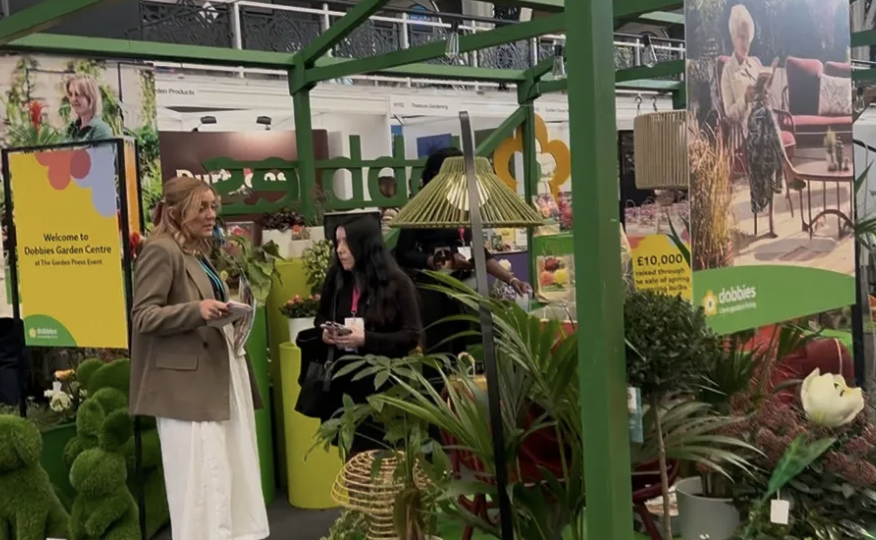
A product may still sell, but that does not mean it is ready for 2027.
Consumer expectations are changing.
Customers are asking for:
- longer lifespan;
- lower maintenance;
- better outdoor durability;
- recyclable packaging;
- more natural appearance;
- easier installation;
- water-saving benefits.
Retailers should review existing products and decide which ones need upgrades.
Upgrade plastic planters
Basic plastic pots still have a place, but cheap thin plastic is becoming less attractive.
Better options include:
- thicker walls;
- recycled plastic content;
- UV-resistant material;
- self-watering design;
- better colour finishes;
- stone-effect or terracotta-effect surfaces.
Planters should look better and last longer.
Upgrade trellises and screens
Trellises should match small-space and climate-resilient gardening needs.
Useful upgrades include:
- foldable design;
- compact packaging;
- stronger frames;
- weather-resistant coating3;
- natural materials;
- planter-trellis combinations.
For balconies and patios, easy installation is especially important4.
Upgrade bird feeders
Bird feeders should be easier to clean and more weather-resistant.
Useful improvements include:
- removable parts;
- stronger hanging hooks;
- drainage holes;
- squirrel-resistant design;
- weatherproof roofs;
- durable metal or recycled material.
Cleanliness matters because dirty feeders can discourage birds and create health risks.
Upgrade outdoor décor
Outdoor décor should not be only decorative.
Retailers should choose designs with:
- UV resistance;
- waterproof finishes;
- stronger resin;
- rust-resistant metal;
- stable bases;
- practical packaging.
Examples include:
- outdoor clocks;
- solar lights;
- resin animal ornaments;
- wall décor;
- garden mirrors.
Upgrade packaging
Packaging is becoming part of product value.
RHS retail has moved toward peat-free plant retail commitments from 2026, showing how sustainability expectations are affecting garden retail decisions more broadly.
Retailers should also review packaging:
- reduce unnecessary plastic;
- use recyclable cartons;
- improve carton strength;
- reduce empty space;
- make labels clearer;
- improve container loading efficiency.
| Product needing upgrade | Upgrade direction |
|---|---|
| Plastic planters | Recycled, UV-resistant, self-watering |
| Trellises | Foldable, stronger, natural-looking |
| Bird feeders | Easy-clean and weatherproof |
| Outdoor décor | UV and rust resistance |
| Watering tools | Water-saving features |
| Packaging | Recyclable and compact |
The best upgrade strategy is improving products customers already understand.
Which Garden Products Should Retailers Consider Reducing or Dropping?
Retailers should reduce products that create low margins, high complaints, poor storage efficiency, or weak relevance to 2027 garden trends.
Products to consider reducing or dropping include low-quality disposable plastic items, bulky slow-moving products, weak outdoor décor, difficult-to-maintain feeders, outdated designs, and products with poor packaging efficiency.
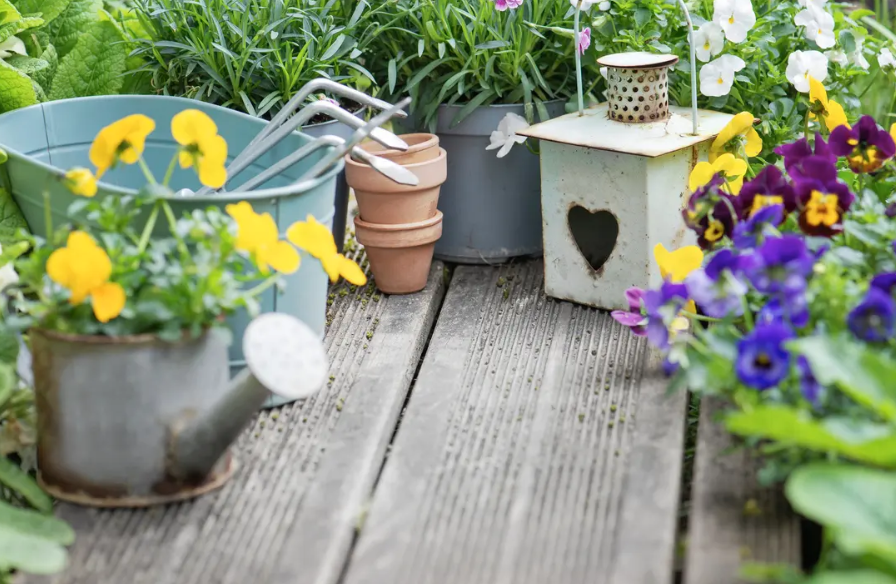
Dropping products is not always easy.
Retailers may keep old items because:
- they sold well before;
- suppliers still offer them;
- prices look attractive;
- buyers are familiar with them.
But a smarter range requires space for better products.
Drop products with poor outdoor durability
Outdoor products that fail quickly can damage customer trust.
Retailers should reduce items that suffer from:
- fast UV fading;
- cracking;
- rusting;
- weak joints;
- poor waterproofing;
- colour peeling.
Examples may include:
- thin plastic garden ornaments;
- untreated metal décor;
- low-grade outdoor clocks;
- weak trellises;
- poor-quality garden screens.
A cheap product that creates returns is not really cheap.
Reduce bulky products with low sales speed
Large products take up:
- container space;
- warehouse space;
- retail display space.
If a bulky product sells slowly, it may reduce overall profit.
Retailers should review:
- sales per cubic metre;
- storage cost;
- freight cost;
- display performance.
For bulky items, packaging and loading efficiency are very important.
Drop unclear “eco” products with weak proof
Customers are becoming more careful about sustainability claims.5
Retailers should avoid products that use vague claims6 such as:
- “eco material”;
- “green product”;
- “natural style”;
without clear explanation.
Better products should explain the actual benefit:
- recycled material;
- recyclable packaging;
- reusable design;
- long outdoor lifespan;
- water-saving function.
Reduce difficult-to-clean bird feeders
Bird feeders should be easy to maintain.
Feeders that trap old food, moisture, or dirt may create customer dissatisfaction.
Better choices are designs with:
- removable lids;
- drainage holes;
- easy access;
- smooth cleaning surfaces.
Drop outdated visual styles
Some garden products may feel old-fashioned in a negative way.
Retailers should reduce designs that are:
- overly bright;
- too artificial-looking;
- poor in finish;
- mismatched with modern gardens;
- difficult to display.
Modern garden buyers often prefer natural colours, matte finishes, simple shapes, and products that blend with planting.
| Product to reduce/drop | Reason |
|---|---|
| Thin disposable plastic | Poor durability |
| Weak outdoor décor | High complaint risk |
| Bulky slow movers | Low space efficiency |
| Vague eco products | Weak customer trust |
| Hard-clean feeders | Maintenance problems |
| Outdated styles | Low modern appeal |
Dropping the wrong products creates space for better-margin, better-performing spring garden ranges.
How Can Retailers Build a Smarter 2027 Spring Garden Range?
A smarter 2027 spring garden range should combine proven core products with upgraded, climate-ready, wildlife-friendly, and space-efficient items.
Retailers can build a smarter spring 2027 garden range by keeping reliable basics, upgrading key categories, reducing weak products, and organising stock around customer needs such as water saving, wildlife support, privacy, small-space gardening, and outdoor living.
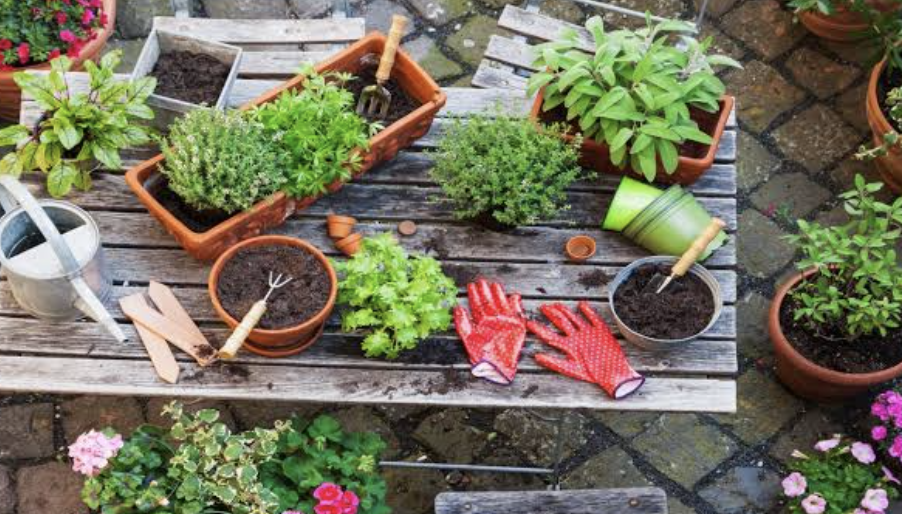
The strongest garden ranges are not just collections of products.
They are solutions.
Customers do not walk into a garden centre only looking for “items”.
They often need help with real problems:
- How can I make my garden more private?
- How can I save water?
- How can I attract birds?
- How can I make my balcony greener?
- How can I refresh my garden for spring?
Retailers should build product groups around these needs.
Build product groups by theme
A practical spring 2027 range could include:
Wildlife-friendly garden range
- bird feeders;
- bird baths;
- insect hotels;
- nest boxes;
- pollinator plant supports.
Water-saving garden range
- rain barrels;
- self-watering pots;
- drip irrigation kits;
- moisture meters;
- mulch mats.
Small-space garden range
- balcony planters;
- hanging baskets;
- expandable trellises;
- compact tools;
- wall planters.
Privacy and outdoor living range
- garden screens;
- trellises;
- planter dividers;
- outdoor clocks;
- solar lights.
Natural garden style range
- willow edging;
- bamboo screens;
- wooden bird houses;
- terracotta planters;
- rustic décor.
Use a keep-upgrade-drop review table
Retailers can review products like this:
| Decision | Product examples | Action |
|---|---|---|
| Keep | Planters, trellises, feeders, tools | Maintain core range |
| Upgrade | Plastic pots, screens, décor, packaging | Improve materials and features |
| Drop | Weak, outdated, bulky slow movers | Reduce stock or replace |
| Test | New climate-resilient products | Trial in limited quantities |
This helps avoid emotional buying decisions.
Balance price levels
A good spring range should include:
- entry-level products;
- mid-range best-sellers;
- premium durable options.
Customers have different budgets.
But even low-price products should meet basic quality expectations.
Work with flexible suppliers
Retailers should choose suppliers that can support:
- mixed containers;
- OEM packaging;
- small trial orders;
- material upgrades;
- compact packaging;
- reliable delivery;
- product development.
For spring goods, delivery timing is critical7.
Late arrival can miss the sales season8.
Review data after every season
After spring 2027, retailers should review:
- best sellers;
- slow movers;
- return rates;
- customer comments;
- display performance;
- shipping cost per unit.
This makes the next season smarter.
| Retailer goal | Product strategy |
|---|---|
| Higher sales | Keep proven core products |
| Better margins | Upgrade quality and design |
| Less waste | Drop weak slow-moving items |
| Stronger trend fit | Add climate and wildlife products |
| Better logistics | Improve packaging efficiency |
| Lower risk | Test new products gradually |
A smarter garden range is built by keeping what works, improving what matters, and removing what no longer fits.
Conclusion
For spring 2027, retailers should not simply add more products. They should keep reliable basics, upgrade key categories, and drop weak items to build a smarter, more profitable garden range.
-
"Container Gardening Basics", https://ucanr.edu/site/uc-master-gardeners-santa-clara-county/container-gardening-basics. Industry or institutional gardening market data can support that planters and related container-gardening products form a significant segment of consumer gardening demand; however, such data would usually substantiate category importance in a recent market context rather than prove the ranking implied by “one of the most important.” Evidence role: statistic; source type: institution. Supports: Planters remain one of the most important garden retail categories.. Scope note: The source may show market size, consumer participation, or sales relevance, but may not directly rank planters against all garden categories. ↩
-
"Outdoor Container Gardening with Flowering and Foliage …", https://njaes.rutgers.edu/fs1215/. Urban horticulture and extension sources describe container gardening as suitable for limited-space settings such as balconies, patios, and terraces; this supports the practical suitability of planters for such locations, though it does not establish demand for any specific retail season. Evidence role: general_support; source type: education. Supports: Planters are appropriate for balconies and other small outdoor or indoor-outdoor spaces.. Scope note: The evidence would support suitability of planters for small-space gardening, not the specific Spring 2027 assortment recommendation. ↩
-
"Selection and Application of Exterior Finishes for Wood", https://www.extension.purdue.edu/extmedia/ncr/ncr-135.html. Outdoor wood and metal garden structures are exposed to moisture, ultraviolet radiation, and temperature variation; extension and materials guidance commonly identifies protective coatings or corrosion-resistant finishes as methods for reducing weathering and prolonging service life. Evidence role: mechanism; source type: education. Supports: Weather-resistant coating is a useful upgrade for trellises intended for outdoor small-space gardening.. Scope note: This supports the durability rationale for coatings in outdoor use generally, but it may not evaluate trellises as a product category specifically. ↩
-
"Try Container Gardening – A Great Option for Small Spaces", https://lancaster.unl.edu/try-container-gardening-great-option-small-spaces/. University and extension guidance on balcony or container gardening emphasizes space, weight, access, and practical setup constraints; this contextual evidence supports the importance of easily installed structures in balconies and patios, though it does not directly rank installation ease against other trellis features. Evidence role: general_support; source type: education. Supports: Easy installation is especially important for trellises used on balconies and patios.. Scope note: The support is contextual rather than a direct consumer-preference study on trellis installation. ↩
-
"Protecting and empowering consumers in the green …", https://www.oecd.org/en/publications/protecting-and-empowering-consumers-in-the-green-transition_12f28e4f-en.html. Consumer-protection research and policy reports document rising scrutiny of environmental claims and concern about misleading green marketing, supporting the need to treat sustainability statements as claims that buyers may evaluate critically. Evidence role: general_support; source type: institution. Supports: Customers are becoming more careful about sustainability claims.. Scope note: This supports the broader trend of consumer scrutiny; it may not measure the article’s specific customer segment or market. ↩
-
"Green Claims Code: How the UK Competition and Markets Authority …", https://www.curtis.com/our-firm/news/green-claims-code-how-the-uk-competition-and-markets-authority-is-saying-enough-to-corporate-greenwashing. Government guidance on environmental marketing states that broad environmental claims should be clear, specific, and substantiated, supporting the caution against vague terms such as “green” or “eco” when they are not explained. Evidence role: expert_consensus; source type: government. Supports: Retailers should avoid products that use vague sustainability claims without clear explanation.. Scope note: Such guidance establishes regulatory and consumer-protection expectations rather than proving that every vague phrase is unlawful in all jurisdictions. ↩
-
"Talking holiday retail supply chain concerns with U of M", https://twin-cities.umn.edu/news-events/talking-holiday-retail-supply-chain-concerns-u-m. Seasonal merchandise management research and retail operations literature note that products tied to a specific selling season are time-sensitive because demand is concentrated in a limited calendar window. Evidence role: expert_consensus; source type: paper. Supports: For spring goods, delivery timing is critical.. Scope note: This supports the general importance of timing for seasonal retail goods, but it may not address every category of spring goods specifically. ↩
-
"Seasonal Demand Management in Warehouses – Productiv", https://getproductiv.com/blog/seasonal-demand-management. Studies of fashion and seasonal retail supply chains describe how delayed product availability can reduce sales opportunities because demand often peaks during a short season and declines afterward. Evidence role: mechanism; source type: paper. Supports: Late arrival can miss the sales season.. Scope note: The evidence is likely to be contextual from seasonal or fashion retail supply chains rather than direct proof for all spring goods categories. ↩