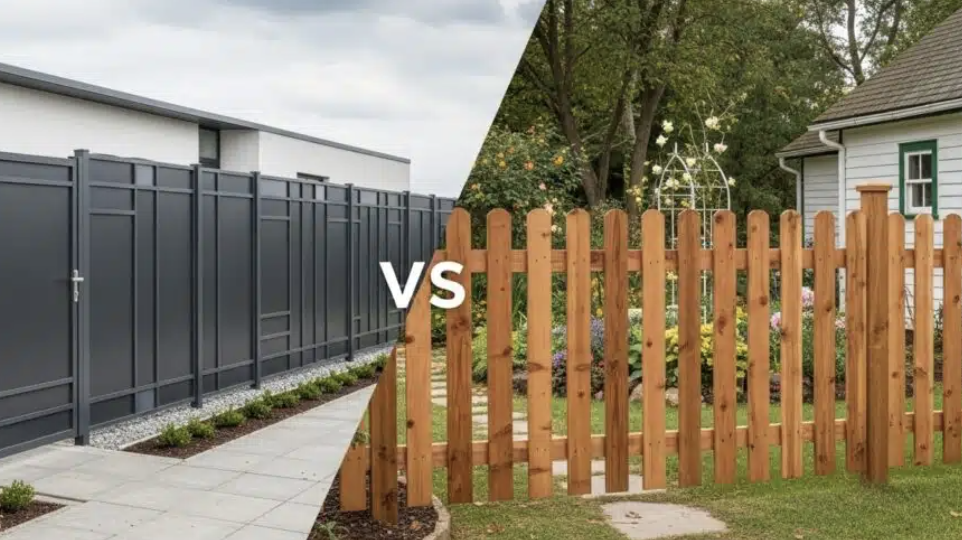
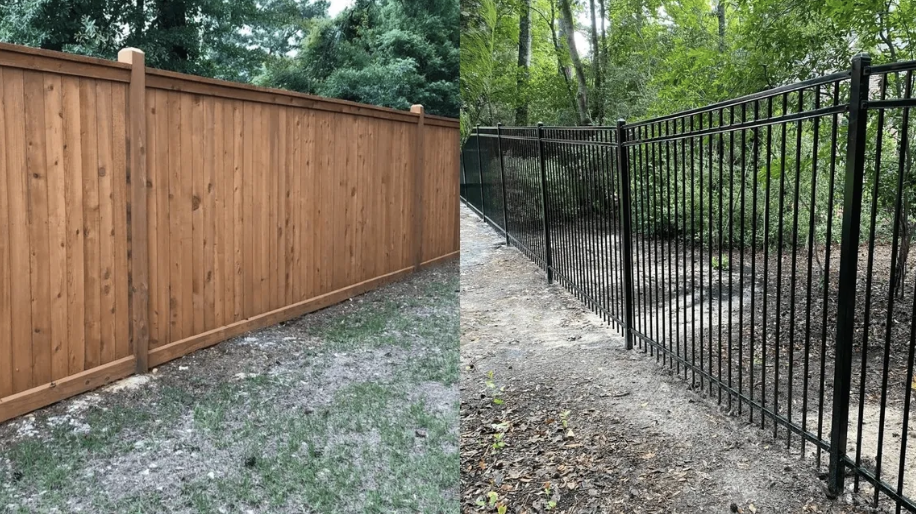
I’ve seen buyers fall in love with wooden fences in photos… and then panic after one wet season when the color changes.
Wooden fence panels win on warm, natural look and “classic garden” appeal. Metal fence panels win on modern style, strength, and lower day-to-day maintenance. The better choice depends on your market’s climate, channel, and price band.
Let’s talk about it like real business, not like a brochure.
What Buyers Usually Expect from Wooden Garden Fence Panels
Wooden fence panels sell because they feel natural, familiar, and “homey.” But buyers also expect them to behave like outdoor products.
Buyers expect wooden garden fence panels to look warm and natural, install easily, and hold color and shape outdoors. They also expect decent treatment against moisture, rot, and insects—especially in rainy European climates.
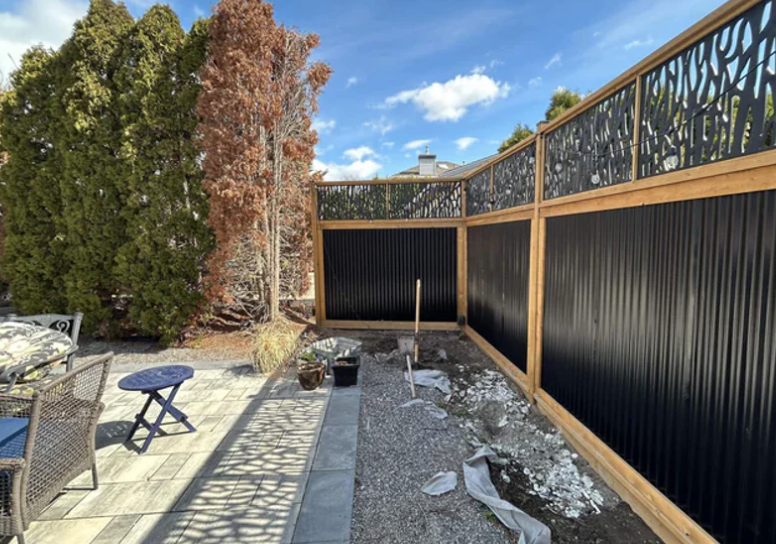
When a customer asks me for wood fences, they usually want a feeling more than a spec.
They want:
- a cozy backyard vibe
- a soft, natural texture
- something that matches plants and flowers
- a fence that doesn’t look “industrial”
That’s the emotional part.
But the practical expectations are just as important.
1) Stable boards and straight panels
The number one complaint with cheap wood panels is simple:
- warping
- twisting
- uneven gaps
A buyer expects panels to stay straight after installation, not become “wavy art.”
So they often ask about:
- wood moisture control[^1]
- thickness
- frame structure
- fastener quality[^2]
2) Outdoor treatment that makes sense
Most buyers don’t want to repaint every month.
They expect:
- basic moisture resistance
- anti-rot treatment
- outdoor-friendly paint or stain
- decent edge sealing
If the treatment is weak, the fence can:
- fade fast
- grow mold
- crack
- split at screw points
3) A “natural look” that still feels premium
Wood is supposed to look natural.
But “natural” should not mean “rough.”
Buyers still expect:
- smooth edges (no splinters)
- consistent color tone within the set
- clean finishing
- stable packaging that avoids corner damage
Wooden fence expectation table
| Buyer expectation | What it means | Common failure |
|---|---|---|
| Natural look | warm texture and color | inconsistent tone |
| Straight panels | stable structure | warping/twisting |
| Outdoor treatment | survives rain/sun | mold, cracking |
| Safe finish | no sharp edges | splinters |
If you’re sourcing wood, I always recommend a simple wood outdoor checklist to lock standards early.
Why Metal Fence Panels Are Popular in Modern Outdoor Spaces
Metal fence panels[^3] feel clean, strong, and modern. They’re popular because they match today’s outdoor design trends[^4] and require less ongoing care.
Metal fence panels are popular in modern outdoor spaces because they look minimal and stylish, feel stronger than wood, and usually require less maintenance. When coating quality is good, metal also performs well in long-term outdoor exposure.
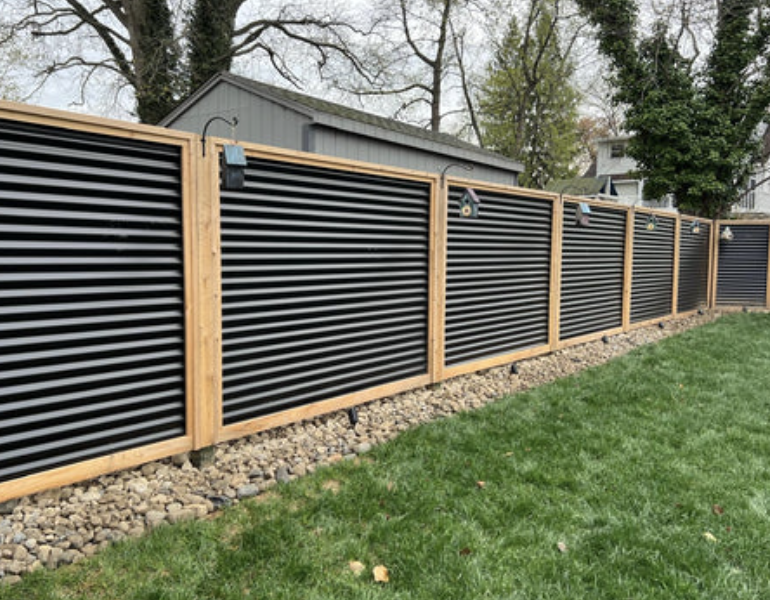
Let me describe what I see in modern markets.
More patios and gardens today look like:
- clean lines
- black/grey tones
- simple geometry
- “outdoor living room” style
Metal panels fit that trend perfectly.
1) The “modern black fence” effect
Black metal fence panels are like the little black dress of garden products.
They:
- match almost everything
- look premium quickly
- feel architectural
- make plants stand out
That’s why they sell well in modern outdoor décor programs.
2) Strength and stability feel safer
Even if buyers don’t need real “security,” they like the feeling of sturdiness.
Metal panels often give:
- stronger structure
- fewer warping issues
- cleaner, sharper edges (when made well)
3) Lower routine maintenance
Wood is beautiful, but it often needs:
- staining[^5]
- repainting
- fixing warped boards
Metal usually needs:
- basic cleaning[^6]
- checking for scratches
- occasional touch-up paint (if scratched)
So for many homeowners, metal feels easier.
4) Metal still has one big requirement: coating control
I always say this clearly:
Metal doesn’t rust because it’s metal.
Metal rusts because the coating failed.
So the coating system matters:
- powder coating quality
- thickness and coverage
- rust-resistant screws/hardware
- scratch protection in packaging
Metal fence appeal table
| Why metal is popular | What it means in retail |
|---|---|
| Modern style fit | matches current outdoor trends |
| Strong perception | feels premium and safe |
| Less maintenance | easier customer experience |
| Clean lines | better visual merchandising |
If you’re comparing suppliers, I suggest asking for a coating spec note and packaging photos early.
How to Compare Durability, Maintenance, and Cost
This is the part where buyers often get trapped by unit price and forget total cost.
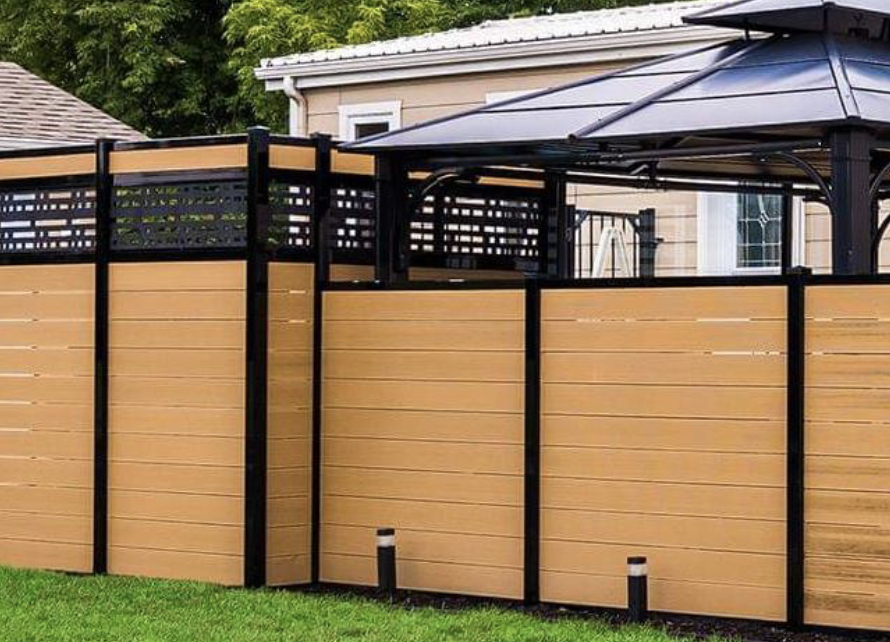
Compare durability, maintenance, and cost by looking at total ownership: wood needs more ongoing care and can warp, while metal depends on coating quality but usually stays stable longer. For wholesale, packaging and returns are part of cost too.
Let’s keep it practical.
A fence panel is not like a mug.
It lives outdoors for years, so “cheap today” can be expensive later.
1) Durability comparison (real-world version)
Wood durability[^7] depends on:
- wood type
- moisture content control
- treatment and paint/stain
- installation conditions
Common long-term risks:
- mold or rot in wet areas
- cracking in hot sun
- warping with humidity changes
Metal durability[^8] depends on:
- coating system quality
- weld and structure strength
- hardware rust resistance
- scratch protection
Common long-term risks:
- rust spots after scratches
- coating chips if too thin
- corrosion near coastal air (if coating is weak)
2) Maintenance comparison
Wood often needs:
- seasonal cleaning
- re-staining or repainting
- checking for loose boards
Metal often needs:
- wiping dirt
- checking for coating scratches
- touch-up paint if damaged
In most markets, metal feels “easier” for homeowners.
3) Cost comparison (unit cost vs total cost)
Unit cost is only one part.
Total cost includes:
- shipping volume and weight
- packaging protection
- damage rates
- return rates
- replacement claims
- customer service time
A slightly higher unit price can be cheaper if it reduces returns.
Side-by-side comparison table
| Factor | Wooden panels | Metal panels |
|---|---|---|
| Durability risk | warp/mold/rot | rust if coating fails |
| Maintenance | higher | lower |
| Style trend | classic/natural | modern/minimal |
| Packaging risk | corner chips, cracks | scratches, coating damage |
| Repeat order stability | can vary by wood batch | stable if process controlled |
If you want to keep comparisons fair, I recommend using a supplier scorecard so decisions don’t become emotional.
Which Fence Panel Material Fits Different Market Needs Best
The “best” material changes by market. Climate, channel, and customer taste decide the winner.
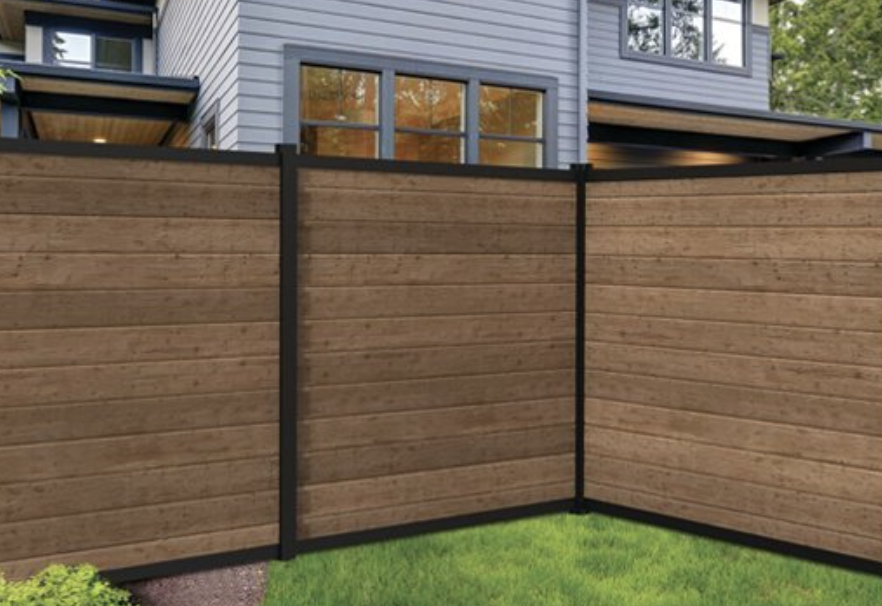
Choose wooden panels for markets that value natural garden style and accept maintenance. Choose metal panels for markets that prefer modern looks, low maintenance, and strong durability messaging. Many wholesale programs win by offering both: wood for classic ranges, metal for modern ranges.
Here’s the way I usually guide buyers—simple and channel-based.
1) DIY supermarkets (fast movers, low returns)
- Metal often performs better when it’s modern and well-coated
- Wood can perform well if it’s treated properly and priced correctly
DIY buyers usually want stable SKUs and low complaint risk.
2) Garden centers (premium and lifestyle)
- Wood sells well because it feels traditional and warm
- Metal sells well for premium modern gardens
This channel supports design storytelling.
3) Wet or coastal climates
- Metal must have strong coating; otherwise rust becomes a headache
- Wood must have strong treatment; otherwise mold/rot becomes a headache
So in these markets, supplier quality matters more than material choice.
4) Budget-focused markets
- entry-level wood panels can move fast, but returns risk rises if quality is weak
- entry-level metal can also move fast if coating is decent
In budget markets, packaging and QC protect your profit.
Market fit guide table
| Market need | Better fit | Why |
|---|---|---|
| Natural, classic garden style | Wood | warm look and texture |
| Modern patio and clean lines | Metal | minimal and premium feel |
| Low maintenance messaging | Metal | easier daily ownership |
| Rustic lifestyle display | Wood | stronger “garden story” |
| Balanced wholesale range | Both | cover more customer types |
If you want to build a two-tier assortment, I usually suggest:
- wood for “classic garden”
- metal for “modern garden”
and organize SKUs with a range plan.
Conclusion
Wood wins on natural charm; metal wins on modern durability—choose based on your channel, climate, and customer taste.
[^1]: Understanding wood moisture control is crucial for maintaining the integrity of your wood panels and preventing warping.
[^2]: Exploring fastener quality can help you choose the right materials for a long-lasting and stable wood panel installation.
[^3]: Explore the advantages of Metal fence panels to understand why they are a top choice for stylish and low-maintenance outdoor spaces.
[^4]: Discover the latest outdoor design trends to enhance your home’s aesthetic and functionality, ensuring your space is both trendy and inviting.
[^5]: Explore this link to learn effective staining techniques that enhance wood’s beauty and durability.
[^6]: Discover essential tips for maintaining metal surfaces through basic cleaning to keep them looking new.
[^7]: Understanding wood durability is crucial for selecting the right materials for construction and furniture, ensuring longevity and performance.
[^8]: Exploring metal durability helps in choosing the best materials for projects, enhancing safety and reducing maintenance costs.