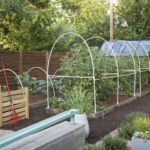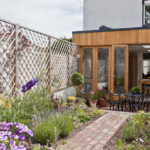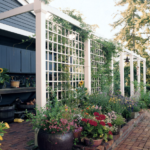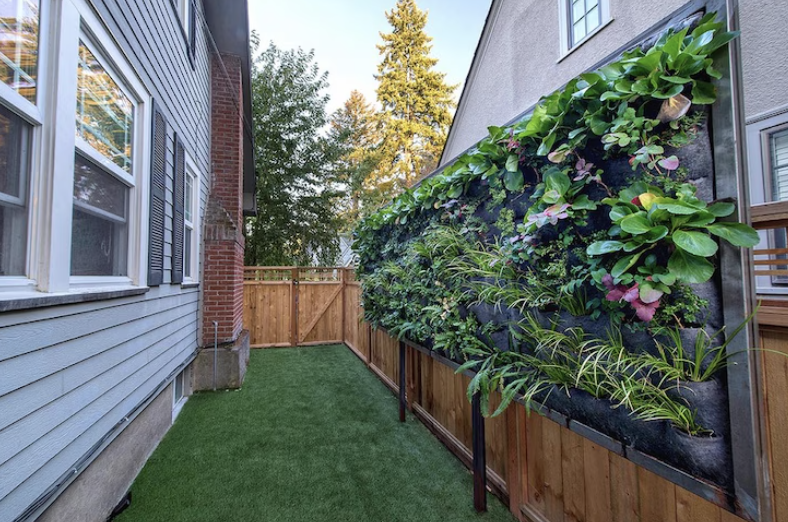
I used to think you needed a “real garden” to grow anything. Then I watched a friend turn a tiny balcony into a green wall—with one trellis panel and a little patience.
Vertical gardening is booming because people have smaller outdoor spaces but still want privacy, beauty, and fresh plants. Trellis panels help by using height instead of floor area, making balconies and small patios feel bigger and more alive.
Let’s make this practical, not complicated.
Why Vertical Gardening Is Growing in Popularity
Vertical gardening is growing because modern life is changing: less space, more desire for nature, and more focus on outdoor living.
Vertical gardening is popular because it solves three problems at once: limited space, privacy needs, and the desire for a greener home. It’s also beginner-friendly—one panel can create a visible change fast.
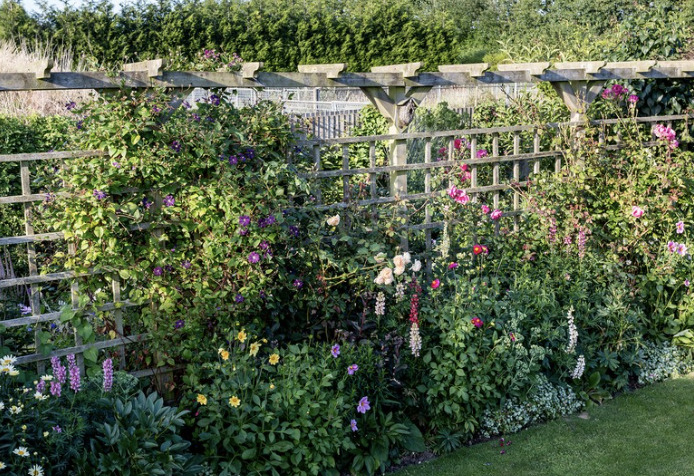
Here’s what I see in real customer behavior.
People don’t only buy garden products to “garden.”
They buy them to feel something:
- calmer
- more private
- more proud of their home
- more connected to nature
And vertical gardening gives that feeling quickly.
1) Homes are smaller, but expectations are bigger
Many customers now have:
- balconies
- narrow side yards
- small patios
- tiny back corners
But they still want:
- flowers
- greenery
- herbs
- a nice view instead of bare walls
Vertical gardening[^1] is basically the “small space hack[^2]” of the garden world.
2) Privacy is a big driver (especially in urban living)
A trellis panel with plants can soften the “I’m being watched” feeling.
It’s not a hard wall.
It’s a living screen.
That’s why vertical gardening sells well in:
- apartments
- townhouses
- close neighbor layouts
3) People want low effort, high visible results
A vertical panel gives instant structure.
Even before plants grow, the space looks more intentional.
That’s a big reason it feels satisfying.
4) Social sharing pushes the trend (quietly)
A green wall looks great in photos.
And yes—when people see it online, they want it too.
Quick trend table
| Reason vertical gardening is growing | What it means for product demand |
|---|---|
| Smaller outdoor spaces | more trellis panels and modular screens |
| Privacy needs | more “green screening” products |
| Fast visual transformation | higher impulse buys in spring |
| Lifestyle + décor trend | more modern, clean trellis designs |
If you’re building a product range, I like organizing it with a simple vertical garden starter set idea: one trellis + a few accessories, done.
How Trellis Panels Help Maximize Small Outdoor Spaces
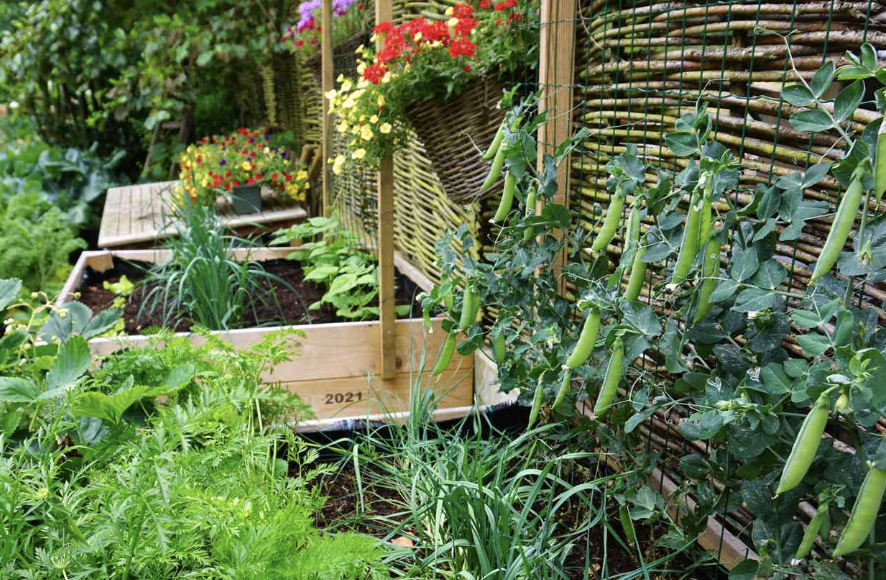
A trellis panel is like adding a second floor to your garden—you start using vertical space instead of fighting for floor space.
Trellis panels maximize small spaces by creating vertical support for climbing plants, turning plain walls into green surfaces, and adding light privacy without heavy fencing. They also help organize messy corners into clean “zones.”
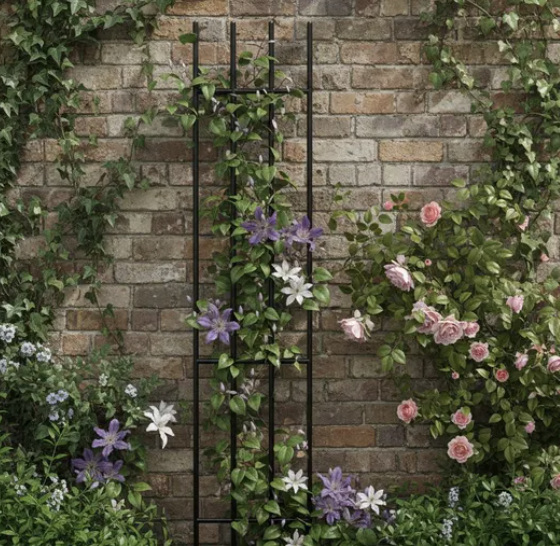
Let’s break this down into real-life uses. I’ll keep it simple.
1) They create a “green wall” without construction
A trellis panel can be placed:
- against a wall
- along a balcony railing
- beside a patio seating area
- near a narrow walkway
Then climbing plants do the rest over time.
Even with small plants, the panel gives structure and makes the space feel designed.
2) They help with privacy in a softer way
For small spaces, customers often want privacy but hate the feeling of a solid wall.
A trellis panel + plants:
- blocks direct sight lines
- still lets light through
- feels natural and warm
That’s why these panels often sell as “decorative screens.”
3) They make planting easier to manage
Climbing plants[^3] can get messy quickly.
A trellis[^4]:
- gives a clear path
- reduces tangling
- keeps plants off the ground
- improves airflow (helps plant health)
Even beginner gardeners feel more confident with a structure.
4) They create zones in small outdoor areas
This is my favorite use.
In a tiny patio, a trellis panel can separate:
- dining corner vs storage corner
- plant zone vs seating zone
- “private” zone vs open zone
It’s like a room divider for outdoors.
Small-space use table
| Small space problem | Trellis panel solution | Result |
|---|---|---|
| No floor space | use vertical height | more plants, less clutter |
| Lack of privacy | soft screen with plants | calmer space |
| Messy corners | structured wall support | cleaner look |
| No “zones” | outdoor divider effect | space feels bigger |
If you want a simple planning tool, I often sketch a small space layout so the customer sees the idea in one minute.
Best Materials and Designs for Modern Trellis Panels
In modern markets, buyers want trellis panels that look clean even before plants grow—and last outdoors without fading, rusting, or wobbling.
The best modern trellis panels use powder-coated metal for strength and a clean look, treated wood for warm natural style, and composite/WPC for stable low-maintenance performance. Popular designs include grid panels, ladder trellis, privacy screens, and modular panels that connect together.
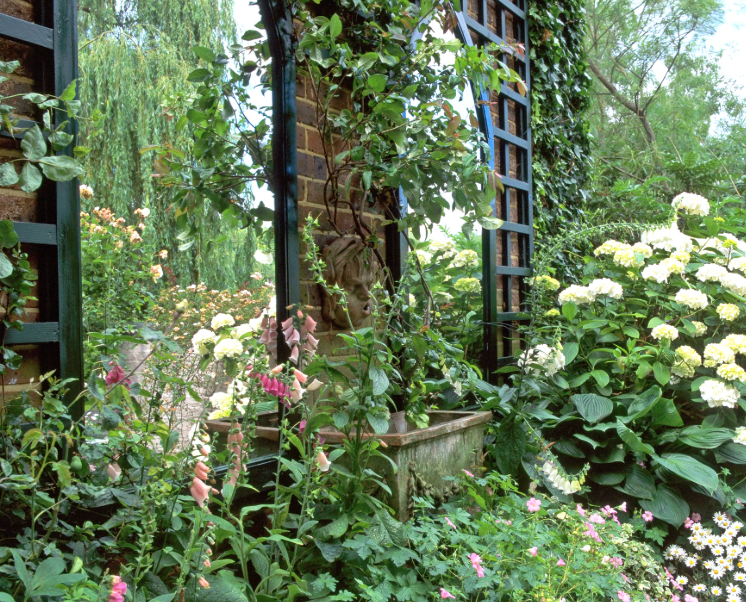
This is where trends get interesting in 2026-style markets.
People are buying trellis not only for plants—they’re buying it as outdoor décor.
So design and durability must work together.
1) Powder-coated metal: the modern favorite
Why it sells:
- clean lines
- strong structure
- stable shape
- matches modern fences and outdoor décor
But the coating matters. I always repeat this:
metal quality = coating quality.
If coating is weak, rust appears after scratches.
2) Treated wood: the cozy classic
Wood trellis works best when buyers want:
- cottage garden style[^5]
- warm texture
- natural look
But it needs:
- proper treatment
- stable moisture control[^6]
- clean edges
- decent packaging protection
Wood sells on emotion, but survives on process control.
3) Composite/WPC: the quiet “practical” winner
This is growing because:
- stable shape
- low maintenance
- consistent color
- good for modern “clean garden” styles
Trade-off is weight and pricing, so it fits mid-tier ranges well.
4) Designs that are selling now
From what I see, these designs are strong:
- Grid panels (clean and flexible)
- Ladder trellis (minimal, modern)
- Privacy screen patterns (for balconies)
- Modular panels (connectable sets)
- Trellis + planter combos (instant vertical garden)
Material + design match table
| Material | Best design match | Best market positioning |
|---|---|---|
| Powder-coated metal | grid, ladder, screen panels | modern, durable |
| Treated wood | lattice, arch, cottage styles | warm, traditional |
| Composite/WPC | modular, privacy screens | low maintenance, stable |
If you want a clean assortment structure, I like using a SKU ladder plan: entry-level, mid-tier, premium.
What Importers Should Know When Sourcing Trellis Panels from China
Import success comes from controlling the boring details: specs, strength, packaging, and repeat orders.
When sourcing trellis panels from China, importers should confirm material durability (UV/coating/treatment), stable dimensions, joint strength, packaging protection, and QC checkpoints. Also confirm carton size and loading efficiency because panels are bulky and shipping cost affects landed cost.
Let me share the checklist I use when buyers ask for “a safe import plan.”
1) Lock the spec sheet early
Confirm:
- height and width
- tube thickness (metal)
- wood thickness and treatment method
- surface finish and color
- hardware and connectors
- tolerance rules
A spec sheet prevents “it’s not the same as the sample” problems.
2) Check structure and stability (don’t skip this)
Common complaint sources:
- weak welds
- loose screws
- wobbling feet or spikes
- bending during shipping
So I always request:
- close-up photos of joints
- sample assembly test
- simple stability test (push and see wobble)
3) Treat packaging as part of the product
Trellis panels[^7] often arrive with:
- scratches on coating
- bent corners
- chipped wood edges
- missing hardware
So packaging must include:
- scratch protection[^8]
- corner protection
- labeled hardware bags
- stronger cartons if needed
A cheap carton creates expensive returns.
4) Plan QC checkpoints before production starts
Even basic checkpoints help:
- pre-production confirmation
- in-line photo updates
- final inspection before shipment
If you only check after arrival, it’s too late.
5) Confirm logistics and landed cost early
Panels are bulky.
Ask:
- carton dimensions
- units per carton
- container loading estimate
Smarter packing can reduce landed cost significantly.
Importer checklist table
| Import check | What to verify | Why it matters |
|---|---|---|
| Specs | size, material, finish | prevents wrong production |
| Strength | joints, stability | prevents wobble returns |
| Durability | UV/coating/treatment | prevents outdoor aging |
| Packaging | scratch + corner protection | prevents shipping damage |
| QC plan | checkpoints | reduces surprises |
| Logistics | carton + loading | controls landed cost |
If you want, I can provide a ready-to-send trellis panel RFQ template that includes these points in simple English.
Conclusion
Vertical gardening keeps growing because trellis panels turn small spaces into green zones—import success depends on strong specs, durability, and packaging control.
[^1]: Explore the benefits of vertical gardening to maximize your small space with beautiful greenery and flowers.
[^2]: Discover innovative small space hacks that can transform your gardening experience and enhance your outdoor areas.
[^3]: Discover the advantages of climbing plants for your garden, including aesthetics and space-saving benefits.
[^4]: Learn how a trellis can enhance your gardening experience by supporting climbing plants and improving their health.
[^5]: Explore this link to understand the charm of cottage garden style and how wood trellises enhance its beauty.
[^6]: Learn about effective moisture control techniques to prolong the life of your wood trellis.
[^7]: Explore this link to learn effective packaging techniques that can prevent damage to Trellis panels during shipping.
[^8]: Discover innovative methods for scratch protection in packaging to ensure your products arrive in perfect condition.