I’ve sold garden products for years, and fence panels are one of the fastest ways for a retailer to build a “whole garden solution” feeling.
In 2026, a good China garden fence panel manufacturer is judged by material consistency, outdoor durability (UV/rust), stable molds and sizing, export-safe packaging, and the ability to repeat quality across seasons—not just a low first quote.
If you want fewer returns and smoother reorders, this guide will help you choose smarter.
What Makes a Good Garden Fence Panel Manufacturer in 2026?
A “good” manufacturer isn’t the one with the biggest catalog. It’s the one who can keep the same quality, color, and fit after thousands of pieces.
A good garden fence panel manufacturer[^1] in 2026 can control outdoor durability[^2], keep stable dimensions, provide clean surface finish, support OEM packaging, and deliver repeat orders without surprise changes.

Let me say this in a very real way.
Fence panels look simple.
But once they go into DIY supermarkets, everything gets tested:
- does the color fade in one summer?
- do panels snap in cold weather?
- do connectors fit smoothly?
- do cartons survive shipping?
- can the supplier repeat the same “green” next season?
That’s why I always tell buyers: fence panels are not just plastic or metal. They are a system.
1) Outdoor durability is the first filter
A reliable fence panel supplier should be able to explain:
- UV resistance plan[^3] (especially for plastic)
- anti-rust/coating plan[^4] (for metal)
- weather aging approach (rain, sun, frost)
If they can’t explain it clearly, you’ll pay later in complaints.
2) Stable dimensions and fit matter more than people expect
Fence panels need to connect smoothly.
So you should confirm:
- panel width/height tolerance
- post spacing and connector fit
- spike thickness and strength
A “small” size drift causes big installation frustration.
3) Surface finish = customer feeling
DIY shoppers touch the product.
They notice:
- sharp edges
- uneven coating
- rough burrs
- weak weld points
Clean finishing reduces returns and increases repeat sales.
4) Packaging is not decoration—it’s protection
Fence panels often get damaged at:
- corners
- spikes
- clips and connectors
- painted surfaces rubbing
A good manufacturer should propose inner protection and carton strength, not wait for you to complain.
Reliability checklist table
| What to judge | Why it matters | Green flag |
|---|---|---|
| Outdoor durability | prevents fading/rust | clear UV/coating logic |
| Dimension stability | avoids fit issues | tolerance explained |
| Finish quality | reduces complaints | smooth edges, consistent finish |
| Packaging | prevents damage | protection plan shown |
| Repeat order ability | protects long-term | batch control plan |
If you want a fast screening tool, I usually start with a supplier checklist to filter weak suppliers quickly.
Which Fence Panel Material Is Best for Your Market?
Material choice is really a market choice: climate, price band, channel, and customer style preference.
Plastic panels (PP/PE/PVC) often win on price and easy installation, metal panels win on strength and premium feel, and WPC or composite options can hit a “natural look + durability” middle ground. The best material depends on your channel and local weather.
This is where many buyers get stuck.
They ask: “What’s the best material?”
But “best” depends on what your customers care about.
1) Plastic fence panels (PP/PE/PVC)
Why they sell:
- affordable[^5]
- light weight
- easy to install
- good for seasonal promotions
Main risks:
- UV fading if material is weak[^6]
- brittleness in cold climates (cheap plastic)
- warping if design is thin
Best for:
- DIY supermarkets
- entry-level garden ranges
- quick turnover SKUs
2) Metal fence panels (steel / iron with coating)
Why they sell:
- stronger structure
- premium look (especially black)
- longer-term garden feel
Main risks:
- rust if coating is poor
- scratches in transit
- weld quality differences
Best for:
- premium garden centers
- customers who want “strong” and “stable”
- markets where metal décor is popular
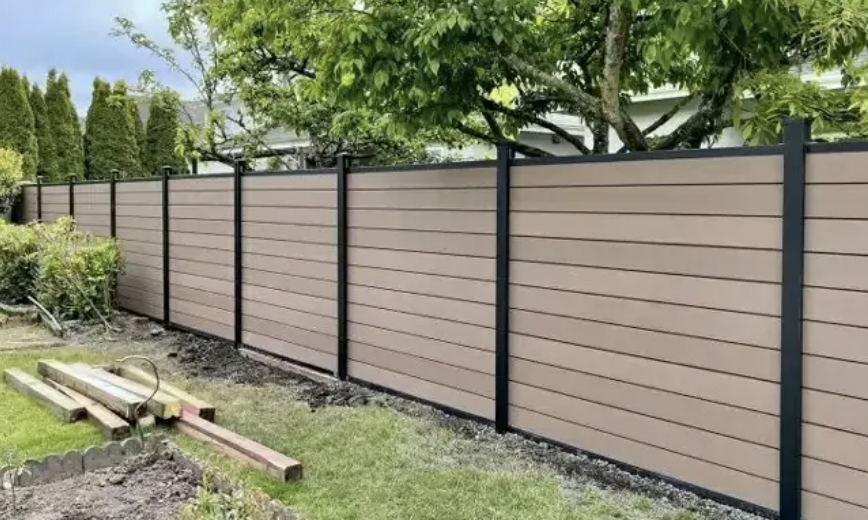
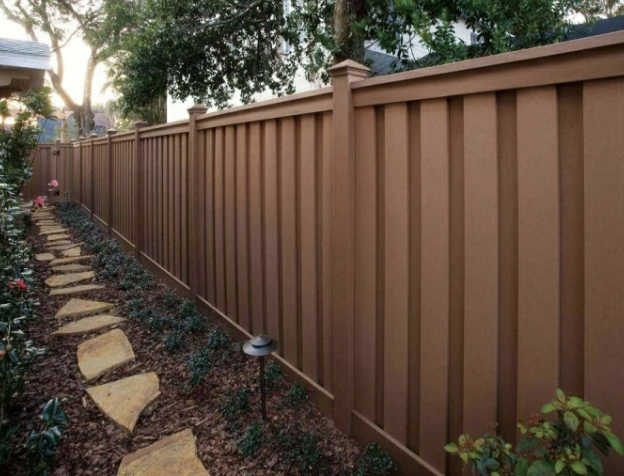
3) WPC / composite fence panels
Why they sell:
- wood-like appearance
- more stable than cheap wood
- often better durability than basic plastic
Main risks:
- heavier than plastic
- price positioning needs care
- surface quality depends on supplier
Best for:
- mid-to-high tier buyers who want a natural look
Material selection table
| Material | Strength | Price position | Main risk |
|---|---|---|---|
| Plastic (PP/PE/PVC) | medium | low-mid | UV fading / brittle cold |
| Metal (coated) | high | mid-high | rust / scratches |
| WPC / composite | medium-high | mid | weight / finish variation |
If you tell me your channel and climate, I can usually recommend the safest material mix.
How to Compare Chinese Suppliers Effectively
Comparing suppliers is not about who replies fastest—it’s about who can deliver the same result repeatedly.
Compare Chinese fence suppliers by sending one RFQ to all, requesting samples, checking material proof and QC steps, confirming packaging and lead time, then comparing pricing based on the same specification and Incoterms.
I’ve seen buyers waste weeks because each supplier gets a different request.
So I keep it strict and simple.
Step 1: Use one RFQ format (one spec, one standard)
Your RFQ should include:
- panel size (height/width)
- material and thickness
- color and finish
- post type and spike design
- connector style
- packaging requirement
- MOQ and target lead time
- target market (EU/US) and channel type
This makes quotes comparable.
Step 2: Ask for proof, not promises
Ask for:
- product photos in real production
- material details (UV additive approach, coating method)
- packaging photos
- export experience (markets served)
A strong supplier can show this quickly.
Step 3: Judge samples like a real DIY customer
Simple checks:
- do panels feel rigid?
- do connectors fit smoothly?
- are edges safe to touch?
- does the color look consistent?
- do spikes feel strong?
I like to keep sample notes in a sample evaluation sheet.
Step 4: Compare pricing only after specs are aligned
The most common mistake is comparing:
- different material thickness
- different coating levels
- different packaging standards
That’s not a fair comparison.
Supplier comparison scorecard (simple)
| Score area | What to check | Why |
|---|---|---|
| Product quality | strength, finish, fit | reduces returns |
| Durability logic | UV/coating plan | prevents aging issues |
| Packaging | protection + carton | prevents damage |
| Delivery | realistic lead time | protects season |
| Price | same spec comparison | fair negotiation |
If you want, I can provide a copy-paste RFQ template that works for fence panels.
Mistakes to Avoid When Importing Fence Panels from China
Most fence panel import problems come from predictable mistakes: unclear specs, weak packaging[^7], and no plan for repeat orders.
Avoid these mistakes: choosing only by price, skipping durability checks, ignoring tolerance and fit, using weak cartons, and not setting QC checkpoints[^8] before shipping. These errors cause returns, delays, and costly rework.

I’ll keep this honest and practical.
Mistake 1: Buying the cheapest quote first
Cheap can be expensive when:
- panels break
- color fades
- fit is inconsistent
- cartons arrive damaged
Price should be last, not first.
Mistake 2: Not confirming UV or coating standards
Fence panels live outdoors.
If UV resistance is weak, the product looks old fast.
If coating is weak, metal rusts fast.
Ask for a simple durability explanation in writing.
Mistake 3: Ignoring fit and tolerance
This is a silent killer.
If connectors don’t fit, customers complain hard.
DIY buyers hate installation pain.
Confirm tolerance and test connector fit with samples.
Mistake 4: Treating packaging as an afterthought
Fence panels are long and awkward.
If packaging is weak:
- corners get crushed
- spikes poke through cartons
- surfaces scratch
- connectors get lost
A strong packaging plan prevents most of these issues.
Mistake 5: No QC checkpoints before balance payment
If you only check after arrival, it’s too late.
Even simple checkpoints help:
- pre-production confirmation
- in-line photo updates
- final inspection before shipment
Mistake summary table
| Mistake | What it causes | Simple fix |
|---|---|---|
| Price-first decision | returns and rework | align spec + QC first |
| No durability check | fading/rust complaints | confirm UV/coating plan |
| No tolerance control | installation problems | test fit with samples |
| Weak packaging | damage in transit | lock packaging standard |
| No QC checkpoints | surprises at arrival | set inspection stages |
If you want smoother imports, I can also share a bulk order checklist you can reuse for every shipment.
Conclusion
In 2026, the best fence supplier is the one who repeats quality, fit, and packaging—then price becomes an easier conversation.
[^1]: Explore this link to find top-rated manufacturers that ensure quality and durability for your garden fencing needs.
[^2]: This resource will provide insights on maintaining outdoor durability, essential for long-lasting garden solutions.
[^3]: Understanding UV resistance is crucial for ensuring the longevity of plastic fence panels against sun damage.
[^4]: An effective anti-rust plan is essential to maintain the durability and appearance of metal fence panels over time.
[^5]: Exploring this link will provide insights into how affordability can drive sales and attract customers.
[^6]: This resource will help you understand how to choose materials that resist UV fading, ensuring product longevity.
[^7]: Understanding best practices for packaging can help prevent damage and ensure your products arrive safely.
[^8]: Implementing effective QC checkpoints can significantly reduce errors and improve product quality, saving time and money.