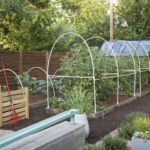
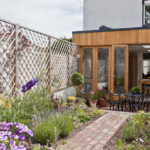
I still remember the first time a customer told me, “Lucas, I don’t need a clock… I need a quick weather check.” That’s when I understood why thermometer clocks sell.
An outdoor clock with a thermometer works best when three things are right: clear dial readability, stable temperature display, and weather resistance (sealed housing + UV/rust-safe materials). If any one is weak, returns go up fast.
Let’s break it down in a simple, buyer-friendly way.
Why Outdoor Clocks with Thermometers Are Popular in Garden Markets
These clocks sell because they feel useful in daily garden life[^1]—not just decorative.
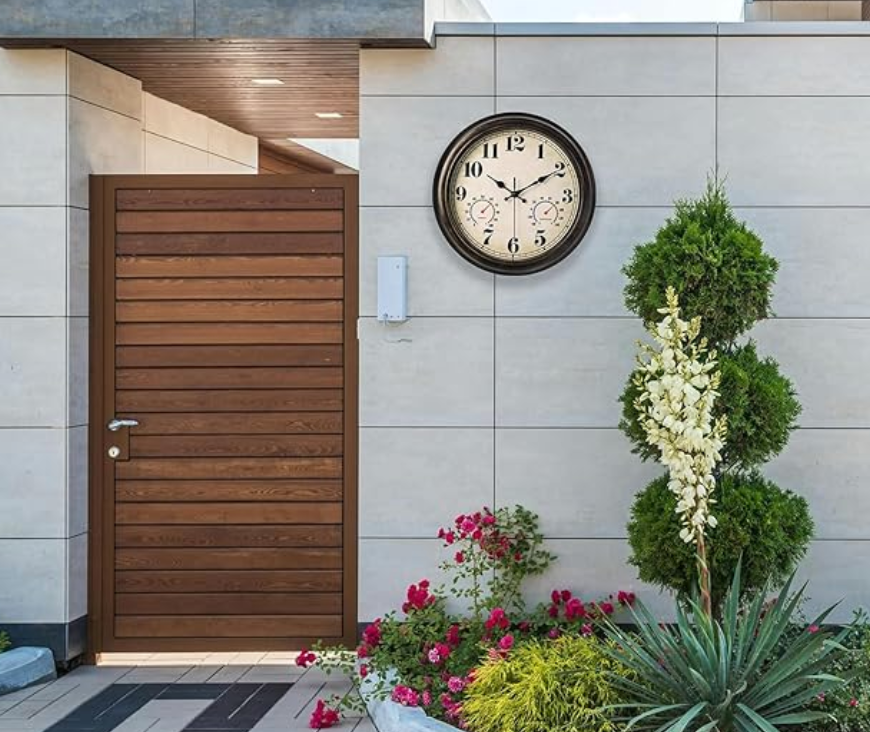
Outdoor clocks with thermometers[^2] are popular because they combine two quick checks in one glance: time and temperature. For garden users, that helps with watering, planting, outdoor dining, and choosing the right clothing—especially in changeable weather.
Garden shopping is emotional, but it’s also practical.
People stand in the aisle and imagine:
- “Is it warm enough to sit outside?”
- “Should I water now or wait?”
- “Will there be frost tonight?”
- “What time is it… and why does it feel colder than yesterday?”
A thermometer clock answers that feeling instantly.
1) It turns a “nice décor item” into a “useful tool”
A basic clock is decoration.
A clock + temperature is a reason to buy.
That small difference matters in Europe, where many shoppers prefer items that look good and do something.
2) It fits the garden lifestyle perfectly
Garden life is full of small decisions:
- when to open the greenhouse
- when to bring plants inside
- when kids can play outside
- when to grill or eat outdoors
Temperature becomes a daily habit, so the product becomes a daily habit too.
3) It supports seasonal promotions
Thermometer clocks often sell well in:
- spring garden season (planting time)
- autumn (temperature drops)
- winter (frost talk is everywhere)
Retailers love products that can be merchandised across seasons.
4) It helps upgrade the price point (when done right)
A thermometer feature can justify:
- a slightly higher retail price
- stronger “value story” on packaging
- better display space compared to plain clocks
But only if it remains readable and stable outdoors.
Quick “why it sells” table
| Reason it’s popular | What it means for retailers |
|---|---|
| Practical daily use | easier to sell, less explaining |
| Strong garden connection | fits outdoor living trends |
| Seasonal relevance | multiple selling peaks |
| Higher value perception | better price positioning |
If you’re building a range, I usually plan it with a feature ladder: basic clocks for volume + thermometer clocks for value.
What to Check in Materials, Readability, and Weather Resistance
Thermometer clocks bring more parts and more risk—so checking the basics becomes even more important.
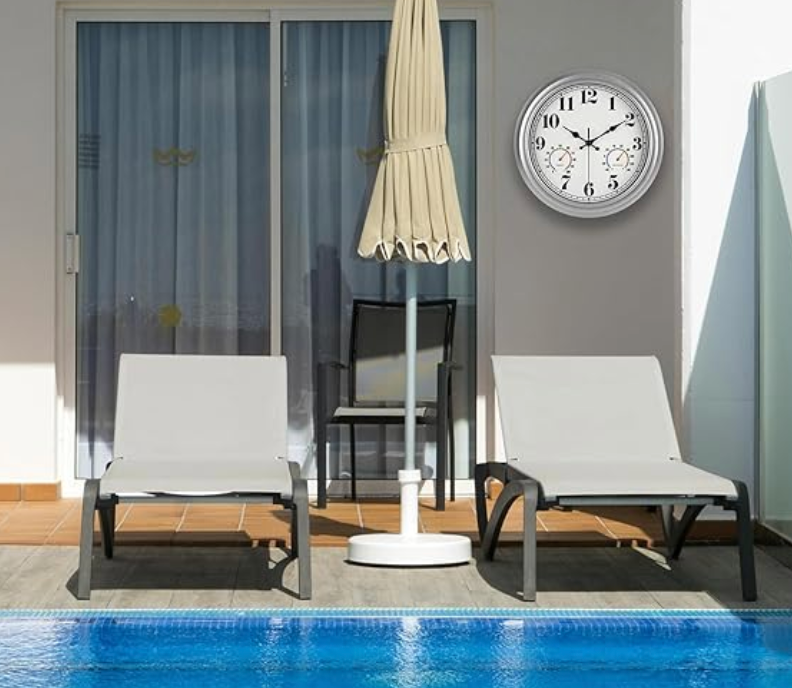
Before buying, check three areas: materials (UV/rust safe), readability (big contrast numbers for both time and temperature), and weather resistance (sealed back cover and moisture protection). Thermometer accuracy and stability should be verified with samples.
I always tell buyers: a thermometer clock is a little like a phone with two apps.
It’s great… until one app doesn’t work.
So here’s the checklist I use.
1) Materials: choose outdoor-safe, not “indoor pretty”
For frames:
- powder-coated metal can be strong if coating is stable
- resin can give a premium stone/vintage look
- UV-stable plastic can be cost-effective and light
For covers:
- sealed glass or strong clear cover is preferred
Weak materials show up fast as:
- rust spots (metal with poor coating)
- fading dial (weak UV resistance)
- yellowed cover (low-grade plastic)
- brittle parts (winter cracking)
I keep a simple material checklist so conversations stay clear.
2) Readability: treat temperature like a “second dial”
Many designs fail because:
- the thermometer scale is too small
- the numbers are low contrast
- the dial is too busy
A good design has:
- strong contrast[^3] for time
- clear, readable scale for temperature
- thick hands (not thin needles)
- simple fonts
My honest advice: don’t sacrifice readability[^4] for decoration. Returns usually start with “hard to read.”
3) Weather resistance: sealing matters more than you think
Thermometer clocks still need solid sealing at:
- the back cover
- the hand shaft area
- any openings near the thermometer window
Poor sealing leads to:
- fogging
- corrosion
- dial stains
- stuck movement
Quick QC checks you can do with samples
You don’t need a lab for basic verification:
- light water spray test (check for fogging risk)
- sunlight exposure spot test (watch for fading)
- readability test from 3–10 meters
- compare thermometer reading to a known reference indoors (basic stability check)
Checklist table (simple but powerful)
| Check point | What to look for | Common failure |
|---|---|---|
| Frame material | rust/UV resistance | rust spots, fading |
| Cover quality | sealed and clear | fogging, yellowing |
| Time readability | high contrast + thick hands | “can’t read from patio” |
| Temp readability | clear scale + not crowded | “temp too small” |
| Sealing | tight back + shaft protection | fogging, corrosion |
If you want a one-page tool, I can share a thermometer clock QC sheet you can reuse on every project.
How Temperature Display Adds Practical Value for End Users
Temperature isn’t a “nice extra.” For many garden users, it becomes a habit—and habits drive repeat sales.
Temperature display[^5] adds value by helping users decide when to water, protect plants from frost[^6], open/close greenhouse vents, plan outdoor activities, and dress for the day. A quick glance saves time and feels reassuring, especially in unstable weather.
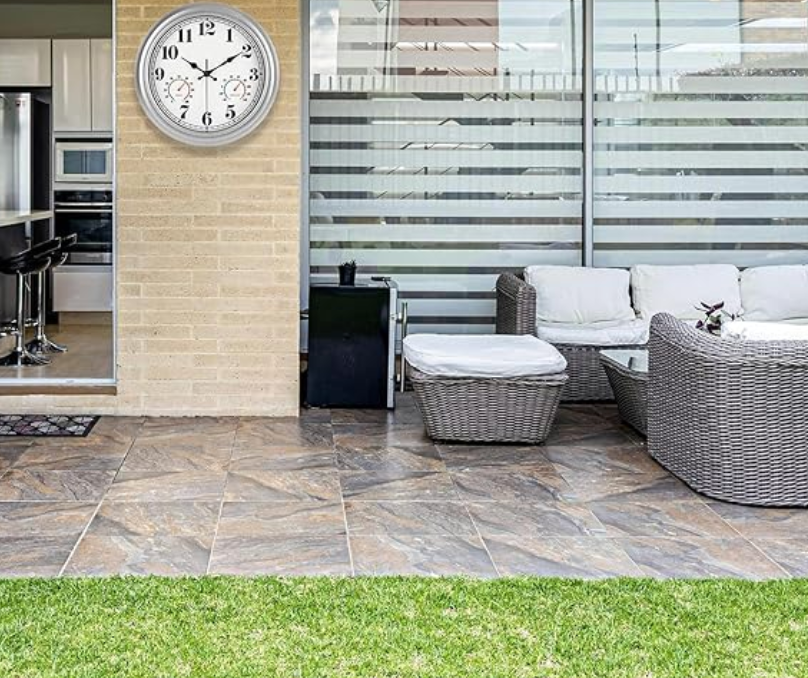
Let me describe how real people use it.
They don’t stand outside and say, “Let me analyze the climate.”
They say:
- “Is it warm enough to sit outside?”
- “Should I cover the plants tonight?”
- “Is it too hot to water now?”
- “Why does it feel colder than yesterday?”
A thermometer clock answers those questions in one second.
1) Garden care decisions
Temperature helps with:
- frost risk awareness
- seedling protection
- watering timing (avoid midday heat)
- greenhouse vent management
For hobby gardeners, this is daily life.
2) Outdoor living decisions
Temperature supports:
- patio meals
- BBQ timing
- kids’ outdoor play
- pet comfort decisions
It’s small, but it changes behavior.
3) Emotional value: “I feel in control”
This one sounds soft, but it’s real.
A quick temperature check gives people a calm feeling:
- “I know what’s happening outside.”
- “I’m prepared.”
That kind of emotional comfort sells well in garden markets.
4) Packaging can communicate value clearly
For retail and e-commerce, the temperature feature helps the box story:
- “Time + Temperature at a glance”
- “Easy-to-read thermometer”
- “Weatherproof outdoor design”
Just don’t overpromise accuracy. Keep the message honest.
Practical value table
| End user need | How temperature helps |
|---|---|
| Protect plants | notice cold nights earlier |
| Water smarter | avoid hottest hours |
| Plan outdoor time | decide when to sit outside |
| Dress for weather | quick check before stepping out |
If you’re building a product page, I like to frame this value simply with a benefit bullet list and clear photos.
How to Choose the Right Supplier for Outdoor Clock Wholesale
A thermometer clock can sell well, but only if the supplier can control quality, sealing, and packaging.
Choose a wholesale supplier by verifying outdoor clock experience, sample quality (including thermometer readability), sealing and material logic, packaging protection, and repeat-order consistency. Ask about second-order stability before negotiating price.
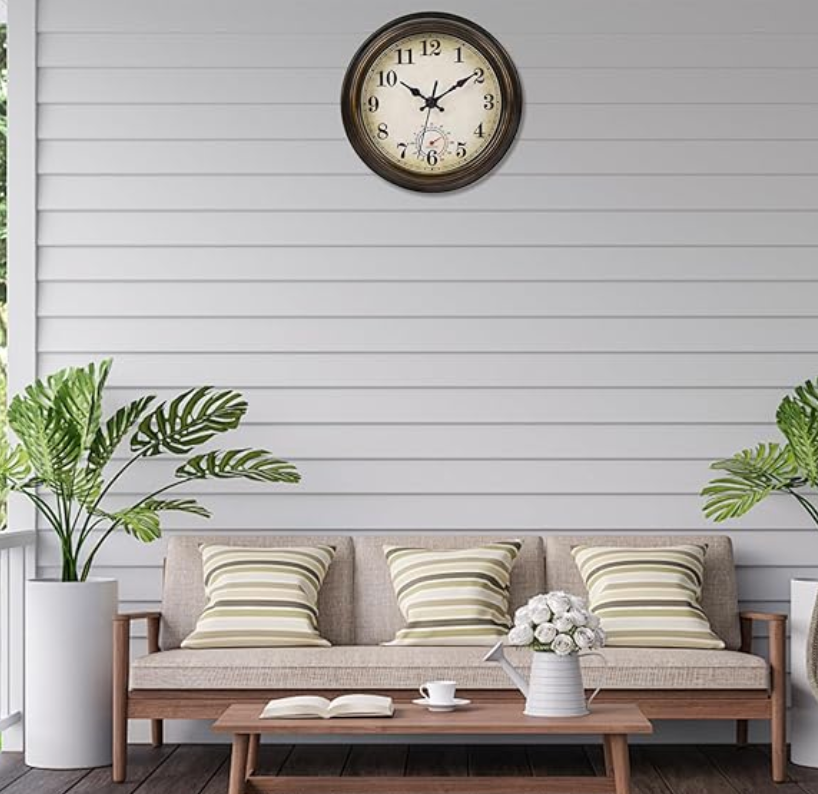
This is where wholesale buyers either win smoothly… or waste a season.
Step 1: Confirm they make real outdoor clocks (not only indoor)
Ask for:
- outdoor product photos
- weatherproof structure explanation
- packaging photos
- best-selling models with thermometer
A real supplier can show proof quickly.
Step 2: Check communication quality early
In international business, communication is a form of quality control.
A good supplier:
- answers clearly in simple English
- confirms specs in bullet points
- shares photos during production
- doesn’t change things silently
Step 3: Confirm packaging protection
Thermometer clocks can be more sensitive because the dial is busier and the cover must stay clear.
Ask for:
- hand protection[^7] (avoid bending)
- cover protection[^8] (avoid cracking/scratching)
- anti-scratch protection for frames
- strong cartons with corner protection if needed
A weak carton can destroy a good product.
Step 4: Ask the “second order” question
This one reveals maturity:
“How do you keep the same dial print and thermometer scale next season?”
A strong supplier explains:
- printing control
- batch color control
- stable material sourcing
- lead time planning
A weak supplier only promises.
Supplier evaluation table
| Supplier factor | What to verify | Why it matters |
|---|---|---|
| Outdoor experience | proof of models | reduces trial risk |
| Readability control | clear temp + time dial | reduces returns |
| Weather resistance | sealing + UV/rust logic | prevents fogging/fading |
| Packaging | hand/cover protection | prevents shipping damage |
| Repeat stability | second-order plan | supports long-term sales |
If you want to move faster, I can also provide a ready-to-send wholesale RFQ message that filters suppliers in one day.
Conclusion
A thermometer outdoor clock sells best when it’s readable, sealed, and built for weather—then wholesale becomes a repeatable business.
[^1]: Explore tips and resources to enrich your daily garden life, making it more productive and enjoyable.
[^2]: Discover how outdoor clocks with thermometers enhance garden life by providing time and temperature at a glance.
[^3]: Understanding the impact of strong contrast can help you create visually appealing designs that are easy to interpret.
[^4]: Exploring this resource will provide insights on enhancing readability, ensuring your designs are effective and user-friendly.
[^5]: Explore how a temperature display can enhance your gardening experience and improve plant care.
[^6]: Learn effective strategies to safeguard your plants from frost damage and ensure their health.
[^7]: Explore this link to learn effective hand protection techniques that can prevent injuries while handling sensitive thermometer clocks.
[^8]: Discover essential tips for cover protection that will help maintain the integrity of your thermometer clocks.