I’ve sold both metal and resin outdoor clocks into Europe, and the winner is usually decided by one thing: how “easy” it feels for shoppers to buy and for retailers to stock.
In Europe, resin outdoor clocks often sell faster because they look decorative, hit friendly price points, and feel “garden-ready.” Metal clocks win when buyers want a premium look, stronger structure, and long-term durability messaging.
So it’s not a fight. It’s a match between material and market.
Why Resin Outdoor Clocks Often Sell Faster
Resin clocks usually move faster because they fit European garden taste and retail reality: decorative looks, manageable pricing, and easier merchandising.
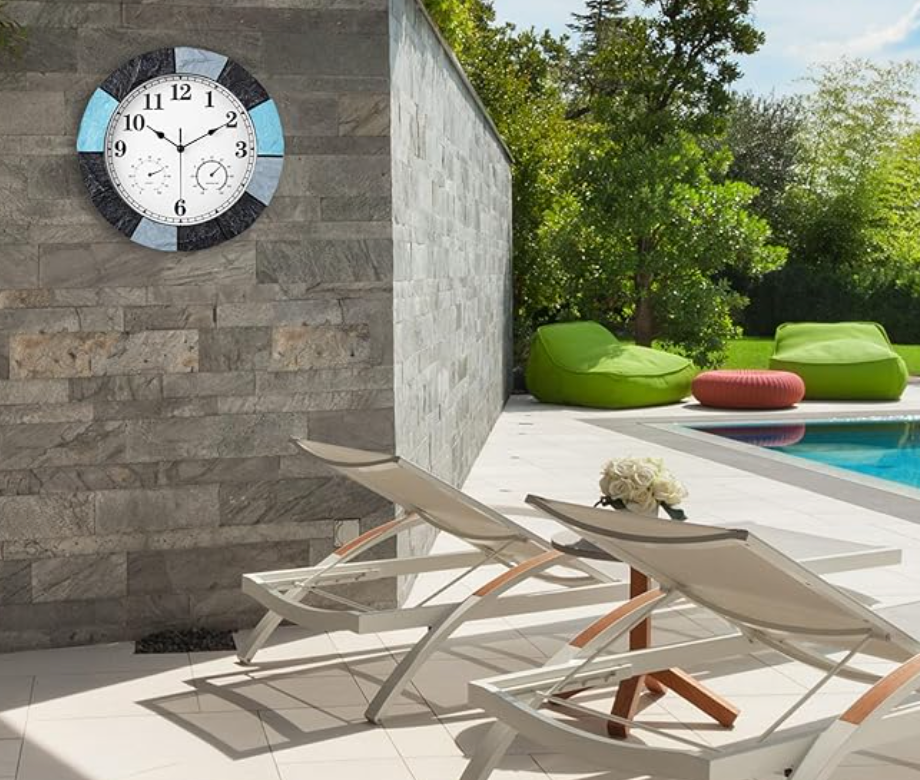
Resin outdoor clocks[^1] often sell faster in Europe because they can mimic stone or vintage textures, feel warm and decorative, and usually land at more accessible price points[^2] than metal. They’re also lighter to ship and easier to display.
Let me tell you what I see in real sales conversations.
A DIY buyer might not say, “I want resin.”
They say something like:
- “I need something that looks nice on the wall.”
- “The price needs to be easy.”
- “We can’t risk too many returns.”
- “The carton needs to load well.”
Resin often solves these quietly.
1) Resin is “design flexible,” and Europe likes design
Resin clocks can copy different looks:
- faux stone
- antique carved frames
- rustic textures
- classic “old town” styles
For European shoppers, especially in garden categories, texture matters.
A plain clock can feel like an indoor item.
A textured resin clock feels like it belongs outside.
If you’re building a collection, resin also pairs well with other garden décor. I often map it with a style board so the range feels consistent.
2) Resin often hits the sweet spot on pricing
Many retailers want a clock that sells without long explanation.
Resin clocks[^3] usually help because:
- the material cost is controlled
- molds can create “premium look” at a mid price
- designs can be refreshed seasonally without heavy cost
This is why resin clocks often become the “fast mover” SKU in DIY channels.
3) Resin is lighter, and that helps wholesale economics
Shipping and handling matter.
Resin clocks often mean:
- lighter cartons
- easier shelf setup
- lower breakage risk than thin metal frames (depends on design)
- better container loading economics
Even small savings in packaging and freight can change a buyer’s decision.
4) Resin sells like décor, not like a tool
This is a big one.
Metal clocks often sell based on “durability.”
Resin clocks often sell based on “feeling.”
And garden buying is emotional. People imagine the clock on their patio wall.
Resin helps that imagination.
Resin fast-mover summary
| Why resin sells faster | What it means in stores |
|---|---|
| Decorative textures | easier customer “love at first sight” |
| Friendly price points | faster purchase decisions |
| Lighter logistics | easier stocking + shipping |
| Garden-style match | fits outdoor décor collections |
If a European buyer wants quick sell-through, resin is often the first choice.
When Metal Outdoor Clocks Have the Advantage
Metal clocks win when buyers want a premium look, stronger structure, and a “built to last” story—especially in more design-conscious or quality-driven channels.
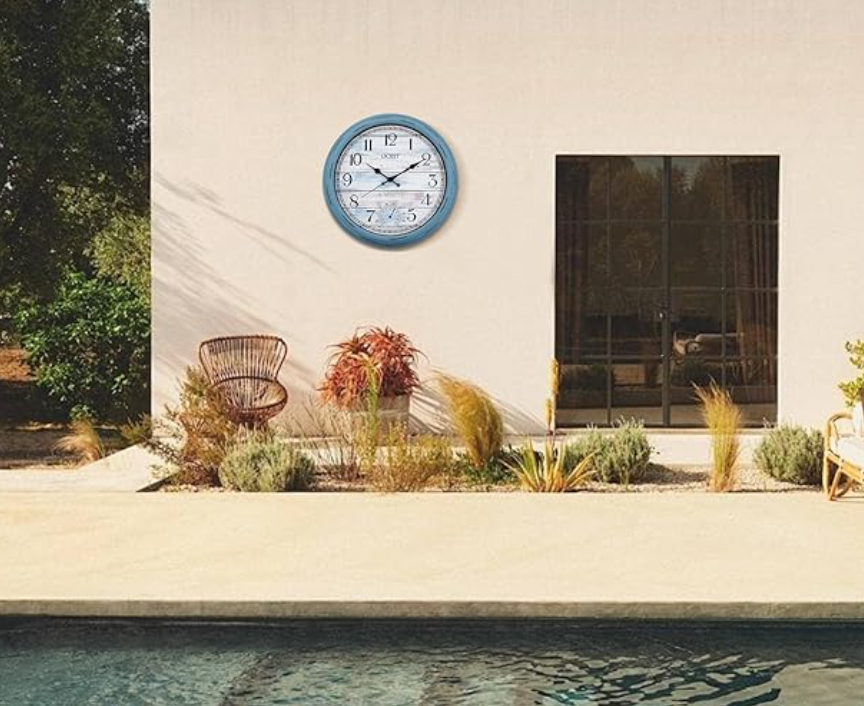
Metal outdoor clocks[^4] have an advantage when the market demands premium feel, crisp modern design, and stronger durability messaging[^5]. They can also feel more “architectural,” which suits modern patios and higher-end garden retailers.
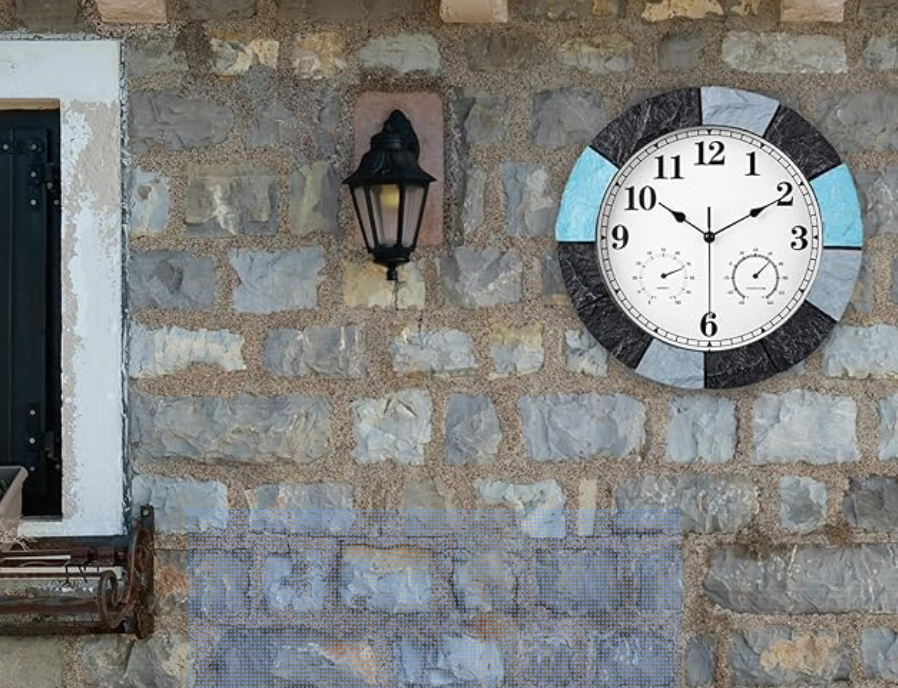
I like metal clocks for one simple reason: they feel serious.
When a customer touches a solid metal frame, they often trust it more—if the finish is good.
1) Premium perception is stronger with metal
Metal can look:
- clean
- modern
- high-end
- “architect-designed”
In some European channels, especially garden centers, this perception matters.
A premium-looking clock can justify a higher ticket.
2) Metal can be more durable—if the coating is right
Let me be careful here: metal is not automatically durable.
Metal durability depends on:
- coating system (powder coating is common)
- thickness and structure
- hardware quality
- sealing around the movement housing
A well-finished metal clock can handle years outdoors.
A poorly coated metal clock can rust quickly and create returns.
So for metal, I always recommend confirming a coating spec and a salt-spray or weather test plan where possible.
3) Metal wins in modern and minimal styles
Resin is great for rustic and vintage looks.
Metal is great for:
- minimal dial designs
- black/white modern styles
- industrial looks
- “clean line” patios
If your European customers sell modern outdoor décor[^6], metal can outperform resin.
4) Metal can be a “range anchor”
Even if resin sells faster, metal can serve as the premium anchor item:
- fewer units sold
- higher value per unit
- stronger display impact
That’s a common strategy:
Resin for volume, metal for premium.
Metal advantage summary
| Metal advantage | Where it helps |
|---|---|
| Premium feel | garden centers, premium retailers |
| Modern design fit | minimal and contemporary outdoor décor |
| Strong durability story | quality-driven buyers |
| Higher ticket value | better margins when positioned well |
So if your channel supports premium, metal becomes very attractive.
What European Buyers Compare Before Ordering
European buyers don’t only compare material—they compare risk, packaging, and repeatability.
Before ordering, European buyers compare sell-through potential, price positioning, packaging size, return risk (rust/fading/fogging), and repeat-order consistency. For wholesale, stable quality matters more than the first quote.
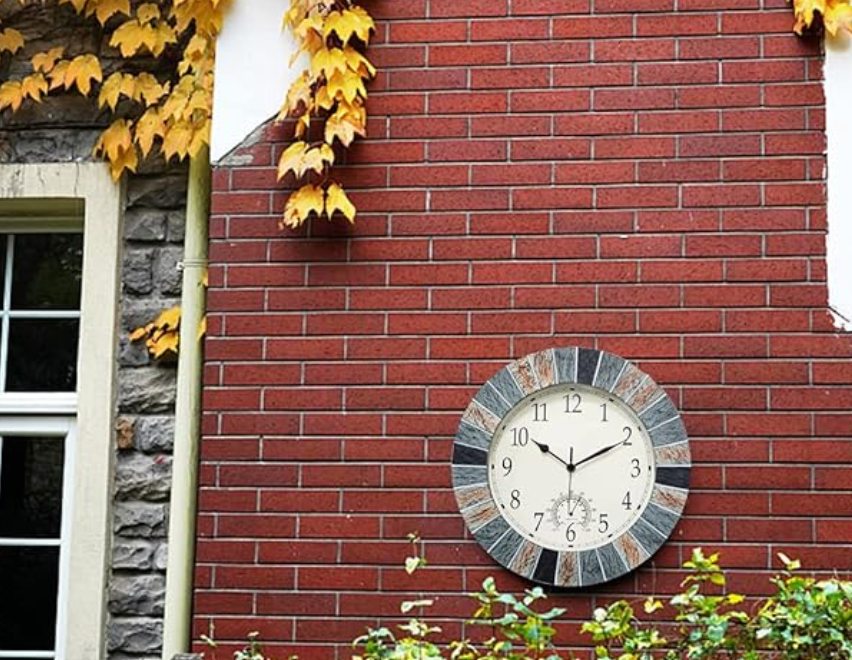
From my sales experience, buyers ask different questions depending on their channel.
But almost every serious buyer checks these points—maybe not in the same words.
1) Price positioning vs channel
DIY supermarkets need:
- easy price points
- high turnover
- low return risk
Garden centers can accept:
- higher price
- better design story
- premium materials
So the material choice is often a channel choice.
2) Packaging economics
This is the quiet decision maker.
Buyers compare:
- carton size
- units per carton
- inner protection cost
- container loading efficiency
Resin clocks often have an edge here if they pack well and stay light.
3) Return risk: what fails outdoors
European buyers worry about returns because returns kill profit[^7].
Common complaint sources:
- rust spots (metal)
- fading or surface chalking (low-grade resin or paint)
- fogging under the lens (poor sealing)
- broken hands in transit (packaging weakness)
This is why I always say: “outdoor clock is not only décor[^8].” It’s an outdoor product.
4) Repeat order stability (the “second order” test)
This is my favorite buyer question, and I respect buyers who ask it:
“Can you deliver the same finish again next season?”
A supplier who can keep batch consistency wins long-term trust.
A practical buyer comparison table
| Buyer comparison point | Resin clock concern | Metal clock concern |
|---|---|---|
| Durability | UV aging, surface wear | rust, coating chips |
| Weight/logistics | usually easier | sometimes heavier |
| Style fit | rustic/vintage | modern/premium |
| Returns | fogging if not sealed | rust if coating weak |
| Price positioning | often easier | often higher |
If you’re preparing a wholesale offer, I always recommend a comparison sheet so discussions stay objective.
How to Choose the Right Material for Your Market
Choosing between metal and resin is really choosing your customer, your channel, and your price band.
Choose resin if your market wants decorative vintage looks, fast sell-through, and friendly price points. Choose metal if your market wants premium modern design, stronger durability messaging, and higher ticket value. Many European programs win by offering both: resin for volume and metal for premium.
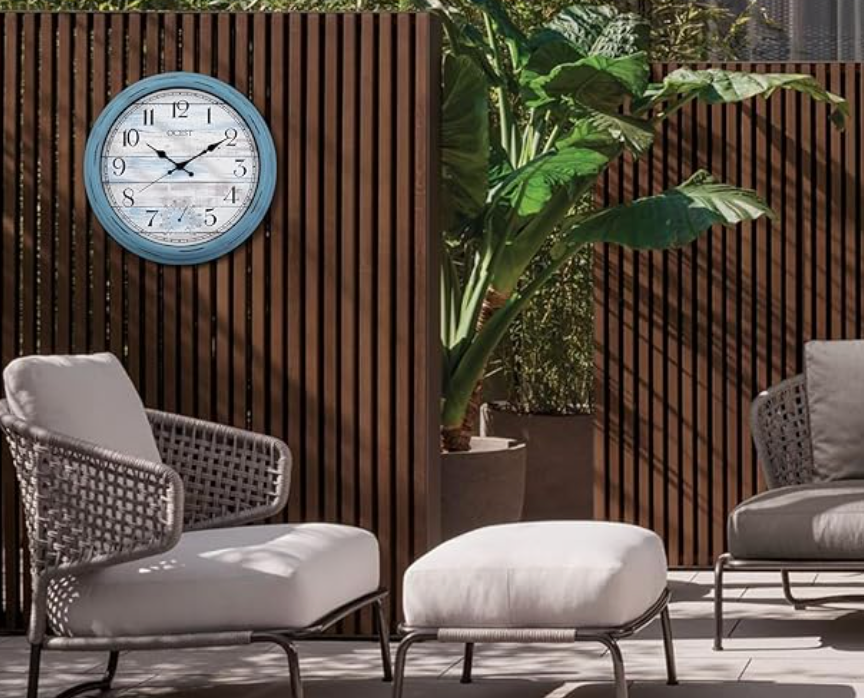
Here’s the simplest way I decide with customers.
Step 1: Start with your sales channel
- DIY supermarkets → resin often performs better
- Garden centers → metal can perform very well
- E-commerce → lighter, safer shipping often favors resin (unless metal is packed perfectly)
Step 2: Decide your style direction
- rustic, stone-look, vintage → resin
- modern, minimal, architectural → metal
Step 3: Check your climate and installation environment
If the clock will face:
- coastal air → coating quality becomes critical for metal
- strong sun → UV stability becomes critical for resin
So material choice should match local weather too.
Step 4: Use a “two-tier range” strategy
This strategy works well in Europe:
- Tier A (fast mover): resin clocks in popular designs
- Tier B (premium): metal clocks with strong finish and modern look
It’s like having coffee and dessert on a menu.
One brings volume, one lifts the brand.
Quick decision guide
| Market goal | Better material choice |
|---|---|
| Fast turnover in DIY retail | Resin |
| Premium look + higher ticket | Metal |
| Rustic/vintage garden style | Resin |
| Modern patio style | Metal |
| Build a full range | Both (two-tier strategy) |
If you want, I can help you map your European assortment using a SKU ladder plan and a packaging protection guide.
Conclusion
Resin often sells faster in Europe, while metal wins in premium channels—offer both if you want the safest wholesale range.
[^1]: Discover the unique features of Resin outdoor clocks that make them popular in European markets.
[^2]: Learn how accessible pricing influences consumer choices and boosts sales in outdoor decor.
[^3]: Explore this link to understand how resin clocks can enhance your retail offerings and boost sales.
[^4]: Explore this link to understand how Metal outdoor clocks enhance outdoor aesthetics and durability, perfect for quality-driven buyers.
[^5]: Discover insights on how durability messaging influences purchasing decisions, ensuring you choose the best outdoor clocks.
[^6]: Explore this link to discover how different materials can enhance your modern outdoor décor offerings.
[^7]: Understanding the impact of returns on profit margins can help businesses strategize better and minimize losses.
[^8]: Exploring the functionality of outdoor clocks can enhance your appreciation for their design and utility in outdoor settings.