
I’ve helped fence panel buyers avoid the same painful mistake again and again: rushing to “get a price” before the specs are clear.
To import fence panels from China smoothly, you need four controls: a clear spec sheet, a reliable supplier with repeatable quality, sample + inspection checkpoints, and a landed-cost plan that includes packaging, shipping, and customs.
If you build the system first, the order becomes boring—in a good way.
How to Define the Right Fence Panel Specifications Before Sourcing
Fence panels look simple, but small spec gaps create big problems in bulk orders—especially fit issues, fading, and shipping damage.
Define fence panel specs[^1] by locking size, material, thickness, outdoor durability requirements[^2] (UV/rust/treatment), connector and post system, finish/color, and packaging method. A one-page spec sheet prevents most sourcing mistakes.
Here’s the truth: most “supplier problems” are actually “spec problems.”
If you say, “I need garden fence panels,” suppliers will fill the gaps with their own assumptions.
That’s how you end up with:
- the wrong height
- the wrong connector style
- inconsistent color
- panels that don’t fit the posts
- cartons that arrive crushed
So I always start with a spec sheet that forces clarity.
1) Lock the panel size (and tolerance)
Confirm:
- width (e.g., 6ft / 1830mm for UK)
- height (3ft / 4ft / 5ft / 6ft etc.)
- panel thickness
- tolerance (how much variation is acceptable)
If you ignore tolerance, installation pain shows up later.
2) Choose the material with your market in mind
Typical options:
- plastic (PP/PE/PVC) → light, budget-friendly, needs UV protection
- metal (coated steel/iron) → strong, premium feel, needs coating control
- wood or WPC → natural look, needs treatment and moisture control
Your climate matters:
- strong sun → UV resistance matters
- coastal air → coating matters
- wet climates → wood treatment matters
3) Define the “system,” not just the panel
Fence panels usually need:
- posts
- spikes
- clips/connectors
- caps
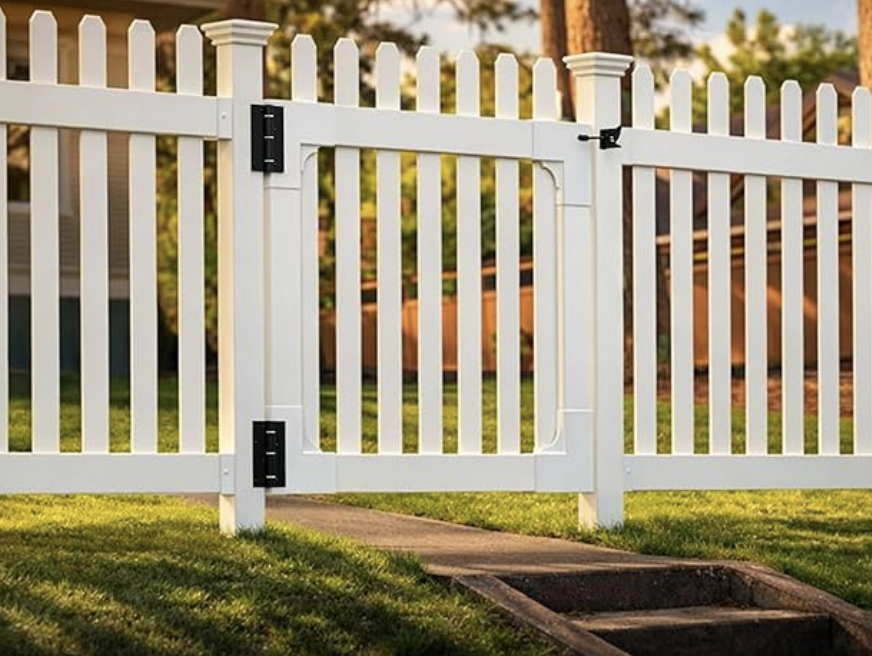
- sometimes a gate match
If you don’t define the system, you risk “parts don’t fit.”
4) Define finish and color rules
Confirm:
- color standard (sample reference)
- surface finish (matte, glossy, textured)
- coating type (for metal)
- anti-fade requirement (for plastic)
One small color drift can make a whole project look messy.
5) Define packaging from day one
Fence panels are long and awkward. Packaging protects profits.
Confirm:
- carton strength (single/double wall)
- corner protection
- spike/edge protection
- parts bag labeling
- barcode and carton marks
One-page spec template (what I include)
| Spec area | What to write clearly |
|---|---|
| Size | width, height, thickness, tolerance |
| Material | PP/PE/PVC, metal coating, wood treatment |
| System | posts, spikes, clips, caps, hardware |
| Finish | color reference, surface finish, coating type |
| Packaging | inner protection, carton grade, labeling |
If you want, I can turn your requirements into a ready-to-send RFQ spec sheet you can use with any supplier.
What to Look for When Choosing a Fence Panel Supplier in China
A reliable supplier isn’t the one who says “yes” to everything. It’s the one who can repeat the same quality and fit on the next order.
Choose a China fence panel supplier by checking outdoor durability control, dimension consistency, packaging capability, export experience, and communication clarity. Ask about repeat orders and peak season capacity early.

I’ve seen suppliers with beautiful catalogs fail for one reason: they can’t repeat.
So I screen suppliers with simple, revealing questions.
1) Can they explain durability logic?
Ask:
- What is your UV resistance approach (plastic)?
- What coating system do you use (metal)?
- What treatment method do you use (wood)?
- How do you prevent fading and rust complaints?
A strong supplier explains clearly. A weak supplier stays vague.
2) Can they control dimensions and fit?
Ask:
- What is the tolerance per panel?
- How do you check connector fit?
- Do you have jigs/molds for stable sizing?
Fit issues create the loudest customer complaints.
3) Can they show packaging proof?
Ask for:
- packaging photos
- carton spec and grade
- how spikes/edges are protected
- how small parts are packed and labeled
If packaging is weak, your product arrives “cheap” even if it was made well.
4) Can they communicate clearly and consistently?
This is underrated.
A supplier who writes clear emails[^3] and confirms details in bullet points reduces mistakes.
I always prefer suppliers who:
- respond fast
- confirm specs in writing
- share production photos[^4] when needed
- don’t change details silently
Supplier screening table
| What to check | Why it matters | Good sign |
|---|---|---|
| Durability control | prevents fading/rust | clear UV/coating logic |
| Fit consistency | avoids installation pain | tolerance explained |
| Packaging strength | reduces damage | protection plan shown |
| Export experience | smoother documents | standard processes |
| Communication | fewer misunderstandings | clear written confirmations |
If you want a copy-paste message, I can provide a supplier screening note you can send to 10 suppliers in one day.
Why Samples, Inspections, and Packaging Checks Matter
Fence panel imports fail for boring reasons: small defects, weak cartons, and “not the same as sample” drift.
Samples confirm real quality and fit, inspections catch production drift before shipment, and packaging checks prevent damage in transit. These three steps reduce returns, rework, and costly disputes.

Let me be blunt: if you skip samples and checks, you’re betting your money.
1) Samples prove fit and finish
A sample helps you verify:
- strength and rigidity
- edge safety (no sharp burrs)
- connector fit
- color and surface feel
Photos can lie. Samples tell the truth.
2) Inspections stop “quality drift”
Many bulk problems[^5] happen because production drifts:
- color changes slightly
- thickness varies
- connectors differ
- hardware quality changes
A basic inspection plan[^6] prevents this.
Simple checkpoints:
- pre-production confirmation
- in-line inspection (or photo check)
- final inspection before shipment
3) Packaging checks prevent shipping damage
Fence panels often get damaged at:
- corners (crushed)
- spikes (carton puncture)
- surfaces (scratches)
- missing parts (lost clips)
So I always check packaging before shipment:
- inner protection
- parts bag labeling
- carton marking
- pallet method (if used)
A simple control plan table
| Step | What it protects | Why it’s worth it |
|---|---|---|
| Sample approval | product truth | prevents wrong spec |
| In-line check | stops drift early | reduces rework |
| Final inspection | shipment quality | avoids surprises |
| Packaging check | transit safety | reduces damage losses |
If you want, I can share a one-page inspection checklist that works for most fence panel orders.
How Shipping, Customs, and Landed Cost Affect Your Import Plan
Landed cost is where many import plans break. The unit price is only one piece of the puzzle.
Your import plan must consider landed cost[^7]: product price + packaging + inland trucking + ocean/air freight + customs duty/VAT[^8] + clearance fees + local delivery. Fence panels are bulky, so volume and packaging efficiency strongly affect total cost.

This is the part buyers often underestimate, especially with fence panels.
Fence panels are not small. They take space.
That means shipping can become the real cost driver.
1) Fence panels are “volume sensitive”
Even if the product is not heavy, the cartons are large.
So buyers should ask:
- carton dimensions
- units per carton
- units per pallet (if palletized)
- container loading plan
A supplier who can pack smarter can save you real money.
2) Choose the right shipping method
Most bulk fence panels move by sea freight:
- FCL (full container) is often more cost-effective if volume is high
- LCL (less than container) can be expensive per unit due to handling
Air freight is usually not suitable for fence panels unless it’s a small emergency shipment.
3) Customs and documents must be clean
Basic docs usually include:
- commercial invoice
- packing list
- bill of lading
- HS code declaration
- certificates if needed (market dependent)
If documents are messy, clearance delays happen—and storage fees can hurt.
4) A simple landed cost model (how I explain it)
Landed cost =
FOB/EXW price + freight + insurance (optional) + customs duty + VAT (if applicable) + clearance fees + local delivery
Even if your supplier offers a low unit price, weak packaging or inefficient loading can raise landed cost.
Landed cost comparison table (practical)
| Cost driver | What to ask | Why it matters |
|---|---|---|
| Carton size | dimensions + packing method | affects freight cost |
| Loading plan | units per container | affects unit landed cost |
| Duty/VAT | HS code + destination | changes final pricing |
| Clearance fees | broker + port charges | avoids surprises |
| Local delivery | last-mile truck | bulky goods cost more |
If you want, I can help you build a simple landed cost calculator sheet you can reuse for every shipment.
Conclusion
Fence panel imports succeed when specs, QC, packaging, and landed cost are controlled—then China sourcing becomes predictable.
[^1]: Understanding fence panel specs is crucial for avoiding sourcing mistakes and ensuring quality.
[^2]: Exploring outdoor durability requirements helps ensure your fence panels withstand environmental challenges.
[^3]: Explore this link to understand how clear emails can enhance communication and reduce errors in business.
[^4]: Discover why sharing production photos can improve transparency and trust in supplier partnerships.
[^5]: Understanding bulk problems can help you implement effective solutions and improve production quality.
[^6]: An effective inspection plan is crucial for maintaining quality and preventing issues in production.
[^7]: Understanding landed cost is crucial for effective import planning and cost management.
[^8]: Learn about customs duty and VAT to better navigate import costs and compliance.