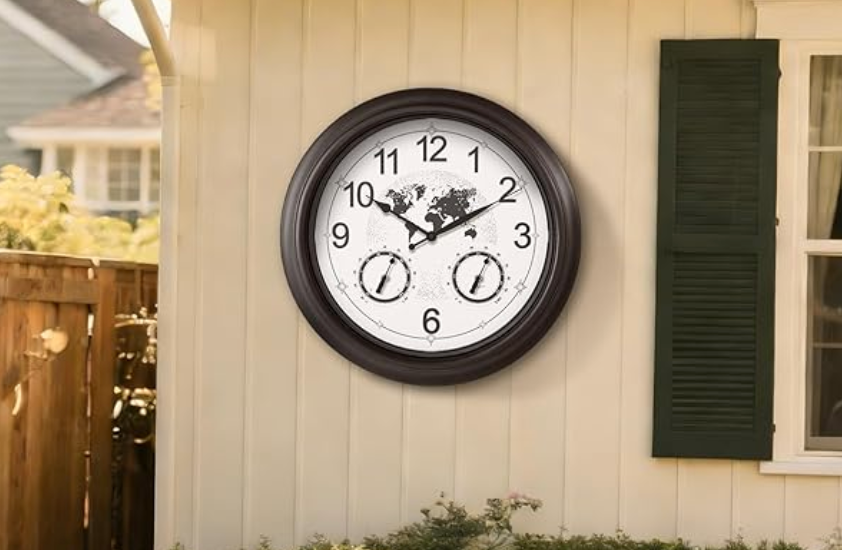
I’ve worked with outdoor clock buyers for years, and I’ve learned the hard truth: the “reliable” supplier is the one who performs after the sample looks good.
To choose a reliable outdoor clock supplier in China, verify four things: repeatable quality, outdoor-grade materials and sealing, export-safe packaging, and clear communication that stays consistent through production.
If you want smooth bulk orders, reliability must be proven—not promised.
What Makes an Outdoor Clock Supplier Truly Reliable
A reliable supplier isn’t the one who says “yes” to everything. It’s the one who controls details, stays consistent, and protects your repeat orders.
A truly reliable outdoor clock supplier can consistently repeat the same spec, manage batch-to-batch consistency, follow packaging standards, and deliver on time—especially during peak season.

Let me share a small moment that shaped how I judge suppliers.
A buyer once told me:
“Lucas, the sample was perfect.”
Two months later, the bulk order arrived and the dial colors were slightly different. Not “wrong,” but different enough that the retailer noticed.
That’s the real problem in wholesale:
small differences create big headaches[^1].
So reliability is not about a pretty catalog[^2]. It’s about control.
1) Reliability means repeat orders are stable
A reliable supplier can answer clearly:
- Can we repeat the same coating and color next season?
- Can we keep the same dial printing and hand shape?
- Can we keep the same carton protection?
If they can’t explain this, you are not buying stability—you’re buying luck.
2) Reliability means the supplier has a process, not just a person
If everything depends on one sales rep, that’s risky.
I look for signs of process:
- clear spec confirmation files
- sample approval steps
- QC checkpoints
- packaging standards
- production timeline planning
Process is what keeps quality stable when people are busy.
3) Reliability means they manage “outdoor” as a real requirement
Many suppliers can make indoor clocks.
Fewer treat outdoor clocks as outdoor products.
Reliable outdoor suppliers understand:
- sealing points (back cover, hand shaft)
- UV resistance and fading risk
- rust control for metal frames
- packaging protection to avoid bent hands
4) Reliability means they respect your need for “no changes”
Many wholesale buyers (especially DIY channels) don’t like changes.
A reliable supplier won’t “improve” your design without asking.
They will follow the approved sample.
A quick reliability score table
| Reliability signal | What it looks like | Why it matters |
|---|---|---|
| Repeatability | same spec, same finish | reduces returns and complaints |
| Process control | clear QC + documents | prevents “oops” mistakes |
| Outdoor knowledge | sealing + UV + rust logic | prevents outdoor failure |
| On-time delivery | realistic schedule | protects seasonal sales |
If you want a clean starting tool, I often share a supplier reliability checklist to keep evaluation simple.
How to Check Quality, Materials, and Outdoor Durability
Outdoor clocks fail in predictable ways, so your checks should focus on predictable weak points.
To check quality and durability, confirm sealing design[^3], material quality[^4] (UV + rust resistance), dial readability, movement stability, and packaging protection. Then verify by sample tests and clear QC checkpoints.

I like to keep this part practical. No fancy words—just checks that prevent problems.
1) Check sealing first (this prevents fogging)
Two weak points cause most moisture issues:
- the back cover
- the hand shaft area
Ask the supplier:
- How is the back cover sealed?
- Is there a gasket or tight lock system?
- How do you prevent moisture at the shaft?
A sample that fogs after one wet month is not an outdoor product.
2) Check frame and housing materials (rust + UV)
For metal clocks, ask:
- coating type (powder coating is common)
- coating thickness control (even basic explanation helps)
- rust prevention approach for screws and hooks
For resin/plastic clocks, ask:
- UV stability approach
- whether the cover yellows over time
- whether the housing becomes brittle
I keep these questions in a simple materials checklist.
3) Check dial readability (returns often start here)
Even if the clock works, customers complain if they can’t read it.
Check:
- high contrast numbers
- thick hands
- simple font
- clean dial layout
If you sell to Europe, readability sells faster than “fancy.”
4) Check movement stability (quiet but important)
I’m not going to overcomplicate movements here.
Just confirm:
- stable ticking and hand movement
- no loose hands
- easy battery access
- consistent performance during basic testing
5) Check packaging like it’s part of the product
Outdoor clocks often get damaged at:
- hands (bent)
- lens (cracked)
- frame edges (scratched)
- corners (crushed)
So ask for:
- inner protection plan
- hand protection support
- carton grade suggestion
- drop-safety thinking
Simple durability test ideas (low cost)
You can do basic checks without a lab:
- light water spray test (check fogging risk)
- sunlight exposure spot test (watch fading on a sample)
- shake test in carton (listen for loose parts)
- wall-mount test (check stability and hook strength)
Quality check table
| Risk area | What to verify | Common failure |
|---|---|---|
| Sealing | back cover + shaft area | fogging, corrosion |
| Metal finish | coating + screws | rust spots |
| Resin/plastic | UV stability | fading, brittleness |
| Readability | contrast + hands | “hard to read” complaints |
| Packaging | inner protection | bent hands, scratches |
If you want, I can share a one-page QC checkpoint plan you can send to any supplier.
Why Communication and Customization Matter to Buyers
In China sourcing, quality problems often start as communication problems.
Clear communication[^5] matters because it reduces misunderstandings in specs, packaging, and delivery timing. Customization[^6] matters because buyers need private label, dial designs, and carton artwork—but customization must be controlled to protect repeat orders.
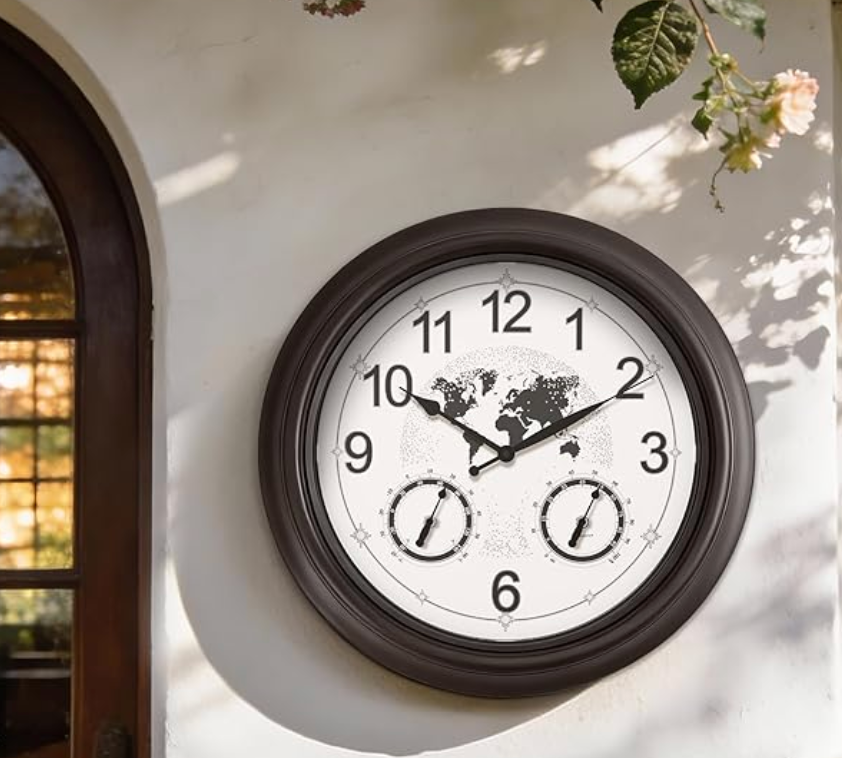
This is the part many buyers underestimate.
A supplier can have good production—yet still create trouble—if communication is messy.
1) Good communication prevents “small changes”
Small changes are dangerous in wholesale:
- slightly different dial color
- a different hand shape
- a different screw material
- a different carton insert
Customers notice.
So I like suppliers who:
- confirm details in writing
- share photos during production
- don’t change anything without approval
2) Customization is useful, but it must be controlled
Buyers often want:
- logo on the dial
- private label box
- barcodes and labels
- color matching to a garden range
- packaging instructions for retail shelves
That’s normal.
But if customization becomes endless, it destroys stability.
I always suggest “controlled customization”:
- approve one design
- lock one spec file
- repeat that for future orders
I often use a change control sheet so both sides stay aligned.
3) Buyers care about speed and clarity
Many buyers are not native English speakers. Simple English helps.
A reliable supplier will:
- reply quickly
- use clear wording
- confirm key points in bullet lists
- send clear photos
Fast, clear communication is a form of quality control.
Communication checklist table
| Communication item | What good looks like | Why it matters |
|---|---|---|
| Response speed[^7] | consistent replies | keeps schedule stable |
| Clarity | simple English + photos | reduces misunderstandings |
| Confirmation | written spec summary | prevents wrong production |
| Change control[^8] | no changes without approval | protects repeat orders |
If you want a copy-paste message, I can provide a supplier screening email that filters weak suppliers quickly.
How to Reduce Risk Before Placing a Bulk Order
Bulk orders should be protected with a simple risk-reduction system: clear specs, sample approval, QC checkpoints, and payment control.
Reduce risk by locking a written spec, approving a “golden sample,” confirming packaging standards, setting inspection checkpoints, and arranging payment terms that protect you (deposit + balance after inspection).

I’ll keep this section very actionable.
Step 1: Lock the spec in one page
Your spec should include:
- size and dial layout
- frame/housing material
- sealing requirement
- movement type
- packaging requirement (inner protection + carton)
- labeling and barcode rules
One page is enough if it’s clear.
Step 2: Approve a “golden sample”
This is the sample that becomes the reference for bulk production.
I recommend:
- label it with date and version
- store photos from multiple angles
- confirm packaging method with that sample
Step 3: Set QC checkpoints
Even simple checkpoints help:
- pre-production confirmation
- in-line photo update
- final inspection before balance payment
If you don’t set checkpoints, you only discover issues at arrival.
Step 4: Confirm packaging before production ends
Ask for:
- packaging photos
- carton markings
- inner protection details
- pallet method if needed
A weak carton can turn a good product into a bad delivery.
Step 5: Use payment terms that protect you
Most buyers use a common structure:
- deposit to start production
- balance after inspection / before shipment
The key is: do not lose your leverage too early.
Risk reduction table
| Risk | Simple control | Result |
|---|---|---|
| Wrong spec | one-page written confirmation | fewer misunderstandings |
| Quality drift | golden sample + QC checkpoints | stable production |
| Shipping damage | packaging standard photos | fewer returns |
| Delivery delay | timeline with checkpoints | clearer schedule |
| Supplier changes | change control rule | repeat stability |
If you want, I can help you create a ready-to-send bulk order checklist you can use with any Chinese supplier.
Conclusion
A reliable supplier proves repeat quality, outdoor durability, and clear communication—then bulk ordering becomes much safer.
[^1]: Understanding the implications of small differences can help you avoid costly mistakes in your supply chain.
[^2]: Exploring this topic can provide insights into building stronger, more dependable supplier partnerships.
[^3]: Understanding sealing design can help ensure your outdoor clock withstands the elements, enhancing its longevity.
[^4]: Exploring material quality insights can guide you in selecting durable outdoor clocks that resist UV and rust.
[^5]: Understanding the significance of clear communication can help you avoid costly mistakes and ensure successful sourcing.
[^6]: Exploring best practices for customization can enhance your sourcing strategy and improve product quality.
[^7]: Understanding response speed can enhance your communication strategies and improve overall efficiency.
[^8]: Exploring change control can help you manage projects effectively and avoid costly mistakes.