I’ve been selling garden products long enough to see the pattern: every year has a “quiet shift” in what buyers actually reorder.
In 2026, garden trellis trends are led by weather-tough materials (powder-coated metal, treated wood, and composites), cleaner modern shapes, and multi-function designs that combine support + privacy + décor. Importers win when they lock specs, packaging, and repeat-order consistency early.
Let’s look at what’s really moving in the market—without the fluff.
Which Garden Trellis Materials Are Leading the Market in 2026?
Materials are trending toward “low maintenance, long life, and clean finish.” Buyers want fewer rust complaints and fewer warped frames.
Leading trellis materials in 2026 are powder-coated metal (especially black), treated wood for natural looks, and composite/WPC options for stability. Buyers are also asking for better UV resistance and stronger hardware to survive year-round outdoor use.

I’ll be honest—materials are where most trellis projects succeed or fail.
A trellis can look perfect on a product photo, but outdoors is unforgiving:
- sun fades
- rain finds weak welds
- wind tests the frame
- soil moisture attacks the bottom section
- customers complain when it leans after two weeks
So in 2026, buyers are leaning into materials that make problems less likely.
1) Powder-coated metal is still the “safe bet”
This is the material I hear about most from European buyers.
Why it leads:
- modern look (black is still the hero color)
- strong structure
- stable shape (no warping)
- easy to match with fences, hooks, and outdoor décor
But the key is coating quality[^1].
Metal doesn’t rust because it’s metal. It rusts because the coating fails.
So I always ask suppliers about:
- coating type (powder coating[^2] is common)
- thickness consistency
- scratch protection in packaging
2) Treated wood is still loved for “warm garden style”
Wood trellis sells because it feels:
- natural
- traditional
- soft and friendly
But in 2026, buyers are more cautious. They want:
- outdoor treatment that makes sense
- stable wood moisture control
- clean edges (no splinters)
- better packaging to prevent corner damage
Wood can be great—if it’s not treated like an indoor item.
3) Composite / WPC is growing quietly
This is not the loudest trend, but it’s a practical one.
Why buyers like it:
- more stable than cheap wood
- often lower maintenance
- consistent color and shape
- good for “clean garden” styles
Trade-off:
- can be heavier
- price positioning must be handled carefully
Material trend table
| Material | Why it leads in 2026 | Common risk to watch |
|---|---|---|
| Powder-coated metal | modern + strong + stable | coating scratches and rust risk |
| Treated wood | natural + classic garden look | warping/mold if treatment is weak |
| Composite/WPC | stable + low maintenance | weight + price positioning |
If you’re building a range, I usually plan materials like a menu: one “safe seller,” one “style seller,” one “premium or special.” I keep it organized with a material selection sheet.
What Styles of Garden Trellis Are Buyers Looking For?
Style trends in 2026 are moving toward cleaner lines, flexible sizing, and designs that feel “architectural” rather than overly decorative.
Buyers in 2026 are looking for modern minimalist trellis (black metal, clean grids), soft-arch trellis for romance gardens, expandable trellis for small spaces, and trellis panels that match fence styles for a consistent outdoor look.
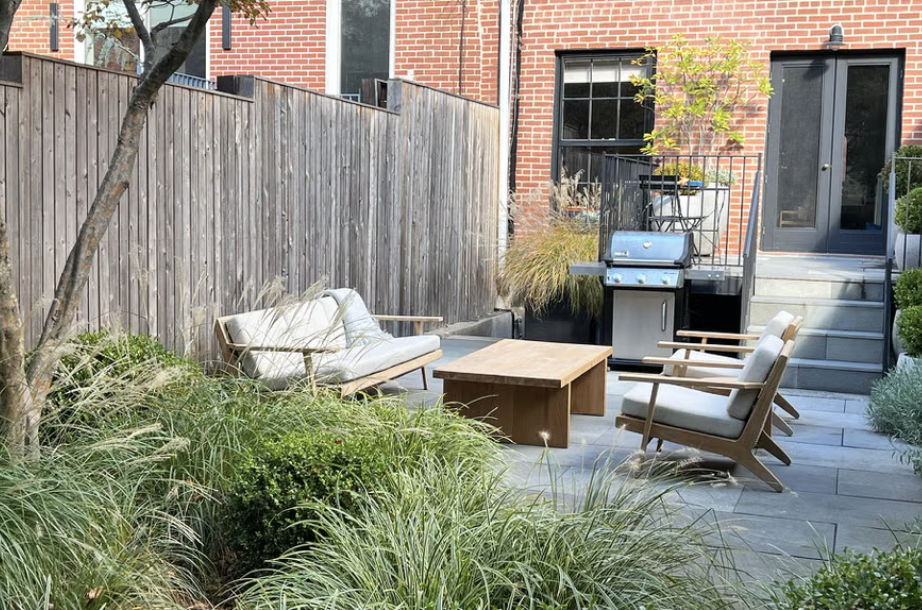
I like to think of trellis styles in 2026 as two moods:
1) clean and modern
2) warm and cottage
Both sell. But they sell to different buyers.
1) Modern grid and ladder trellis (especially black)
This is a strong trend in Europe and many export markets.
Why it sells:
- it looks tidy even when plants aren’t grown yet
- it matches modern patios
- it pairs well with metal fence panels and hooks
- it fits “minimal garden[^3]” aesthetics
This style also photographs well online, which helps e-commerce[^4].
2) Arch trellis and curved tops (classic but refreshed)
Arches never truly disappear.
In 2026, buyers still like arches, but they prefer:
- simpler curves (less “busy”)
- stronger frames (no wobble)
- easy assembly
Arches sell best when the product feels stable and premium.
3) Privacy trellis panels (taller, denser patterns)
This is big for small outdoor spaces.
Customers want:
- a little privacy
- a wall for climbing plants
- a nicer-looking boundary than plain fencing
So trellis panels are moving closer to “decorative screens.”
4) Expandable trellis for balconies and small gardens
This is a quiet volume product:
- easy to ship
- easy to store
- flexible sizing
- great for small-space living
But the joints and connectors must be strong, or returns come fast.
Style trend table
| Style | Why buyers want it | Where it sells best |
|---|---|---|
| Modern grid/ladder | clean, matches modern outdoor | DIY + e-commerce |
| Arch trellis | classic garden “story” | garden centers |
| Privacy/screen trellis | solves small-space privacy | urban markets |
| Expandable trellis | flexible + easy logistics | online and seasonal promos |
If you’re importing, I recommend building a “style ladder” so your range feels complete. I often map it with a range plan.
How Multi-Function Trellis Designs Are Changing Outdoor Spaces
In 2026, trellis is no longer just a plant support. It’s becoming a tool for zoning, privacy, and outdoor living design.
Multi-function trellis designs are growing because they combine climbing support with privacy screening, planter integration, or fencing roles. This helps homeowners “shape” their outdoor space without major construction.

This is one of my favorite trends because it’s driven by real life.
People have smaller outdoor spaces now, and they want one product to do more than one job.
1) Trellis + planter (the “instant garden” setup)
These sell because they feel beginner-friendly[^5].
The customer doesn’t need to build a structure.
They just place it, plant, and watch it grow.
Key benefits:
- clear “before and after” effect
- strong gift appeal[^6]
- higher perceived value
Key risks:
- stability (top-heavy designs)
- drainage (water pooling)
- packaging (parts damage)
2) Trellis as a privacy screen (without heavy fencing)
A trellis screen does something emotionally important:
- it creates a sense of “my space”
- it softens boundaries with plants
- it feels less harsh than a solid wall
This sells well in:
- patios
- balconies
- small backyards
3) Trellis as a fence “upgrade”
Many buyers now want trellis that matches fence panels.
Why?
Because the garden looks more intentional when:
- fence and trellis share the same color and style
- the whole boundary feels like one family
This is why black metal trellis plus black metal fence has become a strong set.
4) Trellis with hooks or accessory functions
Some designs now add:
- hanging hook points
- support bars for lights
- modular add-ons
It’s not about making it complicated.
It’s about making it useful.
Multi-function design table
| Design type | What it solves | What to watch |
|---|---|---|
| Trellis + planter | instant climbing support | stability + drainage |
| Trellis screen | privacy + zoning | wind load + anchoring |
| Trellis matching fence | consistent outdoor style | color consistency |
| Modular/accessory trellis | flexible outdoor use | joint strength |
If you want, I can help you position these as a clean product story using a multi-function SKU map.
What Importers Should Check Before Buying Garden Trellis from China
Trellis imports succeed when you control the boring parts: specs, finish, packaging, and repeat orders.
Before buying trellis from China, importers should confirm material specs (UV/coating/treatment), dimensions and tolerance, weld/joint strength, packaging protection, and QC checkpoints. Also confirm carton size and loading efficiency because trellis is bulky and shipping cost matters.
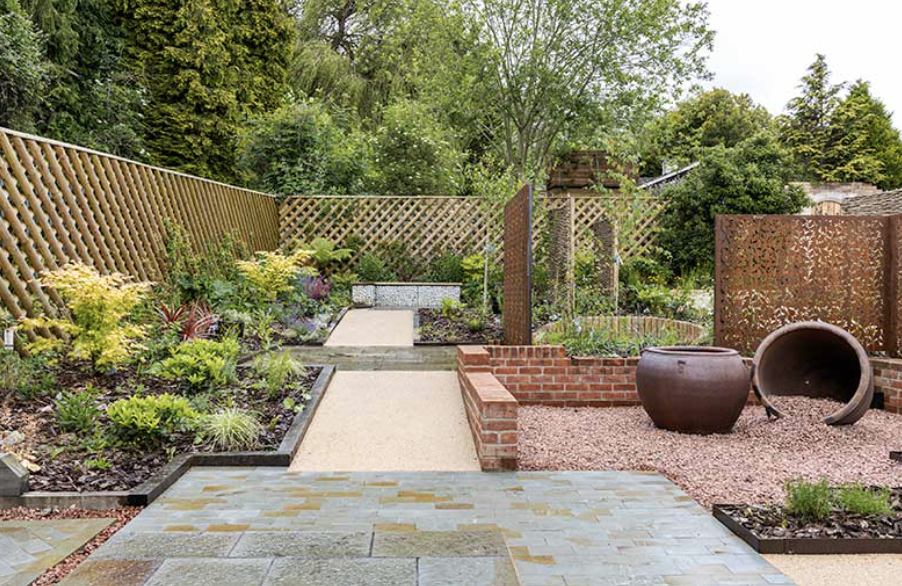
Let me share what I always check before a bulk order—because these are the exact points that reduce problems later.
1) Confirm the spec sheet (don’t rely on photos)
Lock:
- height/width
- tube thickness (metal)
- wood thickness and treatment method
- coating type and color reference
- connectors and hardware
- load and stability expectation
A one-page spec sheet prevents 80% of “misunderstanding” issues.
2) Confirm durability logic by material
- Metal: coating quality and anti-rust hardware
- Wood: moisture control and outdoor treatment
- Composite: UV stability and surface finish
Ask the supplier to explain simply.
If they can’t explain, they can’t control.
3) Check joints and assembly points
Most trellis complaints come from:
- weak welds
- loose screws
- unstable feet or spikes
- poor assembly fit
So I always ask for:
- close-up photos
- sample assembly test
- stability check (wobble test)
4) Treat packaging as part of the product
Trellis damage[^7] is common in shipping:
- scratched coating
- bent corners
- broken wood edges
- missing screws
So check:
- inner protection
- corner protection[^8]
- separate hardware bag with label
- carton grade
5) Plan shipping and landed cost early
Trellis is bulky. Carton size can decide your profit.
Ask for:
- carton dimensions
- units per carton
- container loading estimate
A supplier who packs smarter can save you real money.
Importer checklist table
| Import check | What to ask | Why it matters |
|---|---|---|
| Spec confirmation | one-page spec sheet | prevents wrong production |
| Durability | UV/coating/treatment logic | reduces aging complaints |
| Structure | weld/joint strength | prevents wobble and breaks |
| Packaging | scratch/corner protection | reduces transit damage |
| Logistics | carton + loading plan | controls landed cost |
If you want, I can give you a ready-to-send trellis RFQ template that includes these points and keeps supplier comparison fair.
Conclusion
In 2026, trellis trends favor durable materials, clean styles, and multi-function designs—import success comes from tight specs and strong packaging control.
[^1]: Understanding coating quality is crucial for durability and longevity in metal products, ensuring they resist rust and wear.
[^2]: Exploring the benefits of powder coating can help you choose the best finish for your metal items, enhancing their appearance and lifespan.
[^3]: Explore this link to understand the essence of minimal gardens and how they enhance modern aesthetics.
[^4]: Discover how effective photography can boost e-commerce sales and attract more customers.
[^5]: Explore this link to understand how beginner-friendly products can enhance gardening experiences for novices.
[^6]: Discover why gardening items make great gifts and how they can delight recipients.
[^7]: Understanding the causes of Trellis damage can help you prevent it and ensure your shipments arrive in perfect condition.
[^8]: Exploring corner protection methods can enhance your shipping practices and reduce damage to your products.