I’ve talked with UK buyers long enough to know one thing: fence panels don’t confuse people because of design— they confuse people because of sizes.
In the UK, most garden fence panels are sold in standard widths (especially 6ft / 1.83m) with common heights like 3ft, 4ft, 5ft, and 6ft. Choosing the right size depends on privacy needs, wind exposure, and the purpose of the space.
Let’s make the sizing feel easy, not stressful.
What Are the Standard Garden Fence Panel Sizes in the UK?
UK fence panels follow a simple pattern: one dominant width, several common heights, and a few “special” sizes for specific jobs.
Standard UK fence panels are most commonly 6ft (1.83m) wide, with popular heights around 3ft (0.91m), 4ft (1.22m), 5ft (1.52m), and 6ft (1.83m). Many retailers label sizes in feet, even when listings also show metric.
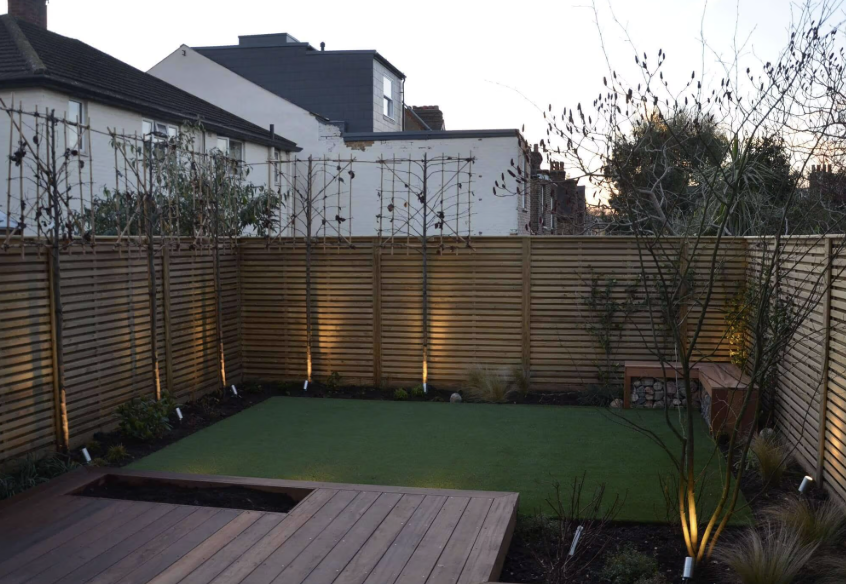
When a UK customer asks me for “standard fence panels,” I usually smile because the market is actually quite consistent.
The UK loves standards. It makes DIY easier.
The “standard width” idea (the UK habit)
Most panels are built to fit a typical bay between posts. That’s why one width shows up everywhere: 6ft.
Once you accept that, the rest becomes a simple height choice.
Common UK sizes (quick reference)
Here’s a clean size table I use when explaining to buyers:
| UK listing size[^1] (feet) | Approx width (mm) | Approx height (mm) | Typical use |
|---|---|---|---|
| 6ft × 3ft | 1830 | 915 | front gardens, low borders |
| 6ft × 4ft | 1830 | 1220 | light boundary, less blocking |
| 6ft × 5ft | 1830 | 1525 | privacy with less “wall” feel[^2] |
| 6ft × 6ft | 1830 | 1830 | strong privacy, main boundaries |
And then there are “in-between” sizes you’ll see in some ranges:
- 2ft (610mm) and 3.5ft (about 1050mm)
- 6.5ft (about 1980mm) for some brands
- 1m-wide decorative panels for small spaces
But for most UK DIY retail, the list above covers the majority.
What buyers should ask suppliers to confirm
Even if the size label says 6ft × 6ft, I always confirm:
- actual finished width and height
- tolerance (how much variation per batch)
- frame thickness
- slat spacing (for privacy panels)
- packaging dimensions (important for shipping)
I keep these questions inside a simple size confirmation sheet so nothing gets missed.
Which Fence Panel Height Is Best for Privacy and Security?
Height is not only about privacy—it also changes security feel, wind load, and how “closed” the garden looks.
For UK gardens, 6ft high panels are most common for privacy, while 5ft can be a good balance of privacy and openness. 3ft–4ft panels work better for front gardens, low boundaries, and decorative separation rather than true privacy.
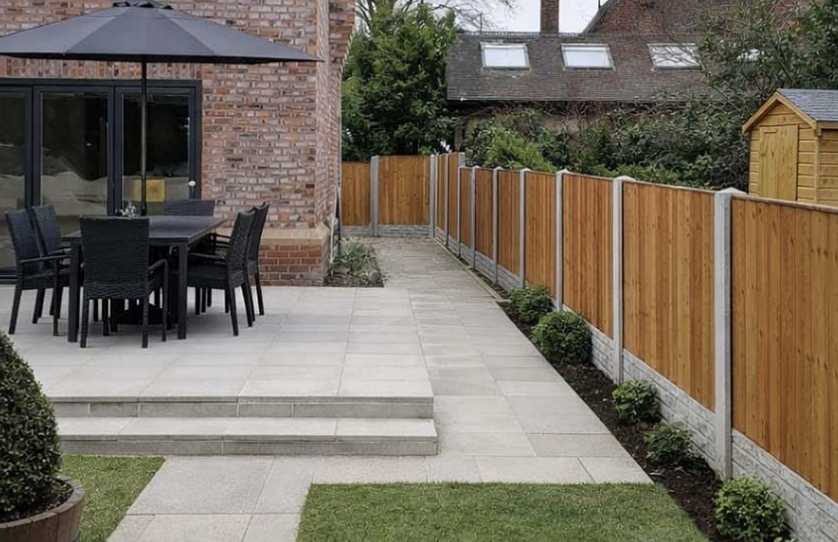
Let me explain this in a practical, non-technical way.
When people say “privacy,” they usually mean:
- sitting on the patio without feeling watched
- blocking direct view from neighbors
- making the boundary feel “owned”
6ft (1.83m): the privacy standard
This is the classic UK answer.
Why it works:
- blocks most sight lines
- gives a strong boundary feeling[^3]
- fits common UK fence systems
Where it can be tricky:
- wind exposure[^4] (especially on open sites)
- “dark wall” feeling in small gardens
- stronger post requirements
5ft (1.52m): a strong balance
This one is underrated.
It often gives:
- decent privacy when seated
- less wind pressure than 6ft
- a lighter visual feel
For many suburban gardens, 5ft is a practical sweet spot.
4ft (1.22m) and below: for boundaries, not privacy
These are great for:
- front gardens
- dividing zones (driveway vs lawn)
- decorative edges
- keeping pets in (sometimes)
But if someone wants “privacy,” 4ft usually won’t satisfy them.
Height decision table (simple)
| Height | Privacy level | Best use |
|---|---|---|
| 3ft | low | front garden, borders |
| 4ft | low-medium | separation, light boundary |
| 5ft | medium-high | balanced privacy |
| 6ft | high | main boundary privacy |
If you want to reduce complaints, match height to customer expectation from day one.
Why 6ft Wide Panels Dominate the British Market
The 6ft width is not random—it’s a “system size” that matches typical post spacing, installation habits, and retailer stocking efficiency.
6ft wide panels[^5] dominate in the UK because they match common post-to-post spacing[^6], make installation fast for DIY users, and help retailers stock one standard width across many styles and heights. This reduces complexity for everyone.
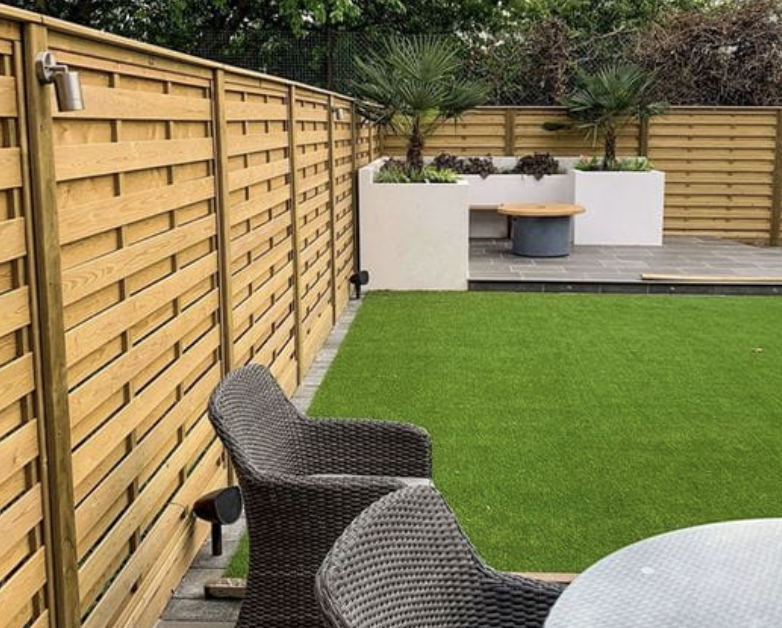
This is one of my favorite “UK market logic” topics because it’s so simple.
The UK market loves:
- predictable installation
- predictable replacement
- predictable stocking
1) 6ft works with common fence bay spacing
Many UK fence systems are built around this width.
So when a homeowner needs to replace one damaged panel, they can:
- measure quickly
- buy quickly
- install quickly
That repeatability is a big reason the width became dominant.
2) 6ft makes DIY easier
For DIY installers, fewer cuts means:
- less time
- fewer mistakes
- cleaner results
A standard width helps keep the job simple.
3) 6ft helps retailers manage shelf space
Retailers love standardization.
If the width stays the same, stores can:
- carry multiple heights without extra chaos
- swap styles in the same shelf system
- simplify logistics and warehousing
4) It supports a “style family” strategy
Stores often sell:
- the same width
- multiple heights
- multiple styles (lap, featheredge, slatted, trellis top)
This creates a clear buying journey.
Quick market reason table
| Reason | Why it matters |
|---|---|
| Installation standard | faster DIY fitting |
| Replacement ease | simple panel swaps |
| Retail efficiency | easier stocking |
| Style variety | same width, many designs |
If you’re exporting to the UK, building around 6ft width is usually the safest decision.
How to Choose the Right Fence Panel Size for Different Garden Projects
The “right size” depends on the job. A front garden border and a back garden privacy line are completely different projects.
Choose fence panel size[^7] based on purpose: use 6ft height for strong privacy boundaries[^8], 5ft for balanced privacy, and 3ft–4ft for front gardens and decorative separation. Keep 6ft width as the default for UK projects unless the space is unusually small.
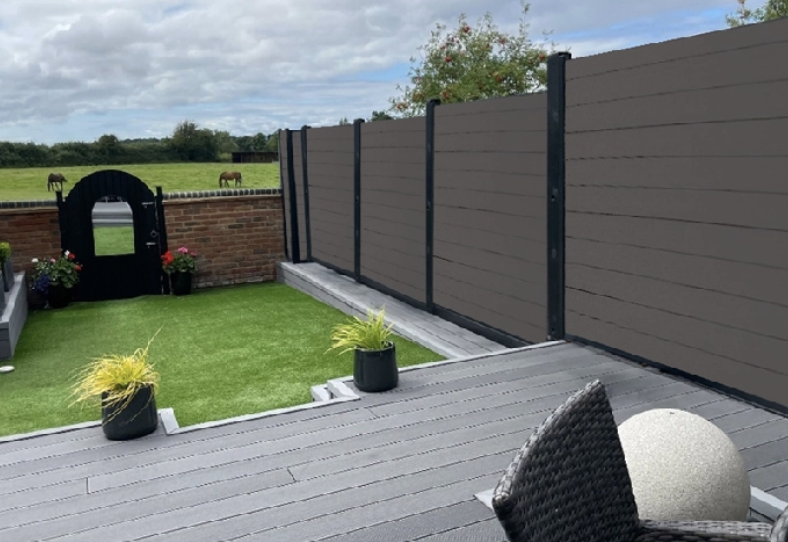
Here’s how I usually guide customers—simple and project-based.
1) Back garden privacy boundary
Typical choice:
- 6ft wide × 6ft high (most common)
Alternative: - 6ft wide × 5ft high (more open feel)
If the garden is very windy, a slightly lower height can reduce stress on posts.
2) Front garden boundary
Typical choice:
- 6ft wide × 3ft or 4ft high
Front gardens often need “definition” more than privacy.
3) Side passage or narrow zones
If the space is tight, buyers sometimes use:
- standard 6ft width if possible
- or smaller modular panels in specific designs
Here, the key is measuring carefully and confirming post placement.
4) Decorative screening (partial privacy)
Many projects want privacy without feeling closed.
A popular approach is:
- 5ft panels + trellis top
or - 6ft panels with a more open slat design (depending on style)
This can feel lighter while still blocking direct view.
Simple project selection table
| Project type | Typical UK size choice | Why it works |
|---|---|---|
| Main back boundary | 6ft × 6ft | max privacy |
| Softer privacy | 6ft × 5ft | balance + less “wall” |
| Front garden | 6ft × 3ft / 4ft | tidy boundary |
| Decorative screening | 5ft + trellis | light + stylish |
My “no-regret” sizing tips
- Measure the total run length first, then divide by 6ft bays.
- Confirm post type and spacing early.
- Don’t ignore wind exposure for 6ft high panels.
- If privacy is the goal, avoid 4ft unless it’s a seated-only privacy plan.
If you want, I can also provide a copy-paste UK fence panel RFQ template that includes sizes, tolerances, and packaging questions.
Conclusion
UK fence panels are usually 6ft wide—choose 3–6ft heights based on privacy needs, wind exposure, and project purpose.
[^1]: Understanding UK listing sizes helps buyers choose the right garden panels for their needs.
[^2]: Explore options for achieving privacy in your garden while maintaining an open atmosphere.
[^3]: Understanding the importance of a strong boundary feeling can enhance your garden’s privacy and aesthetic appeal.
[^4]: Exploring solutions for wind exposure can help you create a more comfortable and enjoyable outdoor space.
[^5]: Discover the reasons behind the popularity of 6ft wide panels in the UK, including installation efficiency and retail benefits.
[^6]: Learn about post-to-post spacing in fencing and how it affects installation and design choices.
[^7]: Understanding the factors influencing fence panel size can help you make informed decisions for your garden projects.
[^8]: Exploring methods for creating strong privacy boundaries will enhance your outdoor space and provide the seclusion you desire.