I’ve seen buyers get excited about a “cheap fence deal”… and then spend twice as much fixing complaints after the first season.
Cheap fence panels are defined by lower material cost, simpler structure, and lighter packaging. Premium panels cost more because they use stronger materials, better finishes, tighter tolerances, and better protection for outdoor durability and shipping.
If you want fewer surprises, you need to judge total value, not just unit price.
What Defines a Cheap Fence Panel?
“Cheap” usually means the panel meets the basic function, but sacrifices stability, finish, and long-term outdoor performance.
A cheap fence panel is typically made with thinner materials, simpler joints, lighter coating or weaker UV protection, and minimal packaging. It may look fine at first, but quality drift and outdoor aging show up faster.
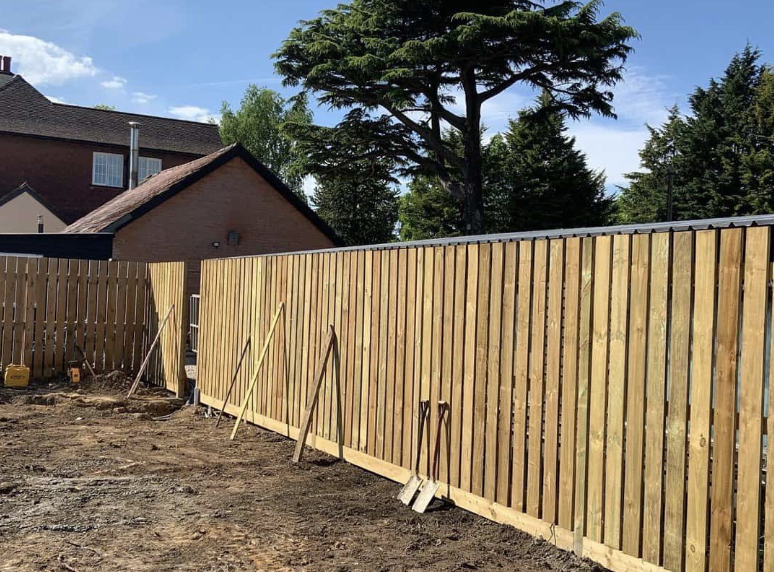
Let me say this without being dramatic: cheap panels aren’t always “bad.”
They just have a different purpose.
They often fit:
- short-term garden projects
- seasonal promotions
- budget-focused retail channels
But the problems start when buyers expect cheap panels to behave like premium panels.
Common signs of a cheap fence panel (what I notice first)
1) Thinner structure
You might see:
- thinner slats
- weaker frame support
- light posts or spikes
This increases risk of:
- bending
- wobbling
- breaking during installation
2) Lower outdoor protection
For plastic panels:
- weak UV resistance[^1]
- faster fading
- brittleness in cold weather
For metal panels:
- thin paint or weak powder coating
- rust risk once scratched[^2]
For wood panels:
- minimal outdoor treatment
- faster mold/rot risk in wet climates
3) Looser fit and tolerance
Cheap panels can have:
- inconsistent dimensions
- connectors that feel tight/loose randomly
- uneven spacing
That leads to installation frustration—the fastest way to get returns.
4) Minimal packaging
Cheap packaging often means:
- scratches in transit
- crushed corners
- missing small parts (clips, connectors)
Packaging is not “extra.” It’s protection.
Cheap panel summary table
| Cheap panel sign | What it often causes |
|---|---|
| Thinner material | wobble, breaks |
| Weak UV/coating | fading, rust |
| Loose tolerance | installation complaints |
| Minimal packaging | damage and missing parts |
If you’re selling into DIY retail, these issues don’t stay hidden for long.
Why Premium Fence Panels Cost More
Premium panels cost more because they’re built to survive outdoors longer, install more smoothly, and reduce returns for retailers.
Premium fence panels[^3] cost more due to stronger materials[^4], better surface finishing, tighter tolerance control, stronger hardware, and export-safe packaging. They often reduce long-term costs by lowering damage and complaint rates.
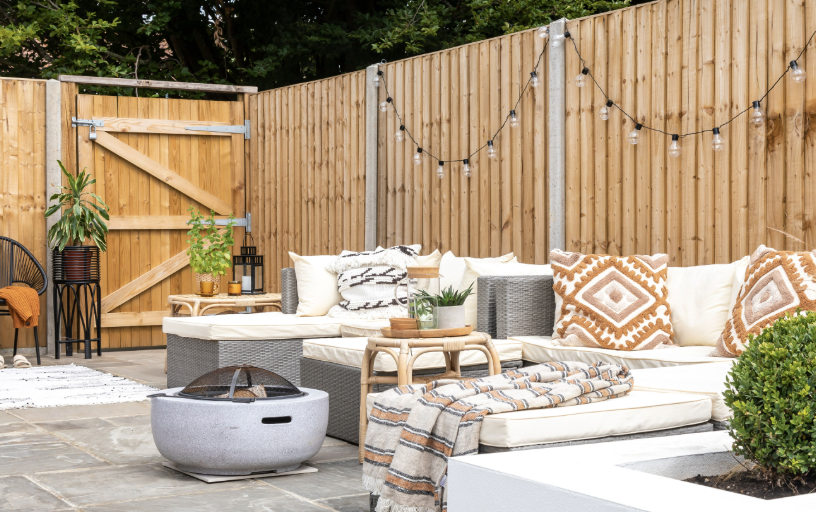
When I explain premium pricing to buyers, I don’t start with “better quality.”
I start with what it saves you.
1) Better materials and stronger structure
Premium panels often use:
- thicker slats or frame components
- stronger posts/spikes
- more stable connector design
This improves:
- installation feel
- wind stability
- overall lifespan
2) Better outdoor durability design
Premium products usually have a clearer outdoor logic:
- stronger UV additives (plastic)
- better coating systems (metal)
- better treatment and sealing (wood)
This reduces the “looks old after one season” problem.
3) Better finishing (the touch test)
DIY shoppers touch products.
Premium panels usually have:
- smoother edges
- cleaner cuts
- better weld finishing (metal)
- more consistent color tone
This affects customer trust in-store.
4) Better packaging and protection
Premium packaging often includes:
- corner protectors
- inner separators
- scratch protection
- stronger carton grade
This reduces transit damage and returns.
Premium panel cost drivers table
| Cost driver | Why it costs more | What it prevents |
|---|---|---|
| Thicker materials | more raw material | bending, wobble |
| Better UV/coating | higher protection level | fading, rust |
| Tighter tolerance | more process control | fit and install issues |
| Strong packaging | more protection | shipping damage |
When you run a wholesale program, returns and replacements are far more expensive than a small unit price difference.
How to Evaluate Real Value Before Buying
Real value is not “cheap” or “premium.” Real value is what performs best in your channel with the lowest total risk.
To evaluate value, compare panels based on outdoor durability[^5], installation ease[^6], packaging safety, tolerance stability, and repeat-order consistency. Then calculate total cost: product + freight + damage rate + return risk.
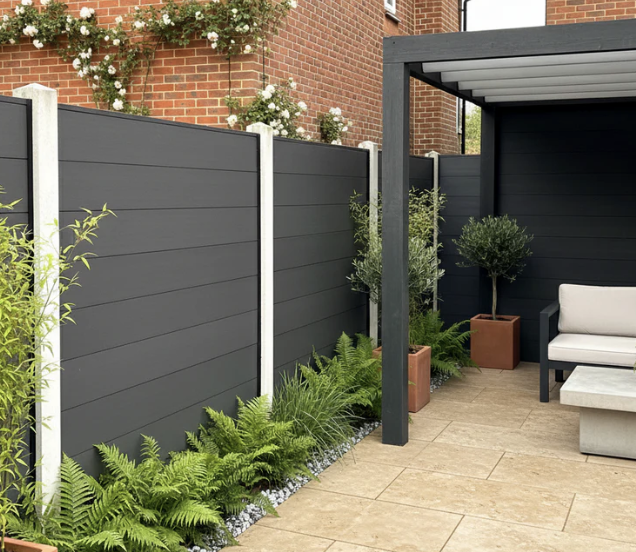
This is my favorite part, because it’s where smart buyers separate themselves from “price-only” buyers.
Step 1: Compare durability in a practical way
Ask suppliers:
- What is your UV resistance plan?
- What coating system do you use?
- What is the wood treatment method?
- What is your warranty or claim policy?
A good supplier can explain their logic simply.
Step 2: Test installation experience with samples
I always recommend these simple checks:
- connector fit test (smooth, not forced)
- edge safety check (no sharp burrs)
- strength feel test (panel flex)
- spike stability check (if included)
Installation pain = returns.
Step 3: Treat packaging as part of product value
Fence panels are long and awkward. Damage is common if packaging is weak.
Check:
- corner protection
- spike protection (prevent carton puncture)
- part bag labeling
- carton strength
Step 4: Calculate total cost, not unit cost
Here’s a simple way to think:
Total cost = unit price + freight + damage cost + return cost + time cost
Even a small damage rate can destroy profits in retail.
Value comparison table (easy to use)
| Value factor | What to check | Why it matters |
|---|---|---|
| Durability | UV/coating/treatment | prevents outdoor aging complaints |
| Fit & tolerance | dimensions and connectors | prevents install issues |
| Finish | edges, welds, surface | reduces “cheap feeling” |
| Packaging | protection plan | reduces damage losses |
| Repeat orders | batch consistency | keeps SKU stable |
If you want a tool, I usually build a supplier scorecard and reuse it for every project.
Which Option Matches Your Market Best?
The best option depends on your channel, customer expectations, and climate. A premium product in a budget channel can be too slow, and a cheap product in a premium channel can create reputational damage.
Choose cheap panels[^7] for price-driven markets, promotions, and short-term projects where customers accept basic performance. Choose premium panels[^8] for quality-driven markets, long-term installations, and retail channels where returns and reputation matter. Many programs succeed by offering both: entry-level and premium tiers.
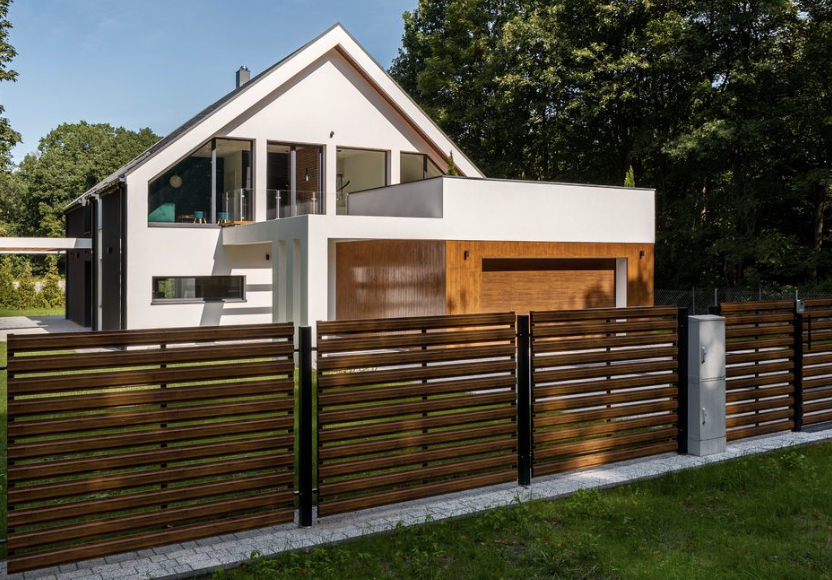
Here’s how I usually map it with buyers.
1) DIY supermarkets (mixed customer base)
Best strategy:
- entry-level line for volume
- premium line for higher margin and fewer returns
This “two-tier” approach often works well.
2) Garden centers (lifestyle and quality focus)
Premium panels often fit better because:
- customers browse longer
- they buy with emotion and trust
- they accept higher price if design and feel are right
3) E-commerce (shipping and returns pressure)
Premium packaging becomes critical.
Cheap panels can create:
- shipping damage
- return headaches
- negative reviews
So if you sell online, you often need at least “mid-tier” quality even if the price is not premium.
4) Climate matters more than people think
- Strong sun → UV protection matters
- Coastal air → coating matters
- Wet climates → wood treatment matters
In harsh climates, cheap panels fail faster and create more complaints.
Market matching table
| Market situation | Better choice | Why |
|---|---|---|
| Price-driven promotion | Cheap | fast turnover |
| Long-term backyard fence | Premium | durability + fewer repairs |
| Premium retail channel | Premium | reputation and quality |
| Mixed channel strategy | Both | volume + margin balance |
If you want, I can help you build a simple tier plan using a SKU ladder and a packaging standard.
Conclusion
Cheap panels sell on price; premium panels sell on stability—choose based on total cost, channel needs, and return risk.
[^1]: Understanding weak UV resistance can help you choose better materials for outdoor use.
[^2]: Exploring rust prevention methods can extend the lifespan of your metal panels significantly.
[^3]: Discover the advantages of Premium fence panels, including durability and cost-effectiveness, to make an informed purchase.
[^4]: Learn how stronger materials enhance the longevity and safety of structures, ensuring better investment returns.
[^5]: Understanding outdoor durability helps you choose products that withstand environmental challenges, ensuring long-term value.
[^6]: Exploring installation ease can save time and costs, making your projects more efficient and hassle-free.
[^7]: Explore this link to understand how cheap panels can effectively meet customer expectations in budget-focused projects.
[^8]: Discover why investing in premium panels can enhance reputation and performance in long-term installations.