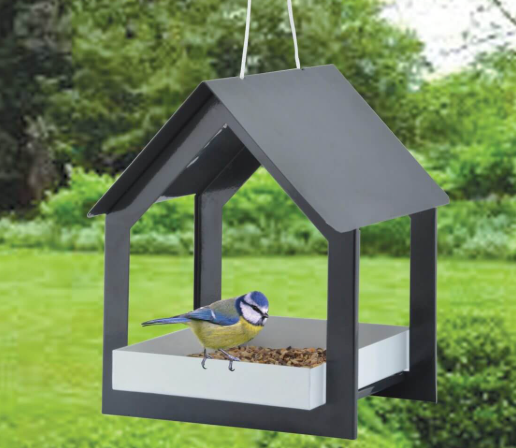
I’ve sold both bird feeders and bird tables into Europe, and I can tell you this: the better seller is often the one that feels easier for shoppers to carry, hang, and refill.
Across Europe, bird feeders usually sell faster than bird tables because they are cheaper, smaller, easier to display, and simpler for customers to use. Bird tables still sell well in certain markets where “garden tradition” is strong and shoppers want a permanent setup.
So the real answer is not “one wins.” It’s where each wins—and why.
Why Bird Feeders Usually Sell Faster Across Europe
Bird feeders often move faster because they fit the European retail reality: limited shelf space, price-sensitive shoppers, and the need for easy “grab-and-go” items.
Bird feeders usually sell faster in Europe because they have lower entry price, smaller packaging, higher impulse-buy appeal, and more repeat purchases (customers buy multiple feeders or replace old ones).
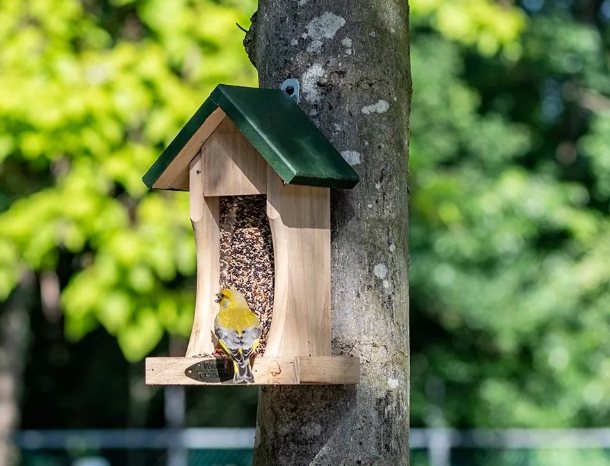
Let me paint a simple picture.
In many European DIY stores, the garden aisle is busy. The shopper is moving fast.
They want something that feels:
- useful
- affordable
- simple
- not heavy
A feeder matches that behavior.
1) Price point makes the first sale easier
A bird feeder is often a “yes” purchase:
- “Let’s try it.”
- “It’s a small gift.”
- “My kids will like it.”
A bird table is more like a “think about it” purchase:
- bigger ticket
- needs space in the garden
- feels like a commitment
When shoppers hesitate, sales slow down. It’s that simple.
2) Packaging size matters more than many people think
From my sales-side view, packaging[^1] decides whether a product becomes a fast mover.
Bird feeders usually have:
- smaller cartons
- easier shelf display
- better hanging merchandising options
- lower shipping cost per unit[^2]
Bird tables often require:
- larger cartons
- more warehouse space
- more careful protection (corners, legs, roof)
And yes, this affects pricing and stocking decisions.
3) Feeder replenishment drives repeat demand
Feeder customers often buy:
- a second feeder for another spot
- a replacement after weather wear
- a different style for another bird type
Bird tables can last longer. That’s good for the user—less good for repeat purchase speed.
4) Feeder variety creates “collecting” behavior
A shopper can easily buy:
- a tube feeder
- a suet feeder
- a peanut feeder
- a window feeder
Many people mix and match.
That creates faster category turnover.
Quick “why feeders sell faster” table
| Reason | What it means in stores |
|---|---|
| Lower price | easier decision |
| Smaller carton | easier stocking + shipping |
| Easier to use | fewer returns and complaints |
| Repeat purchase pattern | more frequent sales |
If you’re building a European range, I usually start with a fast-mover feeder lineup and only then add tables as “range builders.”
Where Bird Tables Still Hold Strong Market Appeal
Bird tables don’t always sell faster—but when they sell, they can build a premium feel and stronger basket value.
Bird tables hold stronger appeal in markets where garden culture is traditional and homeowners want a permanent feeding station. They also perform well in premium garden centers and seasonal promotions.
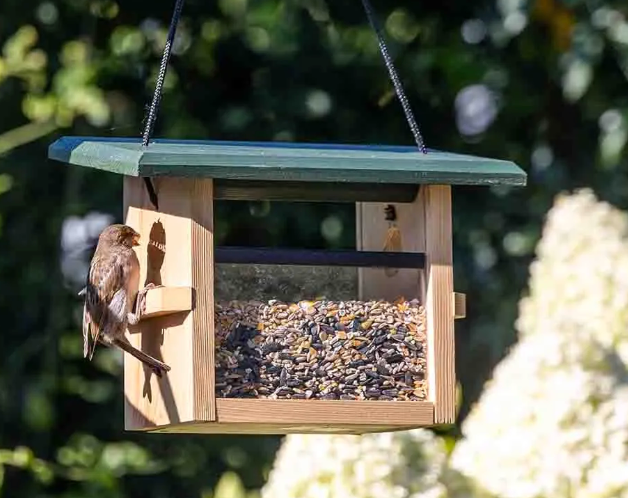
Bird tables are not “dead.” Not at all.
They are simply more location-dependent and channel-dependent.
1) Traditional garden markets still love bird tables
Some European customers grew up with the idea that a bird table is part of a real garden.
In those markets, a table feels:
- classic
- warm
- “proper”
- long-term
A feeder feels like an accessory.
A table feels like a feature.
2) Bird tables work well as a “giftable” garden statement
A good-looking bird table can sell as:
- a housewarming gift
- a holiday gift
- a “garden upgrade” purchase
Especially when the design looks strong and the finish feels premium.
3) Bird tables create higher ticket value
Even if tables sell slower, they often bring:
- higher unit value
- higher margin potential (depends on material)
- stronger visual presence in store
For some retailers, a few tables sold can equal many feeders in revenue.
4) Tables can anchor a full garden bird range
A bird table can lead to add-on sales:
- seed and mealworms
- bird baths
- hanging feeders nearby
- garden hooks and poles
So even if the table itself sells slower, it can help the whole category.
What makes bird tables “work” in Europe
From what I’ve seen, tables sell better when they are:
- stable and not wobbly
- easy to assemble[^3]
- easy to clean
- designed with drainage (no water pooling)
- packed well so corners don’t chip[^4]
Here’s a quick positioning table:
| Bird table type | Strong use case | Common buyer concern |
|---|---|---|
| Wooden roof table | classic gardens | weather treatment |
| Metal stand table | modern gardens | stability |
| Platform tray table | smaller gardens | pigeon pressure |
| Premium decorative table | garden centers | packaging protection |
If you want tables to perform, they must feel “worth the space.”
How Retail Channels Influence Product Performance
The same product can be a fast mover in one channel and a slow mover in another. Europe is especially channel-driven.
DIY chains usually push bird feeders because of price, shelf efficiency, and high turnover. Garden centers can sell more bird tables because shoppers expect premium, decorative items and spend more time browsing. E-commerce favors feeders because shipping is cheaper.
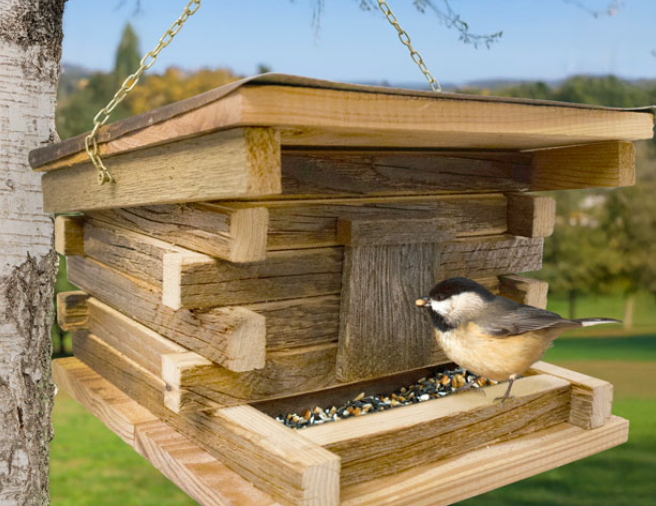
This is where many wholesale buyers get confused.
They ask: “Which sells better in Europe?”
But Europe isn’t one store. It’s many channels.
1) DIY supermarkets (high volume, high speed)
In DIY stores, bird feeders often win because:
- they fit peg display and end caps
- price is easier to push
- customers buy quickly and leave
A bird table can sell too, but it needs:
- strong packaging
- clear assembly message
- solid value story
2) Garden centers (premium shopping behavior)
Garden center shoppers are different:
- slower browsing
- more emotion
- more willingness to pay for design
This channel can support bird tables better, especially:
- rustic wood styles
- decorative roof tables
- premium finishes
3) E-commerce (shipping cost rules everything)
Online, feeders have a natural advantage:
- smaller parcel cost
- lower damage risk
- easier returns
Bird tables online need:
- stronger cartons
- better protection
- clear assembly instructions
- reliable spare parts policy
4) Seasonal pop-ups and promotions
In Europe, seasonal promotions can change everything.
- winter feeding season often boosts feeder sales
- spring garden season can lift bird table interest
- holiday gifting can favor good-looking sets
Channel performance summary table
| Channel | Feeder performance[^5] | Table performance |
|---|---|---|
| DIY chains | usually faster | slower, selective |
| Garden centers | strong | strong (often better) |
| E-commerce[^6] | strongest | harder (shipping cost) |
| Seasonal promos | very strong | depends on style |
If you tell me your channel, I can usually predict which SKU type will move faster.
What Wholesale Buyers Should Compare Before Sourcing
When wholesale buyers choose between feeders and tables, the decision should be based on channel fit, packaging economics[^7], and return risk—not just unit price.
Before sourcing, compare: target channel, price point, carton size, durability (rust/UV/wood treatment), assembly complexity, and repeat-order stability[^8]. These factors decide real sell-through and profit.
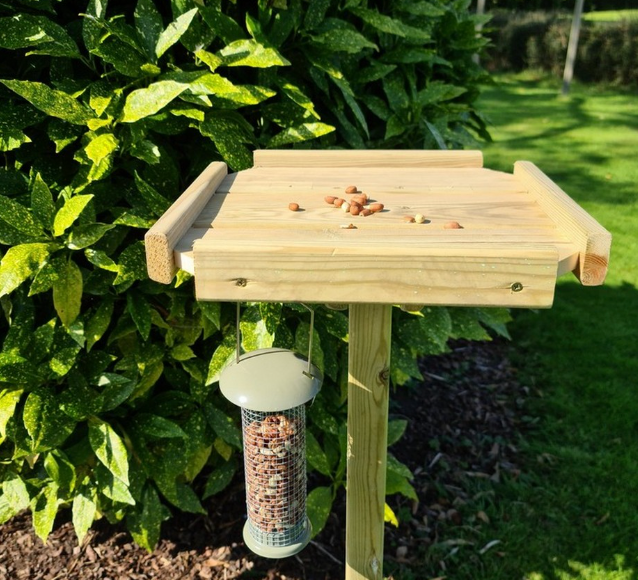
Here’s the honest truth: the “better seller” is the one that creates less friction.
So I always tell buyers to compare the friction points.
1) Compare carton economics
Ask:
- carton size
- units per carton
- container loading efficiency
- inner protection cost
This is where feeders often win, because they pack tighter.
2) Compare return risk
For feeders, return risk often comes from:
- rust spots
- broken ports
- leaking lids
- scratched coating
For tables, return risk often comes from:
- wobbling legs
- chipped corners
- poor drainage
- assembly complaints
3) Compare merchandising ease
In Europe, shelf space is expensive.
Feeder advantages:
- peg display
- small shelf footprint
- easy to mix styles
Table advantages:
- strong visual “anchor” product
- can lift the whole display zone
4) Compare repeat order stability
This is my favorite “serious buyer” question:
“Can you deliver the same finish and color again next season?”
A supplier who can repeat quality makes your business easier.
A practical sourcing comparison checklist
| Comparison point | Bird feeders | Bird tables |
|---|---|---|
| Sell-through speed | usually faster | usually slower |
| Ticket value | lower | higher |
| Shipping efficiency | better | weaker |
| Damage risk | lower | higher |
| Retail display | easy | needs space |
| Repeat purchase | higher | lower |
If you want, I can help you build a European range plan using a channel SKU map and a packaging protection guide.
Conclusion
Bird feeders sell faster in most European channels, while bird tables win in premium and tradition-driven markets.
[^1]: Understanding the role of packaging can help you optimize your product’s market performance.
[^2]: Exploring this can provide insights into cost management and pricing strategies for your products.
[^3]: Exploring this link will reveal how easy assembly enhances customer satisfaction and boosts sales.
[^4]: This resource will provide insights on effective packaging techniques that protect furniture during shipping.
[^5]: Understanding Feeder performance can help you optimize your inventory and sales strategy.
[^6]: Exploring E-commerce insights can enhance your online sales strategy and customer reach.
[^7]: Understanding packaging economics can help you make informed decisions that enhance profitability and efficiency in your wholesale operations.
[^8]: Exploring repeat-order stability can provide insights into customer loyalty and long-term profitability, crucial for successful wholesale strategies.