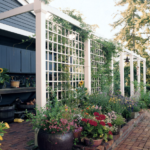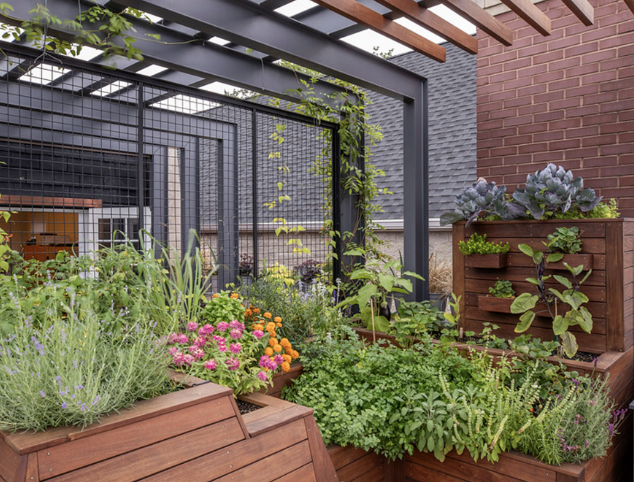
I used to think a trellis was just a “plant ladder.” Then I saw one used as a privacy wall with lights and hooks—and it suddenly felt like furniture, not a garden accessory.
Modern trellis design is moving beyond plant support into privacy, zoning, décor, and outdoor lifestyle. The best new trellis products balance clean style with real durability: strong structure, weather-safe materials, and smart accessories that don’t make installation painful.
Let’s talk about what’s changing—and why buyers care.
Why Garden Trellis Designs Are Evolving Beyond Plant Support
Gardens are becoming outdoor living spaces, and people want products that do more than one job—especially when space is limited.
Trellis designs are evolving because homeowners want privacy, visual structure, and “finished” outdoor spaces even before plants grow. A trellis now often acts as a screen, divider, décor wall, or accessory rail—not only plant support.

Here’s the shift I keep seeing.
A customer doesn’t always say, “I need a trellis for vines.”
They say:
- “I want this corner to feel cozy.”
- “My balcony feels exposed.”
- “This wall looks empty.”
- “I need something that looks good now, not in six months.”
That last line is the big one.
1) People want instant results
Plants take time. Trellis is immediate.
A modern trellis is expected to look good on day one:
- clean lines
- good finish
- “designed” feeling
That’s why trellis is moving closer to outdoor décor.
2) Small spaces push multi-function
Balconies and compact patios need products that combine:
- support + privacy[^1]
- décor + function
- structure + storage[^2]
One item doing two jobs feels smart.
Two items doing two jobs feels expensive and messy.
3) Outdoor lifestyle is more emotional now
Outdoor spaces are not just for gardening. They’re for:
- coffee moments
- dinners
- quiet evenings
- family time
A trellis that helps create mood (lighting, décor) becomes more valuable.
4) Buyers want a “system,” not a single product
Retailers and importers are also thinking in ranges:
- trellis panels
- matching fence panels
- plant supports
- outdoor hooks and décor
When the style is consistent, the whole shelf looks premium.
Quick “why trellis is evolving” table
| Driver | What it changes in product design |
|---|---|
| Instant outdoor upgrade | trellis must look good without plants |
| Small-space living | more screens, modular panels |
| Lifestyle décor trend | cleaner lines, better finishes |
| Range building | matching colors across categories |
If you’re planning a new range, I like to map it with a trellis trend board so the collection feels intentional.
Popular Materials and Finishes for Modern Trellis Products
In modern gardens, the material choice is less about “classic tradition” and more about durability + visual clean-ness.
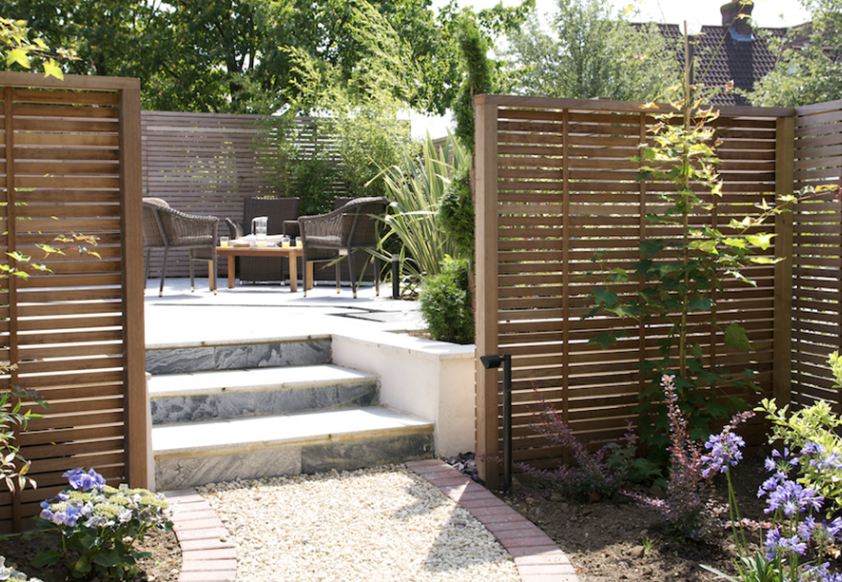
Popular modern trellis materials include powder-coated metal (especially matte black), treated wood for warm minimal looks, and composite/WPC for stable low-maintenance panels. Finishes trending in 2026-style gardens are matte textures, clean grids, and subtle patterns that match modern fences.
Let’s keep this very practical.
Materials are trending toward:
- low maintenance
- clean look
- stable shape
- outdoor durability
1) Powder-coated metal (the modern favorite)
This is the safe choice for modern markets.
Why it sells:
- sharp, clean lines
- strong structure
- stable shape (no warping)
- easy to match with modern outdoor décor
But coating quality matters.
I always ask:
- coating type[^3] (powder coat[^4] is common)
- thickness consistency
- scratch protection in packaging
Metal doesn’t rust because it’s metal.
It rusts when coating fails.
2) Treated wood (minimal, warm, and “human”)
Wood trellis is still loved when buyers want:
- natural warmth
- softer garden style
- minimalist “Scandi” outdoor feel
But wood must be treated and controlled:
- moisture content matters
- treatment method matters
- edge finishing matters
Wood looks forgiving, but outdoors it’s actually picky.
3) Composite / WPC (quiet growth trend)
Composite is growing because it offers:
- stable shape
- consistent color
- lower maintenance than cheap wood
- a clean, modern feel
Trade-off:
- weight is higher
- price needs correct positioning
4) Finishes that look premium in modern gardens
In 2026-style modern gardens, these finishes sell well:
- matte black metal
- subtle textured powder coat
- “natural light wood” tones
- simple grid or ladder patterns
Busy patterns are slowing down. Clean patterns are speeding up.
Material + finish table
| Material | Popular finish | Why buyers like it |
|---|---|---|
| Metal | matte / textured powder coat | modern, durable, premium feel |
| Wood | smooth stain / minimal paint | warm, natural, simple |
| Composite | consistent matte color | stable, low maintenance |
If you want to build a tiered range, I usually use a material ladder plan: entry, mid, premium.
How Multi-Functional Trellis Systems Improve Outdoor Spaces
Multi-functional trellis systems are changing how people use their gardens. They don’t just support plants—they shape the space.
Multi-functional trellis systems improve outdoor spaces by adding privacy screening, zoning, decorative walls, planter integration, and accessory hooks. They help small patios feel larger and more “finished,” even before plants grow in.
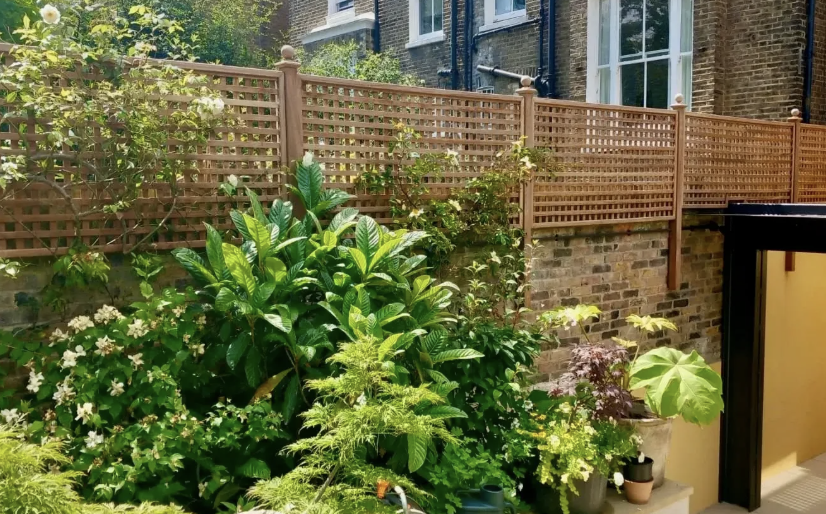
This is where “trellis” becomes “outdoor furniture.”
1) Trellis as a privacy screen (soft privacy)
A tall trellis panel can create:
- a calmer seating corner
- a boundary that still feels natural
- a place for climbing plants to do their magic
It’s softer than a solid wall, and that softness sells.
2) Trellis as a room divider (zoning)
In small spaces, zoning is powerful.
A trellis can separate:
- dining space vs storage space
- plant corner vs seating corner
- “public” vs “private” areas
It’s like a bookshelf in a studio apartment. Suddenly the space has structure.
3) Trellis + planter systems (instant vertical garden)
These are popular because they feel beginner-friendly.
The customer can:
- place it
- plant it
- enjoy it
Key risk is stability. A top-heavy planter trellis must have good base design.
4) Trellis with hooks and décor points
Modern trellis systems often add:
- hook rails for lanterns and small planters
- tie points for fairy lights
- accessory bars for seasonal décor
But it must stay clean. Too many accessories can make it look messy.
5) Modular trellis panels (build-your-own wall)
Modular is a strong 2026 trend:
- panels connect together
- users can build a longer screen
- retailers can sell sets
This creates repeat purchase behavior, which retailers love.
Multi-function benefit table
| System feature | What it improves | What to watch |
|---|---|---|
| Privacy screen | comfort + boundary | wind load + anchoring |
| Zoning divider | makes space feel bigger | stability |
| Planter trellis | instant green wall | drainage + top-heavy risk |
| Hooks / décor points | personalization | load limit + rust |
| Modular panels | flexible sizing | connector strength |
If you want a clean product story, I often describe it as support + privacy + décor in one line. It’s simple and it sells.
What Importers Should Check When Sourcing Innovative Trellis Designs from China
Innovative designs sell well—until they fail in shipping or wobble outdoors. Importers must control specs, structure, parts, and packaging.
Importers should check: material durability (UV/coating/treatment)[^5], joint strength and stability, accessory compatibility and load limits, parts management (no missing hardware), packaging protection[^6], and repeat-order consistency. Innovative products create more small-part risk, so QC must be tighter.
Let me share my “safe importer” checklist. This is where most profits are protected.
1) Confirm structure and stability first
Innovation is great, but the base must be strong.
Confirm:
- tube thickness (metal)
- weld quality or joint strength
- base design (feet/spikes/wall mounting)
- wobble test results with sample
A beautiful panel that leans will get returned fast.
2) Confirm outdoor durability logic by material
Ask suppliers to explain simply:
- how metal coating prevents rust
- how wood treatment prevents mold/warping
- how plastic/composite resists UV fading
If they can’t explain it clearly, they usually can’t control it consistently.
3) Confirm small parts and accessories management
Innovative trellis often includes:
- hooks
- clips
- screws
- brackets
- connectors
Small parts are a common failure point.
So check:
- labeled parts bags
- spare parts included
- assembly instruction clarity
One missing screw can ruin the customer experience.
4) Confirm packaging protection (treat it like a product feature)
Trellis shipping damage is common:
- scratched coating
- bent corners
- chipped wood edges
So confirm:
- scratch protection layers[^7]
- corner protectors[^8]
- hardware packed separately
- carton grade strong enough
5) Confirm repeat-order consistency
This matters for retailers.
Ask:
- “Can you repeat the same finish and color next season?”
- “Do you have a batch control plan?”
- “Can you keep the same accessories and hardware?”
A supplier who can repeat quality builds your long-term business.
Import checklist table
| Import check | What to verify | Why it matters |
|---|---|---|
| Stability | joints + base strength | prevents wobble returns |
| Durability | UV/coating/treatment | prevents aging complaints |
| Accessories | fit + load limits | prevents breakage |
| Parts control | labeled bags + spares | prevents missing part claims |
| Packaging | scratch/corner protection | prevents transit damage |
| Repeatability | batch consistency | supports long-term range |
If you want, I can provide a ready-to-send Innovative Trellis RFQ so your supplier comparison stays fair and fast.
Conclusion
Modern trellis is becoming outdoor décor and privacy furniture—import success comes from strong structure, durable finishes, and strict parts + packaging control.
[^1]: Explore this link to discover innovative solutions that enhance both support and privacy for your balcony.
[^2]: This resource offers practical tips and products to effectively combine structure and storage in your patio space.
[^3]: Understanding coating types helps ensure durability and longevity of metal items, making your purchase more informed.
[^4]: Exploring powder coat benefits can enhance your knowledge on metal protection, ensuring you choose the best option for your needs.
[^5]: Understanding material durability is crucial for importers to prevent product failures and ensure longevity.
[^6]: Exploring packaging protection strategies can help importers safeguard their products during transit, reducing losses.
[^7]: Explore this link to discover effective scratch protection solutions that can safeguard your products during shipping.
[^8]: Learn about the importance of corner protectors in reducing shipping damage and ensuring your items arrive safely.