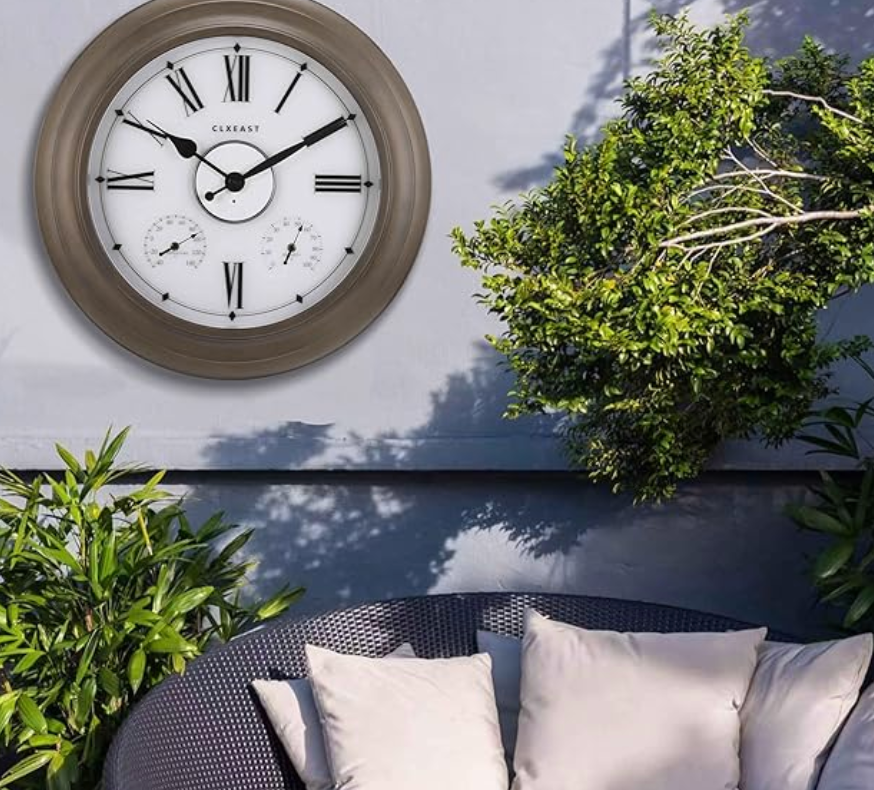
I’ve helped private label buyers build outdoor clock programs, and the biggest lesson is simple: the best OEM partner is the one who can repeat your brand standard season after season.
For private label outdoor clocks, choose OEM manufacturers that can handle dial artwork + logo, stable materials (UV + rust resistance), sealed outdoor structure, retail-ready packaging, and strict repeat-order consistency.
If you want your brand to grow, your supplier must feel like part of your team.
What Private Label Buyers Should Expect from an OEM Outdoor Clock Manufacturer
Private label is not “put a logo and ship.” It’s a controlled system: design, materials, packaging, QC, and repeat orders.
A good OEM outdoor clock manufacturer should offer: logo and dial customization, controlled color matching, multiple size options, packaging design support, clear lead times, and a repeat-order plan that keeps the same look and quality across batches.
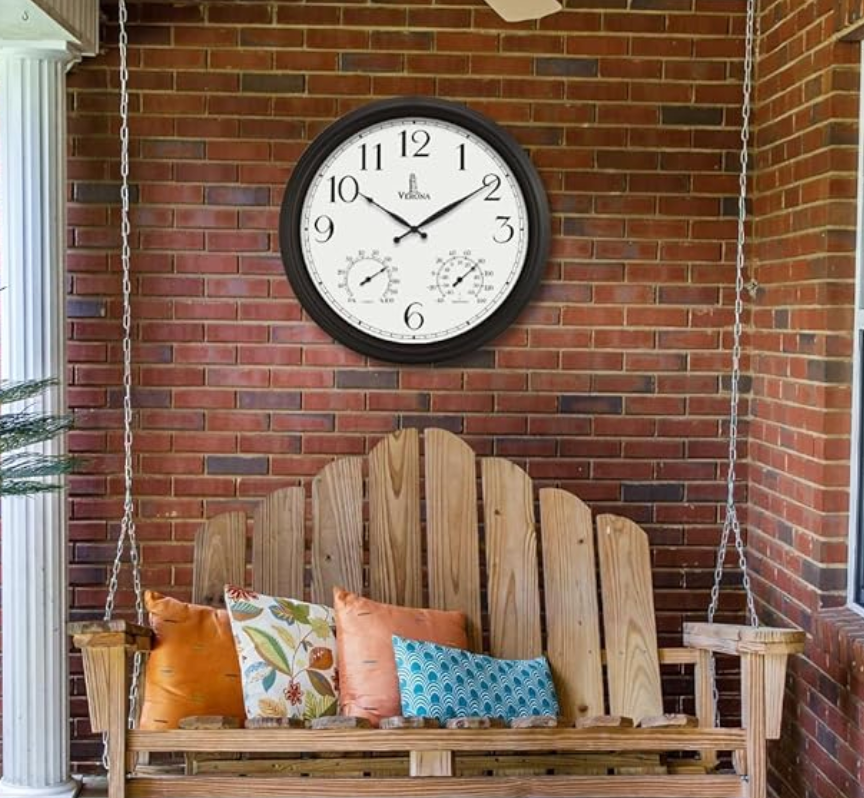
I’ve seen private label projects go smooth, and I’ve seen them go messy.
The messy ones usually start with one mistake:
People treat OEM like a quick print job.
But a private label outdoor clock[^1] is a retail product that will sit outside in rain and sun. Your brand name is on it. If it fails, the customer blames your brand, not the factory.
So here’s what you should reasonably expect from a real OEM partner[^2].
1) A clear OEM workflow (not just “yes, we can”)
A reliable OEM manufacturer will have a simple process:
- confirm spec sheet
- confirm artwork file requirements
- produce sample
- approve “golden sample”
- mass production with QC checkpoints
If a supplier can’t explain their workflow, the project will feel unstable later.
2) Artwork support with clear rules
Private label usually needs:
- logo on dial
- custom dial design (numbers, fonts, layout)
- hands style choice
- color control for frame and dial
A good OEM partner will tell you:
- which file formats they need
- what printing limits exist
- what can and cannot be matched perfectly
I like using a simple artwork checklist so there’s no confusion.
3) Packaging that looks like your brand
For retail, packaging is part of the product.
You should expect:
- private label color box support
- barcode placement
- instruction sheet options
- carton markings for logistics
If packaging is weak, you’ll see damage. If packaging looks cheap, your shelf position suffers.
4) Repeat orders with “no surprise changes”
This is the biggest one.
Private label buyers usually hate changes. And I understand why.
So ask early:
“How do you keep the same color and finish on the second order?”
A strong OEM partner will explain batch control. A weak one will just promise.
Quick expectation table
| What to expect | Why it matters | Good sign |
|---|---|---|
| OEM workflow | keeps project organized | clear steps, clear timing |
| Artwork rules | prevents wrong printing | file format guidance |
| Packaging support | retail success + damage control | standard packaging options |
| Repeat consistency | protects your brand | batch control explained |
If you want a ready format, I can share a private label RFQ template you can send to any OEM.
How to Evaluate Design, Material, and Customization Capabilities
Evaluation is easier when you test the supplier’s “design thinking,” not only their price.
Evaluate OEM capability by checking: design options (dial, hands, sizes), material choices (resin vs metal, UV resistance), customization limits, sampling speed, and how well the supplier documents changes and approvals.
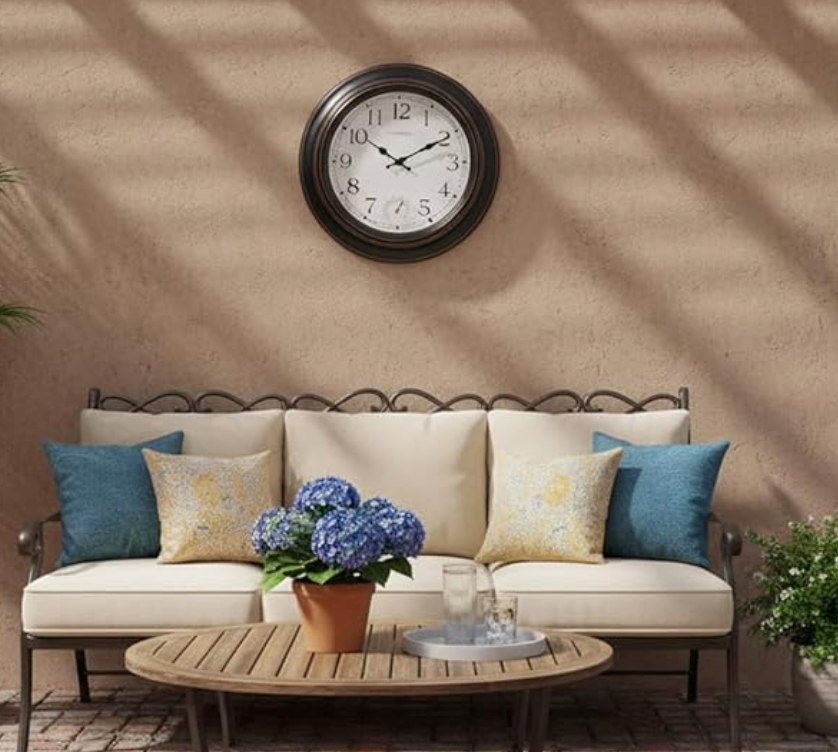
I like to evaluate suppliers using a simple three-layer method:
1) design capability
2) material capability
3) customization control
1) Design capability: can they build your style range?
Ask for:
- 3–5 best-selling styles[^3]
- available sizes (common wall clock sizes)
- dial layout options (classic vs modern)
- hand styles (simple vs decorative)
A good OEM supplier can show:
- stable best sellers (proven)
- design variations[^4] (for range building)
- reasonable MOQ for each style
This helps you build a collection, not a random single SKU.
2) Material capability: do they understand outdoor reality?
Outdoor clocks usually use:
- powder-coated metal frames
- resin housings (faux stone, rustic)
- UV-stable plastics
- sealed covers (glass or strong clear cover)
Ask:
- what coating system they use for metal
- how they reduce UV fading
- how they prevent fogging inside the cover
I always keep these questions in a material checklist.
3) Customization capability: can they control details?
Private label customization often includes:
- logo printing on dial
- custom dial artwork
- color matching for frames
- private label cartons and inserts
- barcode and labeling placement
But here’s the secret: customization is only valuable if it’s controlled.
A good OEM partner:
- confirms every change in writing
- uses version numbers for artwork
- keeps a record of approved samples
- doesn’t change suppliers/materials silently
I often recommend a change control log so both sides stay aligned.
A simple OEM capability score table
| Capability | What to test | Green flag |
|---|---|---|
| Design | best sellers + size options | range-ready options |
| Material | UV + rust + sealing logic | clear explanations |
| Customization | artwork + packaging | documented approvals |
| Speed | sample lead time | realistic and consistent |
| Stability | repeat order rules | batch control plan |
This method avoids the most common OEM mistake: choosing based on “nice photos and cheap quotes.”
Why Quality Control and Weather Resistance Matter in Outdoor Clocks
Outdoor clocks fail in predictable ways, so QC should target predictable weak points: sealing, UV, rust, and packaging damage.
Quality control matters because outdoor clocks face rain, humidity, sunlight, and temperature changes. Weather resistance matters because fogging, fading, and rust create returns—and returns damage your private label brand far more than they damage a factory.
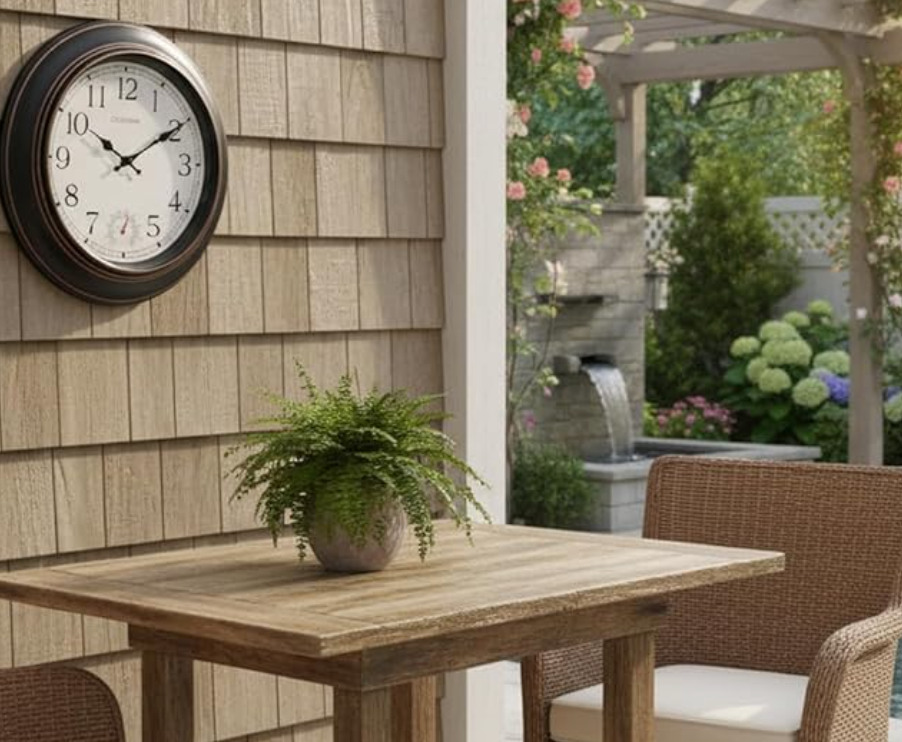
This is the part I feel strongly about.
If your logo is on the dial, you cannot treat QC as “optional.”
The 4 most common outdoor clock failure points
1) Fogging (poor sealing at back cover or shaft area)
2) Fading (weak UV resistance on dial printing or housing)
3) Rust (poor coating or hardware quality in metal clocks)
4) Shipping damage (bent hands, scratched frames, cracked covers)
These are not rare problems. They are common problems.
What QC should include (simple but effective)
You don’t need a lab to do basic QC[^5] well.
I recommend:
- visual check of coating and printing
- hand alignment and movement test
- sealing fit check
- packaging shake test[^6] (loose parts)
- carton protection check for hands and cover
If you have more strict standards, you can add:
- humidity exposure checks
- UV exposure checks
- rust-related testing
But even a basic system prevents most “bulk order surprises.”
Packaging is part of QC
A perfect product can arrive broken if packaging is weak.
For outdoor clocks, protect:
- clock hands (bending risk)
- cover/lens (crack risk)
- coated frame edges (scratch risk)
I always align packaging using a packaging standard sheet.
QC checkpoint plan (easy to apply)
| Stage | What to check | Why |
|---|---|---|
| Pre-production | spec + artwork confirmation | prevents wrong build |
| During production | key material + print checks | catches drift early |
| Final inspection | function + finish | prevents defects shipping |
| Packing check | inner protection + carton | prevents transit damage |
If you want a clean start, I can share a one-page QC checklist that works for most private label projects.
How to Choose an OEM Partner for Long-Term Brand Growth
Long-term growth comes from stability: consistent product quality, consistent delivery, and a supplier who supports your brand plan—not just your next order.
Choose an OEM partner[^7] by checking repeat-order consistency, communication clarity, product development support[^8], and willingness to protect your brand standards. The best partner helps you build a stable range and improves over time, instead of pushing constant changes.
I always tell private label buyers:
your OEM partner is part of your brand, whether you like it or not.
So choose like you’re choosing a teammate.
1) Check if they think in “seasons,” not only “orders”
A strong OEM partner asks:
- What is your target market?
- Which channels (DIY, garden center, e-commerce)?
- What price band do you need?
- How many SKUs in the first range?
This is a good sign. It means they can support your growth plan.
2) Confirm they can keep things stable
Stability is a brand builder.
Ask:
- Can you keep the same dial print next season?
- Can you control color between batches?
- Can you lock a standard packaging structure?
- Can you reserve molds or key parts?
If they can explain how, you can grow.
3) Evaluate communication as “risk control”
I love simple English in business. It reduces mistakes.
A good partner:
- replies fast and clearly
- confirms details in bullet points
- shares photos during production
- flags risks early instead of hiding them
4) Use a simple “two-tier range” strategy
This works well in Europe:
- fast movers: resin clocks in popular vintage textures
- premium: metal clocks with stronger finish and modern design
A good OEM partner can support both and help you build a clean SKU ladder.
I often map this using a SKU ladder plan so the range feels intentional.
Long-term partner score table
| Partner trait | Why it matters | What to look for |
|---|---|---|
| Repeatability | protects brand | batch control explained |
| Development support | grows your range | design options + samples |
| Communication | reduces mistakes | clear, consistent replies |
| Risk mindset | prevents losses | QC + packaging discipline |
If you want to move fast, I can also provide a ready-to-send OEM screening message that filters weak suppliers in one day.
Conclusion
The best OEM partner protects your brand with repeatable quality, outdoor durability, and controlled customization.
[^1]: Explore this link to understand how a private label outdoor clock can enhance your brand’s reputation and customer satisfaction.
[^2]: This resource will guide you in selecting a reliable OEM partner, ensuring quality and brand integrity for your products.
[^3]: Discovering the best-selling styles can help you curate a collection that appeals to customers and drives sales.
[^4]: Exploring design variations allows you to build a diverse range of products that cater to different tastes and preferences.
[^5]: Understanding basic QC can help you implement effective quality control measures without needing a lab.
[^6]: Learning how to conduct a packaging shake test ensures your products are secure and minimizes damage during transit.
[^7]: Understanding the key factors in selecting an OEM partner can significantly impact your brand’s success and stability.
[^8]: Exploring the importance of product development support can help you make informed decisions for long-term growth.